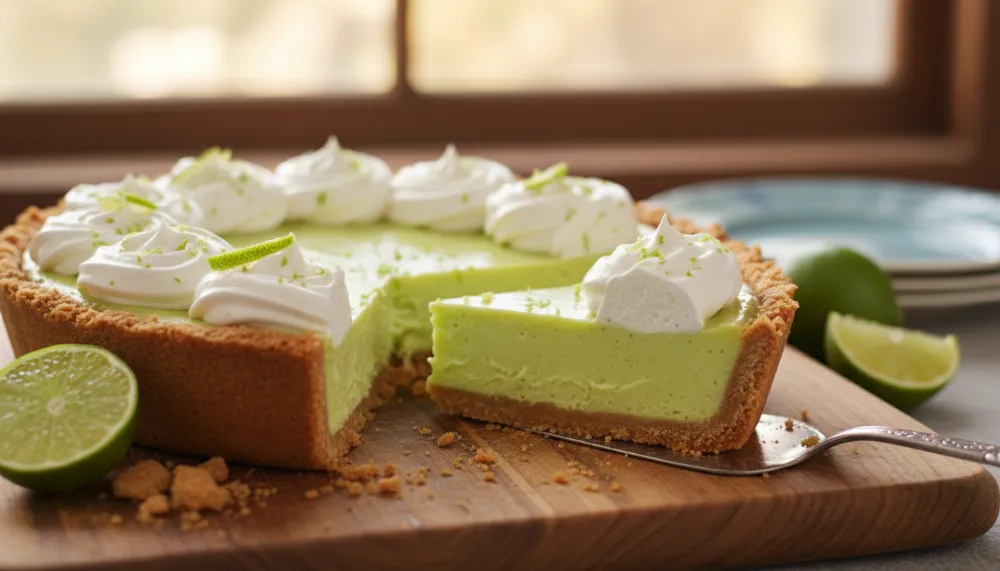

Experience the ultimate citrus explosion with our Zesty Key Lime Pie, a dessert that balances creamy sweetness with an electrified tartness that lingers on the palate. This version elevates the traditional Florida classic by doubling down on aromatic citrus oils and a perfectly textured crust to create a truly unforgettable culinary experience.
Ultimate Zesty Key Lime Pie
Ingredients
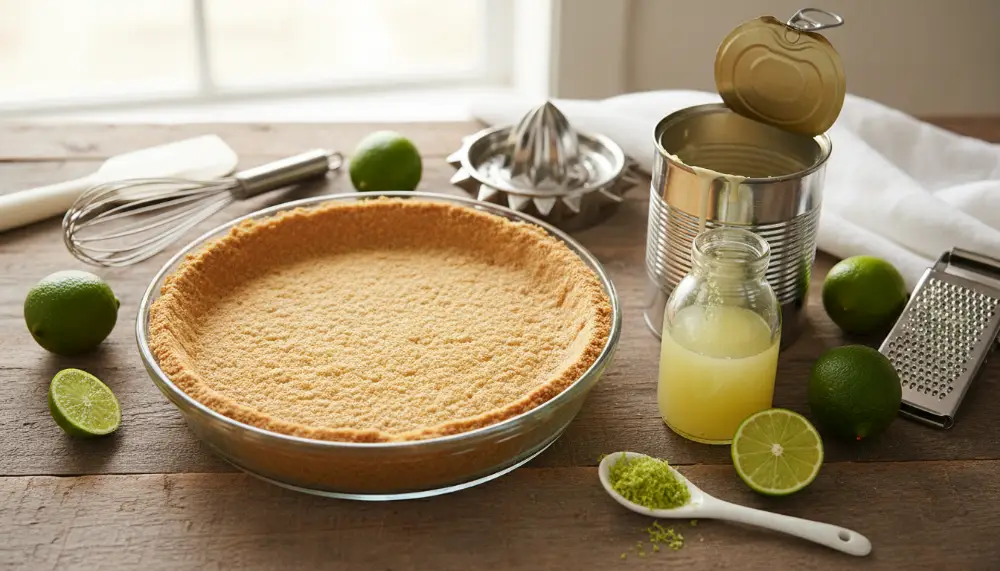
- 1.5 Cups Graham Cracker Crumbs
- 1/3 Cup Melted Butter
- 3 Tablespoons Granulated Sugar
- 28 Ounces Sweetened Condensed Milk (Two 14oz Cans)
- 1 Cup Freshly Squeezed Key Lime Juice
- 3 Tablespoons Grated Key Lime Zest
- 4 Large Egg Yolks
- 1 Cup Heavy Whipping Cream (For Garnish)
Instructions
- 1 Preheat your oven to 350°F (175°C). Mix graham cracker crumbs, sugar, and melted butter in a bowl until combined.
- 2 Press the mixture firmly into a 9-inch pie plate. Bake for 8-10 minutes until lightly golden. Allow to cool completely.
- 3 In a large bowl, whisk the egg yolks and lime zest together until well combined and slightly thickened.
- 4 Whisk in the sweetened condensed milk, then slowly pour in the Key lime juice, stirring constantly until the mixture thickens naturally.
- 5 Pour the filling into the cooled crust. Bake for 15 minutes. The center should have a slight jiggle.
- 6 Cool on a wire rack for 1 hour, then refrigerate for at least 4 hours (overnight is best) before serving with whipped cream.
The Deep Coastal History of the Zesty Key Lime Pie
The story of the Zesty Key Lime Pie is as rich and layered as the dessert itself, beginning in the tropical heat of the Florida Keys. While today we view it as a gourmet staple, its origins were born out of necessity and the lack of modern conveniences. In the late 1800s, the sponge fishermen of Key West were often at sea for long durations. Without refrigeration, they relied on shelf-stable pantry items like sweetened condensed milk, eggs, and the wild Key limes that grew in abundance along the coastline. These fishermen would whisk these ingredients together, and the high acidity of the limes would cause the proteins in the milk and eggs to coagulate, creating a thick, custard-like filling without the need for an oven.
Legend also points toward “Aunt Sally,” the cook for Florida’s first millionaire, William Curry. It is said she took the crude mixture created by the fishermen and refined it into a sophisticated dessert for the Curry mansion, adding a crumbly crust and perhaps a meringue topping. Regardless of who first perfected it, the pie became a cultural icon. The 1930s saw the first written recipes emerge, likely influenced by the Borden Condensed Milk Company’s marketing efforts. However, the true “zesty” variation we celebrate today is a modern evolution, where pastry chefs have pushed the boundaries of citrus concentration to provide a sharper, more aromatic experience than the original versions ever offered.
The Science of Zest: Why Essential Oils Rule the Flavor
What differentiates a standard lime pie from a Zesty Key Lime Pie is the strategic use of lime zest. While the juice provides the acidity and the “sour” punch, the zest contains the essential oils (limonene and citral) that provide the actual floral and citrus aroma. When you use a Cuisinart 8 Cup Food Processor to pulse your zest into the sugar or crust, you are rupturing those tiny oil glands and releasing a depth of flavor that juice alone cannot replicate. This is why our recipe calls for a significant volume of zest, it ensures that every bite smells as good as it tastes.
Essential Equipment for the Perfect Zesty Pie
To achieve the smooth, professional consistency of a world-class dessert, your tools matter. For the crust, using a food processor allows for an even distribution of butter and sugar, ensuring the graham crackers don’t become a greasy mess. For the filling, a high-quality blender can help emulsify the lime juice and condensed milk more effectively. The Ninja BN751 Professional Plus DUO Blender is perfect for this, its 1000W motor can even handle the addition of herbal infusions like mint or basil if you choose to experiment with variations. Furthermore, if you are looking to roast macadamia nuts for a gourmet crust, the Cosori 9-in-1 TurboBlaze Air Fryer 6 Qt can perfectly toast them in minutes, providing a crunch that contrasts beautifully with the silky custard.
Professional Flavor Variations and Gourmet Twists
While the classic recipe is divine, professional chefs often look for ways to heighten the “zing.” One of the most sophisticated ways to do this is through herbal infusions. By steeping fresh mint or basil in your lime juice before mixing the pie, you add a cool, peppery undertone that makes the lime pop. For those who enjoy a bit of heat, a spicy jalapeno-lime version involves folding a tiny amount of deseeded, finely minced pepper into the filling. The capsaicin works with the lime’s acidity to create a warming sensation on the back of the throat that is balanced by the sugar.
Another trend in high-end bakeries is the introduction of savory elements. While pork products are traditionally avoided in many contemporary kitchens, a savory-sweet twist using crispy, finely chopped BEEF bacon can be extraordinary. The saltiness of the beef fat acts as a flavor magnifier for the citrus. When sprinkled over a toasted meringue, it creates a complex flavor profile that appeals to those who don’t want an overly sweet dessert.
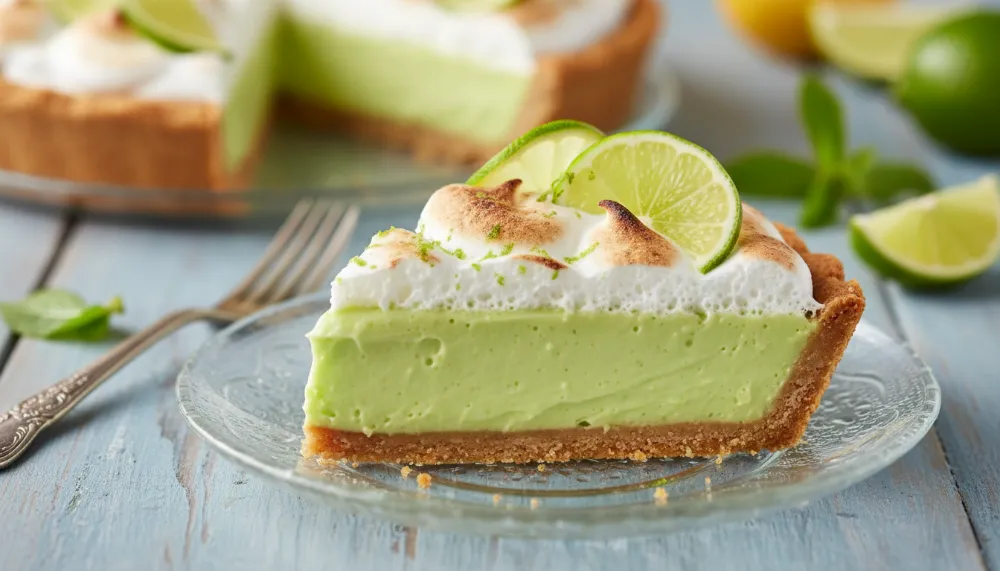
Innovative Crust Alternatives
The graham cracker crust is the standard, but you can elevate your Zesty Key Lime Pie by swapping it for a Gingersnap-Macadamia crust. The warmth of the ginger and the buttery richness of the macadamia nuts provide a spicy, earthy base that cuts through the tartness of the filling. Alternatively, a Salty Butter Cracker crust (using crushed saltine crackers) creates a nostalgic, sweet-and-salty dynamic that highlights the lime’s brightness. Using your Cuisinart 8 Cup Food Processor, you can achieve the perfect crumb size for these alternative bases in seconds.
Nutritional Profile and Health Benefits of Citrus
A serving of Zesty Key Lime Pie is more than just a treat, it offers a surprising amount of Vitamin C due to the high volume of lime juice and zest. On average, a slice contains approximately 13% of your daily value of Vitamin C, which is essential for immune function and collagen production. The sweetened condensed milk provides a source of calcium, often reaching 15-20% of your daily requirements per slice. However, because of the sugar and fat content, it is best enjoyed as a balanced part of a culinary lifestyle.
Troubleshooting: How to Avoid a Failed Pie
One common issue with Key Lime Pie is a “soggy bottom” or a filling that tastes “eggy.” To avoid a soggy crust, ensure you pre-bake it until it is firm and let it cool before adding the liquid filling. If your pie tastes too much like eggs, it is likely because the oven was too hot or you baked it too long. The pie only needs about 15 minutes at 350°F, the goal is not to “cook” it like a cake, but to set the proteins. Remember that the acid in the lime juice does most of the thickening work for you through a process called denaturation. The oven time is simply to ensure the egg yolks are safe to eat and have provided that signature structure.
Storage and Serving Suggestions
For the best texture, always serve your Zesty Key Lime Pie cold. It should be refrigerated for at least four hours, but 24 hours is the sweet spot where the flavors truly meld and the zest infuses the creaminess of the milk. If you have leftovers, they can be frozen! Many people actually prefer eating Key Lime Pie semi-frozen, as it takes on the consistency of a dense, lime-infused gelato. Simply wrap individual slices in parchment paper and store them in an airtight container for up to a month.