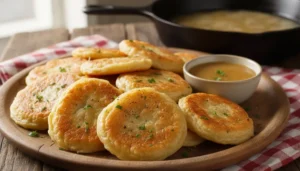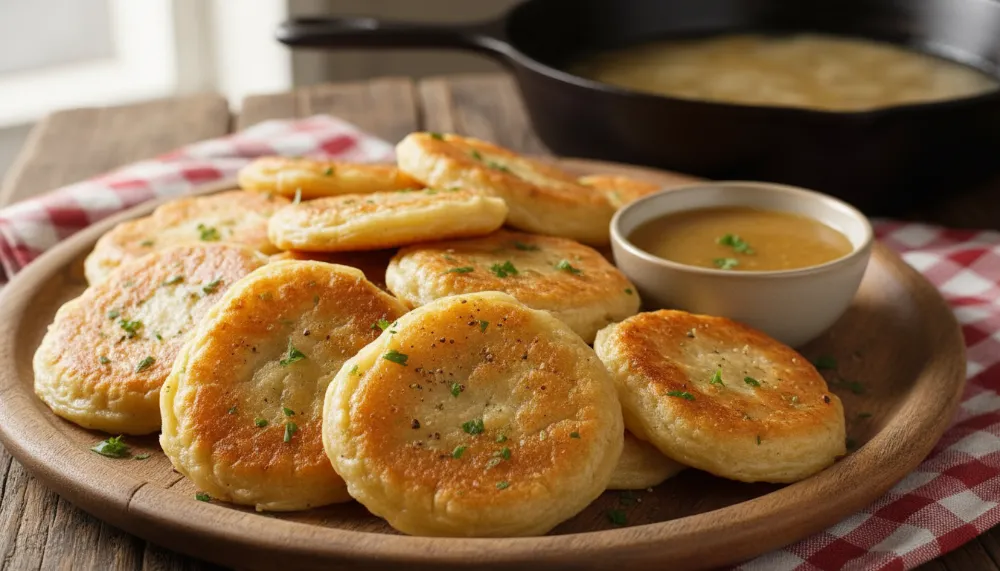

Forget the fluffy, biscuit-like clouds, because real Southern comfort is all about these silky, tender, and perfectly chewy flat dumplings. These “slicks” are the ultimate soul-warming dish that transforms a simple pot of broth into a legendary family feast.
Easy No-Fail Southern Flat Dumplings
Ingredients
- 1 2 cups All-Purpose Flour (plus extra for dusting)
- 2 1/2 tsp Baking Powder
- 3 1 tsp Salt
- 4 3 tbsp Cold Unsalted Butter (cubed)
- 5 3/4 cup Whole Milk or Beef Broth
- 6 8 cups Rich Beef or Chicken Broth
- 7 1/2 tsp Black Pepper
Instructions
- 1 Whisk together flour, baking powder, and salt in a large bowl.
- 2 Cut in cold butter using a pastry cutter or fork until it resembles coarse crumbs.
- 3 Gradually add milk, stirring until a dough forms. Do not overmix.
- 4 Turn dough onto a floured surface and roll out to 1/8-inch thickness.
- 5 Cut into 1-inch wide strips or squares. Dust generously with flour.
- 6 Bring broth to a rolling boil. Drop dumplings in one by one.
- 7 Reduce heat to low, cover, and simmer for 15-20 minutes until tender.
The Soul of Southern Comfort: Understanding Flat Dumplings
When you mention dumplings in the South, you are likely to spark a friendly but fierce debate. On one side, you have the fluffy, biscuit-like “drop” dumplings that sit atop a stew like snowy peaks. On the other, you have the “flat” dumpling, also known as “slicks,” “pastry,” or “slippery dumplings.” These are the unsung heroes of the Southern kitchen, rooted in a tradition of resourcefulness and deep, savory satisfaction. Unlike their leavened cousins, flat dumplings are rolled thin and boiled directly in broth, creating a texture that is more like a wide, tender noodle than a bread roll. This unique cooking method allows the starch from the dough to bleed into the liquid, naturally thickening the broth into a rich, silky gravy without the need for a separate roux.
Historically, flat dumplings emerged from a blend of European traditions and the necessity of American frontier life. They are descendants of British and French boiled suet puddings, which were adapted to use available ingredients like flour, lard, and salt. While they became a staple during the Great Depression as a “stretcher” meal to feed large families with minimal meat, they were celebrated in high-end Southern cookbooks as early as the 1830s. Mary Randolph, in her seminal work The Virginia Housewife, described rolled dumplings that were a far cry from “poverty food,” they were a mark of culinary craftsmanship. Today, whether you call them “Chicken and Pastry” in North Carolina or “Slicks” in the Delaware Valley, they remain a symbol of regional pride and home-cooked warmth.
The Anatomy of a Perfect “Slick”
To achieve the “No-Fail” status, one must understand the science behind the dough. The goal is a dumpling that is tender enough to cut with a spoon but sturdy enough not to dissolve into the broth. This balance is achieved through the careful management of gluten and fat. By using all-purpose flour and cutting in a small amount of fat, in this case, cold butter rather than the traditional lard, you create tiny pockets that ensure tenderness. The addition of a small amount of baking powder is a modern “cheat” that prevents the dumplings from becoming too dense or rubbery, though purists may omit it for a more authentic, noodle-like bite.
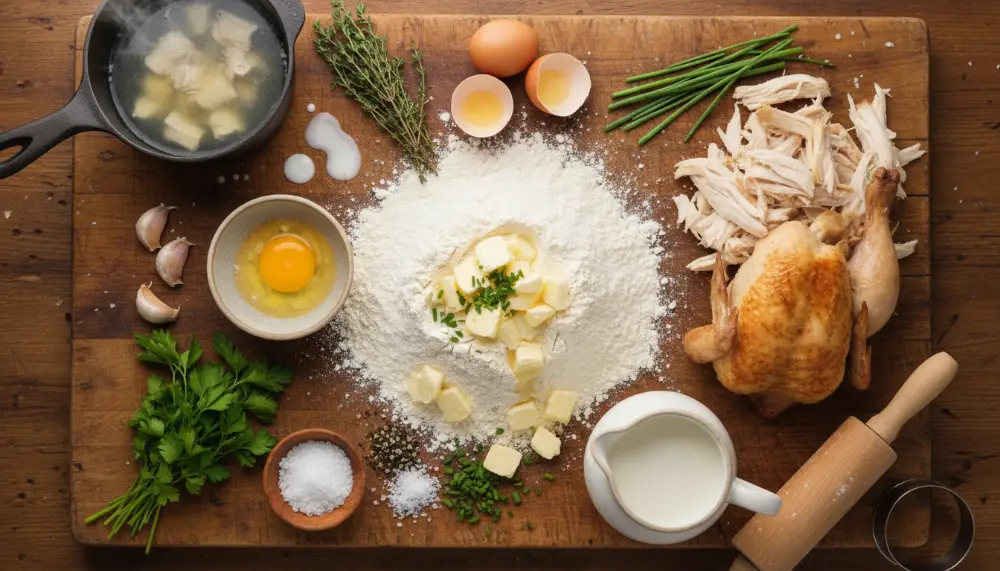
One of the most critical steps in the process is the resting period. After rolling out your dough, it is essential to let it sit on the counter for about 15 to 20 minutes before cutting and dropping it into the pot. This allows the gluten to relax, which is the secret to that “slippery” texture. If you rush the dough from the rolling pin to the pot, the gluten remains tight, resulting in a dumpling that is tough and chewy rather than soft and yielding. Furthermore, the generous dusting of flour on the cut strips is not just to prevent sticking, it is a vital ingredient in the final sauce. That excess flour is what transforms a thin broth into a luxurious, coat-the-back-of-the-spoon gravy.
Essential Tools for Success
While this is a rustic dish, having the right tools can make the process significantly easier and more consistent. For prep and storage, we recommend the following professional-grade equipment:
- Ninja BN751 Professional Plus DUO Blender: https://amzn.to/3LCDyNR (Why Perfect: While not for the dough itself, the 1000W motor is perfect for creating smooth vegetable bases or herb-infused oils to drizzle over your finished dumplings).
- Cosori 9-in-1 TurboBlaze Air Fryer 6 Qt: https://amzn.to/4hRWmVq (Why Perfect: Ideal for roasting a whole chicken or beef tips before simmering, ensuring maximum flavor extraction).
- Cuisinart 8 Cup Food Processor: https://amzn.to/47Nhbg8 (Why Perfect: Makes “cutting in” the butter to the flour a five-second task, ensuring the fat stays cold for the best texture).
- Rubbermaid Brilliance Glass Storage Set of 9: https://amzn.to/4oD0YkY (Why Perfect: These dumplings are even better the next day, and these leak-proof containers are perfect for reheating without mess).
- FoodSaver Vacuum Sealer Machine: https://amzn.to/4qWgVnS (Why Perfect: Perfect for freezing pre-rolled and cut dumpling strips so you can have a “no-fail” meal in minutes).
Flavor Profiles: Elevating the Humble Dumpling
While the classic version relies on chicken, you can create incredible depth using beef or vegetarian alternatives. For a rich, beef-based version, use a high-quality beef bone broth as your simmering liquid. To replace the depth typically provided by red wine, add a splash of Worcestershire sauce and a teaspoon of balsamic vinegar. This provides the acidity and umami necessary to balance the starchiness of the dough. If you are opting for a vegetarian route, focus on building layers of flavor. Sauté a mixture of onions, carrots, and celery (the holy trinity) in plenty of butter before adding your vegetable stock. To mimic the savory quality of meat, stir in a tablespoon of miso paste or a sprinkle of nutritional yeast into the broth.
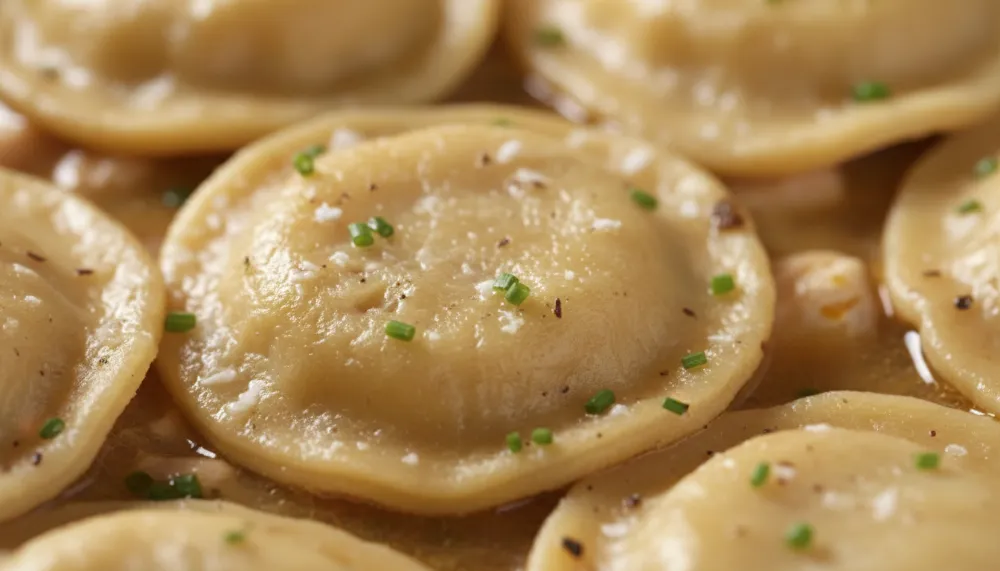
Don’t be afraid to season the dough itself. While the broth does much of the heavy lifting, adding dried dill, finely chopped chives, or even a hint of garlic powder directly into the flour mixture can elevate the dish from simple to gourmet. The key is to keep the additions finely ground so they don’t interfere with the structural integrity of the dumpling strips. Remember, these dumplings are like sponges, they will soak up whatever liquid they are cooked in, so ensure your broth is seasoned perfectly before the dumplings hit the water.
Step-by-Step Mastery: The Simmering Secret
The moment of truth occurs when the dumplings are dropped into the pot. The broth must be at a full, rolling boil to ensure the dumplings set immediately. If the broth is only simmering, the dumplings might sink to the bottom and stick or, worse, begin to dissolve into a gummy mess. Drop them in one at a time, swirling the pot gently (not stirring aggressively) to make sure they are submerged. Once all the dumplings are in, reduce the heat. This is not a dish that benefits from a violent boil once the dough is set. A low, gentle simmer under a tight-fitting lid allows the steam to finish the centers while the outside remains silky.
Nutritional Breakdown
A standard serving of these flat dumplings (approximately 1 cup of the finished dish) provides a hearty meal. While traditional versions can be high in sodium, making them at home allows you to control the salt levels. Typically, a serving contains 150 to 170 calories for the dumplings alone, with protein ranging from 5g to 25g depending on your choice of meat or meat substitute. The carbohydrates (30g to 45g) provide the energy and “fullness” that makes this a quintessential comfort food. By using lean beef or fiber-rich chickpeas as a protein source, you can create a balanced plate that satisfies both the palate and nutritional needs.
Troubleshooting Common Dumpling Disasters
Even with a “no-fail” recipe, things can occasionally go awry. If your dumplings turn out tough, you likely overworked the dough or skipped the resting phase. If they are too mushy, the broth might not have been hot enough when they were added, or they may have simmered for too long. If the broth isn’t thickening as desired, you can whisk a tablespoon of flour with a little cold broth to create a slurry and stir it in during the last five minutes of cooking. However, if you follow the dusting technique mentioned earlier, this should rarely be necessary. These dumplings are resilient, and even a less-than-perfect batch is usually still delicious when smothered in savory gravy.