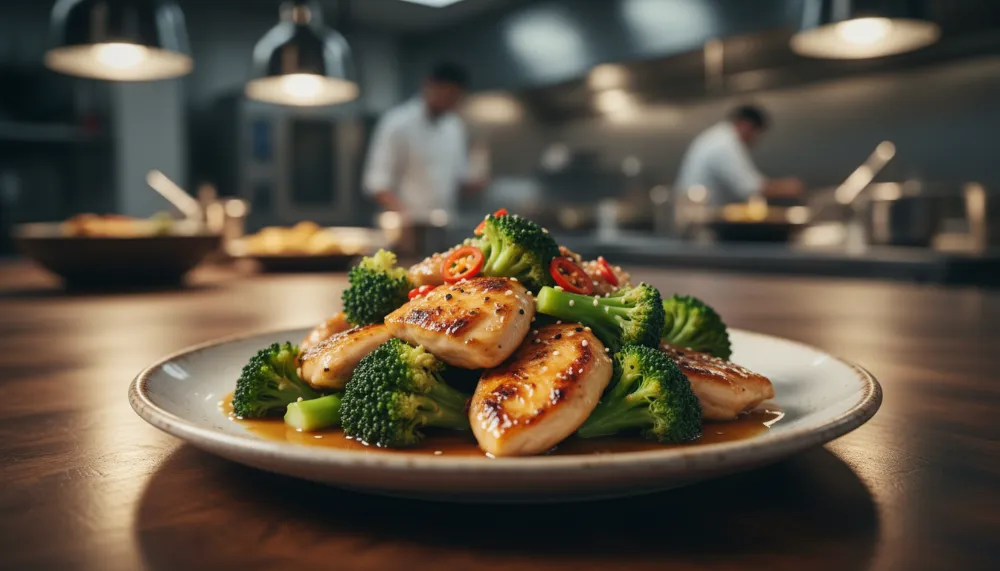

Experience the ultimate comfort food with this restaurant-quality Chicken and Broccoli, a dish that perfectly balances tender protein and vibrant greens in a savory, silk-smooth sauce. This version brings the beloved takeout classic into your home kitchen with healthy, high-quality ingredients and professional techniques that ensure perfect results every time.
Restaurant-Style Chicken and Broccoli
Ingredients
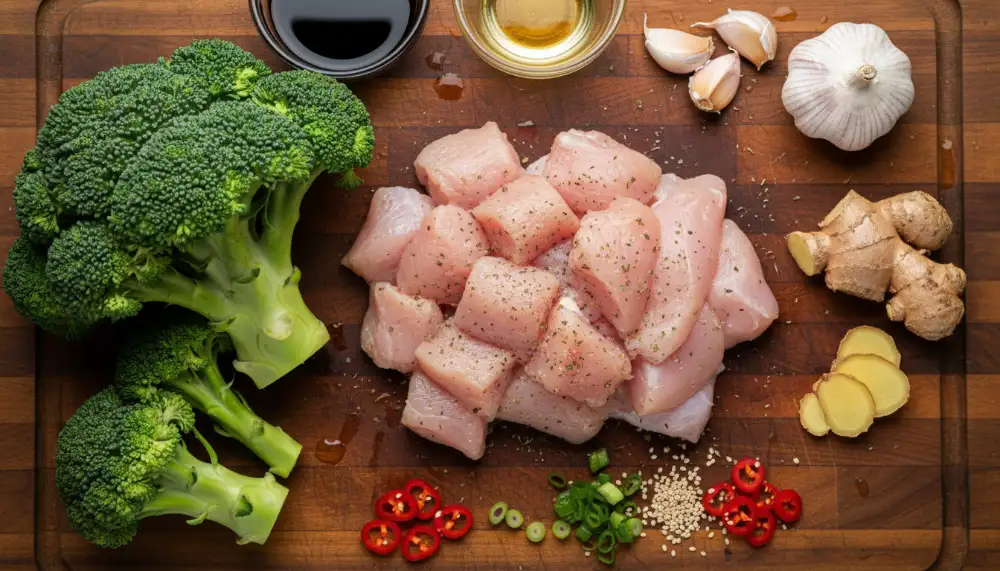
- 1 1.5 lbs Chicken breast, thinly sliced against the grain
- 2 4 cups Broccoli florets, bite-sized
- 3 2 tbsp Cornstarch (divided for velveting and sauce)
- 4 1/2 cup Beef broth (for deep savory flavor)
- 5 1/4 cup Soy sauce
- 6 1 tbsp Honey or brown sugar
- 7 1 tbsp Fresh ginger, minced
- 8 3 cloves Garlic, minced
- 9 2 tsp Rice vinegar (alcohol-free acidity)
- 10 2 tbsp Vegetable oil for frying
Instructions
- 1 Toss sliced chicken with 1 tbsp cornstarch and 1 tsp oil, let sit for 15 minutes to velvet.
- 2 Whisk together broth, soy sauce, honey, vinegar, ginger, garlic, and remaining cornstarch.
- 3 Blanch broccoli in boiling water for 2 minutes, then drain and shock in ice water.
- 4 Heat oil in a wok or large skillet over high heat, sear chicken until golden and cooked through.
- 5 Add the sauce mixture to the pan, stirring until thickened and bubbly.
- 6 Toss in the broccoli, coat everything in the sauce, and serve immediately over rice.
The Fascinating History and Evolution of Chicken and Broccoli
Chicken and Broccoli is not just a menu item, it is a cultural phenomenon that tells the story of culinary adaptation and immigrant resilience. While many assume this dish has ancient roots in mainland China, it is actually a quintessential example of American Chinese cuisine. This dish represents the creative spirit of early Chinese immigrants who arrived in North America during the late 19th and early 20th centuries. These chefs, mostly from the Cantonese region, were masters of the wok, but they faced a significant challenge: the lack of traditional Chinese ingredients like gai lan, also known as Chinese broccoli.
To survive and thrive in their new environment, these culinary pioneers substituted the bitter, leafy gai lan with Western broccoli, which was becoming increasingly popular in American markets. They maintained the core Cantonese techniques of high-heat stir-frying and velveting meat, but adapted the flavor profiles to suit the local palate. By the 1960s and 1970s, Chicken and Broccoli had become the most recognizable face of Chinese-American food, prized for its harmonious balance of lean protein, crunchy vegetables, and the mysterious, glossy brown sauce that brings it all together.
The Science of Velveting: The Secret to Silky Chicken
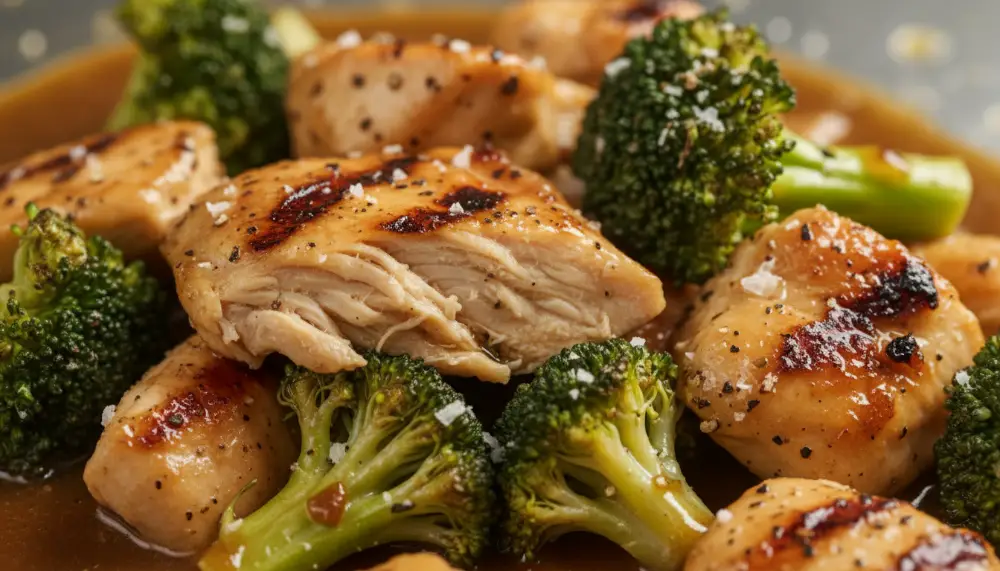
Have you ever wondered why the chicken in restaurant stir-fries is so incredibly tender, almost silky in texture, while home-cooked chicken can often turn out stringy or dry? The secret is a professional technique called “velveting.” This process involves marinating thinly sliced meat in a mixture of cornstarch, a small amount of liquid (such as broth), and occasionally oil. This creates a protective barrier around the protein fibers.
When the chicken hits the high heat of the wok, the cornstarch gelatinizes instantly, locking in the natural juices and preventing the heat from toughening the muscle fibers. This is a critical step for Chicken and Broccoli because the dish relies on the contrast between the soft meat and the crisp vegetable. To master this at home, always slice your chicken breast across the grain, this shortens the muscle fibers, making the meat even more tender. For those looking to streamline their meal prep, using a high-quality tool like the Cuisinart 8 Cup Food Processor (https://amzn.to/47Nhbg8) can help you quickly slice large quantities of vegetables, allowing you to focus your attention on the delicate process of velveting the meat.
Building the Perfect Alcohol-Free Brown Sauce
The soul of Chicken and Broccoli lies in its sauce. In many traditional restaurant settings, this sauce might include Shaoxing wine, but for those avoiding alcohol, creating a deep, complex flavor profile requires a few professional swaps. Instead of wine, we use a combination of high-quality beef broth and rice vinegar. The beef broth provides a rich, umami-heavy base that mimics the depth usually provided by pork-based stocks or fermented alcohols, while the rice vinegar adds the necessary acidic bright note to cut through the saltiness of the soy sauce.
A professional chef’s trick is to use a blend of fresh aromatics, specifically ginger and garlic. For the most potent flavor, you should create a paste rather than just chopping them. The Ninja BN751 Professional Plus DUO Blender (https://amzn.to/3LCDyNR) is perfect for this, its 1000W motor can pulverize fresh ginger and garlic into a smooth paste in seconds, ensuring that every drop of sauce is infused with intense aromatic flavor without the grit of large pieces.
The Role of Sweetness and Umami
To achieve that signature takeout taste, you need a balance of sweet and savory. Honey or brown sugar is essential for the Maillard reaction, the chemical process that creates caramelized flavors when the sauce hits the hot pan. However, the sweetness must be balanced with umami. While soy sauce provides the salt, using a vegetarian mushroom-based oyster sauce or a concentrated beef reduction can add that “third dimension” of flavor that makes the dish truly addictive. This balance is what distinguishes a mediocre stir-fry from a high-authority culinary masterpiece.
Nutritional Deep Dive: A Healthy Powerhouse
Chicken and Broccoli is frequently cited as one of the healthiest options on any menu, and for good reason. A standard serving is packed with high-quality protein and a massive dose of micronutrients. Broccoli is a nutritional titan, providing over 100% of the daily recommended value of Vitamin C and Vitamin K in just one cup. It is also an excellent source of dietary fiber, which aids in digestion and helps maintain steady blood sugar levels.
For those focused on weight management or muscle building, this dish is a dream. By controlling the oil and using honey instead of refined white sugar, you can keep the calorie count low while maintaining high protein density. To keep your ingredients as fresh as possible and preserve these vital nutrients, using a FoodSaver Vacuum Sealer Machine (https://amzn.to/4qWgVnS) is a professional move. It prevents freezer burn on your chicken and keeps your broccoli florets from oxidizing, ensuring that your meal prep tastes just as fresh as the day you bought the ingredients.
Equipment Essentials for the Modern Kitchen
To produce professional-grade Chicken and Broccoli consistently, your equipment matters as much as your ingredients. While a traditional wok is wonderful, modern appliances can provide even more versatility and precision. For instance, if you want a healthier twist on this dish, you can use the Cosori 9-in-1 TurboBlaze Air Fryer 6 Qt (https://amzn.to/4hRWmVq) to roast your broccoli before tossing it in the sauce. This gives the broccoli a charred, nutty flavor that you simply cannot get from steaming alone.
Furthermore, meal prepping this dish is the ultimate way to stay on track with a busy lifestyle. The Rubbermaid Brilliance Glass Storage Set of 9 (https://amzn.to/4oD0YkY) is the gold standard for storing stir-fry. These containers are leak-proof, ensuring your savory sauce doesn’t end up in your gym bag, and they are microwave-safe, allowing you to reheat your meal without compromising the texture of the chicken or the crispness of the broccoli.
Professional Tips for the Perfect Sizzle
The biggest mistake home cooks make is overcrowding the pan. When you put too much chicken or broccoli in at once, the temperature of the pan drops significantly, and instead of searing, your food begins to steam in its own juices. This results in grey, rubbery meat and mushy vegetables. To avoid this, cook in batches. Get your pan piping hot, sear half the chicken, remove it, let the pan come back up to temperature, and then sear the rest.
Another tip from the pros: blanching. While you can cook the broccoli directly in the pan, blanching it in boiling water for 60 to 90 seconds first ensures a vibrant green color and a perfectly tender-crisp texture. It also removes some of the surface starches, allowing the sauce to cling to the florets more effectively. Once blanched, shock the broccoli in ice water to stop the cooking process immediately, this preserves the enzymes and the bright color that makes the dish visually stunning.
Troubleshooting Common Issues
If your sauce is too thin, it is likely because the cornstarch slurry wasn’t mixed thoroughly or the sauce didn’t reach a full boil. Cornstarch needs heat to activate its thickening properties. Conversely, if your sauce is too thick or “gloopy,” simply whisk in a tablespoon of broth at a time until you reach your desired consistency. Remember, the sauce will continue to thicken as it cools, so aim for a slightly thinner consistency while it is still on the stove.
If your chicken is tough despite velveting, check your slicing technique. Always slice against the grain. If you look closely at a chicken breast, you will see the fibers running in one direction. You want to cut perpendicular to those lines. This ensures that every bite is easy to chew and melts in your mouth.