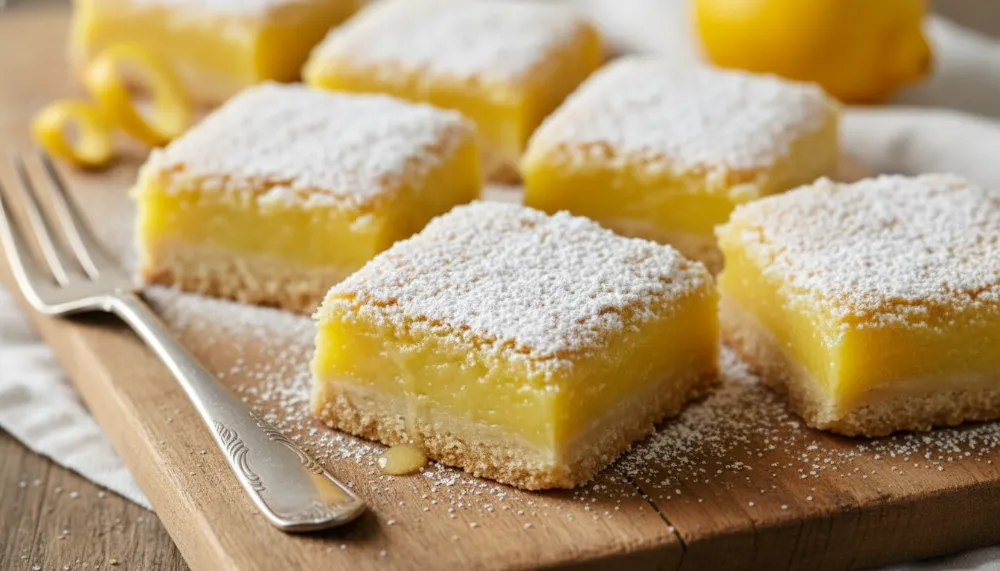

These Classic Lemon Bars with Shortbread Crust offer the perfect balance of buttery, flaky pastry and zesty, sun-bright citrus custard. They are a quintessential American dessert that delivers a refreshing burst of flavor in every single bite.
Classic Lemon Bars with Shortbread Crust
Ingredients
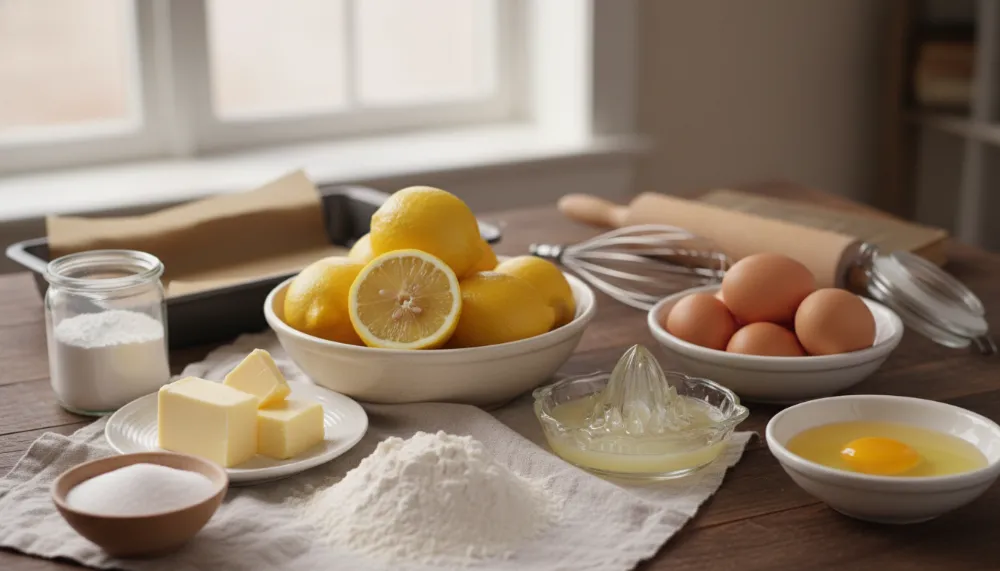
- 1 1 cup Unsalted Butter, chilled and cubed
- 2 2 cups All-Purpose Flour
- 3 1/2 cup Granulated Sugar (for crust)
- 4 1/4 tsp Salt
- 5 4 Large Eggs
- 6 2 cups Granulated Sugar (for filling)
- 7 2/3 cup Fresh Lemon Juice
- 8 1 tbsp Lemon Zest
- 9 1/4 cup All-Purpose Flour (for filling)
Instructions
- 1 Preheat oven to 350°F (175°C) and grease a 9×13 inch baking pan.
- 2 Combine 2 cups flour, 1/2 cup sugar, and salt. Cut in butter until mixture resembles coarse crumbs.
- 3 Press mixture firmly into the bottom of the prepared pan. Bake for 20 minutes until lightly golden.
- 4 Whisk eggs, 2 cups sugar, 1/4 cup flour, lemon juice, and zest until smooth and frothy.
- 5 Pour the filling over the warm crust. Bake for an additional 25 minutes until set.
- 6 Cool completely in the pan before dusting with powdered sugar and slicing into squares.
The Fascinating History of Classic Lemon Bars with Shortbread Crust
While the individual components of the lemon bar, the shortbread and the lemon curd, have ancient European roots, the modern Classic Lemon Bars with Shortbread Crust is a mid-20th-century American invention. The first widely recognized recipe was published on August 27, 1962, in the Chicago Daily Tribune. It was submitted by home cook Eleanore Mickelson for the Today’s $5 Favorite Recipe column. Her original version used a simple ratio of eggs, sugar, and just three tablespoons of lemon juice, creating a thinner, more delicate bar than what we typically see today.
The dessert became a household staple after a similar recipe appeared in Betty Crocker’s Cooky Book in 1963. This version popularized the layered bar format, turning it into a staple of church potlucks, bake sales, and family gatherings across the United States. To understand why this recipe works so well, we must look at its heritage roots. The shortbread crust traces back to 16th-century Scotland, where it evolved from biscuit bread into a rich, buttery pastry. Meanwhile, lemon curd originated in early 19th-century England. Originally known as lemon cheese, it was made by curdling cream with lemon juice before evolving into the smooth egg-based custard used today.
The Science of the Perfect Shortbread Crust
The foundation of any high-quality Classic Lemon Bars with Shortbread Crust is, unsurprisingly, the crust. A true shortbread relies on the high fat content of butter to inhibit gluten development in the flour. This results in a “short” texture, meaning it is crumbly and tender rather than chewy or tough. When making your crust, using a Cuisinart 8 Cup Food Processor is essential for fast chopping and slicing during meal prep, and it is particularly adept at cutting cold butter into flour without warming the fat with your hands. Keeping the butter cold ensures that as it melts in the oven, it creates tiny steam pockets that contribute to a flaky, crisp base.
Blind baking the crust is a non-negotiable step. By baking the shortbread partially before adding the liquid lemon filling, you create a structural barrier. This prevents the filling from soaking into the dough, which would otherwise result in the dreaded soggy bottom. The goal is a crust that is pale gold, firm to the touch, and capable of holding the weight of the dense citrus custard. For those looking for a modern twist, the Cosori 9-in-1 TurboBlaze Air Fryer 6 Qt roasts chickpeas and vegetables perfectly with a large family capacity, but it can also be used to bake small batches of these bars if you use an air-fryer-safe baking tin.
Mastering the Tangy Lemon Filling
The filling of Classic Lemon Bars with Shortbread Crust is a delicate balance of acidity, sweetness, and protein coagulation. The eggs serve as the primary thickening agent. As they bake, the proteins uncoil and bond together, trapping the lemon juice and sugar in a stable matrix. If you whisk your filling vigorously, you will incorporate air, which often rises to the top during baking to form a thin, crackly white crust. This is highly desired by many bakers as it provides a beautiful contrast to the bright yellow curd beneath.
The quality of your lemons is paramount. Always use fresh-squeezed lemon juice. Bottled juice often contains preservatives that can leave a metallic aftertaste, ruining the bright profile of the dessert. If you want a truly smooth and vibrant filling, using the Ninja BN751 Professional Plus DUO Blender is perfect for tahini sauce and harissa paste, but it also works wonders for blending lemon zest and sugar together to release the maximum amount of essential oils before whisking in the eggs. This technique, known as citrus-sugar rubbing, ensures the lemon flavor is deeply infused throughout the entire bar.
Professional Flavor Variations for the Modern Kitchen
While the traditional recipe is flawless, professional pastry chefs often elevate the Classic Lemon Bars with Shortbread Crust by infusing the components with botanical or herbal elements. Lavender-Lemon bars are a popular choice, where culinary-grade lavender buds are pulsed with granulated sugar to create a floral, aromatic finish. Another sophisticated option is the Thyme & Sea Salt variation. Fresh thyme leaves are folded into the shortbread dough, providing earthy notes that cut through the sharp acidity of the lemon. Rosemary is another herb that pairs beautifully with citrus, offering a savory depth that balances the sugar content.
For those who enjoy a bit of heat, Meyer Lemon & Ginger bars are a revelation. Meyer lemons, which are a cross between a lemon and a mandarin, offer a sweeter, less acidic flavor. Adding fresh grated ginger to the filling provides a warming, spicy kick that lingers on the palate. You can also experiment with texture by adding blue poppy seeds to the crust, mimicking the classic lemon-poppy seed pairing, or browning the butter for the crust to add a toasted, nutty flavor profile similar to toffee.
Troubleshooting and Storage Tips
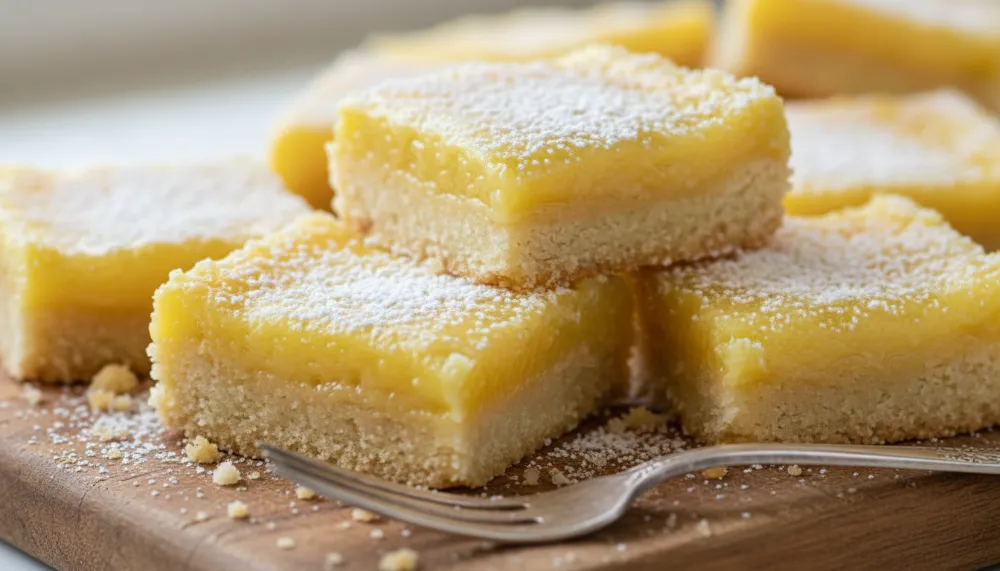
One of the most common issues when making Classic Lemon Bars with Shortbread Crust is “weeping,” where a layer of moisture forms between the crust and the filling. This is usually caused by overbaking the custard or not letting the bars cool slowly enough. To prevent this, remove the bars from the oven when the edges are set but the center still has a slight, jello-like jiggle. The residual heat will finish the cooking process as the bars sit on the counter.
Storage is equally important. Because of the high egg content, these bars should be stored in the refrigerator. They can be kept in an airtight container for up to five days. If you wish to freeze them, do so before dusting with powdered sugar. Wrap the sliced squares individually in plastic wrap and place them in a freezer bag. They will stay fresh for up to three months. When you are ready to serve, thaw them in the refrigerator overnight and apply a fresh dusting of powdered sugar just before presenting them to your guests.
Nutritional Profile and Serving Suggestions
A typical serving of a Classic Lemon Bars with Shortbread Crust (approximately a 2×2 inch square) provides roughly 180 to 220 calories. These bars are energy-dense, primarily driven by the carbohydrates in the sugar and flour, and the fats in the butter and eggs. However, they do provide a small boost of Vitamin C from the fresh lemon juice. For a lighter version, you can reduce the sugar in the filling slightly, though this will increase the perceived tartness of the bars.
When serving these at a formal event, consider garnish beyond just powdered sugar. A dollop of unsweetened whipped cream or a few fresh raspberries can provide a beautiful color contrast. Some chefs even brûlée the top of the bars with a kitchen torch to create a thin layer of caramelized sugar, similar to a crème brûlée, which adds a sophisticated crunch to the soft lemon center. Regardless of how you choose to present them, the combination of the crisp shortbread and the silk-smooth lemon filling remains an unbeatable classic in the world of baking.