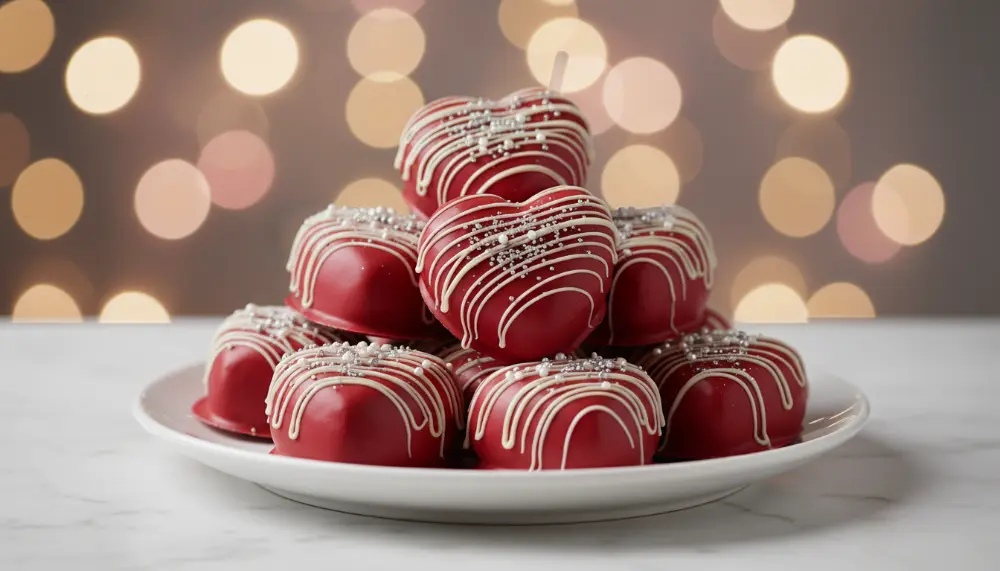

Creating the perfect Heart Cake Pops requires a delicate balance of moist cake crumb and professional-grade structural integrity to ensure every bite-sized treat is as beautiful as it is delicious.
Perfect Heart Cake Pops
45 MIN
30 MIN
24 PERS
Ingredients
- 1 9×13 alcohol-free sponge cake (vanilla or chocolate)
- 2 1/2 cup buttercream frosting (made with butter or vegetable shortening)
- 3 1 tsp glycerin-based vanilla extract
- 4 12 oz high-quality red or pink candy melts
- 5 1 tbsp refined beef tallow or vegetable shortening (for thinning)
- 6 24 lollipop sticks
Instructions
- 1 Crumble the cooled cake into fine crumbs using a food processor.
- 2 Mix crumbs with frosting and glycerin vanilla until a dough-like consistency forms.
- 3 Shape dough into 1-inch balls, then use the teardrop method to form hearts.
- 4 Chill shaped hearts in the freezer for 15 minutes.
- 5 Dip sticks in melted candy, insert into hearts, and let set.
- 6 Dip entire heart in melted candy coating, tap off excess, and decorate.
The Art of Creating Heart Cake Pops
When it comes to celebratory desserts, few items capture the imagination quite like **Heart Cake Pops**. These bite-sized treats have become a staple at weddings, Valentine’s Day celebrations, and anniversary parties because they combine the moist richness of a gourmet cake with the portability of a lollipop. However, achieving that perfect, symmetrical heart shape while maintaining a smooth, crack-free coating requires more than just a basic recipe. It requires an understanding of food science, temperature control, and the right equipment.
In this comprehensive guide, we will explore the professional techniques used to craft high-end **Heart Cake Pops** that comply with strict dietary standards, specifically avoiding pork-derived products and alcohol-based extracts. Whether you are a professional baker or a home enthusiast, these insights will elevate your dessert game to a professional level.
Essential Equipment for Precision
To produce uniform and professional-looking **Heart Cake Pops**, you need the right tools in your kitchen. Efficiency starts with the preparation of the cake crumb. While many suggest crumbling cake by hand, using a Cuisinart 8 Cup Food Processor ensures a perfectly uniform texture. This consistency is vital because large chunks of cake can cause structural weaknesses in your hearts, leading them to crumble or fall off the stick during the dipping process.
For those who like to incorporate smooth fillings or even homemade fruit reductions to flavor their cake dough, the Ninja BN751 Professional Plus DUO Blender is an absolute powerhouse. Its 1000W motor can blend ingredients into a silky consistency, perfect for creating unique flavor profiles without compromising the integrity of the cake dough. Additionally, for long-term storage and keeping your finished creations fresh, the Rubbermaid Brilliance Glass Storage Set of 9 is indispensable. These leak-proof, stackable containers prevent moisture from affecting the candy coating, ensuring your **Heart Cake Pops** stay crisp and delicious for days.
Ingredient Selection: Avoiding Pork and Alcohol
One of the most critical aspects of professional baking is adhering to dietary restrictions without sacrificing flavor. When making **Heart Cake Pops**, many traditional ingredients can contain hidden derivatives that some guests may wish to avoid.
The Fat Factor: Butter vs. Tallow
In many commercial cake recipes, lard or pork-based shortenings are used to create a specific mouthfeel. However, for those following a strict no-pork diet, refined beef tallow is an incredible alternative. When properly purified, beef tallow is odorless and provides a richness that vegetable shortening simply cannot match. If you prefer to stick to dairy, high-fat European-style butter is your best friend. It provides the necessary moisture to bind your **Heart Cake Pops** while ensuring a luxurious flavor profile.
Alcohol-Free Flavoring
Standard vanilla and almond extracts are typically carried in a base of 35-40% alcohol. To maintain the integrity of your **Heart Cake Pops**, look for glycerin-based extracts or vanilla powders. These provide the same aromatic depth without the alcohol content. This is particularly important for the cake base and the buttercream binder, as the flavor becomes concentrated once the cake is crumbled and pressed into heart shapes.
Mastering the Heart Shape: Three Methods
Shaping **Heart Cake Pops** is the most challenging part of the process. Because a heart has more surface area and more complex angles than a simple sphere, it is more prone to falling apart. Here are the three professional methods to achieve perfection.
1. The Manual Teardrop Method
This is the preferred method for artisans. Start by rolling your cake dough into a smooth, 25-gram ball. Use the side of your hand to roll one end of the ball against a flat surface until it forms a sharp cone or teardrop. Flatten the shape slightly with your palm. Finally, use a clean toothpick or the back of a small knife to press a notch into the top center of the wide end. Gently round the two resulting humps with your fingertips to form the iconic heart shape.
2. The Cookie Cutter Compression
If you struggle with manual shaping, this method ensures total uniformity. Line a baking sheet with parchment paper and press your cake dough into a flat, 1-inch thick slab. Use a small, high-quality metal heart cutter to punch out the shapes. The key here is to chill the slab for at least 30 minutes before cutting; this ensures the edges remain sharp and the dough doesn’t stick to the cutter.
3. Silicone Mold Casting
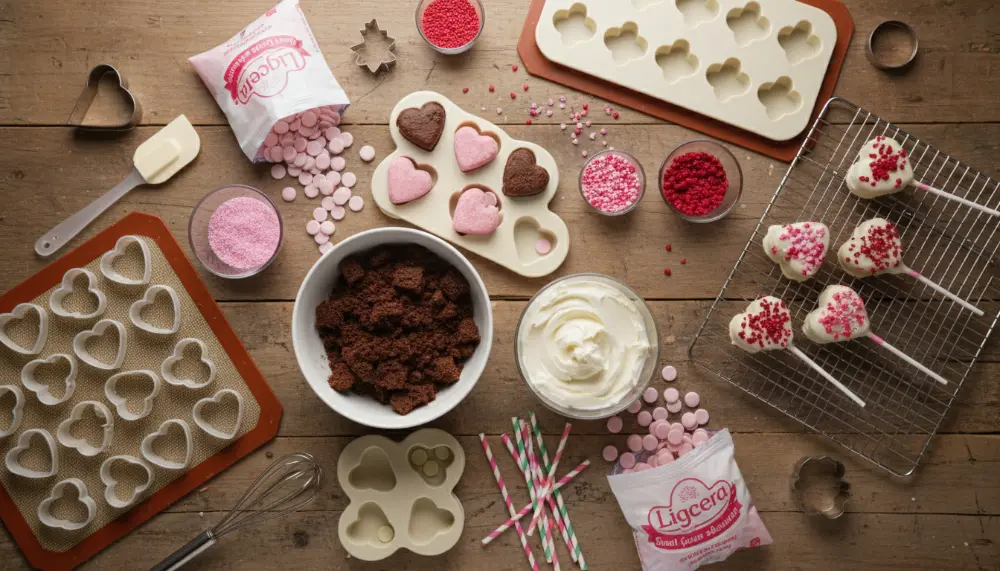
For high-volume production, silicone molds are the most efficient. Press the cake dough firmly into heart-shaped molds, ensuring you pack the edges to prevent air pockets. Place the entire mold in the freezer for 20 minutes. Once firm, the hearts will pop out with perfectly smooth surfaces, which is ideal for a flawless candy coating application. This technique is often discussed in our baking precision guides.
The Science of Coating and Dipping
The success of your **Heart Cake Pops** depends heavily on the temperature of your coating. If the coating is too hot, it will be too thin and won’t cover the cake properly. If it is too cold, it will be thick and clumpy, causing the cake pop to fall off the stick due to the weight.
Achieving the Perfect Flow
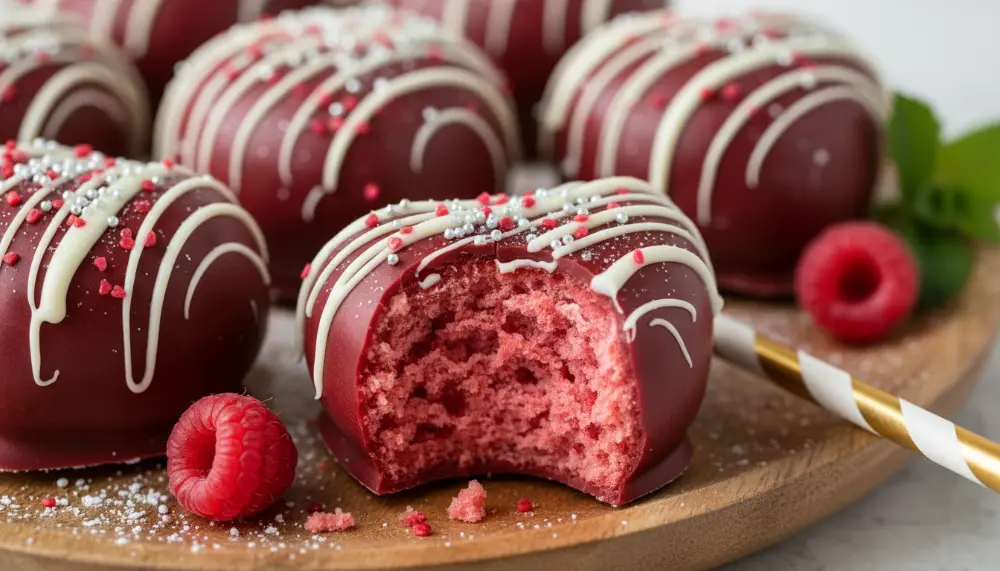
Most professional bakers use candy melts, which are a compound chocolate made with vegetable oils. If your coating is too viscous, do not add water. Water will cause the chocolate to seize and become unusable. Instead, add a small amount of refined beef tallow or vegetable shortening. This thins the coating to a “three-second flow”, meaning it should take three seconds for a ribbon of chocolate to disappear back into the bowl when lifted with a spoon.
Avoiding the Dreaded Crack
Cracks in the coating of **Heart Cake Pops** are caused by temperature shock. If you take a frozen cake heart and dip it into hot candy coating, the cake will expand as it warms up, causing the hard shell to crack. To prevent this, ensure your cake hearts are refrigerator-cold (not frozen) and your coating is warm but comfortable to the touch. This equilibrium allows the coating to set gradually without pressure from the cake expanding inside.
Storage and Presentation
Once your **Heart Cake Pops** are dipped and decorated, storage becomes the priority. Because they contain moist cake and fats, they are susceptible to absorbing odors from the refrigerator. Always store them in an airtight environment. We highly recommend using the Rubbermaid Brilliance Glass Storage Set of 9 for this purpose. The crystal-clear glass allows you to monitor the pops without opening the lid, and the airtight seal protects the delicate candy finish from humidity.
If you are planning to serve these at an outdoor event, keep in mind that candy melts have a melting point of around 90°F. Keeping them in a cool, shaded area is essential. For those who enjoy preparing snacks for the same party, you might even use the Cosori 9-in-1 TurboBlaze Air Fryer 6 Qt to whip up some savory appetizers like roasted chickpeas or beef skewers to balance out the sweetness of the pops.
Troubleshooting Common Issues
Even with a perfect recipe, **Heart Cake Pops** can present challenges. Here is how to fix the most common problems:
The Pop is Sliding Down the Stick
This usually happens because the dough is too oily or the stick wasn’t properly “glued.” Ensure you dip the tip of the stick into the candy coating before inserting it into the heart. If the dough itself is too soft, you may have added too much buttercream. You can fix this by adding more fine cake crumbs processed in your food processor to absorb the excess moisture.
The Coating is Leaking Oil
This occurs when the cake dough is too warm during the dipping process. As the fat in the cake melts, it seeps through the coating. Always ensure your **Heart Cake Pops** are chilled for at least 15-20 minutes before dipping. If oil spots appear, you can often camouflage them with a second drizzle of chocolate or a dusting of edible glitter.
Air Bubbles in the Finish
Air bubbles are the result of over-stirring your coating or dipping the pop too vigorously. To remove bubbles, tap the side of your melting bowl gently to bring the air to the surface. When dipping, use a slow, steady motion rather than a fast dunk. If a bubble appears on the pop, use a toothpick to pop it immediately while the coating is still wet.
Expanding Your Repertoire
Once you have mastered the basic **Heart Cake Pops**, you can begin to experiment with textures. Consider adding finely crushed nuts (processed in your Ninja Blender) to the dough for a crunch, or using a variegated dipping technique to create a marble effect. For more inspiration on high-quality baking and kitchen management, visit our resource center or check out our guide on essential dessert tools.
By following these professional standards, emphasizing quality fats like beef tallow or butter, utilizing alcohol-free extracts, and maintaining strict temperature control, you will create **Heart Cake Pops** that are not only visually stunning but also inclusive of various dietary preferences. These treats are more than just dessert; they are a testament to the baker’s skill and attention to detail.