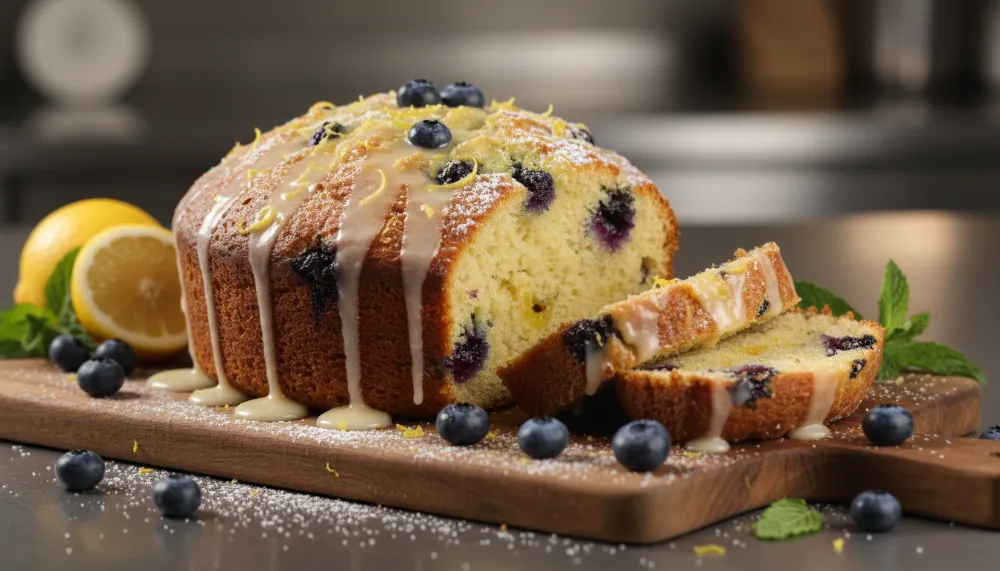

Experience the perfect harmony of tart citrus and sweet, juicy berries with this incredibly moist gluten free lemon blueberry bread that rivals any traditional bakery loaf. This recipe delivers a tender crumb and vibrant flavor profile without the use of gluten or alcohol-based extracts.
Gluten Free Lemon Blueberry Bread
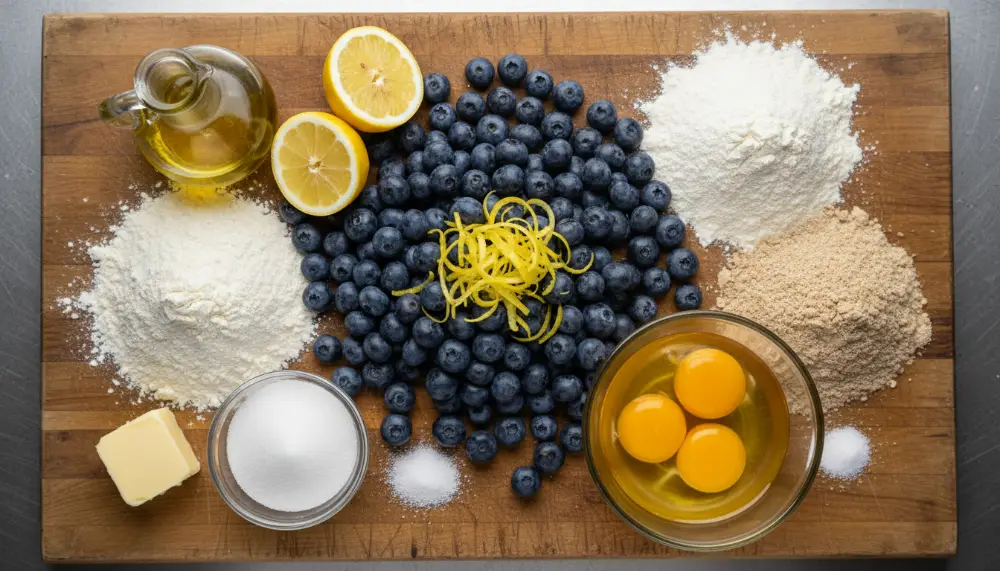
Ingredients
- 1. 2 cups Gluten-Free 1-to-1 Flour Blend (with xanthan gum)
- 2. 1 teaspoon Baking Powder
- 3. 1/2 teaspoon Baking Soda
- 4. 1/2 teaspoon Salt
- 5. 1 cup Granulated Sugar
- 6. 2 Large Eggs (Room temperature)
- 7. 1/2 cup Avocado Oil
- 8. 1/2 cup Plain Unsweetened Yogurt or Greek Yogurt
- 9. 2 tablespoons Fresh Lemon Zest
- 10. 3 tablespoons Fresh Lemon Juice
- 11. 1 teaspoon Alcohol-Free Vanilla Powder
- 12. 1 1/2 cups Fresh Blueberries (tossed in 1 tbsp GF flour)
Instructions
- 1. Preheat your oven to 350°F (175°C). Grease a 9×5 inch loaf pan and line with parchment paper for easy removal.
- 2. In a medium bowl, whisk together the gluten-free flour, baking powder, baking soda, salt, and vanilla powder.
- 3. In a separate large bowl, whisk the sugar, eggs, avocado oil, yogurt, lemon zest, and lemon juice until well combined and smooth.
- 4. Gradually add the dry ingredients to the wet ingredients, stirring gently with a spatula just until combined. Do not overmix.
- 5. Gently fold in the floured blueberries, ensuring they are evenly distributed throughout the batter.
- 6. Pour the batter into the prepared loaf pan and smooth the top. Bake for 55 to 65 minutes, or until a toothpick inserted into the center comes out clean.
- 7. Let the bread cool in the pan for 15 minutes before transferring to a wire rack to cool completely before slicing.
The Historical Evolution of Gluten Free Lemon Blueberry Bread
To understand the perfection of a modern gluten free lemon blueberry bread, one must look back at the development of American quick breads. Originating in the late 19th century, quick breads revolutionized home baking by utilizing chemical leaveners like baking soda and baking powder, which were introduced commercially between 1846 and 1856. This allowed for immediate baking without the lengthy yeast fermentation processes required for traditional loaves. The lemon and blueberry pairing is a quintessential North American culinary staple, as blueberries are native to the continent and were traditionally used by Indigenous peoples long before European settlers arrived.
The transition to a gluten-free format became a professional focus in the late 20th century. Bakers began experimenting with rice flours, starches, and gums to replicate the protein structure of wheat. Modern gluten free lemon blueberry bread is the pinnacle of this evolution, utilizing sophisticated 1-to-1 flour blends that provide the necessary elasticity and moisture retention to support heavy fruit like blueberries without collapsing.
Understanding the Nutritional Profile of Your Zesty Loaf
When you consume a slice of this gluten free lemon blueberry bread, you are enjoying a treat that is as nutrient-dense as it is delicious. A typical 70-gram slice contains approximately 210 to 290 calories, with a focus on healthy monounsaturated fats if made with avocado or olive oil. Because we prioritize fresh fruit, you receive a significant boost of anthocyanins from the blueberries, which are powerful antioxidants known to support cardiovascular health and cognitive function.
The inclusion of lemon zest and juice contributes Vitamin C and potassium, while the use of yogurt adds a touch of protein and calcium. For those watching their macros, this bread provides a balanced ratio of carbohydrates and fats, making it an excellent energy-dense breakfast option. By using professional-grade tools like the Ninja BN751 Professional Plus DUO Blender: https://amzn.to/3LCDyNR to emulsify your wet ingredients, you ensure that the fats are perfectly distributed, leading to a more consistent nutritional value per slice.
Professional Flavor Variations and Chef Techniques
While the classic gluten free lemon blueberry bread is spectacular, professional chefs often employ subtle variations to elevate the flavor profile. Here are a few ways you can customize your loaf:
Herbal and Spice Infusions
Consider adding one teaspoon of fresh minced thyme or culinary lavender buds to your dry ingredients. These earthy, floral notes bridge the gap between the tart lemon and the deep, sweet berry flavor. Alternatively, a half-teaspoon of ground cardamom and a pinch of ground ginger can provide a sophisticated “warm” citrus undertone that is highly sought after in artisanal bakeries.
Dairy-Rich Textural Enhancements
Replacing standard milk or thinner yogurts with full-fat Greek yogurt or even sour cream creates a “velvet” crumb. This technique mimics the elasticity found in gluten-based breads, preventing the common “crumbly” texture often associated with gluten-free bakes. If you are prepping large batches, using a Cuisinart 8 Cup Food Processor: https://amzn.to/47Nhbg8 allows you to quickly zest large quantities of lemons or even pulse your blueberries slightly if you prefer a marbled berry look throughout the bread.
Critical Alcohol-Free Substitutions for Baking
Many traditional recipes call for vanilla extract, which contains a high percentage of ethanol. To maintain a strict alcohol-free profile, professional kitchens utilize vanilla powder or alcohol-free vanilla bean paste. Vanilla powder is a concentrated alternative made from ground vanilla beans that provides intense flavor without the liquid or alcohol content. If you cannot find these, increasing the lemon zest and adding a touch of maple syrup can provide a deep, complex sweetness that replaces the need for extracts entirely.
Essential Equipment for the Perfect Gluten-Free Loaf
Success in gluten-free baking often depends on the tools used to manage the batter’s unique consistency. Here are our top professional recommendations:
- Ninja BN751 Professional Plus DUO Blender: https://amzn.to/3LCDyNR – Perfect for ensuring your wet ingredients, including any added herbs or citrus, are fully emulsified for a smooth batter.
- Cosori 9-in-1 TurboBlaze Air Fryer 6 Qt: https://amzn.to/4hRWmVq – While primarily used for roasting, this air fryer’s bake setting is excellent for smaller gluten-free loaves, providing even heat distribution.
- Cuisinart 8 Cup Food Processor: https://amzn.to/47Nhbg8 – An essential for zesting lemons or preparing crumble toppings for your bread.
- Rubbermaid Brilliance Glass Storage Set of 9: https://amzn.to/4oD0YkY – The absolute best for storing your finished bread to keep it moist and fresh for days.
- FoodSaver Vacuum Sealer Machine: https://amzn.to/4qWgVnS – If you plan to bake in bulk, vacuum sealing individual slices is the best way to prevent freezer burn and preserve the zesty aroma.
Mastering the Crumb: Tips for Success
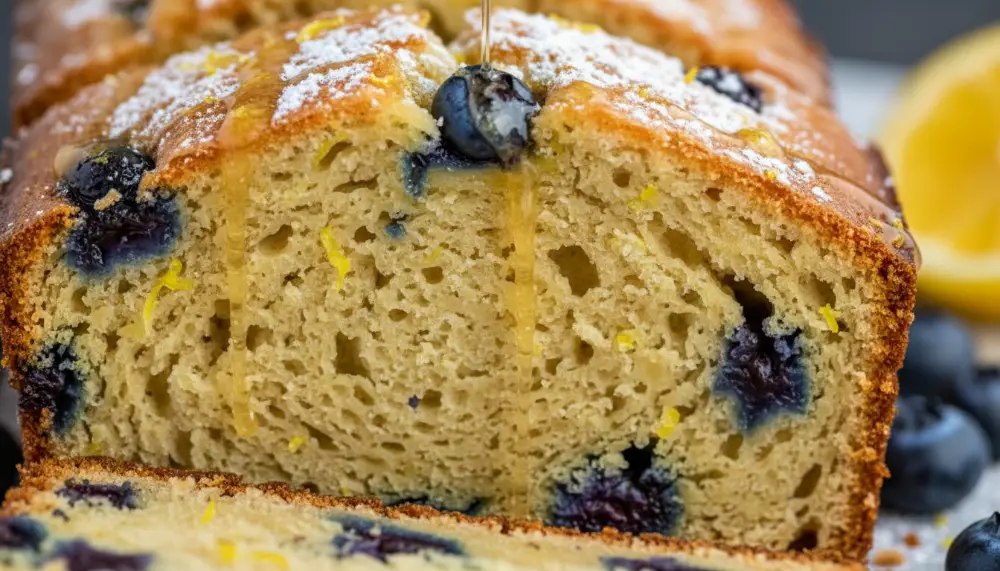
One of the biggest challenges with gluten free lemon blueberry bread is the tendency for blueberries to sink to the bottom. To prevent this, always toss your berries in a tablespoon of your gluten-free flour blend before folding them into the batter. This light coating helps the berries “grip” the batter and stay suspended during the rise. Additionally, ensuring your eggs and yogurt are at room temperature prevents the avocado oil from seizing, which maintains a smooth, aerated structure.
The cooling process is equally critical. Gluten-free baked goods continue to set as they cool. If you slice the bread while it is still hot, the structure may collapse, resulting in a gummy texture. Patience is a key ingredient for the perfect slice. Once cooled, store your loaf in a Rubbermaid Brilliance Glass Storage container to maintain that signature moisture.
Frequently Asked Questions
Can I use frozen blueberries? Yes, you can use frozen berries in your gluten free lemon blueberry bread, but do not thaw them first. Thawing will cause the juice to bleed, turning your entire loaf purple. Toss them in flour while frozen and add them directly to the batter.
Why did my bread sink in the middle? This usually happens if the oven door is opened too early or if there is too much leavening agent. Ensure your baking powder and soda are fresh and measured accurately. Gluten-free batters are heavy, and they need the full bake time to set the center.