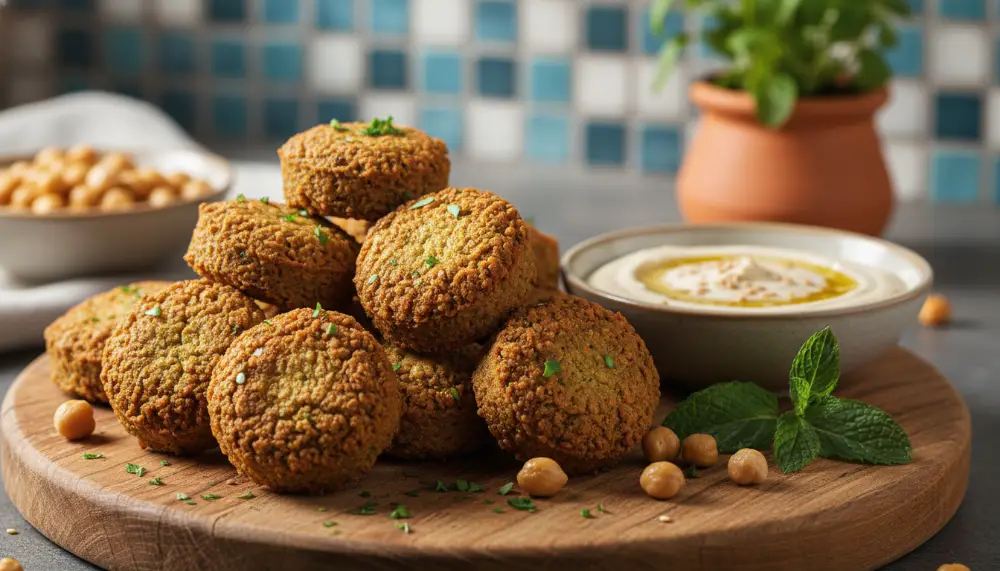

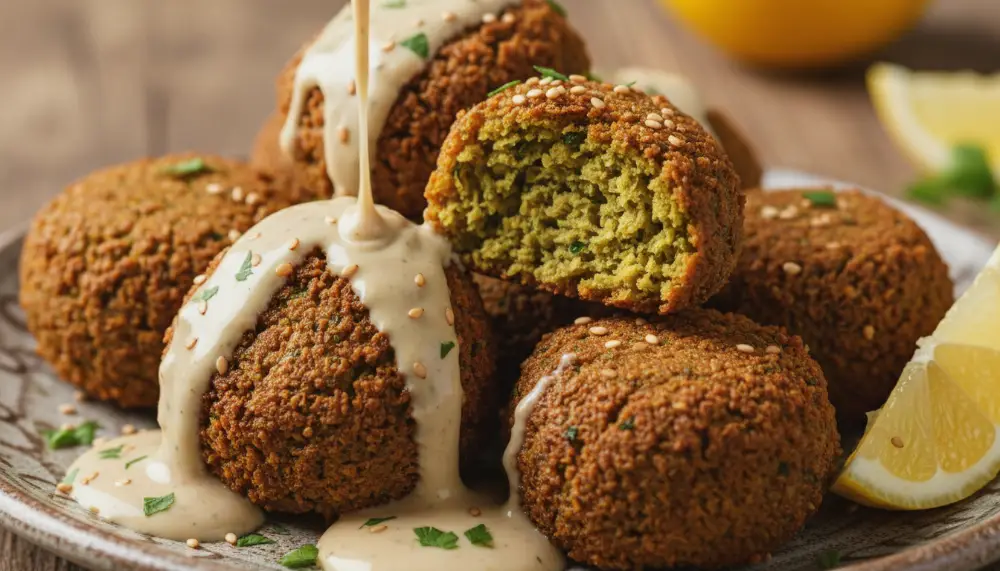
Experience the ultimate crunch and herbaceous depth with this authentic Crispy Mediterranean Falafel, perfectly paired with a velvety lemon-garlic tahini sauce. This recipe brings the gold standard of street food directly to your home kitchen with professional techniques.
Crispy Mediterranean Falafel with Tahini Sauce
Ingredients
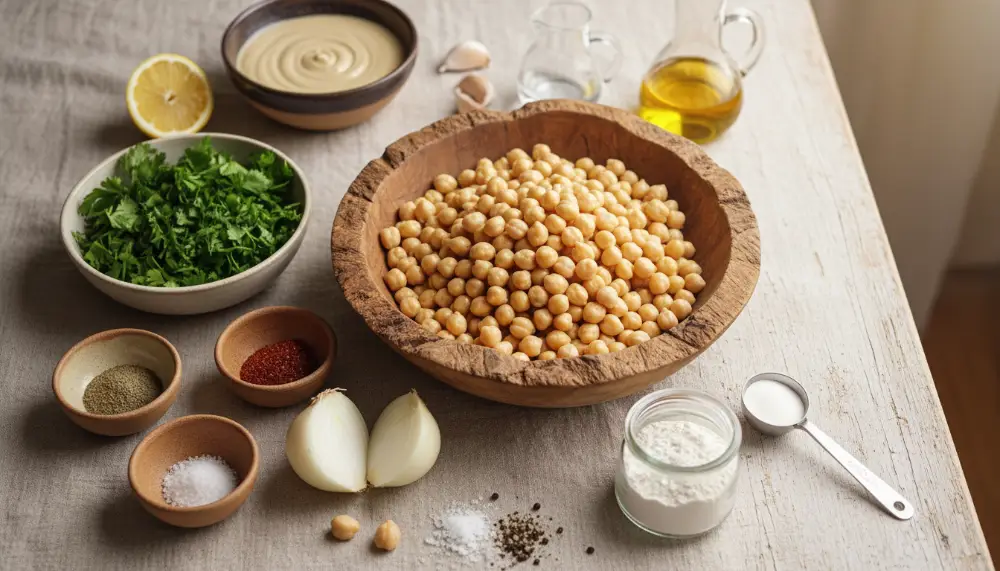
- 1 2 cups dried chickpeas (soaked overnight)
- 2 1 small onion, roughly chopped
- 3 1 cup fresh parsley, stems removed
- 4 1/2 cup fresh cilantro
- 5 4 cloves garlic, minced
- 6 1 tbsp ground cumin
- 7 1 tsp ground coriander
- 8 1 tsp baking powder
- 9 1/2 cup tahini paste
- 10 1/4 cup fresh lemon juice
Instructions
- 1 Soak dried chickpeas for at least 12-24 hours in cold water until doubled in size. Drain thoroughly.
- 2 Add chickpeas, onion, herbs, and spices to a food processor and pulse until a coarse meal forms.
- 3 Chill the mixture for 1 hour, then stir in baking powder and form into balls or patties.
- 4 Fry in hot oil (350°F) for 3-5 minutes until deep golden brown and crispy on the outside.
- 5 Whisk tahini, lemon juice, garlic, and water until smooth to create the creamy dipping sauce.
The Historical Odyssey of Mediterranean Falafel
To understand the Crispy Mediterranean Falafel with Tahini Sauce, one must travel back through the corridors of time. Most food historians agree its roots lie in Egypt. The earliest form of falafel, known as ta’amiya, was traditionally made with ground fava beans. Some theories suggest it was developed as a nutrient-dense meat alternative during various fasting periods, while others trace its ingredients back to Pharaonic times.
As the dish migrated north through the Mediterranean, reaching Palestine, Lebanon, Syria, and Jordan, the fava beans were often replaced or blended with chickpeas, which were more prevalent in those regions. In the mid-20th century, falafel became a global icon. It was adopted as a national staple in several Middle Eastern countries and gained immense popularity in Western cities during the 1970s as a centerpiece of vegetarian cuisine. This evolution from a local staple to a global superstar is a testament to the universal appeal of its crunch and complex spice profile.
The Science of Texture: Why Dried Chickpeas are Non-Negotiable
If you want to achieve the professional standard of Crispy Mediterranean Falafel with Tahini Sauce, you must abandon the canned chickpea. Canned chickpeas contain too much moisture and are already cooked, which results in a mushy, pasty interior that fails to bind properly. For the perfect texture, you need dried chickpeas that have been hydrated, but not cooked. For this task, the Cuisinart 8 Cup Food Processor is essential for fast chopping and slicing during meal prep, ensuring the chickpeas reach the perfect coarse consistency without turning into hummus.
When you pulse these soaked legumes, you create a crumb-like structure. During the frying process, the starch on the surface of these crumbs gelatinizes and dehydrates, creating a structural lattice that we perceive as the “crunch.” Inside, the hydrated chickpea starch cooks gently, staying tender. This contrast is the hallmark of high-authority falafel making.
Nutritional Profile: A Powerhouse of Plant-Based Fuel
A standard serving (approx. 100g or 3-4 large balls) of crispy falafel with a side of tahini sauce provides a balanced macronutrient spread that rivals many meat-based dishes. It is rich in B-vitamins such as Folate and B6, and packed with Vitamin C from fresh parsley and cilantro. Furthermore, it is a significant source of minerals like magnesium, potassium, and phosphorus.
| Nutrient | Per Serving (approx. 100g) | Notes |
|---|---|---|
| Calories | 330 – 410 kcal | Varies based on frying vs. baking. |
| Protein | 15g – 17g | High plant-based protein from legumes. |
| Fiber | 12g – 15g | Roughly 50% of RDA for digestive health. |
| Healthy Fats | 11g – 20g | Primarily from heart-healthy sesame. |
Professional Flavor Variations and Regional Twists
While the classic recipe is a masterpiece of simplicity, modern kitchens have expanded the falafel profile through creative fusion. If you want to elevate your Crispy Mediterranean Falafel with Tahini Sauce, consider these chef-inspired modifications:
1. The Herbalist (Israeli/Parisian Style)
Pioneered by high-end Mediterranean chefs, this version uses a much higher ratio of fresh parsley, cilantro, and mint to chickpeas. This results in a vibrant, bright green interior and an intensely herbaceous aroma that cuts through the richness of the fried exterior.
2. The Stuffed Falafel (Palestinian Style)
Professional variations often feature a hidden center. The most common chef version is stuffed with a mixture of sautéed red onions, sumac, and occasionally a small amount of finely minced beef for a savory, umami-rich core. This adds a surprising textural element and a deep savory note to every bite.
3. Rainbow and Fusion Falafel
Chefs utilize natural vegetable purees to alter color and flavor. Beetroot provides a deep ruby color and an earthy sweetness, while butternut squash and turmeric offer a golden hue and a subtle autumnal warmth. Some adventurous kitchens even use purple potato to create a striking violet center with a creamier texture.
Mastering the Tahini Sauce: The Velvet Touch
No falafel is complete without the sauce. A truly high-quality tahini sauce requires emulsion and aeration. Using the Ninja BN751 Professional Plus DUO Blender is perfect for tahini sauce and harissa paste with its 1000W motor, as it breaks down the sesame solids into a silk-like consistency.
Professional kitchens rarely serve a plain tahini. Common elevated variations include Zhoug-Tahini, a spicy blend featuring green chili and cardamom, or Smoky Maple Tahini, a fusion sauce using maple syrup and smoked paprika for a sweet-savory balance. For a more sophisticated palate, try the Lemon-Garlic Confit Tahini, utilizing slow-roasted garlic oil and fresh lemon juice to create a velvet-smooth dressing.
The Cooking Method: Frying vs. Air Frying
While deep-frying is the traditional method for achieving that signature crunch, health-conscious home cooks can still achieve incredible results with modern technology. The Cosori 9-in-1 TurboBlaze Air Fryer 6 Qt roasts chickpeas and vegetables perfectly with a large family capacity, and it can mimic the frying process by circulating high-heat air around the falafel balls. Just ensure you give them a generous spritz of oil before cooking to facilitate the Maillard reaction.
Culinary Tips for Success
To ensure your Crispy Mediterranean Falafel with Tahini Sauce is the best it can be, keep these three professional tips in mind. First, always rest your mixture. Allowing the processed chickpea mix to sit in the refrigerator for at least an hour helps the starches bond, preventing the balls from falling apart in the oil. Second, use baking powder. A small amount of leavening agent creates a lighter, airier interior that isn’t overly dense. Third, keep your oil temperature consistent. If the oil is too cold, the falafel will absorb too much fat and become greasy; if it’s too hot, the outside will burn before the inside is cooked through.