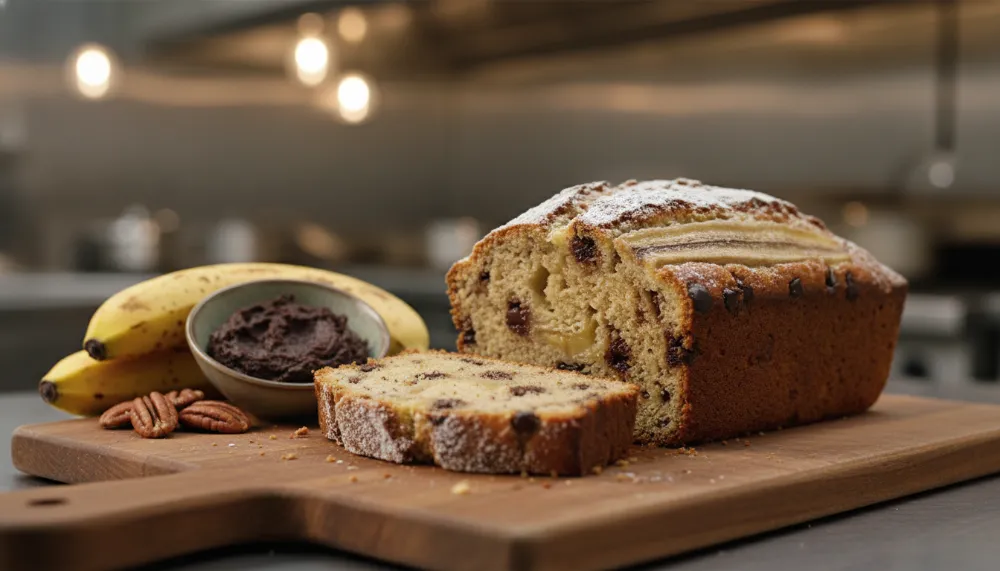

Transforming your sourdough starter waste into a moist, tangy, and deeply flavorful masterpiece is the ultimate kitchen victory for any home baker. This sourdough discard banana bread combines the ancient heritage of fermentation with the comforting nostalgia of a classic American quick bread.
The Ultimate Sourdough Discard Banana Bread
Ingredients
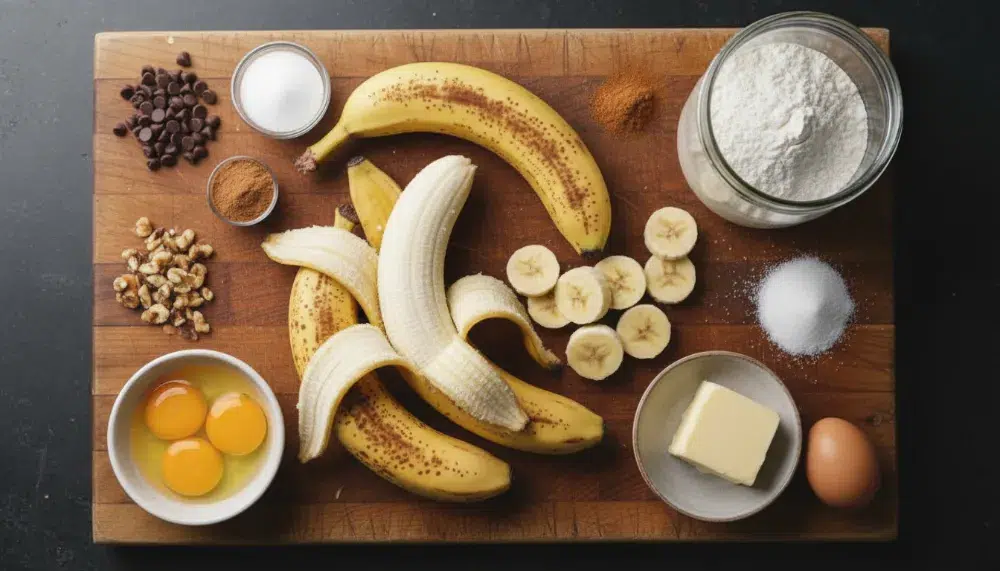
- 1 Cup Sourdough Discard (unfed)
- 3 Large Overripe Bananas (mashed)
- 1/2 Cup Melted Butter
- 1 Cup Brown Sugar
- 1 Large Egg
- 1 Tsp Alcohol-Free Vanilla Paste
- 1 Tsp Baking Soda
- 1/2 Tsp Sea Salt
- 1.5 Cups All-Purpose Flour
Instructions
- 1 Preheat oven to 350°F (175°C) and grease a standard loaf pan.
- 2 In a large bowl, mash overripe bananas until smooth.
- 3 Whisk in melted butter, brown sugar, egg, vanilla paste, and sourdough discard.
- 4 Gently fold in the flour, baking soda, and salt until just combined.
- 5 Pour into pan and bake for 55-65 minutes until a toothpick comes out clean.
The Intersection of History and Fermentation
Sourdough discard banana bread represents a unique intersection of ancient fermentation traditions and modern culinary resourcefulness. By utilizing the “discard”, the portion of sourdough starter typically removed during the feeding process, bakers create a loaf that is more complex and moist than traditional quick breads. The history of this dish is a convergence of two distinct culinary eras. While sourdough techniques date back to Ancient Egypt (circa 1500 BC), banana bread as we know it emerged during the Great Depression in the 1930s. During this era, American households faced extreme scarcity, leading to the recycling of overripe bananas that would otherwise be wasted. The 1930s also saw the widespread commercialization of baking powder and baking soda, which allowed home cooks to create quick breads without the long wait times required for traditional yeast. The modern sourdough boom, specifically the trend of using sourdough discard in banana bread, gained global prominence during the 2020 pandemic. A shortage of commercial yeast and a surge in home sourdough baking led to an excess of discard. To minimize waste, bakers began incorporating this fermented flour and water mixture into existing recipes, discovering that the lactic acid produced by the starter reacted with baking soda to create an exceptionally tender crumb.
Why Sourdough Discard Changes the Game
The addition of sourdough discard to a standard banana bread recipe is not just about waste reduction, it is about chemical transformation. In a traditional quick bread, you rely solely on baking soda or powder for lift. In sourdough discard banana bread, the acidity of the starter provides a more vigorous reaction with the baking soda. This results in a higher rise and a structure that is simultaneously airy and moist. Furthermore, the long-fermented nature of the discard adds a subtle tang that balances the intense sweetness of the overripe bananas. This depth of flavor is something you simply cannot achieve with a standard flour-only recipe. To ensure your ingredients are mixed to perfection, the Ninja BN751 Professional Plus DUO Blender is an incredible tool for pureeing your bananas into a silky smooth base, its 1000W motor ensures no lumps are left behind.
Nutritional Advantages of Fermented Quick Breads
Sourdough discard banana bread offers several nutritional advantages over standard versions due to the fermentation process. One of the primary benefits is improved digestibility. The lactic acid bacteria in the sourdough starter help break down gluten and phytic acid. This pre-digestion can make the bread easier on the digestive system, even for those who usually experience mild sensitivity to grains. Additionally, fermentation increases the bioavailability of minerals. Fermentation neutralizes phytates, which are known anti-nutrients. This increases the body’s ability to absorb essential minerals found in the grain and bananas, such as magnesium, zinc, and iron. Finally, sourdough fermentation can lower the overall glycemic index of the bread, leading to a slower rise in blood sugar compared to breads made with commercial yeast or those with no fermentation at all. A typical 100g serving contains approximately 240 to 270 calories, 40 to 45 grams of carbohydrates, and 4 to 5 grams of protein.
Professional Flavor Variations
Professional pastry chefs often move beyond standard walnuts and chocolate chips to create elevated flavor profiles for their sourdough discard banana bread. By using the right techniques and alcohol-free flavorings, you can elevate your loaf to bakery status. For those looking for a faster way to bake smaller portions or individual snack loaves, the Cosori 9-in-1 TurboBlaze Air Fryer 6 Qt is a perfect choice, as it roasts the natural sugars in the banana quickly and handles small batch baking with incredible precision.
1. Brown Butter and Tahini
Instead of standard fats, chefs often use beurre noisette, butter simmered until it reaches a nutty, toasted aroma. Swirling in tahini (sesame paste) provides an earthy, savory contrast to the sweetness of the bananas, resulting in a sophisticated, less-sugary profile. You can easily blend your tahini and banana mixture using the Cuisinart 8 Cup Food Processor, which is a meal prep essential for any serious baker.
2. Mediterranean Olive Oil and Citrus
Replacing butter with a robust extra-virgin olive oil creates a silky, moist texture. Professionals often add lemon or orange zest and a splash of fresh orange juice to brighten the deep, fermented notes of the sourdough. Since we are avoiding alcohol-based extracts, the citrus juice provides the necessary acidity and aroma to make the bread pop.
3. Miso and Maple Umami
A contemporary trend in high-end bakeries involves adding a small amount of white miso paste. The saltiness of the miso enhances the caramelization of the maple syrup, used as a primary sweetener, creating a complex salted caramel flavor without using refined sugars. This umami-rich sourdough discard banana bread is often the favorite of those who prefer savory-sweet desserts.
The Secret to the Perfect Mash
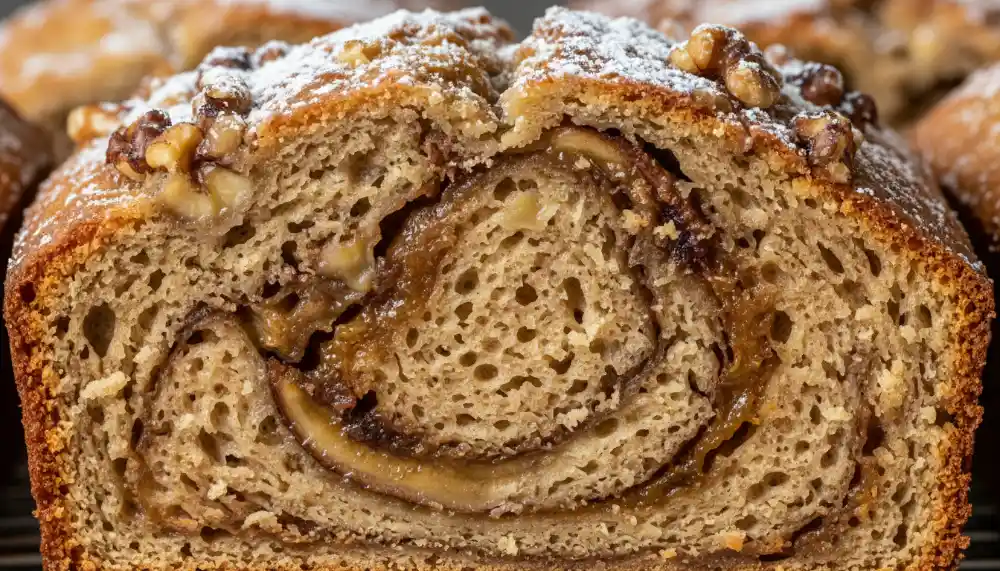
The texture of your sourdough discard banana bread depends heavily on how you handle the bananas. For a rustic, chunky loaf, a simple fork mash works well. However, for a professional, uniform crumb, many bakers prefer a completely smooth puree. Using a high-quality food processor like the Cuisinart 8 Cup Food Processor allows you to emulsify the bananas with the liquid ingredients, ensuring that every bite has the same density and moisture level. This tool is also vital for chopping nuts or making your own nut butters to swirl into the batter.
Essential Tools for Baking Success
To achieve consistent results with your sourdough discard banana bread, you need the right equipment. Beyond the mixer, how you store your ingredients and your finished product matters. We recommend the Rubbermaid Brilliance Glass Storage Set for keeping your sourdough discard in the fridge. These are leak-proof and stackable, making them perfect for meal prep storage. If you find yourself making multiple loaves at once, the FoodSaver Vacuum Sealer Machine is an absolute must. It keeps your ingredients fresh longer and prevents freezer burn if you decide to freeze half a loaf for later. Using a vacuum sealer can extend the life of your baked goods by months, preserving that just-baked flavor.
Troubleshooting Your Loaf
Baking with sourdough discard can occasionally be unpredictable. If your sourdough discard banana bread is too dense, it may be because your discard was too cold or too acidic, which can sometimes weaken the structural integrity of the flour. Always try to bring your discard to room temperature before mixing. If the bread is sinking in the middle, you may have over-mixed the batter once the flour was added. In quick breads, over-mixing develops gluten, which can lead to a tough and sunken loaf. Always fold in your dry ingredients by hand until just combined. If the bread is browning too quickly on top but remains raw in the middle, tent it with aluminum foil and lower the oven temperature by 25 degrees for the remainder of the bake.
Final Thoughts on Sourdough Discard Banana Bread
Mastering this recipe is a journey into the heart of sustainable, high-quality home baking. By understanding the science of fermentation and the history of resourcefulness, you turn a simple snack into a nutrient-dense, flavorful staple. Whether you are using the Ninja Blender for the perfect puree or the FoodSaver to preserve your hard work, every step in the process contributes to the ultimate goal, a perfect slice of sourdough discard banana bread.