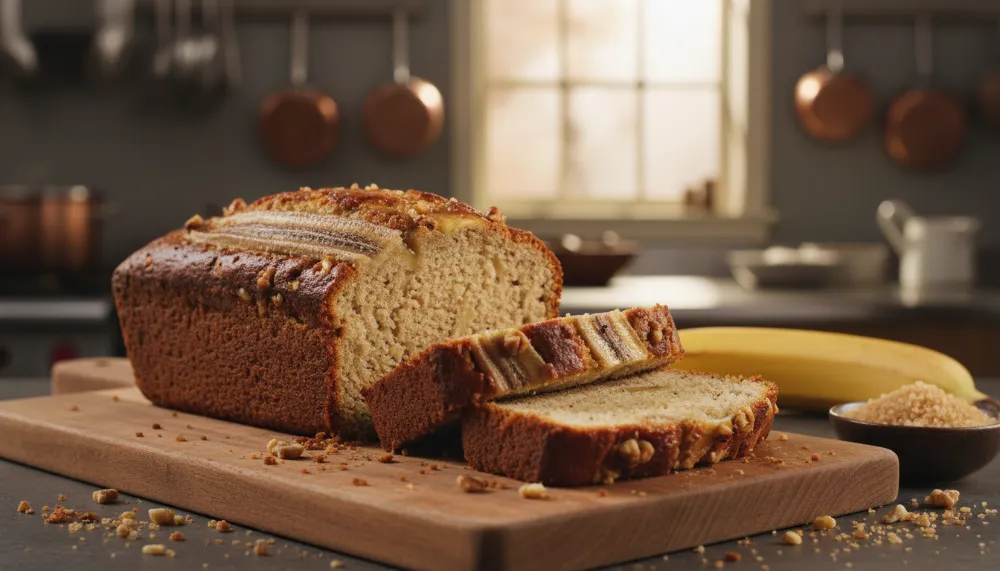

This Classic Moist Banana Bread is the definitive gold standard for home bakers, offering a velvety crumb and an intense fruit sweetness that improves with every passing day. It is the ultimate solution for those overripe bananas sitting on your counter, transforming humble ingredients into a gourmet breakfast staple.
Classic Moist Banana Bread
Ingredients
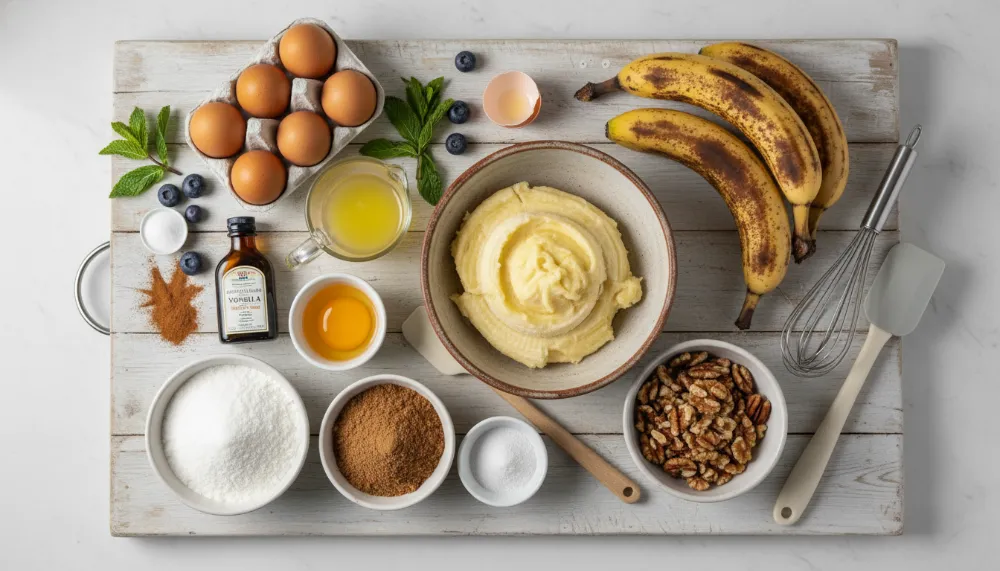
- 3 Large, overripe bananas (heavily spotted)
- 1/2 Cup unsalted butter, melted and slightly cooled
- 3/4 Cup granulated white sugar
- 1 Large egg, room temperature
- 1 Teaspoon pure vanilla extract
- 1 Teaspoon baking soda
- 1/4 Teaspoon fine sea salt
- 1 1/2 Cups all-purpose flour
Instructions
- 1 Preheat your oven to 350°F (175°C) and grease a 4×8-inch loaf pan with butter or non-stick spray.
- 2 In a large mixing bowl, mash the overripe bananas with a fork until they are mostly smooth with only tiny chunks remaining.
- 3 Stir the melted butter into the mashed bananas until fully combined.
- 4 Mix in the granulated sugar, beaten egg, and vanilla extract.
- 5 Sprinkle the baking soda and salt over the mixture and stir.
- 6 Gently fold in the flour until just incorporated, do not overmix or the bread will be tough.
- 7 Pour the batter into the prepared loaf pan and bake for 50 to 60 minutes, or until a tester inserted into the center comes out clean.
- 8 Cool in the pan for 10 minutes, then transfer to a wire rack to cool completely before slicing.
The Fascinating History of Classic Moist Banana Bread
Banana bread occupies a unique space in the culinary timeline, acting as a bridge between the frugality of the early 20th century and the convenience of modern baking. Unlike traditional breads that rely on the slow fermentation of yeast, Classic Moist Banana Bread is a “quick bread,” utilizing chemical leavening agents like baking soda to achieve its rise. The popularity of this recipe surged during the Great Depression, a time when American households could not afford to waste even a single piece of fruit. Overripe bananas, which were once considered spoiled, became the star ingredient in a batter that required minimal expensive fats and sugars.
As the 1930s progressed, the mass production of baking powder and soda made home baking more accessible than ever before. Food historians often point to the year 1933 as a turning point, when Pillsbury released a recipe that standardized the loaf we recognize today. The introduction of refrigeration and faster shipping routes also meant that bananas became a year-round staple rather than a luxury, cementing the Classic Moist Banana Bread as a recurring feature on the home baker’s rotation. It represents a triumph of ingenuity, proving that even the most bruised fruit can be transformed into something magnificent.
The Science of Moisture: Why This Recipe Works
Achieving a Classic Moist Banana Bread is not a matter of luck, it is a matter of chemistry. The primary source of moisture in this recipe comes from the bananas themselves. As bananas ripen, their starches convert into simple sugars, and their cellular structure begins to break down, releasing more water content. This is why using “spotted” or even completely black bananas is non-negotiable. These fruits provide a higher concentration of fructose and a softer texture that integrates seamlessly into the batter.
The choice of fat also plays a critical role. While some bakers prefer oil for a lighter crumb, this recipe utilizes melted butter to provide a rich, dairy-forward flavor profile and a dense, cake-like texture. When butter is creamed or melted and combined with sugar, it creates a structure that traps air, but when combined with the heavy weight of mashed fruit, it results in that sought-after “moist” mouthfeel. Furthermore, the inclusion of a single egg provides the necessary protein structure to hold the loaf together, preventing it from crumbling while maintaining its tenderness.
Essential Tools for Baking Success
To achieve professional results, using the right equipment is just as important as the ingredients themselves. Here are our top recommendations for making the perfect Classic Moist Banana Bread:
- Ninja BN751 Professional Plus DUO Blender: https://amzn.to/3LCDyNR (Why Perfect: The 1000W motor is perfect for pureeing bananas if you prefer a smooth, chunk-free texture for your bread batter).
- Cosori 9-in-1 TurboBlaze Air Fryer 6 Qt: https://amzn.to/4hRWmVq (Why Perfect: If you are making smaller mini-loaves, the TurboBlaze offers a controlled convection environment that roasts the exterior while keeping the center incredibly moist).
- Cuisinart 8 Cup Food Processor: https://amzn.to/47Nhbg8 (Why Perfect: A meal prep essential that can quickly pulse dry ingredients and bananas without overworking the gluten).
- Rubbermaid Brilliance Glass Storage Set of 9: https://amzn.to/4oD0YkY (Why Perfect: Once your bread is baked, these leak-proof glass containers are perfect for keeping slices fresh for days).
- FoodSaver Vacuum Sealer Machine: https://amzn.to/4qWgVnS (Why Perfect: If you have a surplus of overripe bananas, peel and vacuum seal them before freezing to prevent freezer burn and preserve their sweetness).
Professional Variations: Elevating Your Loaf
Once you have mastered the Classic Moist Banana Bread, you can begin to experiment with sophisticated flavor profiles that adhere to high culinary standards. In professional kitchens, chefs often look for ways to balance the intense sweetness of the banana with salty, smoky, or acidic elements.
One highly recommended variation is the Smoky Maple Beef Bacon and Pecan Loaf. By substituting traditional breakfast meats with finely chopped, crisped beef bacon, you introduce a savory depth that contrasts beautifully with the sugar in the bananas. Simply candy the beef bacon in a bit of maple syrup and black pepper before folding it into the batter along with toasted pecans. This creates a complex, multi-dimensional flavor that is perfect for a weekend brunch.
Another gourmet twist involves Espresso and Dark Chocolate. Adding two tablespoons of strong-brewed coffee (a perfect substitute for coffee-based spirits) to the wet ingredients enhances the cocoa notes of dark chocolate chunks. The acidity in the coffee acts as a flavor enhancer for the banana, making the fruit taste even more pronounced. For a brighter profile, consider adding lemon zest and a handful of fresh blueberries, using lemon juice as a replacement for any alcohol-based extracts to provide a sharp, clean finish.
The Importance of Flour and Gluten Control
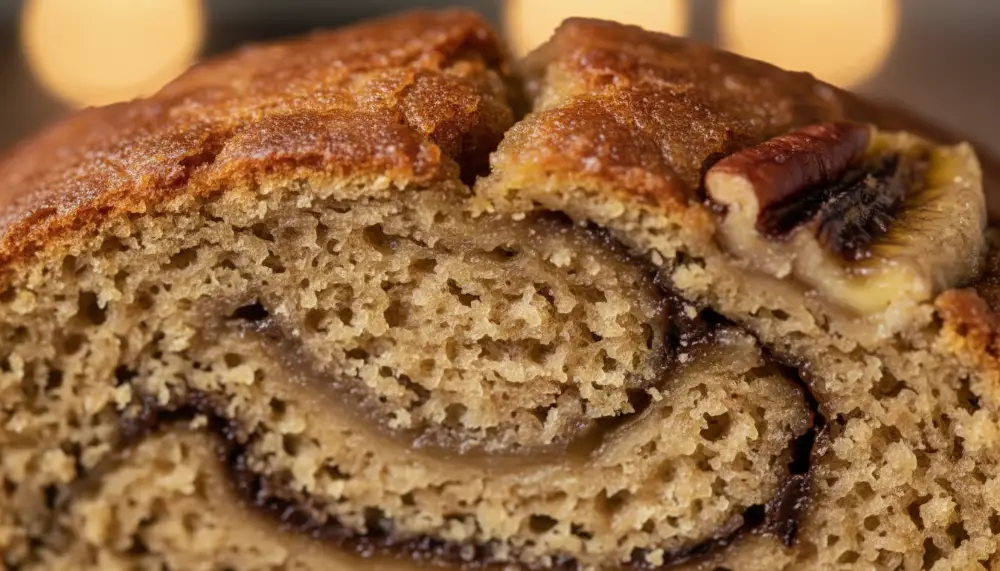
The texture of Classic Moist Banana Bread is heavily dependent on how you handle the flour. This recipe uses all-purpose flour because it has a medium protein content, which provides enough structure to support the heavy bananas without making the bread tough. However, the biggest mistake home bakers make is over-mixing. When flour meets moisture, gluten begins to develop. In a quick bread, too much gluten leads to a rubbery, dense loaf with “tunnels” (large holes) throughout the crumb.
Professional bakers use the “folding” method, using a spatula to gently turn the dry ingredients into the wet ones until just a few streaks of flour remain. This ensures the bread stays tender and light. If you find your bread is consistently too dry, check your flour measuring technique. Instead of scooping the flour directly with the measuring cup, which packs it down, use a spoon to fluff the flour into the cup and then level it off with a knife. This “spoon and level” method ensures you aren’t adding too much flour, which is a common culprit for dry banana bread.
Storage, Freezing, and Longevity
Classic Moist Banana Bread is one of the few baked goods that actually tastes better on the second day. As the bread sits, the moisture from the bananas continues to distribute through the crumb, and the flavors of the vanilla and sugar deepen. To store your bread, ensure it is completely cool before wrapping it tightly in plastic wrap or placing it in a Rubbermaid Brilliance glass container. It will stay fresh at room temperature for up to three days or in the refrigerator for up to a week.
If you want to preserve your hard work for longer, banana bread freezes exceptionally well. You can freeze the entire loaf or individual slices for a quick grab-and-go breakfast. To prevent ice crystals, use a FoodSaver Vacuum Sealer to remove all air from the packaging. When you are ready to eat, simply thaw at room temperature or toast a slice directly from the freezer for a crispy, warm treat. Top it with a bit of honey or a smear of almond butter for an elevated experience.
Common Troubleshooting Questions
Why did my banana bread sink in the middle? This is usually caused by under-baking or using too much leavening agent. Ensure your oven is calibrated and that you are using a toothpick to check the very center of the loaf. If the toothpick has wet batter, it needs more time. Also, check the expiration date on your baking soda, as old leavening can fail to hold the structure up.
Why is the outside burnt but the inside raw? Banana bread has a high sugar content, which causes it to brown quickly. If your loaf is getting too dark before the center is done, loosely tent the top with aluminum foil for the last 15-20 minutes of baking. This allows the heat to continue cooking the center without further browning the crust.