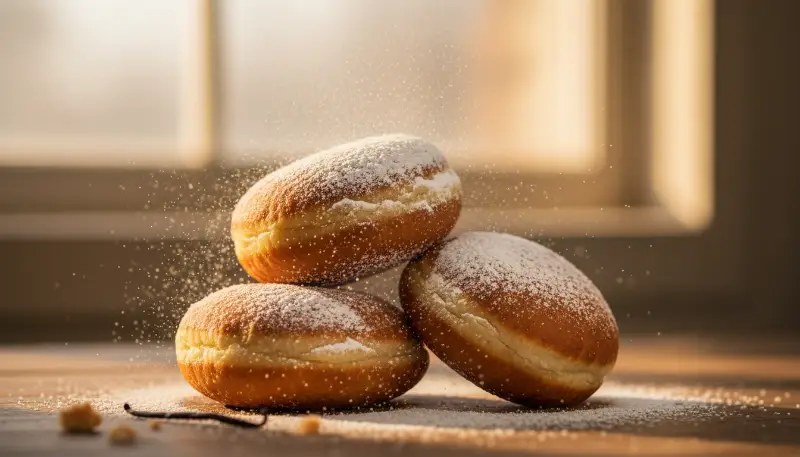

Your Guide to Perfect Vanilla French Beignets
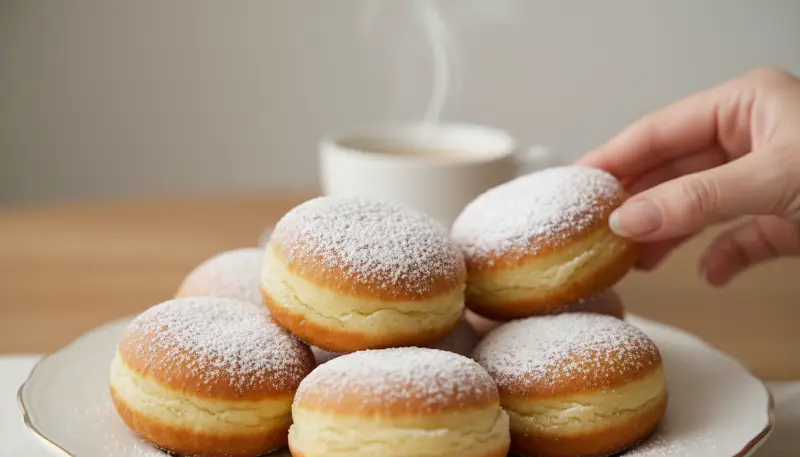
Learn to make amazing vanilla French beignets for breakfast with this comprehensive guide, designed for home bakers and enthusiasts alike. This easy beignets recipe will transport your taste buds straight to the cafes of New Orleans or the streets of France. We’ve meticulously compiled best practices and expert tips to help you master these delightful vanilla treats, ensuring light, airy, and perfectly golden-brown puffs every time. Whether you’re making a special dessert with yeast or a luxurious breakfast, our step-by-step instructions make how to make French pastries accessible for everyone. Say goodbye to dense, greasy results and hello to fluffy, sugary bliss. This post addresses common questions, making it your go-to resource for authentic French desserts and perfecting your French beignets recipe.
Introduction: A Taste of New Orleans and Paris in Your Kitchen
Imagine waking up to the irresistible aroma of freshly fried dough, generously dusted with powdered sugar, and infused with the warm, inviting essence of pure vanilla. That’s the magic of vanilla French beignets – a beloved pastry that has charmed palates from the bustling streets of New Orleans to the quaint Parisian cafes. While their roots are deeply embedded in French tradition, their iconic square shape and lavish dusting of confectioners’ sugar have made them an undisputed breakfast staple, especially in Creole cuisine.
Forget the myth that authentic French desserts are overly complicated. Our mission today is to show you how to make amazing vanilla French beignets for breakfast that are unbelievably light, airy, and bursting with exquisite vanilla flavor. This isn’t just a recipe; it’s an invitation to transform your morning into a sweet escape, bringing the joy of these heavenly treats right to your kitchen. Get ready to impress your family and friends with a pastry that’s easier to master than you might think, promising a truly memorable breakfast experience.
Essential Tools for Beignet Bliss
While the essence of a great beignet comes from fresh ingredients and a little love, having the right kitchen tools can significantly enhance your baking and frying experience. These recommendations are designed to make your culinary journey smoother and more enjoyable, whether you’re making beignets or other delicious creations:
- Stand Mixer: A stand mixer with paddle and dough hook attachments is highly recommended for effortless dough mixing and kneading, saving you time and effort.
- Deep Pot or Deep Fryer: Essential for achieving perfectly puffed, golden-brown beignets. A sturdy pot or a dedicated fryer ensures even heat distribution.
- Candy/Deep-Fry Thermometer: Crucial for maintaining the precise oil temperature, which is key to preventing greasy or burnt beignets.
- Rolling Pin & Sharp Knife/Pizza Cutter: For shaping your dough into uniform squares or rectangles.
- Slotted Spoon or Frying Spider: For safely transferring beignets in and out of hot oil.
- Fine-Mesh Sifter: For that perfect, cloud-like dusting of powdered sugar.
- For General Kitchen Efficiency: Consider a powerful blender like the Ninja BN751 Professional Plus DUO Blender, invaluable for many kitchen tasks beyond beignets, such as making smooth sauces or purees with its 1000W motor. For other meal prep needs, a Cuisinart 8 Cup Food Processor is a fantastic tool for fast chopping and slicing.
- Smart Storage: To keep your ingredients fresh or store any leftover dough, we recommend the Rubbermaid Brilliance Glass Storage Set of 9, perfect for meal prep storage, as they are leak-proof and stackable. And for maximizing the freshness of bulk ingredients, a FoodSaver Vacuum Sealer Machine keeps items fresh longer and prevents freezer burn.
- Versatile Cooking: While these beignets are deep-fried, a versatile appliance like the Cosori 9-in-1 TurboBlaze Air Fryer 6 Qt is excellent for roasting chickpeas and vegetables, offering a healthier cooking option for other meals.
Ingredients
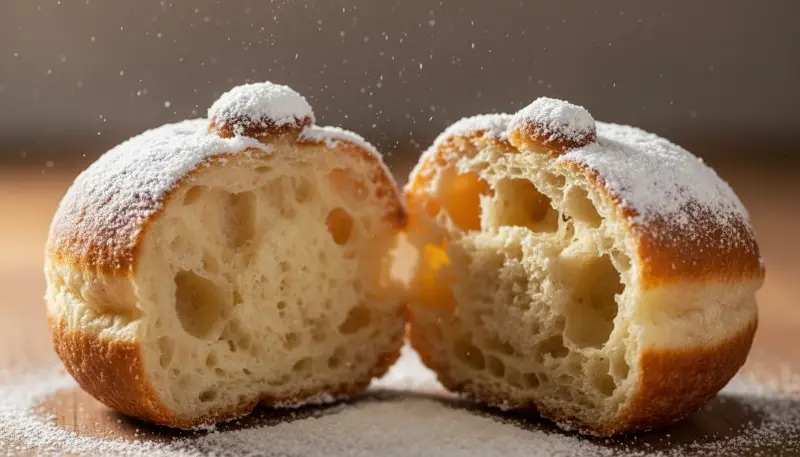
For the Dough:
- Flour: 3 ½ to 7 cups All-Purpose Flour (some recipes suggest bread flour for a chewier texture)
- Yeast: 2 ¼ teaspoons Active Dry Yeast (one standard packet)
- Warm Water (for yeast): ¼ to ¾ cup (between 105-115°F / 40-46°C)
- Granulated Sugar (for dough): ¼ to ⅔ cup
- Eggs: 1 to 2 large eggs (at room temperature recommended)
- Milk: ½ to 1 cup Whole Milk (or 1 cup evaporated milk for chewiness, or 1 cup half-and-half for richness)
- Unsalted Butter: 3 to 5 tablespoons, melted and slightly cooled
- Vanilla Extract: 1 to 2 ½ teaspoons Pure Vanilla Extract (for authentic vanilla treats)
- Salt: ½ to 1 ½ teaspoons
- Optional: ⅓ cup Sour Cream, ½ teaspoon Ground Cardamom
For Frying and Dusting:
- Frying Oil: 4 cups (or enough to fill deep fryer/pot with 2-4 inches) of neutral-flavored oil such as Peanut Oil, Vegetable Oil, or Canola Oil.
- Powdered Sugar (Confectioners’ Sugar): 2 cups (for generous dusting)
Instructions
Follow these detailed steps to create light, fluffy, and flavorful vanilla French beignets that will be the star of your breakfast table.
- Activate the Yeast: In a small bowl, combine the warm water (105-115°F / 40-46°C) with a pinch of granulated sugar and the active dry yeast. Stir gently and let it sit for 5-10 minutes until it becomes foamy and bubbly, indicating the yeast is active. If it doesn’t foam, discard and start with new yeast. Mastering yeast activation is crucial for light pastries; you can find more tips on baking with yeast dough throughout our site.
- Prepare Wet Ingredients: In a large mixing bowl (or the bowl of a stand mixer), whisk together the remaining granulated sugar, eggs, milk (or evaporated milk/half-and-half), melted butter (ensuring it’s slightly cooled), vanilla extract, and salt until well combined. If using sour cream or cardamom, add them here.
- Combine Wet and Dry Ingredients: Gradually add the flour to the wet mixture, mixing on low speed with a stand mixer (using the paddle attachment initially, then switching to the dough hook) or stirring by hand with a sturdy spoon. Mix until a soft, slightly sticky dough forms. Avoid overmixing, as this can lead to tough beignets. This is a key step for any beneights recipe easy to follow.
- Knead the Dough: If using a stand mixer, switch to the dough hook and knead on medium speed for 5-10 minutes until the dough is smooth and elastic. If kneading by hand, transfer the dough to a lightly floured surface and knead for about 8-10 minutes, adding just enough extra flour to prevent sticking.
- First Rise: Lightly grease a large bowl and place the dough in it, turning once to coat. Cover the bowl tightly with plastic wrap or a damp cloth and let it rise in a warm, draft-free place for 1 to 2 hours, or until doubled in size. For a deeper flavor, the dough can be refrigerated for 2-24 hours for a slow rise; if doing so, let it come to room temperature for about 30 minutes before rolling.
- Shape the Beignets: Once risen, gently punch down the dough. On a lightly floured surface, roll the dough out into a rectangle about ¼ to ½ inch thick. Using a sharp knife or pizza cutter, cut the dough into 2 to 2 ½ inch squares or rectangles. Cover the cut squares lightly with a flour-dusted tea towel and let them rest for 15-30 minutes for a second short rise, especially if the dough was refrigerated. Do not re-knead and re-roll scraps, as this can make beignets tough; fry them as is.
- Heat the Oil: Pour 2-4 inches of frying oil into a deep pot or deep fryer. Heat the oil to a consistent temperature between 350-375°F (175-190°C), using a candy or deep-fry thermometer for accuracy. Maintaining consistent oil temperature is crucial; too hot will burn them, too cool will make them greasy. To further enhance your deep-frying skills and ensure crispy results every time, explore our guides on perfecting frying techniques.
- Fry the Beignets: Carefully lower a few dough squares into the hot oil in batches, ensuring not to overcrowd the pot. Fry for 1-2 minutes per side, or until they puff up and are golden brown.
- Drain and Dust: Using a slotted spoon or frying spider, transfer the fried beignets to a paper towel-lined baking sheet or a wire rack to drain excess oil. While still warm (but not dripping in oil), generously dust the beignets with sifted powdered sugar. For an easy dusting, place a few beignets at a time in a paper bag with powdered sugar and shake. This is the hallmark of classic beignet recipes.
- Serve Immediately: Beignets are best enjoyed hot and fresh. Enjoy these delightful vanilla treats!
Frequently Asked Questions About French Beignets
1. What is the difference between French beignets and New Orleans beignets?
French beignets are traditionally round and often filled with pastry cream, fruit preserves, or chocolate, served as a dessert. New Orleans beignets are typically square, unfilled, and served plain with a heavy dusting of powdered sugar, often for breakfast or a snack. New Orleans beignets tend to be puffier and slightly denser, sometimes using bread flour and higher yeast content.
2. What is the difference between a beignet and a doughnut?
Beignets are a French type of doughnut made from a yeast-leavened dough that is typically lighter and airier than many cake doughnuts. They are traditionally square or rectangular and dusted with powdered sugar, whereas doughnuts can be various shapes, often have a hole, and come with a wider variety of glazes or fillings.
3. Are beignets Creole or French?
Beignets are originally French, brought to Louisiana by French colonists. They were then adapted into the New Orleans style through Creole influences, becoming a staple of Creole cuisine.
4. How do you ensure beignets are light and fluffy (not dense or greasy)?
- Ensure yeast is active and properly proofed.
- Do not overmix the dough.
- Allow the dough to rise adequately.
- Maintain consistent oil temperature (350-375°F / 175-190°C); too cool leads to greasiness, too hot can burn the outside while leaving the inside raw.
- Do not overcrowd the pot when frying, as this drops the oil temperature.
- Roll the dough to an even thickness.
5. Can you make beignet dough ahead of time?
Yes, many recipes allow the dough to be made ahead and refrigerated for at least 2 hours or up to 24-72 hours. If refrigerated, let the dough come to room temperature for about 30 minutes before rolling and frying.
6. What is the best oil for frying beignets?
Neutral-flavored oils with a high smoke point are recommended, such as vegetable oil, canola oil, grapeseed oil, or peanut oil. Cafe Du Monde traditionally uses cottonseed oil.
7. Why are my beignets hollow?
Hollow beignets can result from frying at too low a temperature, which allows the dough to expand more over a longer cooking time, creating a larger air pocket. Rolling the dough too thin can also contribute to them puffing up flat. Frying at a medium-high temperature allows the outside and a bit of the center to expand, making them less hollow and more pillowy.
8. Why didn’t my beignets puff up?
This could be due to inactive yeast, oil temperature being too low, or rolling the dough too thin. Overmixing the dough can also lead to tough, flat beignets.
9. What is the correct oil temperature for frying beignets?
The ideal oil temperature is generally between 350°F and 375°F (175°C to 190°C). A deep-fry thermometer is essential for accuracy.
10. How do you reheat beignets?
Beignets are best eaten fresh and hot. If reheating, a quick 10-15 seconds in the microwave or 3-5 minutes at 350°F (175°C) in the oven can warm them up, but they may lose some of their original texture.
Disclaimer: This blog post contains affiliate links. As an Amazon Associate, we earn from qualifying purchases. This means that if you click on a product link and make a purchase, we may receive a small commission at no extra cost to you. All recommendations are based on our honest opinion and research.