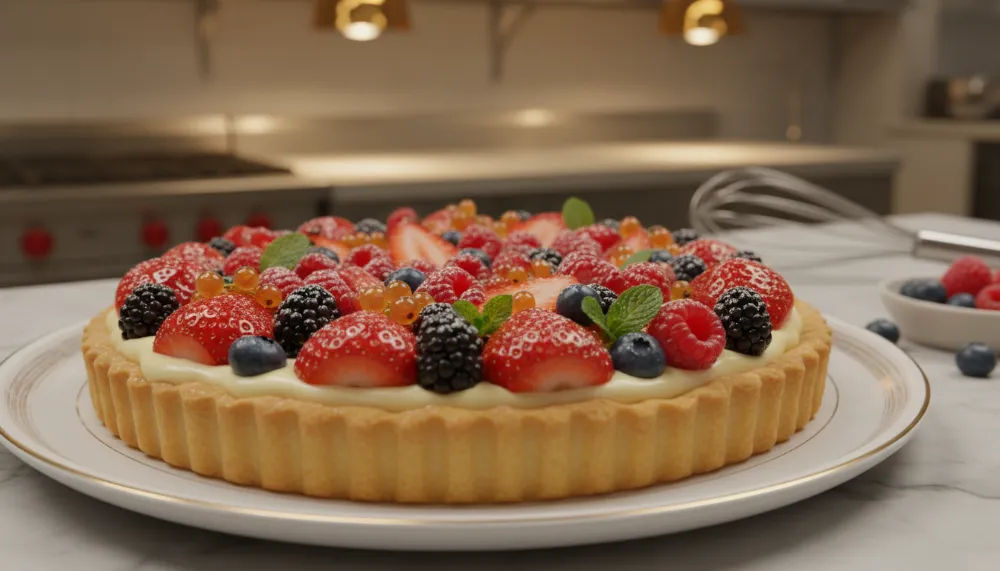

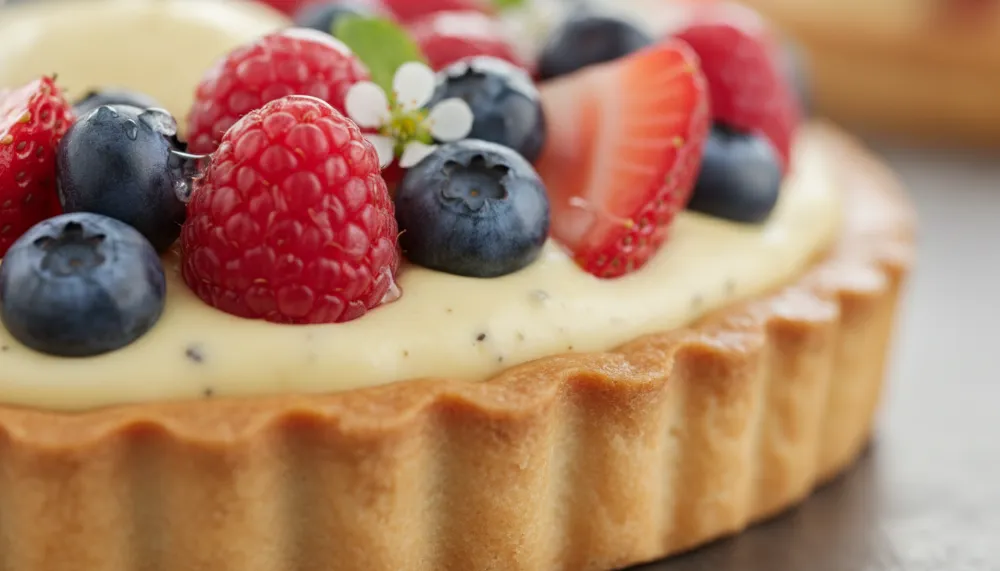
Experience the epitome of seasonal elegance with this vibrant Spring Fruit Tart With Pastry Cream and Fresh Berries, a masterpiece of buttery crust and silky vanilla custard. This dessert transforms simple garden harvests into a professional-grade patisserie centerpiece that tastes as incredible as it looks.
Spring Fruit Tart With Pastry Cream and Fresh Berries
Ingredients
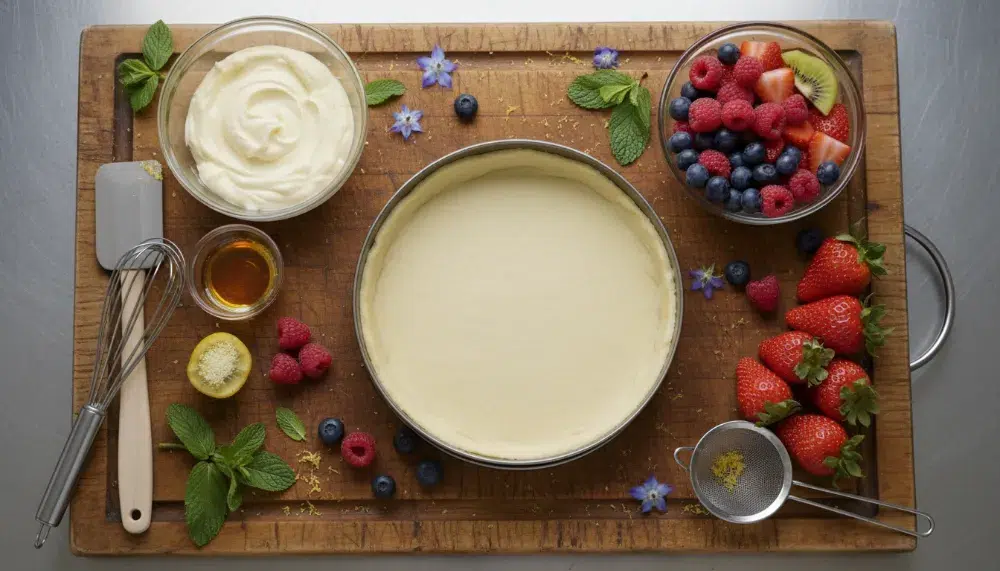
- For the Crust: 1.5 Cups All-Purpose Flour, 1/2 Cup Cold Unsalted Butter (cubed), 1/4 Cup Granulated Sugar, 1 Egg Yolk, 1/4 tsp Salt.
- For the Pastry Cream: 2 Cups Whole Milk, 1/2 Cup Granulated Sugar, 4 Large Egg Yolks, 1/4 Cup Cornstarch, 1 tbsp Vanilla Bean Paste, 2 tbsp Butter.
- For the Topping: 2 Cups Fresh Strawberries (sliced), 1 Cup Fresh Raspberries, 1/2 Cup Blueberries, 1/4 Cup Honey, 1 tbsp Lemon Juice.
Instructions
- Prep Crust: Pulse flour, sugar, and salt in a food processor. Add cold butter until crumbly. Add egg yolk and pulse until dough forms. Press into a 9-inch tart pan and chill for 30 minutes.
- Bake: Prick the bottom with a fork. Bake at 375°F (190°C) for 18 to 22 minutes until golden brown. Cool completely.
- Make Cream: Heat milk and half the sugar in a pan until simmering. Whisk egg yolks, remaining sugar, and cornstarch in a bowl. Slowly temper the hot milk into the eggs, then return to heat. Whisk constantly until thickened. Stir in vanilla and butter.
- Chill: Place plastic wrap directly on the cream and refrigerate for 2 hours.
- Assemble: Spread chilled pastry cream into the crust. Arrange berries in concentric circles.
- Glaze: Mix honey and lemon juice, then brush gently over the fruit for shine. Serve immediately.
The Historical Legacy of the Spring Fruit Tart With Pastry Cream and Fresh Berries
The lineage of the classic Spring Fruit Tart With Pastry Cream and Fresh Berries, known in French as Tarte aux Fruits, is a fascinating journey through the evolution of European culinary arts. While the concept of tarts dates back to Medieval Europe, these early versions were far more rustic and utilitarian than the refined pastries we enjoy today. In the Middle Ages, tarts were often open-faced pies used primarily as vessels to preserve seasonal harvests. However, it was during the 17th century in France that the modern Spring Fruit Tart With Pastry Cream and Fresh Berries began to take shape. This era saw the development of pâte sablée, or sandy pastry, and pâte sucrée, sweet pastry. These delicate crusts moved the tart from a humble household staple to a sophisticated delicacy favored by the French nobility. The move toward a more refined base allowed chefs to experiment with textures, leading to the crumbly, melt-in-your-mouth experience that defines a high-quality Spring Fruit Tart With Pastry Cream and Fresh Berries today.
As we moved into the 18th and 19th centuries, the filling evolved. Crème Pâtissière, or pastry cream, became the gold standard for filling these shells. The introduction of vanilla from the Americas was a pivotal moment, as it allowed the custard to have a depth of flavor that perfectly complemented the natural acidity of fresh berries. During the 19th century, the cultivation of the modern strawberry, Fragaria x ananassa, allowed for the large, uniform fruit arrangements that became a hallmark of Parisian pâtisseries. This historical intersection of advanced horticulture and refined pastry techniques solidified the Spring Fruit Tart With Pastry Cream and Fresh Berries as a symbol of culinary excellence and springtime celebration. Today, it remains a cornerstone of classical pastry education, requiring a balance of precision, timing, and an artistic eye for arrangement.
Mastering the Components: The Perfect Crust and Cream
Creating a world-class Spring Fruit Tart With Pastry Cream and Fresh Berries requires a deep understanding of the chemistry behind the ingredients. To achieve the perfect crust, you must focus on fat management. Using the Cuisinart 8 Cup Food Processor is highly recommended because it allows you to pulse the cold butter into the flour quickly, preventing the heat from your hands from melting the fat. This ensures a short, crumbly texture rather than a tough, bread-like one. The goal is to have tiny pockets of butter that expand during baking, creating a delicate structure that can support the heavy pastry cream. When rolling out your dough, remember that temperature is everything. If the dough becomes too warm, the butter will leak out during baking, resulting in a greasy crust that loses its shape. Always chill your dough twice: once after mixing and once after pressing it into the tart pan.
The pastry cream, or Crème Pâtissière, is the heart of the Spring Fruit Tart With Pastry Cream and Fresh Berries. It is a cooked custard that relies on the emulsification of egg yolks and the thickening power of cornstarch. The secret to a silk-smooth cream is tempering the eggs. You must slowly pour the hot milk into the egg mixture while whisking vigorously to raise the temperature of the eggs gradually without scrambling them. Once the mixture is back on the stove, it must be brought to a boil for at least one minute to neutralize the amylase enzyme in the egg yolks, which could otherwise break down the starch and make your cream runny. For a truly professional finish, pass your cream through a fine-mesh sieve and whisk in cold butter at the end. If you want an even lighter texture, you can use the Ninja BN751 Professional Plus DUO Blender to whip the chilled cream into a cloud-like consistency before filling the tart.
Nutritional Profile and Health Benefits
A standard serving of a Spring Fruit Tart With Pastry Cream and Fresh Berries provides a surprisingly balanced nutritional profile when compared to other heavy desserts. A typical 110g slice contains approximately 280 to 350 calories, offering a mix of energy-dense pastry and nutrient-rich toppings. The carbohydrates come primarily from the flour and the natural sugars in the berries, while the fats are derived from high-quality butter and protein-rich egg yolks. Beyond the macronutrients, the Spring Fruit Tart With Pastry Cream and Fresh Berries is a powerhouse of micronutrients. Strawberries and raspberries are packed with Vitamin C, which supports immune health and collagen production. Furthermore, the deep pigments in blueberries and blackberries are rich in anthocyanins, powerful antioxidants that help combat oxidative stress in the body. The fiber found in the fresh berries also helps to moderate the absorption of the sugars in the custard, making this a slightly more mindful choice for those seeking a sweet treat that isn’t purely empty calories.
Professional Variations and Flavor Pairings
While the classic Spring Fruit Tart With Pastry Cream and Fresh Berries is iconic, professional chefs often introduce variations to keep the dish modern and exciting. One popular variation is Crème Diplomat, which is made by folding whipped cream into the pastry cream to create a lighter, more airy filling. This is particularly effective in the warmer spring months when a heavy custard might feel too rich. Another professional twist is the addition of citrus zest to the crust. By incorporating lemon or orange zest into the flour before mixing, you brighten the entire dish and provide a sharp contrast to the sweet cream. For those who want a more botanical note, infusing the milk for the custard with fresh basil or lemon verbena can elevate the Spring Fruit Tart With Pastry Cream and Fresh Berries to a five-star restaurant level.
When it comes to the fruit topping, the possibilities are endless. While berries are the traditional choice, you can also incorporate stone fruits like thinly sliced peaches or plums as the season progresses. If you are looking to add a crunch to your Spring Fruit Tart With Pastry Cream and Fresh Berries, consider roasting some almonds or pistachios in the Cosori 9-in-1 TurboBlaze Air Fryer 6 Qt and sprinkling them over the top. This adds a nutty depth that complements the vanilla cream perfectly. To ensure your fruit looks professional, a glaze is essential. Instead of store-bought gels, use a reduction of honey, water, and a splash of lemon juice. This non-alcoholic glaze provides a stunning shine and prevents the fruit from drying out or oxidizing while on display.
Storage, Preservation, and Meal Prep
Proper storage is the biggest challenge when dealing with a Spring Fruit Tart With Pastry Cream and Fresh Berries. Because the pastry cream contains moisture and the crust is dry, the crust will naturally begin to soften over time. To minimize this, you can brush the inside of the baked and cooled crust with a thin layer of melted white chocolate or a honey glaze before adding the cream. This creates a moisture barrier that keeps the crust crisp for longer. For leftover storage, use the Rubbermaid Brilliance Glass Storage Set of 9. These airtight, leak-proof containers are perfect for keeping the tart fresh in the refrigerator without absorbing other food odors. It is best to consume the tart within 24 to 48 hours for the optimal texture.
If you are planning to serve this at a later date, you can prepare the components in advance. The crust dough can be made and frozen up to a month ahead. Use the FoodSaver Vacuum Sealer Machine to seal the dough or even the pre-baked shells to prevent freezer burn and maintain that fresh-baked flavor. The pastry cream can also be made two days in advance and stored in the fridge. However, do not assemble the tart until the day you plan to serve it. This ensures that the berries are at their peak freshness and the crust remains as crunchy as possible. When ready to serve, simply whip the chilled cream, spread it in the shell, and arrange your fruit for a dessert that looks like it just came out of a professional bakery.
Common Mistakes to Avoid
One of the most frequent errors when making a Spring Fruit Tart With Pastry Cream and Fresh Berries is overworking the dough. When you knead the dough too much, you develop the gluten, which leads to a tough, shrinking crust. Handle the dough as little as possible and always let it rest in the fridge to allow the gluten to relax. Another common pitfall is undercooking the pastry cream. If the cream doesn’t reach a boil, it won’t set properly, leading to a “soupy” tart that falls apart when sliced. Finally, ensure your fruit is completely dry after washing. Any excess water on the berries will bleed into the cream, creating a messy appearance and thinning the consistency of your custard. By following these professional tips, your Spring Fruit Tart With Pastry Cream and Fresh Berries will be the highlight of any spring gathering.