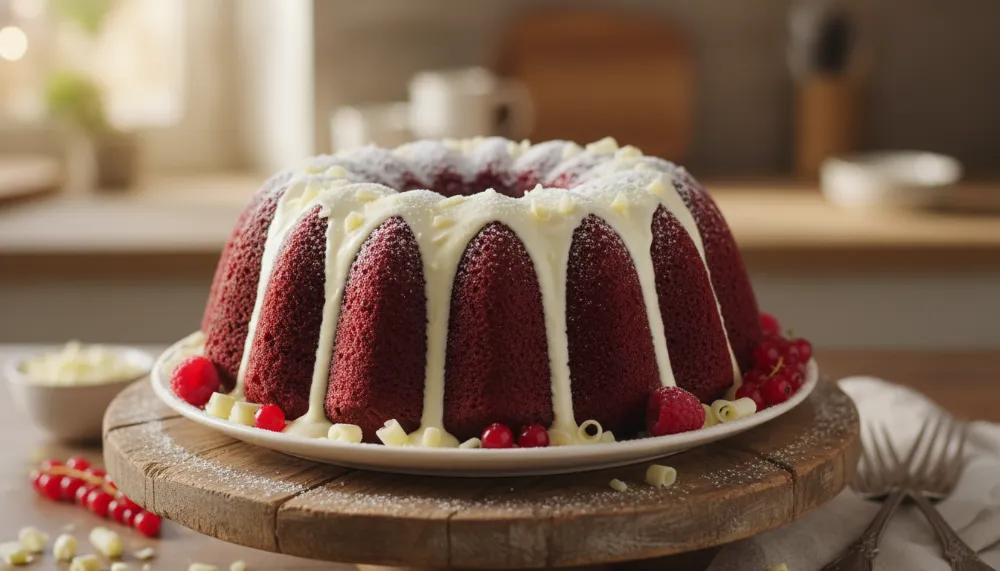

Experience the pinnacle of dessert elegance with this decadent Red Velvet Bundt Cake, featuring a velvety crumb and a striking scarlet hue that defines sophisticated baking. This comprehensive guide ensures your next gathering is centered around a moist, perfectly structured masterpiece topped with a rich cream cheese glaze.
Signature Red Velvet Bundt Cake
Ingredients
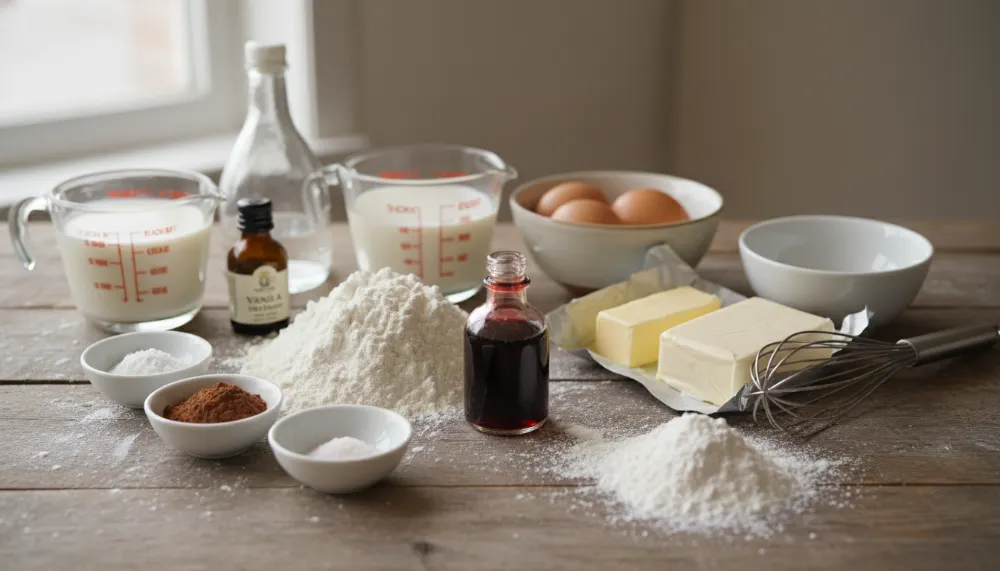
- 1 3 cups all-purpose flour
- 2 2 cups granulated sugar
- 3 3 tablespoons unsweetened cocoa powder
- 4 1 teaspoon baking soda and 1 teaspoon salt
- 5 2 large eggs, room temperature
- 6 1.5 cups vegetable oil
- 7 1 cup buttermilk, room temperature
- 8 2 tablespoons red food coloring
- 9 1 teaspoon apple cider vinegar
- 10 1 teaspoon alcohol-free vanilla bean paste
- 11 8 oz cream cheese and 1 cup powdered sugar (for glaze)
Instructions
- 1 Preheat oven to 350°F (175°C) and grease a 10-12 cup Bundt pan thoroughly.
- 2 Sift flour, sugar, cocoa, baking soda, and salt into a large bowl.
- 3 In a separate bowl, whisk oil, buttermilk, eggs, food coloring, vinegar, and vanilla.
- 4 Gradually add dry ingredients to wet, mixing until just combined and smooth.
- 5 Pour into the prepared pan and bake for 45-55 minutes or until a tester comes out clean.
- 6 Cool in the pan for 20 minutes before inverting onto a wire rack.
- 7 Blend cream cheese, sugar, and a splash of milk to create a thick glaze and drizzle over the cooled cake.
The Fascinating History of the Red Velvet Bundt Cake
The Red Velvet Bundt Cake is not merely a dessert, it is the intersection of two distinct culinary lineages: the 19th-century velvet cake and the mid-20th-century invention of the Bundt pan. To understand why this cake holds such a prestigious place in the baker’s repertoire, we must look back at the Victorian era, a time of innovation in flour processing. In the late 1800s, velvet cakes became popular in England and the United States because bakers began using cocoa powder, almond flour, or cornstarch to soften the proteins in flour. This resulted in a finer, more velvety crumb compared to the standard, coarser cakes of the day.
The red in the original red velvet was not a result of dye but a fascinating chemical reaction. When non-alkalized cocoa powder was mixed with acidic ingredients like buttermilk and vinegar, it activated anthocyanins in the cocoa. This process created a reddish-brown or mahogany hue that was both natural and subtle. During World War II, food rationing made sugar and butter scarce. To maintain moisture and enhance color, some ingenious bakers added boiled beet juice or grated beets to their cakes. This tradition of using beets persists today in many organic versions of the Red Velvet Bundt Cake, providing a deep earthy undertone and incredible moisture.
The shift toward the vibrant, scarlet version we recognize today began in the 1930s and 40s. The Adams Extract Company and the Waldorf-Astoria Hotel both claim to have popularized the modern look. Adams Extract, specifically, promoted the use of red food coloring to drive sales of their extracts, moving the cake from a subtle mahogany to a brilliant, eye-catching red. The final piece of the puzzle, the Bundt format, was introduced in 1950 by H. David Dalquist. He created the aluminum ring-shaped pan at the request of a women’s society in Minneapolis who wanted to recreate European dense, ring-shaped cakes. Red Velvet was naturally adapted into this format to accommodate larger gatherings and provide a decorative, easy-to-slice structure that showcases the inner color against a white glaze.
Why the Bundt Pan is Essential for Red Velvet
Baking a Red Velvet Bundt Cake offers structural advantages that a standard layer cake cannot match. The central chimney of a Bundt pan allows heat to reach the center of the dense batter more effectively, ensuring that the cake cooks evenly without the edges becoming overly dry. This is particularly important for Red Velvet, which relies on a precise balance of moisture from the oil and buttermilk. If baked too long in a deep round pan, the exterior can become tough while the center remains undercooked.
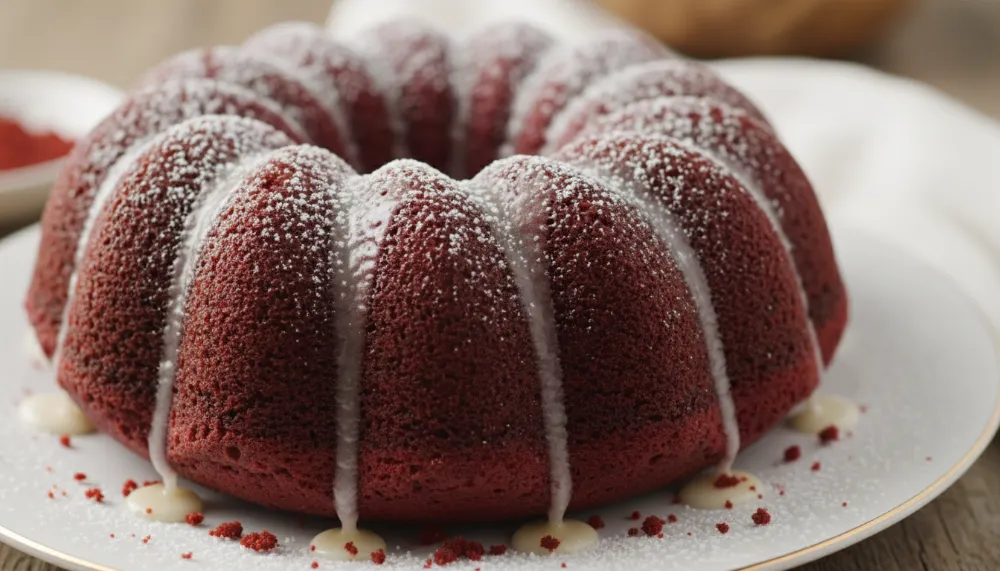
Furthermore, the Bundt pan provides a naturally elegant shape that requires less decorating skill than a tiered cake. The grooves and ridges of a high-quality pan catch the cream cheese glaze, creating beautiful drips that look professional with minimal effort. To ensure your cake releases perfectly, always use a professional tool like the Cuisinart 8 Cup Food Processor to finely chop any nuts or chocolate additions you might include, ensuring they don’t create weak points in the cake’s structure that could lead to sticking.
The Science of the Scarlet Crumb
Achieving the perfect texture and color in a Red Velvet Bundt Cake is a matter of food science. The interaction between the cocoa powder and the acidic buttermilk and vinegar is what creates that signature tang and tender crumb. The acidity breaks down the gluten in the flour, preventing the cake from becoming bread-like and maintaining that velvety mouthfeel. While we use food coloring for the modern pop of color, the underlying chemical reaction remains the backbone of the flavor profile.
When selecting your cocoa powder, it is vital to use natural cocoa rather than Dutch-processed cocoa. Natural cocoa is more acidic, which reacts better with the baking soda to provide lift and the initial reddish tint. If you prefer a more natural approach to coloring, you can use a Ninja BN751 Professional Plus DUO Blender to create a smooth beet puree. This blender’s 1000W motor can pulverize steamed beets into a silk-like liquid that integrates seamlessly into the batter, providing a deep, natural crimson without the need for synthetic dyes.
Essential Ingredients and Substitutions
To adhere to modern dietary guidelines while maintaining the authentic taste of a Red Velvet Bundt Cake, we must be selective with our ingredients. First and foremost, we ensure no pork products are used by opting for vegetable oil or high-quality butter. If a recipe historically called for lard, vegetable shortening is the perfect replacement. Second, we eliminate all alcohol. Standard vanilla extract often contains a high percentage of alcohol, so we recommend using alcohol-free vanilla bean paste or powder. This provides a more intense, floral vanilla flavor that stands up to the cocoa.
For those looking for a sophisticated twist, you can replace the small amount of liquid often used in glazes with unsweetened pomegranate juice or cranberry juice. These provide a sharp, fruity acidity that cuts through the richness of the cream cheese without introducing any alcohol. The result is a more complex flavor profile that elevates the Red Velvet Bundt Cake from a simple dessert to a gourmet experience.
Professional Tips for the Perfect Bake
Even seasoned bakers can find the Bundt pan intimidating. The most common issue is the cake sticking to the intricate designs of the pan. To prevent this, use a paste made of equal parts melted vegetable shortening, oil, and flour. Brush this into every nook and cranny of the pan just before pouring in the batter. Avoid greasing the pan too early, as the oil can slide down the sides and pool at the bottom, leading to uneven browning.
Another tip is to ensure all your ingredients are at room temperature. Cold eggs or buttermilk can cause the batter to break or curdle, resulting in a dense, heavy cake. If you find yourself in a rush, you can use the Cosori 9-in-1 TurboBlaze Air Fryer 6 Qt on a very low warming setting to gently take the chill off your eggs by placing them in a bowl of warm water inside the unit for a few minutes. This air fryer is also excellent for lightly toasting pecans or walnuts if you choose to garnish your cake with a crunch.
Nutritional Deep Dive
A Red Velvet Bundt Cake is a rich, energy-dense treat. A standard serving of approximately 85 to 100 grams typically contains between 350 and 430 calories. The primary sources of energy are the carbohydrates from the flour and sugar, and the fats from the oil and cream cheese. While it is a decadent choice, it does offer some micronutrients. The buttermilk and cream cheese provide calcium, while the cocoa powder and enriched flour offer small amounts of iron. Because we avoid pork-based fats and alcohol, the fat profile is dominated by monounsaturated and polyunsaturated fats from the vegetable oil, though the cream cheese glaze does contribute saturated fats. This makes it a perfect celebratory food meant to be enjoyed in moderation during special occasions.
Advanced Flavor Variations
If you want to take your Red Velvet Bundt Cake to the next level, consider these professional variations. A blood orange glaze is a fantastic alternative to cream cheese. The tartness of the orange complements the cocoa beautifully, and the natural red color of the blood orange juice enhances the cake’s visual appeal. Another popular variation is the Espresso Enrichment. By adding a tablespoon of espresso powder to your dry ingredients, you amplify the chocolate notes without making the cake taste like coffee.
For a fruit-forward finish, a pomegranate reduction can be drizzled over the cake before the final glaze. Simply simmer unsweetened pomegranate juice until it reaches a syrupy consistency. This adds a layer of sophisticated tartness and deepens the overall red aesthetic. If you prefer a thicker, creamier frosting, consider blending mascarpone with your cream cheese. This creates a silkier texture that is less tangy than traditional cream cheese frosting, providing a more subtle backdrop for the bold flavors of the cake.
Storage and Presentation
Proper storage is key to maintaining the moist texture of your Red Velvet Bundt Cake. Because of the cream cheese glaze, this cake should be stored in the refrigerator if not consumed within a few hours. Use a cake dome or airtight container to prevent the cake from absorbing other odors. When you are ready to serve, let the cake sit at room temperature for about 30 minutes. This allows the fats to soften, ensuring the crumb is as velvety as intended.
For the best presentation, wait until the cake is completely cool before glazing. If the cake is even slightly warm, the glaze will melt and run off rather than clinging to the beautiful ridges of the Bundt shape. Garnish with fresh raspberries or a dusting of cocoa powder for a final touch of elegance. This cake is a showstopper for birthdays, holidays, or any occasion that calls for a touch of scarlet luxury.