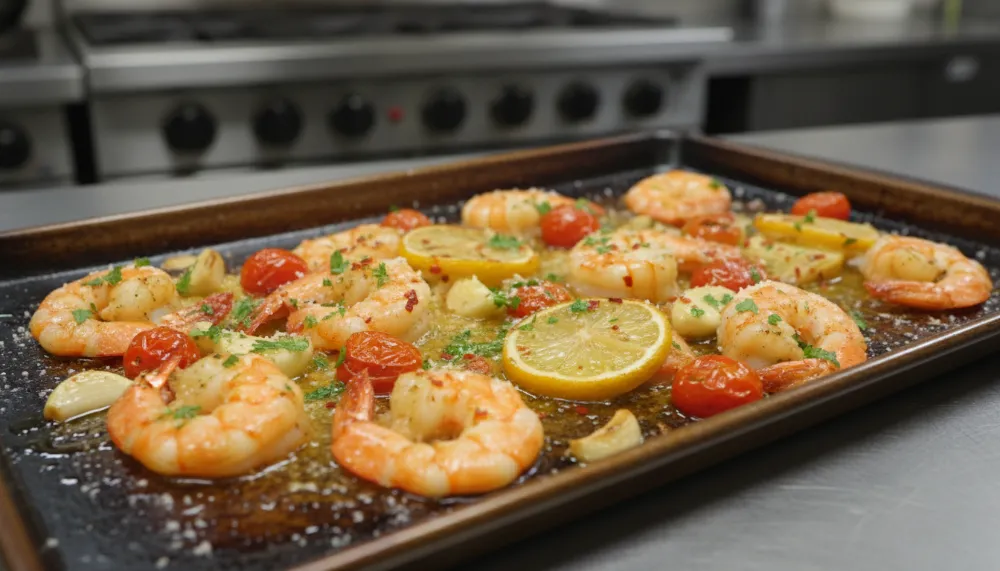

Experience the legendary flavors of buttery garlic and bright citrus with this Sheet Pan Shrimp Scampi, a one-tray masterpiece that delivers restaurant-quality elegance in under twenty minutes. This effortless method streamlines the traditional stovetop technique, allowing the shrimp to roast to tender perfection alongside vibrant vegetables.
Sheet Pan Shrimp Scampi
Ingredients
- 1 1.5 lbs Large Shrimp (peeled and deveined)
- 2 4 tbsp Unsalted Butter (melted)
- 3 2 tbsp Extra Virgin Olive Oil
- 4 6 cloves Garlic (minced)
- 5 1/4 cup Chicken Broth
- 6 1 tbsp Fresh Lemon Juice plus zest of one lemon
- 7 1/2 tsp Red Pepper Flakes
- 8 1 lb Asparagus (trimmed) or Zucchini rounds
- 9 1/4 cup Fresh Parsley (chopped)
- 10 Salt and Black Pepper to taste
Instructions
- 1 Preheat your oven to 400°F (200°C). Lightly grease a large rimmed sheet pan with olive oil.
- 2 Place the asparagus or zucchini on the tray. Drizzle with 1 tbsp olive oil, salt, and pepper. Roast for 8 minutes.
- 3 In a small bowl, whisk together melted butter, remaining olive oil, minced garlic, chicken broth, lemon juice, lemon zest, and red pepper flakes.
- 4 Remove the tray from the oven. Add the shrimp to the tray and pour the butter mixture over everything. Toss gently to coat.
- 5 Return to the oven and roast for another 6 to 8 minutes, or until the shrimp are opaque and pink. Do not overcook.
- 6 Remove from oven, garnish with fresh parsley and extra lemon wedges. Serve immediately over pasta or with crusty bread.
The Historical Journey of Shrimp Scampi
The culinary history of Sheet Pan Shrimp Scampi is a fascinating tale of immigration, adaptation, and modern efficiency. To understand why this dish is a staple in American kitchens, one must look back to the shores of the Mediterranean. The original Italian dish, known simply as “Scampi,” utilized langoustines, which are small, lobster-like crustaceans found in the Adriatic Sea. These were traditionally sautéed with olive oil, garlic, and fresh herbs.
When Italian immigrants arrived in the United States, they found that langoustines were nearly impossible to source. In an act of culinary genius, they substituted local shrimp but kept the name of the original preparation. This resulted in the somewhat redundant name “Shrimp Scampi,” which literally translates to “Shrimp Shrimp.” Over decades, the recipe evolved to include butter, lemon, and often a splash of white wine, becoming a cornerstone of Italian-American cuisine. The transition to the sheet pan method is a 21st-century innovation, driven by the need for faster, hands-off cooking that doesn’t sacrifice flavor. By roasting at a high temperature, we mimic the sear of a hot skillet while allowing the juices to mingle with the vegetables on a single surface.
The Science of the Sheet Pan: Why It Works
Many home cooks wonder if roasting shrimp can truly compete with the traditional stovetop sauté. The answer lies in the heat distribution and the Maillard reaction. When you roast at 400°F, the dry heat of the oven quickly evaporates surface moisture on the shrimp, allowing the sugars and amino acids to react with the garlic-butter coating. This creates a depth of flavor that is often more complex than what you achieve in a crowded pan on the stove.
Furthermore, the sheet pan acts as a flavor reservoir. As the shrimp cook, they release a small amount of briny liquid. In a traditional pan, this liquid might evaporate or be diluted. On a sheet pan, it mixes with the melted butter, garlic, and chicken broth, creating a concentrated emulsion that coats the vegetables roasting alongside the protein. Using a high-quality sheet pan ensures even heat distribution, preventing the “hot spots” that lead to rubbery, overcooked seafood.
Essential Ingredient Deep Dive
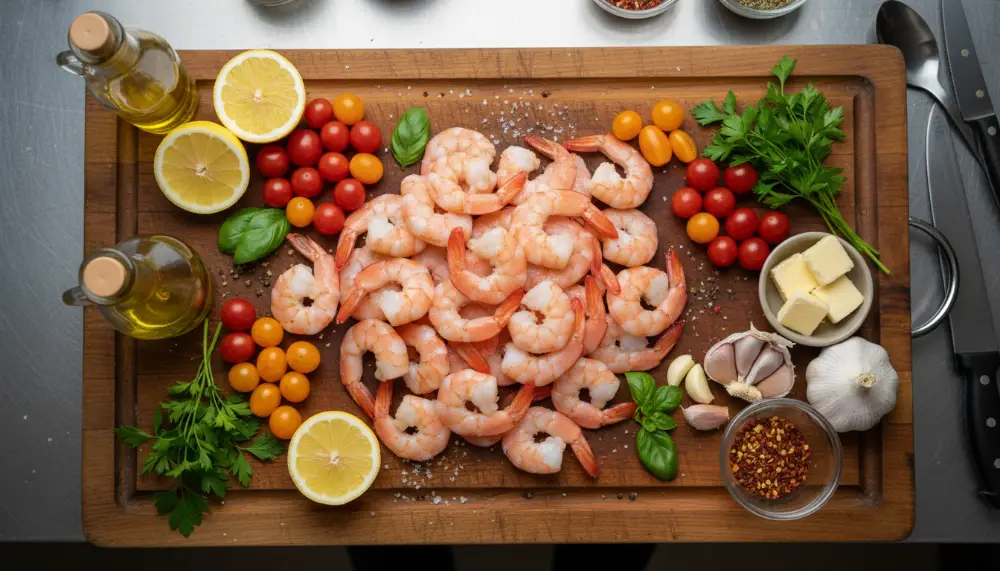
To master Sheet Pan Shrimp Scampi, one must respect the ingredients. Since the recipe is relatively simple, the quality of each component is magnified. Here is what you need to know about the building blocks of this dish:
The Shrimp: Size and Sourcing
For the best results, use large or jumbo shrimp (usually labeled 16/20 or 21/25 count per pound). Larger shrimp are more forgiving in the oven, as they take slightly longer to cook, allowing the garlic to mellow without the shrimp turning into tough, rubbery knots. Always opt for peeled and deveined shrimp to save time, but leaving the tails on can actually enhance the flavor of the sauce and provide a beautiful presentation.
The Aromatics: Garlic and Lemon
Garlic is the heart of scampi. Avoid the pre-minced jars, which often have a bitter, preserved aftertaste. Instead, use fresh cloves and mince them finely. For the citrus, the zest is just as important as the juice. The zest contains essential oils that provide a floral, bright aroma that cuts through the richness of the butter, while the juice provides the necessary acidity to balance the fats.
The Fat: Butter vs. Olive Oil
We use a combination of both for a specific reason. Butter provides the iconic creamy flavor and mouthfeel, but it has a low smoke point. By mixing it with extra virgin olive oil, we stabilize the fat, ensuring the garlic can roast at high temperatures without burning. This synergy is what gives the scampi its golden, velvety finish.
Professional Flavor Variations (Alcohol and Pork Free)
While traditional scampi often uses white wine or occasionally pancetta for depth, this recipe utilizes sophisticated alternatives to achieve a similar profile while adhering to dietary restrictions. To replace the acidity and complexity of wine, we use a mixture of high-quality chicken broth and a touch of white wine vinegar or extra lemon juice. This provides the necessary tang and liquid volume to create a sauce that is perfect for dipping bread.
For those looking to add a smoky or savory element without using pork products, consider these professional swaps:
- Smoked Paprika: A half-teaspoon of smoked paprika added to the butter mixture provides a deep, woody smokiness that mimics the presence of cured meats.
- Sun-Dried Tomatoes: Adding oil-packed sun-dried tomatoes to the sheet pan introduces a concentrated umami punch and a chewy texture.
- Beef Chorizo (Pork-Free): If you desire a meatier element, a small amount of finely diced beef-based spicy sausage can be roasted alongside the vegetables for a bold, spicy twist.
Nutritional Profile and Health Benefits
Sheet Pan Shrimp Scampi is surprisingly nutrient-dense. Shrimp is an excellent source of lean protein and contains antioxidants like astaxanthin, which has been linked to heart health. It is also one of the best food sources of iodine, an essential mineral for thyroid function and brain health.
By roasting the vegetables on the same tray, you ensure you are getting a significant dose of fiber and vitamins. Asparagus, for instance, is rich in folate and Vitamin K. Because the dish relies on fresh garlic and herbs rather than heavy cream sauces, it remains relatively low in calories while delivering high-impact flavor. If you are watching your carbohydrate intake, this dish is naturally low-carb and can be served over a bed of spinach or zucchini noodles instead of traditional pasta.
Equipment Recommendations for the Perfect Scampi
To achieve professional results, having the right tools in your kitchen is essential. Here are my top recommendations for this recipe:
- Ninja BN751 Professional Plus DUO Blender: https://amzn.to/3LCDyNR (Why Perfect: 1000W motor, perfect for emulsifying large batches of garlic-herb butter or making a side of tahini sauce).
- Cosori 9-in-1 TurboBlaze Air Fryer 6 Qt: https://amzn.to/4hRWmVq (Why Perfect: If you are making a smaller portion, this roasts shrimp and vegetables perfectly with even more speed).
- Cuisinart 8 Cup Food Processor: https://amzn.to/47Nhbg8 (Why Perfect: Fast chopping and slicing for the garlic and vegetables, a true meal prep essential).
- Rubbermaid Brilliance Glass Storage Set of 9: https://amzn.to/4oD0YkY (Why Perfect: Perfect for storing leftovers, these are leak-proof and stackable).
- FoodSaver Vacuum Sealer Machine: https://amzn.to/4qWgVnS (Why Perfect: Keeps your bulk-bought shrimp fresh in the freezer for months without freezer burn).
Tips for Avoiding Common Mistakes
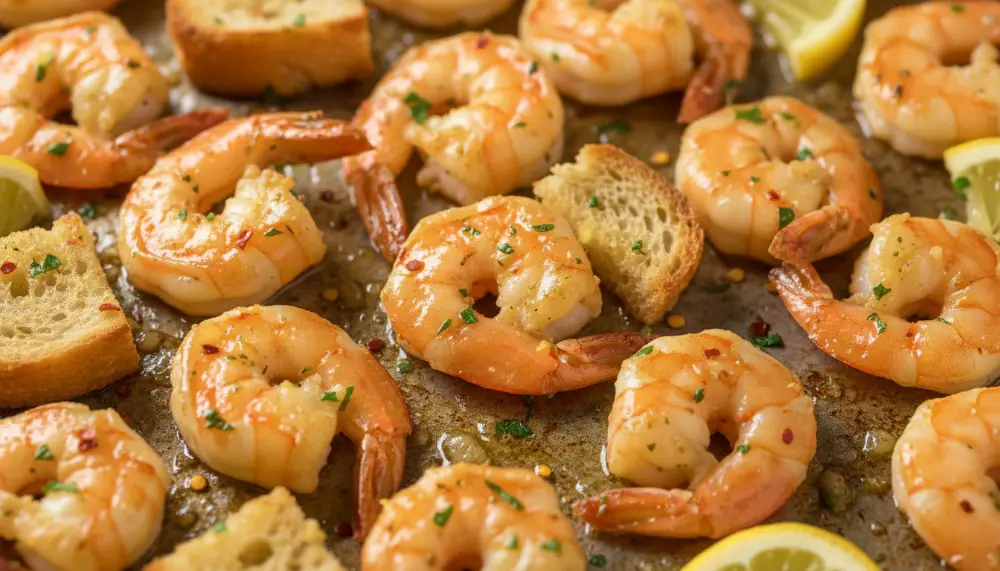
The most common pitfall when making Sheet Pan Shrimp Scampi is overcooking the shrimp. Shrimp cook very quickly, usually within 5 to 8 minutes depending on their size. As soon as they take on a “C” shape and turn opaque, they are done. If they curl into a tight “O” shape, they have been overcooked and may become tough. Always keep a close eye on the oven during the final minutes of cooking.
Another tip is to ensure your vegetables are cut to a size that allows them to cook at the same rate as the shrimp. If you prefer thicker vegetables like broccoli, give them a 10-minute head start in the oven before adding the shrimp. This ensures everything reaches the perfect texture simultaneously, avoiding the tragedy of crunchy broccoli and rubbery shrimp.
Storage and Reheating
While seafood is always best enjoyed fresh, you can store leftovers in an airtight container in the refrigerator for up to two days. When reheating, avoid the microwave if possible, as it tends to make shrimp rubbery. Instead, place the shrimp and vegetables back on a sheet pan and warm them in a 300°F oven for about 5 minutes, or quickly toss them in a warm skillet with an extra splash of broth to revive the sauce.