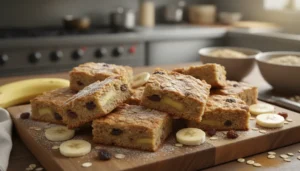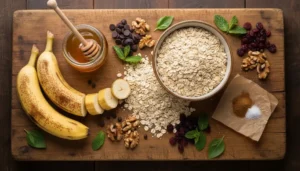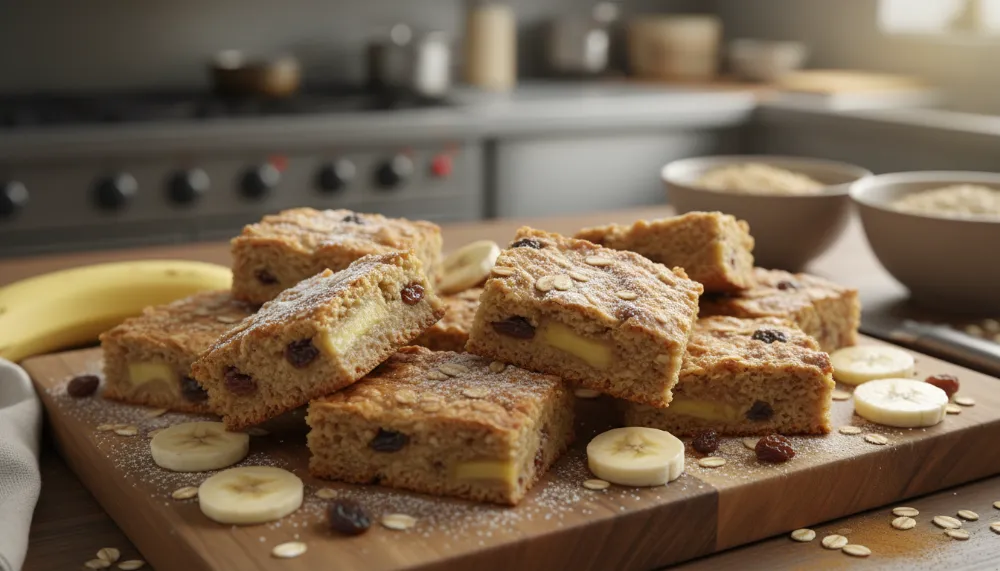

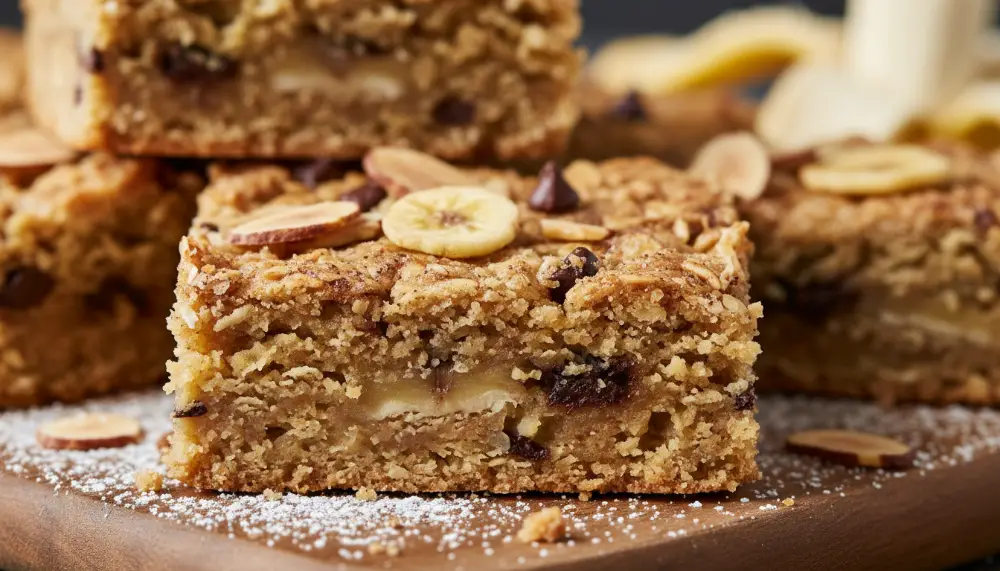
These Banana Oatmeal Bars are the ultimate wholesome snack, combining the natural sweetness of ripe bananas with the hearty texture of toasted oats for a perfect on-the-go bite. Whether you are looking for a quick breakfast or a post-workout refuel, these bars offer the perfect balance of nutrition and flavor in every square.
Banana Oatmeal Bars
Ingredients
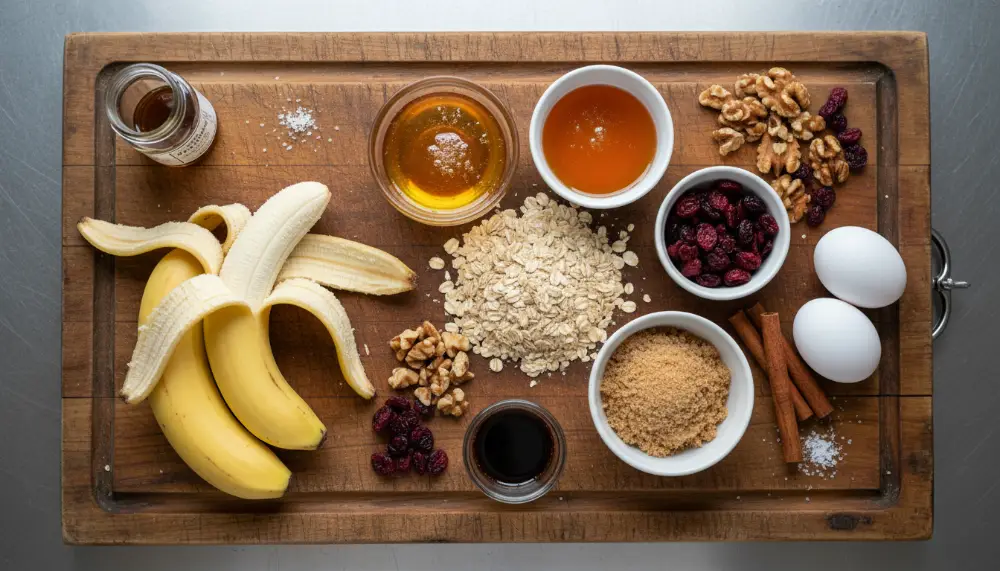
- 3 Large very ripe bananas, mashed
- 2 Cups rolled oats (Old Fashioned)
- 1/4 Cup smooth almond butter or peanut butter
- 1/4 Cup maple syrup (optional for extra sweetness)
- 1 Tsp alcohol-free vanilla flavoring
- 1/2 Tsp ground cinnamon
- 1/2 Cup dark chocolate chips or dried fruit
Instructions
- 1 Preheat your oven to 350°F (175°C) and line an 8×8 inch baking pan with parchment paper.
- 2 In a large mixing bowl, mash the ripe bananas until they are mostly smooth with few lumps remaining.
- 3 Stir in the nut butter, maple syrup, alcohol-free vanilla, and cinnamon until well combined.
- 4 Fold in the rolled oats and chocolate chips until the oats are fully coated in the banana mixture.
- 5 Press the mixture firmly into the prepared baking pan, smoothing the top with a spatula.
- 6 Bake for 20 to 25 minutes or until the edges are golden brown and the center is set.
- 7 Allow the bars to cool completely in the pan before lifting them out and slicing into squares.
The Fascinating History and Evolution of Banana Oatmeal Bars
The humble Banana Oatmeal Bar is more than just a modern fitness snack, it is a culinary descendant of two distinct traditions: the ancient consumption of oats in Northern Europe and the 20th-century rise of thrift baking in North America. Oats have been a staple in Scottish and German cultures for centuries, primarily consumed as oatcakes or Haferbrei (oat porridge). In the 19th century, these grains transitioned from simple porridges to baked biscuits and flap jacks, a term recorded as early as the 16th century, though the oat-based version known today became popular in the 1930s.
During the Great Depression in the 1930s, the specific combination of bananas and oats gained traction. As bananas became a common imported fruit, households sought ways to utilize overripe, bruised fruit to avoid waste. In 1933, the Pillsbury Flour Mills published Balanced Recipes, which popularized quick bread techniques using mashed bananas. By the 1950s, companies like Chiquita promoted banana-based snacks in recipe books to increase fruit consumption. The 1970s health food movement eventually transformed these into the portable cereal bars we recognize today, emphasizing convenience for increasingly on-the-go lifestyles.
A Deep Dive into the Nutritional Benefits
Banana Oatmeal Bars are characterized by their high fiber content and natural sugars, making them a dense source of energy. When you consume a typical 2-inch square bar, you are receiving a balanced profile of macronutrients. On average, one serving contains between 145 and 180 calories, with 24g to 28g of carbohydrates and 3g to 5g of dietary fiber. The fiber from the oats, specifically beta-glucan, is known for its heart-healthy properties and its ability to keep you feeling full for longer periods.
Moreover, these bars are a significant source of potassium, providing 150mg to 220mg per serving. This makes them an excellent post-exercise snack to help with muscle recovery. Unlike commercial granola bars that are often laden with high-fructose corn syrup, these homemade Banana Oatmeal Bars rely on the natural fructose of the fruit, which provides a steady release of energy without the dramatic insulin spike. By avoiding pork-derived gelatin or alcohol-based flavorings, this recipe remains accessible to a wide variety of dietary preferences while maintaining a clean label profile.
Professional Flavor Variations to Elevate Your Bars
While the basic two-ingredient base of bananas and oats is functional, professional bakers often elevate the recipe with complex textures. Here are some gourmet adaptations:
- Cinnamon-Spiced Crumb: A professional variation featuring a base of roasted bananas to intensify natural sugars, topped with a crumbly layer of oats, cinnamon, and cold butter.
- Almond Butter Swirl: Incorporates smooth almond butter into the batter for a richer protein profile and a savory-sweet balance. For the smoothest consistency, use the Ninja BN751 Professional Plus DUO Blender to blend your own nut butters or to liquefy the banana base for a more cake-like texture.
- Tropical Medley: Includes shredded unsweetened coconut, dried mango bits, and a hint of ground ginger for an island-inspired flavor profile.
- Dark Chocolate Ganache: A luxury version where the cooled bars are drizzled with a rich glaze made from dark chocolate and coconut cream.
- Crunchy Rice Infusion: Some professional bakers fold in brown crispy rice cereal to provide a structural snap that contrasts with the soft-baked banana base.
Essential Equipment for the Perfect Bake
To achieve professional results with your Banana Oatmeal Bars, having the right tools in your kitchen is essential. A high-quality food processor, such as the Cuisinart 8 Cup Food Processor, is perfect for fast chopping of nuts or creating a finer oat flour if you prefer a less chunky bar. This tool is a meal prep essential that ensures even distribution of ingredients.
For those who want a unique texture, you can even utilize an air fryer. The Cosori 9-in-1 TurboBlaze Air Fryer 6 Qt can roast bananas perfectly before mashing, which caramelizes the sugars and adds a deep, smoky sweetness to the bars. It is also excellent for small-batch baking when you don’t want to heat up the entire house with a large oven.
Step-by-Step Professional Techniques
The secret to the perfect Banana Oatmeal Bars lies in the ripeness of the fruit. You want bananas that are covered in brown spots, almost to the point of being black. This is when the starch has fully converted to sugar, providing the necessary moisture and sweetness. If your bananas aren’t ripe enough, you can bake them in their skins at 300°F for 15 minutes to soften them and release their juices.
When mixing, avoid over-working the batter. If you use rolled oats, they should remain whole to provide that signature chewy texture. If you prefer a more uniform, bread-like consistency, you can pulse half of the oats in your food processor before mixing. This creates a binder that holds the bars together more firmly, preventing them from crumbling when sliced. Always ensure you press the mixture firmly into the corners of your pan, as loose oats will lead to fragile bars.
Storage and Longevity: Keeping Bars Fresh
Since these bars contain fresh fruit and no artificial preservatives, proper storage is critical. They can sit at room temperature for about two days, but for longer-term enjoyment, refrigeration is recommended. For those who meal prep for the entire month, these bars freeze exceptionally well. To prevent freezer burn and keep that fresh-baked taste, use a FoodSaver Vacuum Sealer Machine. Vacuum sealing individual bars allows you to grab a single serving that tastes just as good three months later as it did on day one.
For daily organization, the Rubbermaid Brilliance Glass Storage Set of 9 is the gold standard. These leak-proof, stackable containers are perfect for keeping your bars airtight in the fridge, and because they are glass, they don’t retain odors or stains from the cinnamon and fruit. This makes your meal prep routine both aesthetic and functional.
Why You Should Avoid Alcohol and Pork in This Recipe
In high-authority baking, we often look for ways to maximize flavor without relying on standard additives. Many traditional recipes call for vanilla extract, which is typically alcohol-based. To maintain the integrity of the natural banana flavor, we recommend using alcohol-free vanilla flavoring or vanilla bean paste. This ensures a pure, floral aroma that isn’t masked by the sharp scent of ethanol. Similarly, avoiding any pork-based fats or additives ensures the recipe remains light and plant-forward. Instead of lard, use coconut oil or grass-fed butter to enhance the richness of the oats. This approach focuses on the quality of the raw ingredients, allowing the synergy between the bananas and the grain to take center stage.
Common Troubleshooting for Banana Oatmeal Bars
If your bars are coming out too soft, it is likely due to the size of the bananas. Banana sizes vary wildly, so if your mash seems too liquid, add an extra quarter cup of oats. On the other hand, if the bars are too dry, you can add a tablespoon of apple juice or a splash of oat milk to the mixture. Another common issue is the bars sticking to the pan. Even with non-stick coatings, it is always best to use parchment paper with an overhang on two sides. This allows you to lift the entire block of bars out of the pan, making it much easier to cut clean, sharp lines without damaging your bakeware.