
Experience the rich, fudgy decadence of GF Coconut Flour Brownies, a grain-free treat that delivers intense chocolate flavor and a sophisticated texture without any wheat flour. These brownies are the perfect marriage of modern dietary science and classic culinary indulgence, offering a nutrient-dense alternative to the traditional dessert.
Gourmet GF Coconut Flour Brownies
Ingredients
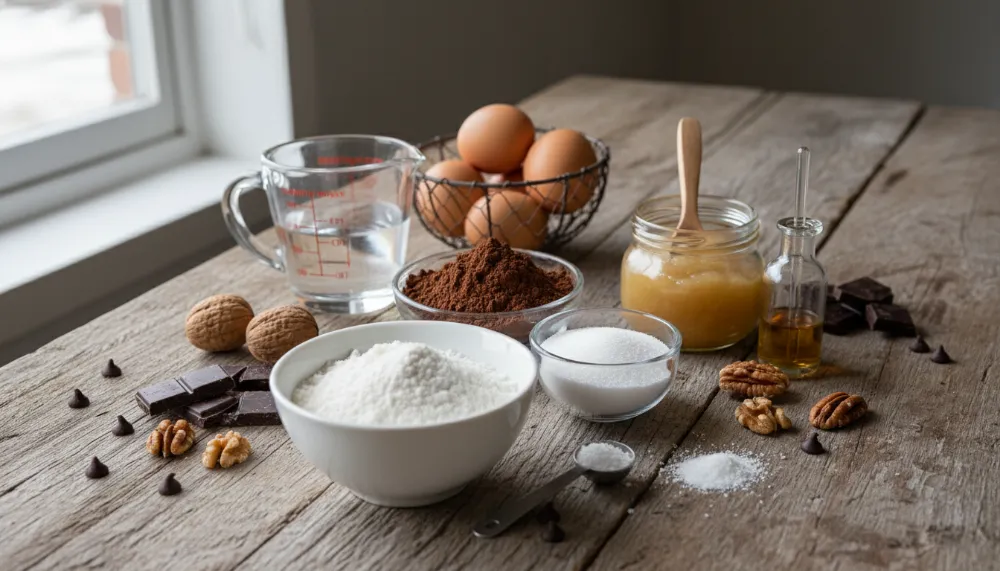
- 1/2 Cup Coconut Flour (Sifted)
- 1/2 Cup Unsweetened Cocoa Powder
- 1/2 Cup Melted Grass-Fed Butter or Coconut Oil
- 3 Large Eggs (Room Temperature)
- 1/2 Cup Honey or Maple Syrup
- 1 Tbsp Aged Balsamic Vinegar
- 1/4 Tsp Sea Salt
- 1/2 Cup Dark Chocolate Chips
Instructions
- 1 Preheat your oven to 350°F (175°C) and grease an 8×8 inch baking pan or line it with parchment paper.
- 2 In a large bowl, whisk together the melted butter, honey, eggs, and balsamic vinegar until smooth and well combined.
- 3 Sift the coconut flour, cocoa powder, and sea salt into the wet ingredients. Use a spatula to fold the batter until no lumps remain.
- 4 Fold in the chocolate chips. Let the batter rest for 5 minutes, allowing the coconut flour to absorb the moisture.
- 5 Pour the batter into the prepared pan and bake for 20-25 minutes, or until the edges are firm but the center is still slightly soft.
- 6 Remove from the oven and let the brownies cool completely in the pan before slicing to ensure the perfect fudgy set.
The Historical Origin of the Brownie
The history of the brownie is a blend of American culinary tradition and the modern evolution of gluten-free alternatives. The most widely recognized origin story traces back to the Palmer House Hotel in Chicago in 1893. Bertha Palmer, a prominent socialite, requested a portable dessert that could be served in boxed lunches at the World’s Columbian Exposition. The result was a dense, chocolatey square topped with walnuts and an apricot glaze. Another popular theory involves a happy accident in Bangor, Maine (1904), where a housewife allegedly forgot to add baking powder to her chocolate cake, resulting in the fudgy texture we identify as a brownie today.
Coconut flour, on the other hand, originated in Southeast Asia, primarily the Philippines and Malaysia, and Polynesia as a byproduct of coconut milk production. Once the milk is extracted, the remaining pulp is dried and ground into a fine powder. It gained global popularity as a gluten-free staple during the early 21st-century shift toward grain-free and nutrient-dense baking. Combining these two histories results in the GF Coconut Flour Brownies we enjoy today, a dish that honors traditional American flavors while utilizing ancient tropical ingredients.
The Science of Baking with Coconut Flour
Baking GF Coconut Flour Brownies requires a different approach than traditional wheat-based recipes. Coconut flour is exceptionally high in dietary fiber, approximately 5 grams per tablespoon, which makes it incredibly absorbent. It acts like a sponge, soaking up significantly more liquid than all-purpose flour. This is why you will notice that our recipe uses only half a cup of flour for three large eggs. This high liquid-to-flour ratio is necessary to prevent the final product from becoming dry or crumbly.
Furthermore, coconut flour is naturally gluten-free, meaning it lacks the structural protein that gives traditional cakes their chew. To compensate, we rely on the protein in the eggs to provide structure. The Cuisinart 8 Cup Food Processor: https://amzn.to/47Nhbg8 is essential for fast chopping and slicing during meal prep, and it can also be used to pulse your dry ingredients together to ensure they are perfectly aerated before mixing. This aeration helps the brownies rise slightly even without chemical leaveners like baking powder.
Nutritional Characteristics of GF Coconut Flour Brownies
One of the primary reasons bakers turn to GF Coconut Flour Brownies is the impressive nutritional profile. Unlike traditional brownies that are high in simple carbohydrates and low in fiber, these brownies provide a more balanced macronutrient spread. The high fiber content helps regulate blood sugar and promotes satiety, meaning you are less likely to overindulge.
Additionally, these brownies contain more protein than wheat or rice-based versions, about 3 grams per tablespoon of flour plus the protein from the eggs. Because coconut flour is paired with healthy fats, like those found in grass-fed butter or coconut oil, it provides a stable energy source. These fats are often rich in medium-chain triglycerides (MCTs), which the body can use for immediate energy rather than storing as fat. Furthermore, by replacing alcohol-based vanilla extract with aged balsamic vinegar, we add antioxidants without any hidden spirits.
Professional Flavor Adaptations for the Modern Palate
To elevate the flavor profile while strictly adhering to non-alcoholic requirements, professional pastry chefs often utilize acidic components and fruit reductions. Here are five sophisticated ways to adapt your GF Coconut Flour Brownies:
1. Balsamic and Dark Chocolate
In place of vanilla extract, use aged balsamic vinegar. A single tablespoon of balsamic vinegar intensifies the dark cocoa notes and adds a sophisticated, tangy depth that balances the richness of the chocolate. The acidity also helps to tenderize the coconut flour fibers.
2. Blood Orange and Sea Salt
Replace 2 tablespoons of the liquid components with freshly squeezed orange juice and finely grated zest. The acidity of the juice provides a natural lift to the dense coconut flour crumb, while the citrus oil creates a vibrant contrast to the chocolate. Finish with a sprinkle of flaky sea salt for a gourmet touch.
3. Espresso and Chili
Instead of coffee-flavored liqueurs, use a concentrated reduction of brewed coffee. For a truly unique umami profile, a tiny amount of salt-free beef-bone broth reduction can mimic the complex depth of dark chocolate. Adding a pinch of ancho chili powder provides a professional Mexican chocolate finish. To roast your own chilies or nuts for this topping, the Cosori 9-in-1 TurboBlaze Air Fryer 6 Qt: https://amzn.to/4hRWmVq roasts chickpeas and vegetables perfectly with a large family capacity and is equally adept at toasting brownie garnishes.
4. Raspberry Gastrique
Create a non-alcoholic glaze by simmering raspberry juice with a touch of apple cider vinegar until it reaches a syrupy consistency. Swirl this into the batter before baking to create tart, jammy pockets. For making the smoothest fruit purees, the Ninja BN751 Professional Plus DUO Blender: https://amzn.to/3LCDyNR is perfect for tahini sauce and harissa paste with its 1000W motor, and it handles frozen raspberries with ease.
5. Pomegranate and Walnut
Use pomegranate juice to hydrate the flour. The tannins in the juice mimic the astringency of wine, providing a complex flavor profile without the use of alcohol. Fold in toasted walnuts for the traditional texture requested in the original 1893 recipe.
Mastering the Texture: Tips for Success
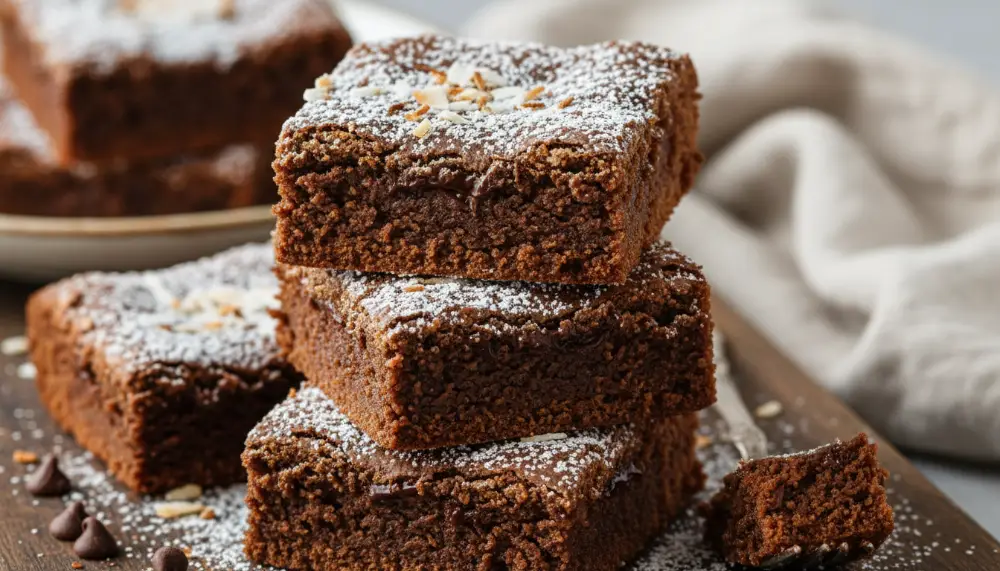
The biggest challenge when making GF Coconut Flour Brownies is avoiding a grainy or dry texture. To ensure success, always sift your coconut flour. Because it is so fine and absorbent, it tends to clump in the bag. Sifting ensures that every grain is hydrated by the fats and eggs. Another secret is the rest period. Letting the batter sit for five minutes before putting it in the oven allows the coconut flour to fully absorb the liquid, which results in a smoother mouthfeel after baking.
Remember that coconut flour brownies do not behave like traditional brownies in the oven. They will not rise much, and they can go from perfectly fudgy to overbaked very quickly. It is better to pull them out when the center still looks slightly underdone. As they cool, the fats and the coconut flour will set, creating that sought-after melt-in-your-mouth experience.
Storage and Serving Suggestions
Due to their high moisture content, GF Coconut Flour Brownies are best stored in the refrigerator. Cold temperatures enhance the fudgy texture, making them taste almost like a chocolate truffle. They will stay fresh in an airtight container for up to 5 days. For longer storage, you can freeze them for up to three months. To serve, try topping them with a dollop of Greek yogurt or a drizzle of almond butter blended in your Ninja blender.
Whether you are looking for a nutrient-dense snack or a high-end dessert for a dinner party, these GF Coconut Flour Brownies offer a versatile and delicious solution. By utilizing professional techniques and high-quality equipment like the Cuisinart food processor or the Cosori air fryer, you can achieve results that rival any traditional bakery.