
Mastering the art of Gluten-Free Dumpling Wrappers – Easy Homemade Guide is a game-changer for anyone who loves Asian cuisine but needs to avoid wheat. This professional-grade technique yields wrappers that are incredibly elastic, tender, and sturdy enough for all your favorite beef or chicken fillings.
Gluten-Free Dumpling Wrappers
Ingredients
- 1 cup (120g) White Rice Flour
- 2 ½ cup (60g) Tapioca Starch
- 3 ¼ cup (30g) Potato Starch
- 4 ½ tsp Salt
- 5 ¾ to 1 cup Boiling Water
Instructions
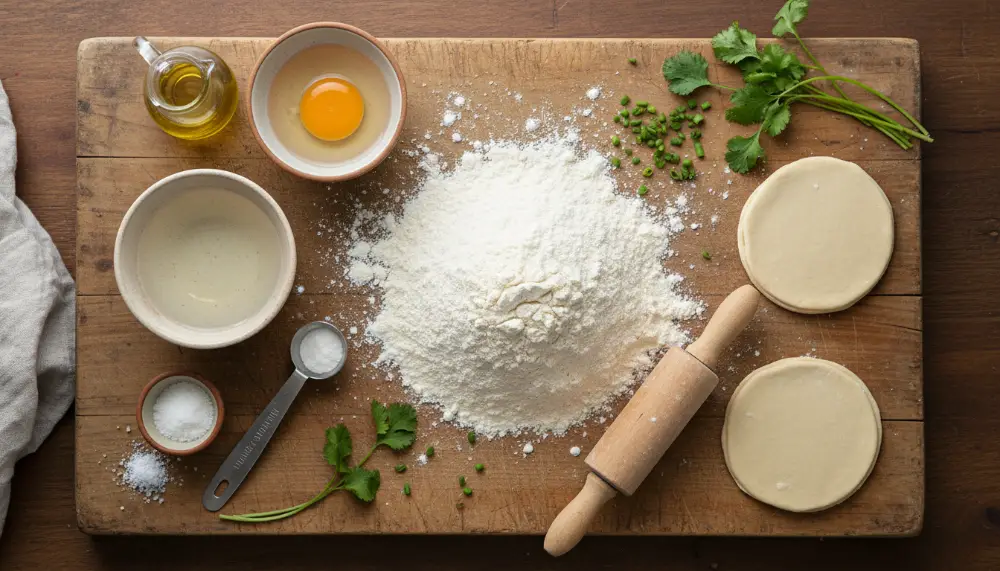
- 1 Whisk together the white rice flour, tapioca starch, potato starch, and salt in a heat-proof mixing bowl until thoroughly combined.
- 2 Gradually pour the boiling water into the dry mixture, stirring constantly with a fork or sturdy spoon until a shaggy, hydrated dough forms.
- 3 Once the dough is cool enough to touch but still very warm, knead it by hand for 3 to 5 minutes until it becomes completely smooth and elastic.
- 4 Cover the dough ball with a damp cloth or plastic wrap and let it rest for at least 20 minutes to allow the starches to fully hydrate.
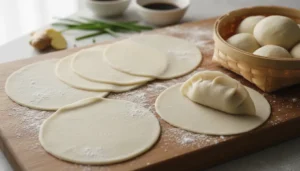
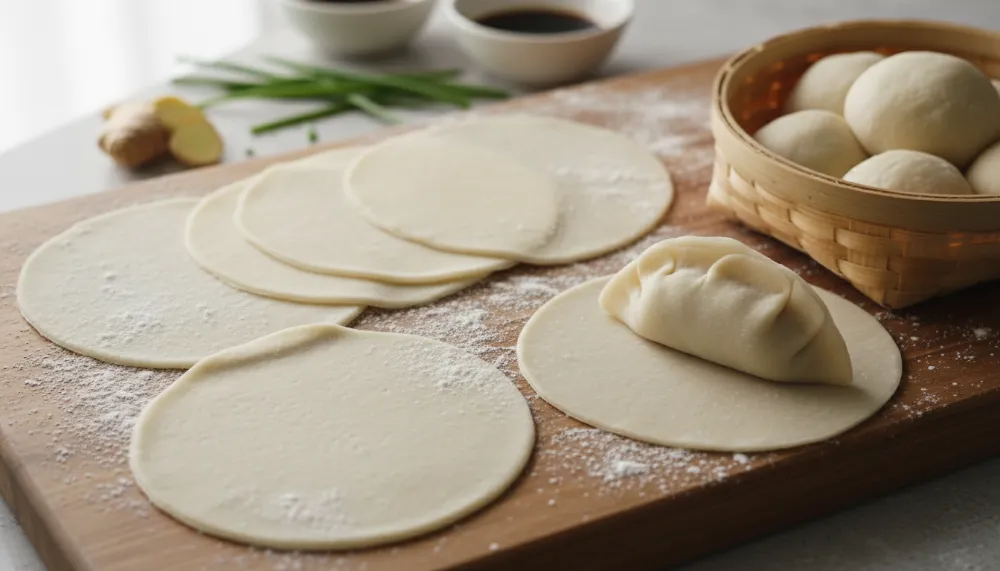
- 5 Roll out small portions of the dough between sheets of parchment paper to your desired thickness and cut into circles with a round cutter.
The Evolution of the Dumpling: A Historical Perspective
The dumpling, specifically the variety known as jiaozi, has a storied history that stretches back nearly two millennia to the Han Dynasty. Legend suggests that the physician Zhang Zhongjing created these stuffed dough parcels to treat frostbite during a severe winter. By wrapping warming ingredients in dough, he created a medicinal meal that served both nutritional and therapeutic purposes. Over the centuries, dumplings evolved from a medicinal remedy into a global culinary icon, appearing in various forms across almost every culture on Earth.
For those navigating the complexities of modern dietary needs, recreating this ancient staple without wheat can be a daunting task. The “Gluten-Free Dumpling Wrappers – Easy Homemade Guide” is designed to bridge the gap between historical tradition and modern health requirements, ensuring that the joy of a perfectly steamed or fried dumpling remains accessible to everyone.
The Science of the Scalding Method
The biggest challenge in crafting a gluten-free wrapper is the absence of gluten, the protein network that provides elasticity and strength to wheat dough. Without gluten, dough made with cold or lukewarm water often crumbles, making it impossible to thin out or fold without tearing. The secret to overcoming this is the “Scalding Method.”
When you add boiling water to a mixture of rice flour and starches, you trigger a process called gelatinization. The heat causes the starch granules to absorb water and swell, creating a gel-like structure that mimics the stretchiness of gluten. This is why the water must be truly boiling when it hits the flour. If the water has cooled even slightly, the starch will not gelatinize correctly, and you will end up with a brittle dough that is difficult to manage. This easy homemade guide relies on this thermal reaction to provide the pliability necessary for intricate folding.
Deep Dive into Ingredients
To achieve the perfect balance of texture, color, and flavor, we use a blend of three primary components. Understanding these ingredients will help you master the “Gluten-Free Dumpling Wrappers – Easy Homemade Guide” with confidence.
1. White Rice Flour
This serves as the structural base of the wrapper. It provides a clean, neutral flavor and the essential “bite” associated with traditional dumplings. We prefer white rice flour over brown rice flour because it results in a more traditional, smooth appearance and a lighter texture. Using a high-quality, finely milled rice flour is essential for preventing a gritty mouthfeel.
2. Tapioca Starch
Tapioca starch, derived from the cassava root, is the ingredient responsible for the translucency and “chew” of the wrapper. It adds a wonderful elasticity that helps the dough stretch during the filling and folding process. In our guide, tapioca starch is the glue that holds the rice flour together, providing that characteristic bounce when bitten.
3. Potato Starch
While often confused with potato flour, potato starch is a fine, white powder that adds silkiness to the dough. It helps the wrappers stay soft even after they have cooled down. It also contributes to the smooth finish on the exterior of the dumpling, ensuring they don’t look chalky or dry.
Filling Inspiration: Professional Flavor Profiles (No Pork, No Alcohol)
Once you have mastered the wrappers, the next step is the filling. Traditional recipes often call for pork or rice wine, but you can achieve incredible depth of flavor without these ingredients.
The Savory Beef and Scallion Filling
Lean ground beef is an excellent substitute for pork, offering a robust and meaty profile. To ensure the filling is juicy without the use of cooking wine, professional chefs utilize a technique called “velveting” or meat-hydration. Mix a small amount of cold beef broth with the ground meat, stirring in one direction until the liquid is fully absorbed. This creates a succulent interior that releases a delicious “soup” when the dumpling is cooked. Season with minced green onions, grated ginger, soy sauce, and toasted sesame oil for a classic, punchy flavor.
The Chicken and Shiitake Umami Bomb
Ground chicken, specifically a mix of breast and thigh meat, provides a lighter but equally delicious option. To replace the complexity often provided by alcohol, use the soaking liquid from rehydrated shiitake mushrooms. This liquid is packed with natural glutamates, providing an intense umami boost. Combine the chicken with finely chopped mushrooms, garlic, and a pinch of white pepper for a refined and aromatic dumpling experience.
Essential Tools for Success
To make the process of Gluten-Free Dumpling Wrappers – Easy Homemade Guide even smoother, we recommend the following professional-grade tools:
- Ninja BN751 Professional Plus DUO Blender: https://amzn.to/3LCDyNR (Perfect for creating smooth vegetable purees to color your dough naturally).
- Cosori 9-in-1 TurboBlaze Air Fryer 6 Qt: https://amzn.to/4hRWmVq (Excellent for making “air-fried” potstickers with a crispy base).
- Cuisinart 8 Cup Food Processor: https://amzn.to/47Nhbg8 (Essential for finely chopping cabbage and ginger for your fillings).
- Rubbermaid Brilliance Glass Storage Set of 9: https://amzn.to/4oD0YkY (Perfect for storing your dough while it rests to keep it from drying out).
- FoodSaver Vacuum Sealer Machine: https://amzn.to/4qWgVnS (The best way to store bulk batches of dumplings in the freezer without freezer burn).
Pro Tips for Handling and Folding
Gluten-free dough is more delicate than wheat dough, requiring a gentle touch and some specific strategies. First, always keep your dough covered. It dries out much faster than traditional dough, and once it becomes dry, it will crack during the folding process. Keep a damp paper towel over your dough ball and your finished wrappers at all times.
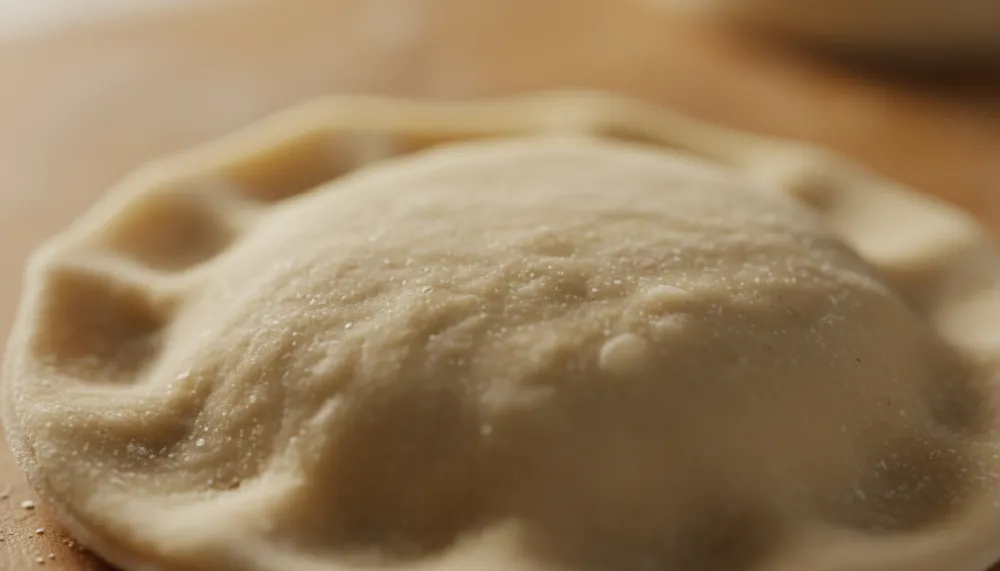
When it comes to sealing, remember that there is no gluten to act as a natural adhesive. Dip your finger in a small bowl of water and trace the outer edge of the wrapper before folding. This moisture reacts with the starches to create a tight, secure seal. For the easiest folding, start with a simple “half-moon” shape, pressing the edges together firmly. As you become more comfortable, you can move on to professional pleating techniques.
Troubleshooting Common Issues
If your dough is too sticky, it usually means there was a bit too much water or the water wasn’t hot enough. You can fix this by lightly dusting your work surface with extra tapioca starch. If the dough is too crumbly, you may need to add a teaspoon of boiling water at a time until it reaches a clay-like consistency.
If your wrappers are falling apart during boiling, ensure you are not overstuffing them. An overstuffed dumpling puts too much pressure on the seams, which are inherently more fragile in a gluten-free version. Aim for about one teaspoon of filling per wrapper. Additionally, consider steaming your dumplings instead of boiling them, as steaming is much gentler on the delicate starch structure.
Dipping Sauce Secrets (No Alcohol)
A great dumpling deserves a great sauce. To create a professional dipping sauce without rice wine, combine soy sauce, rice vinegar, a teaspoon of honey or maple syrup for balance, and plenty of chili oil. Adding a splash of apple juice can provide the subtle fruity acidity that is often missing when wine is excluded. Garnish with toasted sesame seeds and thinly sliced scallions for a restaurant-quality finish.