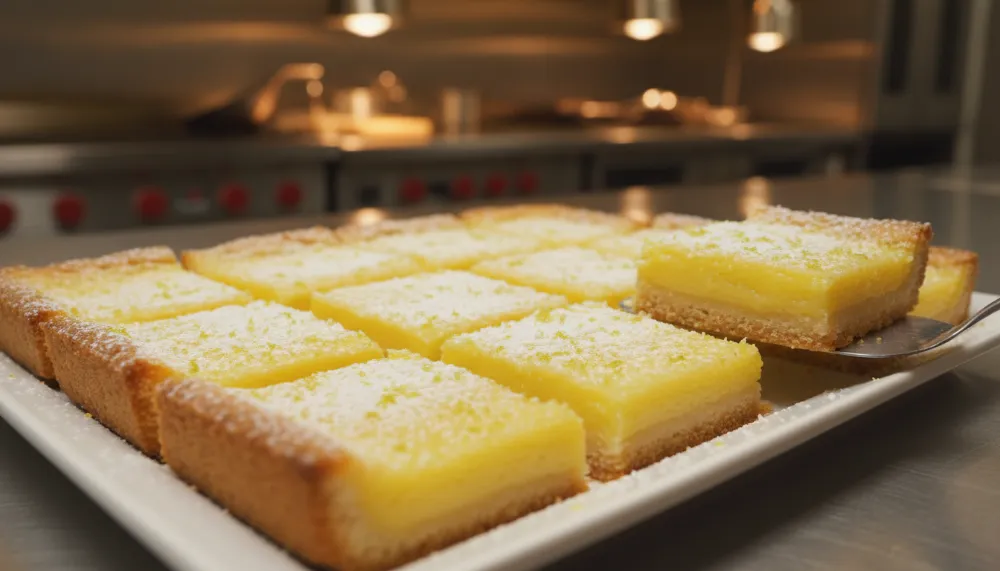

These vibrant and tangy bars feature a buttery shortbread crust and a silky lemon filling that perfectly balances sweet and tart flavors. If you are searching for a dessert that is as simple to make as it is elegant to serve, these Easy Gluten Free Lemon Bars are the definitive choice for every occasion.
Easy Gluten Free Lemon Bars
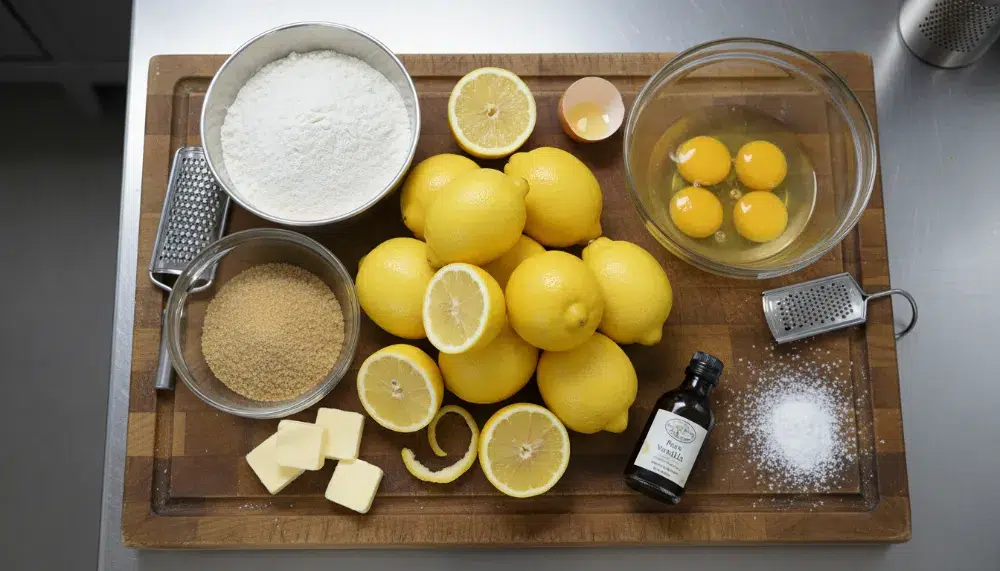
Ingredients
- 1 2 cups Gluten-Free All-Purpose Flour Blend
- 2 1/2 cup Granulated Sugar (for crust)
- 3 1 cup Unsalted Butter, cold and cubed
- 4 1/2 tsp Fine Sea Salt
- 5 6 Large Eggs, room temperature
- 6 2 1/2 cups Granulated Sugar (for filling)
- 7 1 cup Freshly Squeezed Lemon Juice
- 8 2 tbsp Fresh Lemon Zest
- 9 1/4 cup Gluten-Free Flour (for filling)
- 10 1 tsp Alcohol-Free Vanilla Bean Paste
Instructions
- 1 Preheat your oven to 350°F (175°C) and line a 9×13 inch baking pan with parchment paper, leaving an overhang on the sides for easy removal.
- 2 In a food processor, pulse 2 cups of gluten-free flour, 1/2 cup sugar, and salt. Add cold butter and pulse until a crumbly dough forms.
- 3 Press the dough firmly into the bottom of the prepared pan. Bake for 18 to 22 minutes or until the edges are lightly golden.
- 4 While the crust bakes, whisk together the eggs, 2 1/2 cups sugar, lemon juice, lemon zest, 1/4 cup flour, and alcohol-free vanilla until smooth.
- 5 Pour the filling over the hot crust immediately after it comes out of the oven.
- 6 Return to the oven and bake for another 25 to 30 minutes until the center is set.
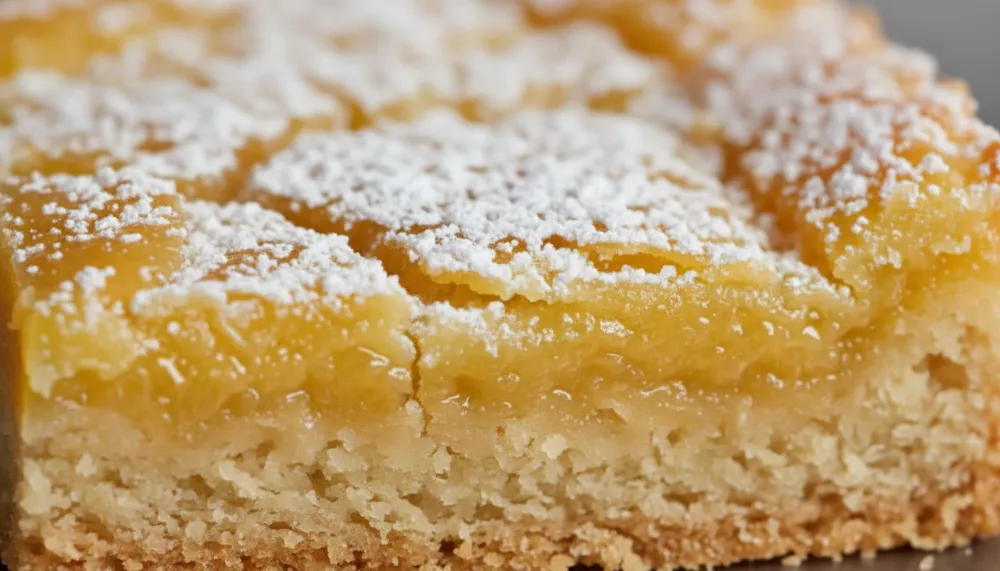
- 7 Cool completely in the pan on a wire rack, then refrigerate for at least 2 hours before slicing. Dust with powdered sugar if desired.
The Historical Journey of the Easy Gluten Free Lemon Bar
The lemon bar, as we recognize it today, is a quintessentially American dessert that found its footing in the mid-20th century. While lemon curd and shortbread have independent histories reaching back to the 12th century Scottish kitchens and 19th century British tea rooms, the concept of a layered “bar” cookie only truly gained traction in the 1960s. On August 27, 1962, a home cook named Eleanore Mickelson submitted a recipe to the Chicago Daily Tribune for a “favorite recipe” contest. This moment marked the birth of the modern lemon square, which was quickly adopted by Betty Crocker and immortalized in the 1963 edition of the Cooky Book. Since then, the dessert has become a staple of bake sales, garden parties, and family gatherings across the country.
The evolution of the “Easy Gluten Free Lemon Bar” represents the modern baker’s response to a changing dietary landscape. In the early 2000s, as awareness of gluten sensitivities and autoimmune conditions increased, the challenge was to recreate the specific “snap” of a shortbread crust without the use of wheat flour. Bakers experimented with rice flour, almond meal, and cornstarch to replicate the tender yet firm base that can support a heavy, acidic custard. Today, the gluten-free version is often considered superior by many foodies because the use of nut flours like almond meal can actually enhance the flavor profile, adding a subtle earthiness that balances the citrus punch.
Mastering the Science of the Gluten-Free Shortbread
Creating a successful gluten-free shortbread requires an understanding of structural integrity. In a traditional wheat-based crust, gluten provides the elastic web that holds the flour together. Without it, the crust can become crumbly or sandy. To achieve a professional result, many chefs recommend a blend of flours that includes a high ratio of starch, such as tapioca or potato starch, paired with a more substantial flour like brown rice flour. This creates a cohesive texture that doesn’t fall apart when you lift the bar from the pan.
Essential Tools for Baking Success
To achieve the perfect texture and consistency for your Easy Gluten Free Lemon Bars, having the right equipment is non-negotiable. Here are our top professional recommendations:
- Cuisinart 8 Cup Food Processor: https://amzn.to/47Nhbg8 (Why Perfect: Fast chopping and slicing, meal prep essential. This is the gold standard for pulsing cold butter into gluten-free flour to ensure a flaky crust without overworking the dough.)
- Ninja BN751 Professional Plus DUO Blender: https://amzn.to/3LCDyNR (Why Perfect: 1000W motor, perfect for ensuring your lemon filling is completely aerated and free of any lumps, especially if you are adding botanical elements like rosemary.)
- Cosori 9-in-1 TurboBlaze Air Fryer 6 Qt: https://amzn.to/4hRWmVq (Why Perfect: Roasts chickpeas and vegetables perfectly, large family capacity. While primarily for other meals, its precision heating can be used for small-batch toasted almond toppings.)
- Rubbermaid Brilliance Glass Storage Set of 9: https://amzn.to/4oD0YkY (Why Perfect: Perfect for meal prep storage, leak-proof, stackable. These are ideal for storing your lemon bars in the fridge to keep the crust crisp and the filling fresh.)
- FoodSaver Vacuum Sealer Machine: https://amzn.to/4qWgVnS (Why Perfect: Keeps ingredients fresh longer, prevents freezer burn. Use this if you plan to freeze your lemon bars for future events.)
Professional Flavor Variations: Elevating the Standard
While the classic lemon bar is a masterwork of simplicity, professional pastry chefs often use it as a canvas for more complex flavor profiles. By adding botanical infusions or exotic spices, you can transform these Easy Gluten Free Lemon Bars into a gourmet experience. One popular variation involves the use of culinary-grade lavender. By pulsing the lavender buds into the sugar before mixing it with the flour, you infuse the entire crust with a floral aroma that beautifully complements the acidity of the lemon.
Herbal and Botanical Infusions
Rosemary and thyme are also exceptional additions. Finely minced fresh rosemary can be massaged into the sugar for the curd, providing a piney, earthy note that cuts through the sweetness. If you prefer a more “garden-fresh” profile, replacing some of the granulated sugar with honey and adding fresh thyme leaves to the filling creates a sophisticated flavor that pairs well with a glass of sparkling water or an afternoon tea. Always ensure any herbs are washed and dried thoroughly to prevent excess moisture from affecting the bake.
The Tropical Twist
For those looking for something truly unique, the Lilikoi variation is a fan favorite. By replacing half of the lemon juice with passion fruit juice, you create a deeper, more exotic flavor profile. Similarly, using blood oranges instead of standard lemons provides a natural pink hue, often referred to as “Pink Lemonade Bars,” with a slightly sweeter, berry-like citrus finish. These variations are especially popular for summer weddings and outdoor events where visual appeal is just as important as taste.
Nutritional Deep Dive: Almond Flour vs. Traditional Blends
When making Easy Gluten Free Lemon Bars, the choice of flour significantly impacts the nutritional profile. Traditional wheat-based bars are high in refined carbohydrates and low in fiber. However, a gluten-free version using almond flour can offer significant nutritional benefits. Almond flour is naturally rich in Vitamin E, magnesium, and healthy monounsaturated fats. A bar made with an almond-based crust may contain 3 to 5 grams of protein, compared to the negligible amount found in wheat versions. Furthermore, for those watching their glycemic index, replacing white sugar with natural sweeteners like maple syrup or honey can provide a slower energy release, though the traditional texture may vary slightly.
The Importance of Alcohol-Free Vanilla
To maintain strict dietary compliance and ensure the recipe is accessible to everyone, it is vital to pay attention to the labels on your extracts. Most standard vanilla extracts are made by macerating vanilla beans in a solution of water and at least 35% alcohol. For many households, this is a restricted ingredient. To achieve that deep, aromatic vanilla flavor without the use of alcohol, we recommend using alcohol-free vanilla bean paste or the seeds scraped directly from a whole vanilla bean. These alternatives provide a much more intense flavor and the beautiful visual of tiny black vanilla specks throughout the lemon filling.
Troubleshooting the Perfect Set
The most common issue when making lemon bars is the “soggy bottom” or a filling that fails to set. To prevent a soggy crust, it is imperative to pour the filling over the crust while the crust is still hot. This creates a seal between the layers. If the filling isn’t setting, it usually means the eggs weren’t at room temperature or the oven temperature was inconsistent. Using a reliable oven thermometer is a small investment that pays off in baking precision. Additionally, do not be tempted to cut the bars too early. They need at least two hours of refrigeration to fully firm up, allowing the proteins in the eggs to bond with the sugar and acid for that perfect, clean slice.
Storage and Preparation Tips
Easy Gluten Free Lemon Bars are the perfect make-ahead dessert. They actually taste better after a day in the refrigerator as the flavors have time to meld. For long-term storage, you can freeze the bars for up to three months. Wrap them individually in parchment paper and then place them in a vacuum-sealed bag using your FoodSaver machine to prevent freezer burn. When you are ready to serve, thaw them in the refrigerator overnight and give them a fresh dusting of powdered sugar just before they hit the table. This keeps the sugar from dissolving into the moisture of the bars and ensures they look professional and appetizing.