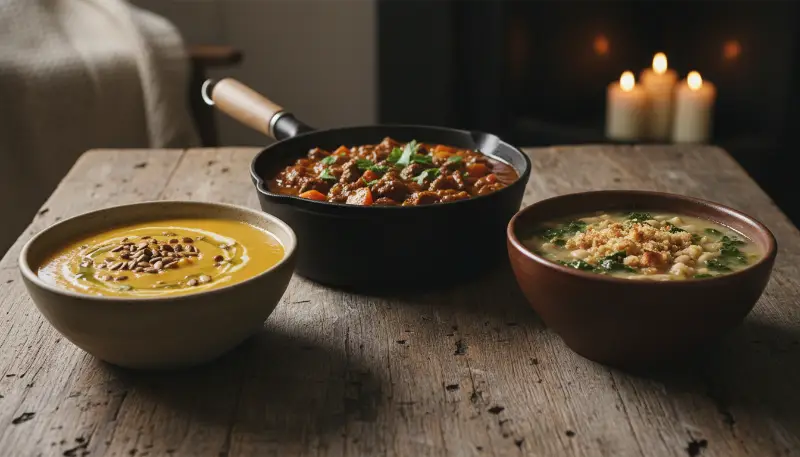

Embrace the chill with soul-warming cozy winter soups, your ultimate guide to hearty, comforting, and easy winter recipes designed to nourish and delight throughout the colder months.
As the days grow shorter and a crisp chill fills the air, there’s nothing quite like a steaming bowl of soup to bring warmth and comfort to your home. Cozy winter soups are more than just a meal, they are an invitation to slow down, savor rich flavors, and gather around the table. Whether you’re craving a rich, creamy concoction or a chunky, hearty stew packed with vegetables and protein, these winter warming recipes are the epitome of comfort food. We’ve compiled the ultimate guide to help you create delicious, soul-satisfying soups that will become staple easy winter recipes in your kitchen.
Creating the perfect cozy winter soup often relies on having the right tools. To truly elevate your soup-making game, consider these kitchen essentials. For achieving exceptionally smooth purees in creamy soups, like a velvety butternut squash or tomato, the Ninja BN751 Professional Plus DUO Blender is an absolute powerhouse. Its high-performance motor makes light work of even the toughest ingredients, ensuring a silky finish every time. If you love to add a crispy garnish, perhaps roasted chickpeas or perfectly tender vegetables to your bowls, the Cosori 9-in-1 TurboBlaze Air Fryer 6 Qt is a fantastic choice, roasting with less oil and offering a generous capacity for family-sized portions. Speed up your meal prep, especially for complex soup recipes requiring a lot of chopping, slicing, and shredding, with the indispensable Cuisinart 8 Cup Food Processor. It’s a true game-changer for getting ingredients ready in a flash. And once your delicious creation is made, proper storage is key for enjoying leftovers. The Rubbermaid Brilliance Glass Storage Set of 9 is crystal clear, leak-proof, and stackable, making it ideal for keeping your hearty soups fresh. For those who love to cook in bulk or want to preserve ingredients for longer, preventing freezer burn and extending freshness up to 5x, a FoodSaver Vacuum Sealer Machine is a smart investment, perfect for keeping your base ingredients or prepared soups at their peak.
Essential Ingredients for Your Cozy Winter Soups
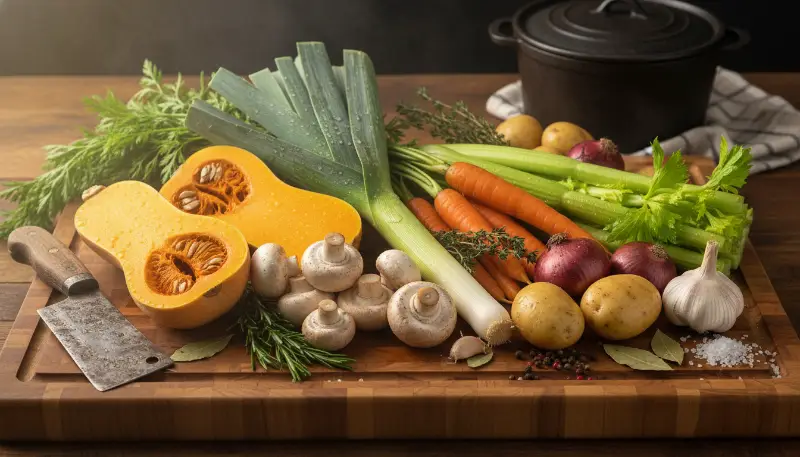
Building a truly comforting soup begins with a thoughtful selection of fresh, flavorful ingredients. Here’s a comprehensive list of what you’ll frequently find in the best cozy winter soup recipes.
Aromatics & Flavor Base
- Onions: Yellow, red, or shallots
- Garlic: Fresh cloves, minced
- Celery: Stalks, diced
- Carrots: peeled and chopped
- Leeks: White and light green parts, cleaned and sliced
- Ginger: Fresh gingerroot, grated or minced
Vegetables & Legumes
- Potatoes: Russet, sweet potatoes
- Butternut Squash: Cubed
- Broccoli: Florets
- Cauliflower: Florets
- Kale: Destemmed and chopped
- Spinach: Fresh, roughly chopped
- Cabbage: Shredded
- Tomatoes: Diced, crushed, or pureed (canned)
- Lentils: Green, red, or split peas
- Beans: Black beans, cannellini, white beans, great northern, chickpeas
- Hominy
- Parsnips
- Mushrooms: Sliced or whole
Proteins
- Chicken: Breasts, thighs, rotisserie, or ground
- Sausage: Pork, turkey, or chorizo
- Bacon or Pancetta: Diced
- Beef: Ground, stew meat, or brisket
- Ham or Ham Hocks
- Meatballs: Pork or turkey
- Clams
- Tofu: Firm or extra-firm, pressed and cubed
Liquids & Dairy
- Broth: Chicken, vegetable, or beef
- Water
- Coconut milk: Full-fat or light
- Heavy cream or Milk
- Canned tomatoes or Tomato paste
- Clam juice
Starches & Grains
- Noodles: Egg, ramen, or soba
- Pasta: Orzo, gnocchi, elbow macaroni, or broken lasagna noodles
- Rice: White or wild rice
- Barley
Fats & Oils
- Olive oil
- Butter
Seasonings & Herbs
- Salt & Black Pepper
- Bay leaves
- Thyme: Fresh or dried
- Parsley: Fresh, chopped
- Cilantro: Fresh, chopped
- Chives: Fresh, chopped
- Cumin: Ground
- Turmeric: Ground
- Smoked Paprika
- Cayenne pepper or Red pepper flakes
- Curry powder or Red curry paste
- Whole spices: Star anise, cinnamon, cloves, fennel seeds, coriander seeds
- Lemon juice or Lime juice
- Soy sauce
- Fish sauce
- Pesto
- Harissa
Toppings & Garnishes
- Cheese: Cheddar, Parmigiano-Reggiano, or Gruyère, shredded or grated
- Yogurt or Sour cream: A dollop
- Croutons, Crusty bread, Naan, or Pita
- Avocado: Sliced or diced
Crafting Your Perfect Cozy Winter Soup: A Step-by-Step Guide
While every soup recipe has its unique flair, most comforting winter soups follow a similar, easy-to-master process. Follow these general steps to create your next favorite hearty soup.
- Preparation (Mise en Place): Start by gathering all your ingredients. Chop your onions, garlic, celery, carrots, and any other vegetables. Dice your proteins if needed. Measure out your liquids and spices. This crucial step ensures a smooth and enjoyable cooking experience, preventing last-minute rushes.
- Sauté Aromatics: In a large, heavy-bottomed pot or Dutch oven, heat a tablespoon or two of olive oil or butter over medium heat. Add your diced onions, celery, carrots, leeks, or shallots. Sauté for 5-10 minutes, or until they are softened and fragrant. In the last minute, stir in minced garlic and ginger to prevent them from burning.
- Brown Proteins (if applicable): If your soup calls for meat, such as ground sausage, bacon, or stew beef, add it to the pot after the aromatics. Brown thoroughly, breaking up any clumps. If using bacon or fatty sausage, you may want to drain some of the excess fat before proceeding. Cooked chicken can be added later in the process.
- Add Other Vegetables & Spices: Introduce harder vegetables like potatoes, butternut squash, or other root vegetables. Stir in your dried herbs and spices at this stage, such as thyme, cumin, or smoked paprika. Sauté for another few minutes, allowing the spices to toast lightly and release their aromatic flavors.
- Deglaze and Add Liquids: If there are delicious browned bits stuck to the bottom of your pot, pour in a splash of broth or water to deglaze, scraping with a wooden spoon to loosen them. This adds incredible depth of flavor. Then, pour in your main liquid base, such as chicken, vegetable, or beef broth, along with any canned tomatoes or coconut milk.
- Simmer to Perfection: Bring the soup to a gentle boil, then reduce the heat to low, cover partially, and let it simmer. This simmering phase is where the magic happens, allowing all the flavors to meld and the vegetables to become tender. Simmer for 20-60 minutes, depending on the ingredients. If using legumes like lentils or beans, add them here, following their specific cooking times.
- Incorporate Delicate Ingredients & Starches: Towards the end of the simmering time, add any quicker-cooking ingredients. This includes leafy greens like kale or spinach, which only need a few minutes to wilt, and fresh herbs like parsley or cilantro. If your recipe calls for raw pasta or noodles, add them now and cook according to package directions directly in the soup, ensuring they don’t overcook and become mushy.
- Creamy Finish (Optional): For a smooth, creamy soup, you can carefully blend a portion or all of the soup. Use an immersion blender directly in the pot until it reaches your desired consistency, or transfer batches to a regular blender (exercise caution with hot liquids). Return any blended soup to the pot. Gently stir in dairy like heavy cream, milk, or yogurt right at the very end, off the heat, to prevent curdling.
- Season & Serve: Taste your soup and adjust the seasonings. Add more salt and black pepper as needed. A squeeze of lemon or lime juice can brighten the flavors beautifully, making the soup truly sing. Serve your cozy winter soup hot, garnished with your favorite toppings, such as fresh herbs, grated cheese, crunchy croutons, or a dollop of sour cream or yogurt. For more classic soups and easy winter recipes, don’t forget to explore our full collection of recipes. You’ll find a wide variety of winter warming dishes to inspire your kitchen adventures. And for even more hearty soups and meal ideas, check out our recipe index for daily inspiration.
Cozy Winter Soups: Your Top Questions Answered
We know you have questions about making the perfect bowl of comfort. Here are answers to the most common queries about cozy winter soups.
1. What makes a soup “cozy” or “comforting”?
A soup earns its “cozy” title from a combination of factors. It often features rich, deep flavors developed through slow simmering, hearty ingredients like root vegetables, legumes, or meats, and a warming texture, whether creamy or chunky. The aroma alone can evoke feelings of home and nostalgia, making it the ultimate comfort food for cold days. The best cozy winter soups are those that leave you feeling satisfied and warm from the inside out.
2. What are the best vegetables for winter soups?
For winter soups, focus on hearty, seasonal vegetables that stand up well to simmering. Excellent choices include potatoes, sweet potatoes, butternut squash, carrots, celery, parsnips, leeks, kale, spinach, and cabbage. Mushrooms also add a wonderful umami depth. These vegetables contribute to both the texture and nutritional value of your winter warming meal.
3. How can I make my soup thicker?
There are several ways to thicken your cozy winter soups. You can blend a portion of the soup (especially if it contains starchy vegetables like potatoes or squash) with an immersion blender. Alternatively, create a roux (a mixture of butter and flour) at the beginning of the cooking process, add a cornstarch slurry (cornstarch mixed with a little cold water) at the end, or stir in a scoop of mashed potatoes or cooked rice. Legumes like lentils also naturally thicken soup as they break down.
4. Can I freeze winter soups? How long do they last?
Most winter soups freeze beautifully, making them excellent for meal prep. Allow the soup to cool completely before transferring it to freezer-safe containers or bags. Hearty soups without delicate dairy or pasta tend to freeze best. They can last for 3-6 months in the freezer. Creamy soups with heavy cream or milk might separate slightly upon thawing, but a good stir or re-blend usually fixes this. For optimal freshness, consider using a FoodSaver Vacuum Sealer to prevent freezer burn, especially for bulk cooking of classic soups.
5. What are some healthy winter soup options?
Many cozy winter soups are inherently healthy! Focus on recipes rich in vegetables and lean proteins, like lentil soup, chicken vegetable soup, or a hearty minestrone. Using vegetable broth, limiting heavy creams (or using coconut milk as a healthier alternative), and packing in plenty of leafy greens like kale or spinach can make your soups incredibly nutritious and satisfying. These are fantastic easy winter recipes for maintaining well-being.
6. How can I add more flavor to my soup?
To prevent bland soup, layering flavors is key. Start with a robust aromatic base (onions, garlic, celery, carrots). Toast your dried spices before adding liquid. Use good quality broth. A dash of acid at the end, like lemon juice or vinegar, can brighten flavors significantly. A pinch of red pepper flakes adds a subtle warmth. Don’t forget to taste and adjust seasonings frequently throughout cooking.
7. What kind of bread pairs well with winter soups?
Crusty bread is a classic companion for cozy winter soups. Think sourdough, a rustic whole-grain loaf, or a warm baguette for dipping. Garlic bread, cheesy bread, or even warm naan or pita bread also make excellent choices, perfect for soaking up every last drop of your hearty soups.
8. Can I make these soups in a slow cooker or Instant Pot?
Absolutely! Many cozy winter soup recipes adapt wonderfully to slow cooker or Instant Pot preparation. These methods are perfect for developing deep flavors with minimal effort. Typically, you’ll sauté aromatics and brown proteins first (if desired), then combine all ingredients (except delicate items like fresh herbs or cream) in your chosen appliance and cook until tender. Adjust liquid amounts as needed for pressure cooking.
9. What are some good vegetarian or vegan cozy winter soups?
There are countless delicious vegetarian and vegan options for cozy winter soups. Lentil soup, split pea soup, hearty vegetable and barley soup, creamy roasted butternut squash soup (using coconut milk), and mushroom and wild rice soup are excellent choices. Many meat-based recipes can be easily adapted by substituting vegetable broth and plant-based proteins like tofu, chickpeas, or various beans, ensuring everyone can enjoy winter warming comfort food.
10. How do I prevent my soup from being bland?
Preventing blandness comes down to a few key techniques:
- Build a Strong Base: Always start by sautéing aromatics until deeply softened.
- Layer Flavors: Add spices early to toast, use tomato paste for umami, and deglaze the pot.
- Quality Broth: A good quality broth makes a big difference.
- Season Throughout: Don’t wait until the end to season. Add salt and pepper in stages.
- Add Acid: A squeeze of lemon or lime juice, or a splash of vinegar, brightens everything up.
- Fresh Herbs: Stir in fresh parsley or cilantro at the end for a burst of freshness.
- Taste, Taste, Taste: The most important rule: continually taste and adjust!
As an Amazon Associate and affiliate partner, we may earn commissions from qualifying purchases made through links on this page. This comes at no extra cost to you and helps support our site.