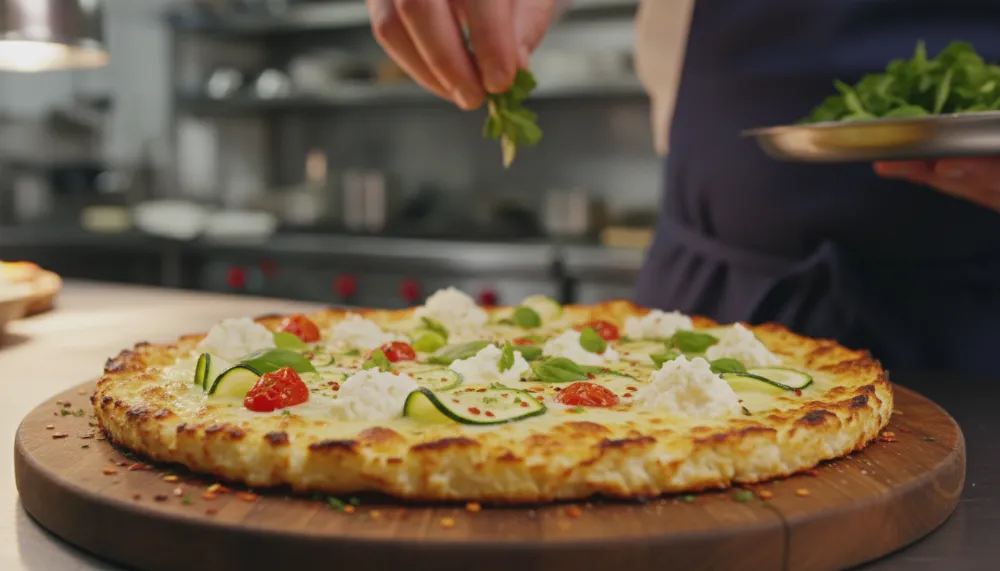

Experience the ultimate culinary revolution with this Cottage Cheese Pizza Crust (High Protein Low Carb), a nutrient-dense alternative that delivers incredible flavor and a satisfyingly crispy texture. This recipe transforms humble dairy into a high-performance meal perfect for anyone looking to increase their protein intake while keeping carbohydrates to a minimum.
Cottage Cheese Pizza Crust (High Protein Low Carb)
Ingredients
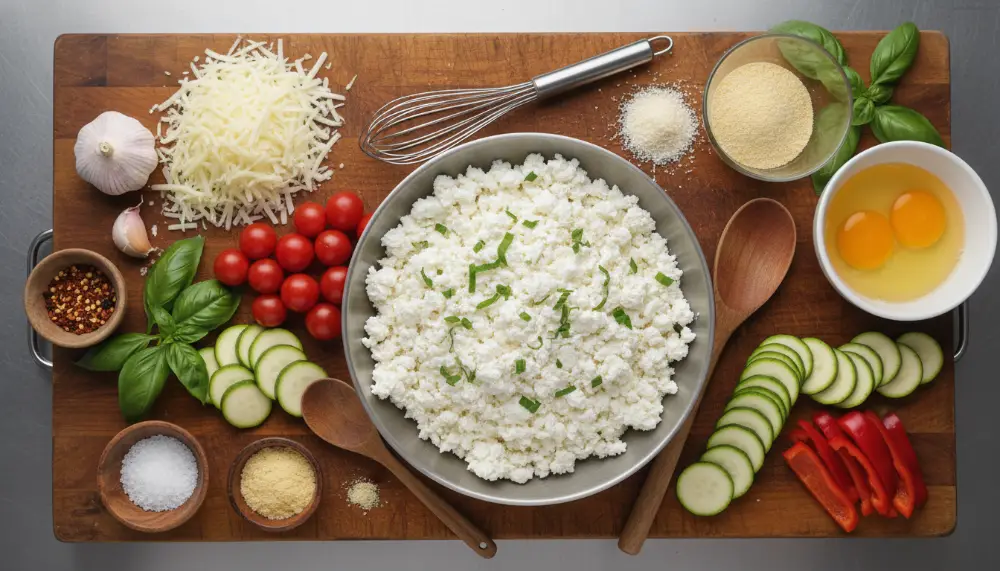
- 1 1 cup Low-fat or full-fat cottage cheese
- 2 2 Large eggs
- 3 1 tsp Garlic powder
- 4 1 tsp Dried oregano
- 5 1/4 cup Almond flour (optional for extra crispness)
- 6 1/2 tsp Salt and black pepper
Instructions
- 1 Preheat your oven to 375°F (190°C) and line a baking sheet with parchment paper.
- 2 Place the cottage cheese, eggs, and seasonings into a high-speed blender or food processor.
- 3 Blend until the mixture is completely smooth and no curds remain.
- 4 Pour the batter onto the lined baking sheet and spread it into a thin, even circle or rectangle.
- 5 Bake for 20-25 minutes until the edges are golden brown and the center is firm to the touch.
- 6 Remove from the oven, add your desired toppings, and bake for another 5-8 minutes until the cheese is melted.
The Fascinating Evolution of the Cottage Cheese Pizza Crust
The journey of the Cottage Cheese Pizza Crust (High Protein Low Carb) is a testament to the creativity of the modern culinary world. While cottage cheese has been a staple in human diets for millennia, originating in ancient Mesopotamia, its transformation into a structural component for baking is a relatively new phenomenon. Historically, cottage cheese was the first cheese officially produced in the United States in the mid-1800s, often relegated to the status of a side dish or a “diet plate” accompaniment alongside fruit or a lean protein. However, the 2024 to 2025 social media explosion changed everything. Fitness influencers and home cooks began searching for ways to enjoy comfort foods without the heavy carbohydrate load of refined white flour. By leveraging the high protein content and moisture of blended curds, they developed a batter that, when baked correctly, mimics the chewy, satisfying nature of traditional dough. This modern innovation has moved the ingredient from the periphery of the plate to the very foundation of the meal.
Detailed Nutritional Analysis
When comparing the Cottage Cheese Pizza Crust (High Protein Low Carb) to a standard wheat-based crust, the nutritional advantages are staggering. Traditional pizza dough is primarily composed of simple carbohydrates, which can lead to rapid spikes in blood sugar. In contrast, the cottage cheese base is built on a foundation of casein and whey proteins. This results in a much lower glycemic index and a significantly higher satiety factor. A typical serving of this flourless crust provides between 12g and 20g of protein, compared to only 3g to 5g in a wheat equivalent. Furthermore, it is a powerhouse of essential micronutrients, including Calcium for bone health, Vitamin B12 for energy metabolism, and Phosphorus. For those managing their weight or looking to build lean muscle mass, this crust provides the necessary building blocks without the inflammatory properties often associated with processed grains.
Equipment Recommendations for the Perfect Crust
To achieve the smooth, uniform consistency required for a successful Cottage Cheese Pizza Crust (High Protein Low Carb), the right tools are essential. We recommend the following professional-grade equipment:
- Ninja BN751 Professional Plus DUO Blender: https://amzn.to/3LCDyNR (Why Perfect: The 1000W motor ensures the cottage cheese curds are pulverized into a silky smooth batter, which is critical for a uniform bake).
- Cuisinart 8 Cup Food Processor: https://amzn.to/47Nhbg8 (Why Perfect: Excellent for quickly prepping vegetable toppings or shredding fresh mozzarella to avoid the anti-caking agents found in pre-shredded bags).
- Cosori 9-in-1 TurboBlaze Air Fryer 6 Qt: https://amzn.to/4hRWmVq (Why Perfect: If you are making smaller personal-sized crusts, the air fryer provides intense circulating heat that crisps the edges perfectly).
Professional Flavor Variations (Pork-Free & Alcohol-Free)
The beauty of the Cottage Cheese Pizza Crust (High Protein Low Carb) lies in its versatility. Because the base has a subtle, slightly tangy profile, it pairs exceptionally well with bold, savory toppings. Here are three professional ways to elevate your pizza experience while adhering to strict dietary preferences.
The Beef-Centric Gourmet
Since we avoid pork products, beef provides a rich, umami-heavy alternative. One of the most sophisticated options is a Bresaola and Arugula topping. Bresaola is an air-dried, salted beef that has been aged for several months. Once your crust is baked, top it with a thin layer of tomato sauce and mozzarella. After the second bake, drape the translucent slices of bresaola over the hot cheese. Add a handful of fresh arugula, a squeeze of lemon juice, and a drizzle of extra virgin olive oil. Another excellent option is the Steakhouse Blue, featuring shaved beef tenderloin, caramelized onions (sautéed in beef broth instead of wine), and a sprinkle of sharp blue cheese. This combination is decadent and provides a massive protein boost.
Chicken-Centric Innovations
Chicken is a lean protein that works harmoniously with the cottage cheese base. A Mediterranean Pesto pizza is a crowd-pleaser. Use a vibrant basil pesto (ensure it contains no wine-based vinegars) as your base sauce, then top with shredded rotisserie chicken, sun-dried tomatoes, and feta. For those who enjoy a bit of heat, the Buffalo Poultry variation is ideal. Toss pulled chicken breast in a cayenne-based hot sauce (using apple cider vinegar as the acid), spread it over the crust with red onions and mozzarella, and finish with a drizzle of Greek yogurt-based ranch dressing. This version is particularly effective for those seeking a high-volume, low-calorie meal.
Vegetarian Gourmet Profiles
You do not need meat to make a high-protein pizza when the crust is already doing the heavy lifting. The Truffled Mushroom pizza is a favorite among chefs. Sauté a blend of cremini and shiitake mushrooms in a little butter or oil until all their moisture has evaporated. Spread them over a white base of mozzarella and ricotta, and finish with a drop of white truffle oil. For a more adventurous palate, try the Chana Masala Twist. Use a spiced tomato and ginger sauce as the base, topped with roasted chickpeas (made crispy in your Cosori Air Fryer), roasted cauliflower florets, and fresh cilantro. This fusion approach brings a depth of flavor that is rarely seen in traditional pizza making.
The Science of the Perfect Bake: Troubleshooting and Tips
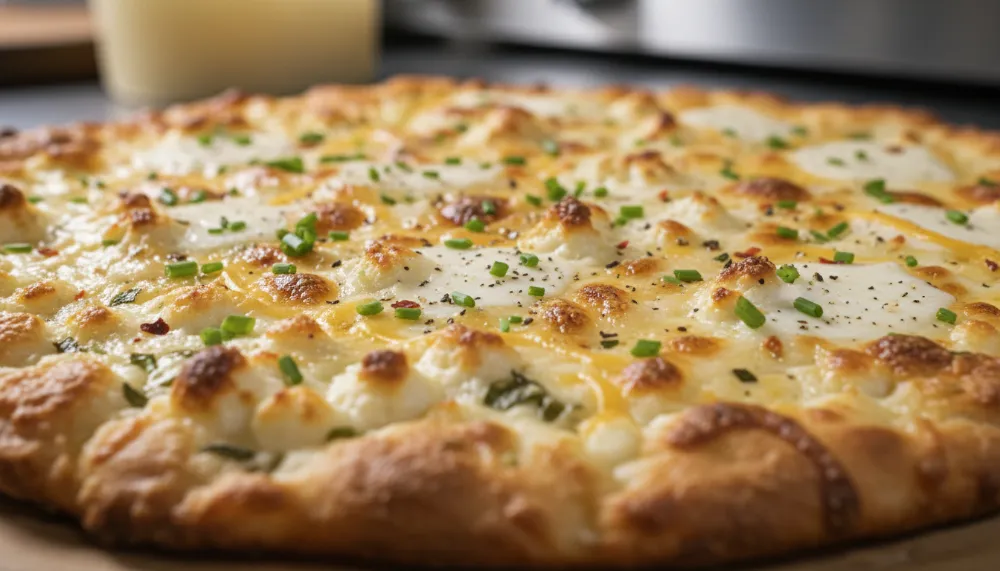
One of the most common challenges with the Cottage Cheese Pizza Crust (High Protein Low Carb) is moisture control. Because cottage cheese has a high water content, the baking process must be precise. First, always use parchment paper, not wax paper or just a greased pan. The parchment allows the bottom of the crust to release steam, aiding in the crisping process. If you find your crust is too soft, consider adding a small amount of almond flour or coconut flour to the batter, these flours act as absorbents, providing more structural integrity without significantly raising the carb count. Another professional tip is the par-bake. You must bake the crust entirely on its own until it is firm and starting to brown before you ever think about adding sauce. If you add wet toppings to a raw batter, you will end up with a soggy mess. Finally, ensure your vegetable toppings are pre-cooked. Mushrooms, zucchini, and peppers release a lot of water when heated, which can pool on top of your crust. Sautéing them beforehand ensures your pizza remains crispy from the first bite to the last.
Meal Prep and Long-Term Storage
This crust is an excellent candidate for meal prep. You can bake several crusts at once and store them for the week ahead. To keep them fresh, use high-quality storage solutions like the Rubbermaid Brilliance Glass Storage Set (https://amzn.to/4oD0YkY), which features leak-proof seals that prevent the crust from absorbing refrigerator odors. If you want to store them for longer than a few days, the FoodSaver Vacuum Sealer Machine (https://amzn.to/4qWgVnS) is an invaluable tool. Vacuum sealing the par-baked crusts prevents freezer burn and keeps them tasting fresh for up to three months. When you are ready to eat, simply take a crust from the freezer, add your toppings, and bake at 400°F until heated through. This makes for a healthy, high-protein dinner that can be on the table in less than ten minutes.
Frequently Asked Questions
Can I use fat-free cottage cheese?
Yes, you can use fat-free cottage cheese, but be aware that it contains more moisture and less fat, which may result in a slightly more “rubbery” texture. For the best balance of flavor and crispness, 2% or 4% cottage cheese is generally recommended by culinary professionals.
Is the crust supposed to be thin or thick?
The Cottage Cheese Pizza Crust (High Protein Low Carb) performs best when spread relatively thin, about 1/4 inch thick. If the batter is too thick, the center may remain soft and omelet-like rather than developing a traditional pizza crust snap.
What can I use instead of wine for caramelizing onions?
To keep the recipe alcohol-free, you can use a high-quality beef or vegetable broth to deglaze the pan when caramelizing onions. A splash of apple cider vinegar or a bit of pomegranate juice can also provide the necessary acidity and depth of flavor that wine usually contributes.