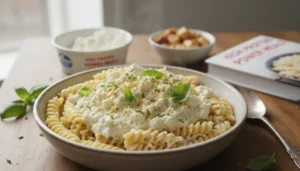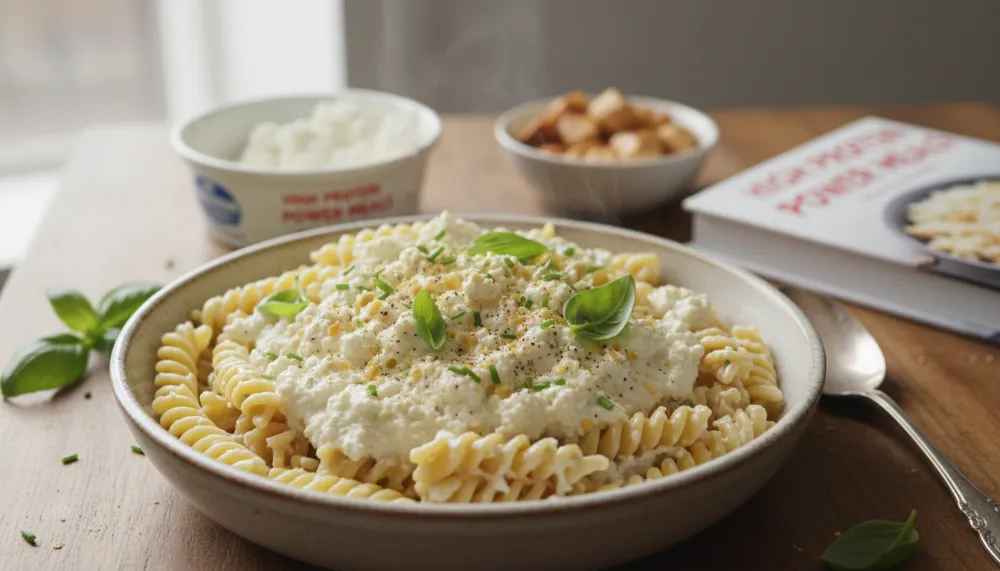

This creamy cottage cheese pasta sauce high protein recipe transforms humble ingredients into a velvety, decadent masterpiece that rivals the richest Alfredo while packing a massive nutritional punch. It is the ultimate secret weapon for health-conscious foodies seeking a luxurious, low-calorie meal that never compromises on flavor.
High-Protein Whipped Cottage Cheese Sauce
Ingredients
- 1 16 oz Tub Full-Fat Cottage Cheese (4% Milkfat)
- 2 1/2 Cup Low-Sodium Chicken Broth (or Beef Broth)
- 3 1/2 Cup Freshly Grated Parmesan Cheese
- 4 3 Cloves Garlic, Minced and Sautéed
- 5 1 Tsp Onion Powder & 1/4 Tsp Nutmeg
- 6 1 Tbsp Olive Oil (for sautéing garlic)
- 7 Salt and Cracked Black Pepper to taste
Instructions
- 1 Place the cottage cheese and chicken broth into a high-speed blender (like the Ninja BN751).
- 2 Blend on high for 60 seconds until the mixture is completely smooth with no visible curds.
- 3 In a large skillet, sauté the minced garlic in olive oil over medium-low heat until fragrant but not browned.
- 4 Lower the heat to the absolute minimum. Pour the blended mixture into the skillet.
- 5 Whisk in the Parmesan, onion powder, nutmeg, and pepper. Stir constantly until the cheese melts and the sauce is warm.
- 6 Toss immediately with your favorite hot pasta and a splash of reserved pasta water if needed for consistency.
The Modern Culinary Revolution of Cottage Cheese
Cottage cheese pasta sauce high protein has transitioned from a niche fitness-community staple to a mainstream culinary phenomenon. This transformation is driven by its ability to mimic the velvety texture of cream-based sauces while providing a substantial protein boost. For years, cottage cheese was the forgotten hero of the dairy aisle, often relegated to side dishes or quick snacks. However, the rise of high-performance nutrition and social media culinary trends has revitalized this versatile ingredient.
The secret lies in the emulsion. When you take the curds of cottage cheese and subject them to the high-speed blades of a professional blender, the cellular structure breaks down, creating a liquid that is remarkably similar to heavy cream in mouthfeel but vastly superior in nutrient density. This discovery has allowed home cooks and professional chefs alike to recreate classics like Alfredo, Carbonara (using beef bacon or chicken), and Vodka sauce (using broth reductions) without the caloric load associated with traditional dairy fats.
Why This Sauce is a Nutritional Powerhouse
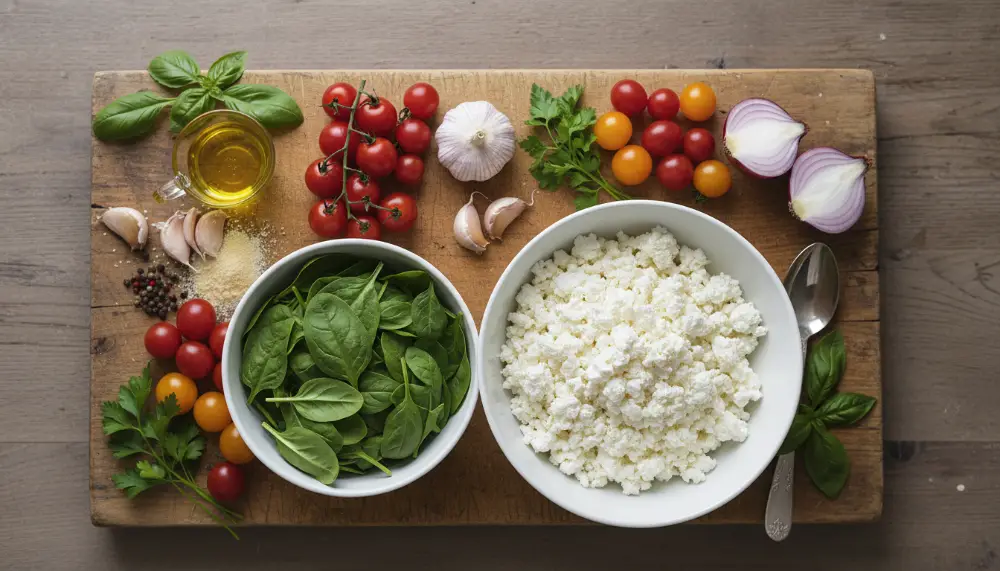
When we discuss cottage cheese pasta sauce high protein, we are looking at a fundamental shift in macro-nutrients. Traditional Alfredo sauce is predominantly fat and carbohydrates, offering very little in the way of muscle-building protein. By contrast, a single cup of cottage cheese contains roughly 25 to 28 grams of protein. When converted into a sauce, this means every serving of your pasta can deliver between 15g and 20g of protein from the sauce alone, before you even add a protein topping like grilled chicken or beef tenderloin.
Furthermore, cottage cheese is rich in casein protein, which is a slow-digesting protein that helps keep you full for longer periods. This makes it an excellent choice for evening meals, as it provides a steady stream of amino acids throughout the night. It is also an exceptional source of Vitamin B12, calcium, and phosphorus, which are essential for bone health and energy metabolism. By swapping out heavy cream for a blended cottage cheese base, you are typically reducing the calorie count by 60-70%, making this a truly “macro-friendly” alternative.
Professional Equipment: Achieving the Perfect Silk
To achieve a restaurant-quality cottage cheese pasta sauce high protein, your choice of equipment is paramount. You cannot simply whisk the curds by hand and expect a smooth result, the texture will remain lumpy and unappealing. You need high-speed shearing power to create that silk-like consistency.
- Ninja BN751 Professional Plus DUO Blender: Check Price. Why Perfect: The 1000W motor is essential for pulverizing every single curd, ensuring your sauce is indistinguishable from one made with heavy cream.
- Cuisinart 8 Cup Food Processor: Check Price. Why Perfect: If you are making a thicker variation, such as a pesto-infused cottage cheese sauce, the food processor allows for precise control over the texture while making meal prep incredibly fast.
Mastering the Heat: The “Low and Slow” Rule
One of the biggest challenges when working with cottage cheese pasta sauce high protein is the risk of curdling or graininess when the sauce is heated. Unlike heavy cream, which has a high fat content that stabilizes it at high temperatures, cottage cheese is high in protein. If you boil the sauce, the proteins will tighten and separate, leaving you with a watery mess. The professional secret is to never let the sauce reach a boil. You should heat it gently over low-medium heat and remove it the moment it is warm enough to serve. Always toss the sauce with the pasta off the heat to ensure the residual warmth of the noodles finishes the job.
Four Professional Flavor Variations
The beauty of a cottage cheese pasta sauce high protein base is its neutrality, it acts as a blank canvas for a variety of international flavor profiles. Here are four ways to elevate your base recipe while adhering to strict dietary standards.
1. The “Golden” Alfredo (White Sauce)
This variation focuses on traditional Italian aromatics. By using chicken broth to thin the sauce instead of milk, you add a layer of savory depth. A pinch of nutmeg is the “chef’s secret” that makes people wonder why the sauce tastes so authentic. Pair this with fettuccine and pan-seared chicken breast for a high-protein classic.
2. Roasted Red Pepper & Tomato (Pink Sauce)
To create a vibrant, Mediterranean-style sauce, blend your cottage cheese with jarred roasted red peppers and a tablespoon of tomato paste. For the best results, use the Cosori 9-in-1 TurboBlaze Air Fryer 6 Qt (Check Price) to roast your own bell peppers and garlic cloves first. This adds a smoky sweetness that balances the tang of the cheese perfectly.
3. Herb-Infused Verde (Green Sauce)
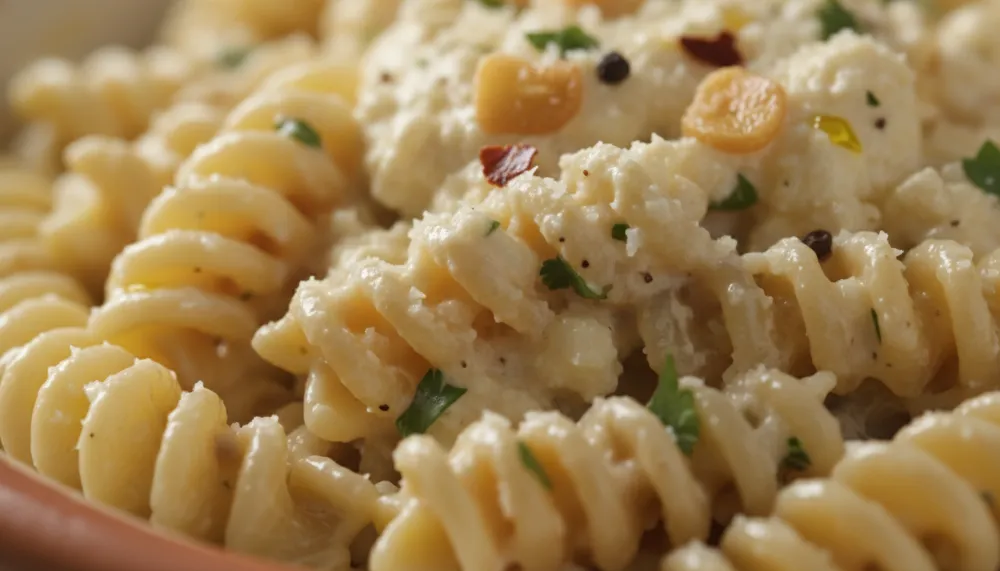
For a fresh, nutrient-dense variation, add a handful of fresh basil and baby spinach to the blender. A splash of apple cider vinegar can replace the “bite” typically provided by white wine, giving the sauce a bright, acidic finish that cuts through the richness of the dairy. This is excellent served over penne with grilled beef strips.
4. Arrabbiata (Spicy Sauce)
If you prefer heat, infuse your cottage cheese base with crushed red pepper flakes and a concentrated tomato reduction. Use a splash of white balsamic vinegar to provide the sharpness usually provided by alcohol. This sauce pairs beautifully with spicy chicken sausage (ensure no pork) or lean ground beef sautéed with onions.
Meal Prep and Storage Solutions
Because cottage cheese pasta sauce high protein is so nutrient-dense, it is a favorite for meal preppers. However, because it is a fresh dairy product, it requires proper handling to maintain its texture and safety. You should never leave the sauce at room temperature for more than two hours.
- Rubbermaid Brilliance Glass Storage Set: Check Price. Why Perfect: These are leak-proof and airtight, which prevents the sauce from absorbing other odors in the fridge. Being glass, they are also safer for reheating than plastic.
- FoodSaver Vacuum Sealer Machine: Check Price. Why Perfect: If you make a massive batch of the blended base (before heating), you can vacuum seal portions and freeze them. This keeps the base fresh for months without freezer burn.
Frequently Asked Questions
Can I use fat-free cottage cheese?
While you can use fat-free cottage cheese, the texture of your cottage cheese pasta sauce high protein will be slightly less creamy and more prone to breaking when heated. A 2% or 4% fat content provides enough lipids to create a stable, silky emulsion that mimics traditional cream sauce more accurately.
How do I reheat the leftovers?
Reheating is the trickiest part of this recipe. Do not microwave it on high power, as this will cause the sauce to separate into curds and water. Instead, reheat it in a pan on the stove over very low heat, adding a tablespoon of broth or water to loosen it up as it warms. If you must use a microwave, use 30% power and stir every 30 seconds.
Is this sauce suitable for those with gluten sensitivities?
The sauce itself is naturally gluten-free. To keep the entire meal gluten-free, simply serve it over your favorite chickpea, lentil, or brown rice pasta. This further increases the protein content of the overall dish.