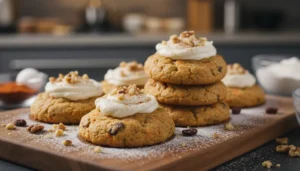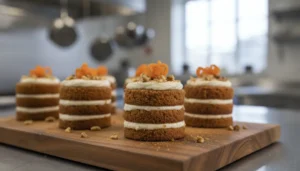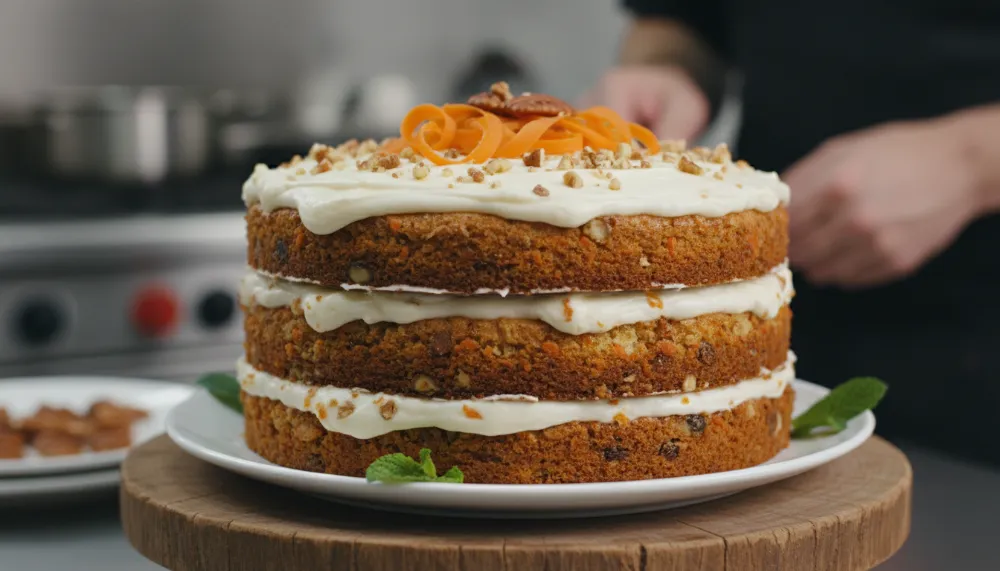

This Classic Carrot Cake is the ultimate celebration of texture and warmth, delivering a perfectly spiced crumb that remains incredibly moist for days. It is the definitive bakery-standard recipe, refined with professional techniques to ensure every slice is a decadent masterpiece.
Classic Carrot Cake with Cream Cheese Frosting
Ingredients
- 1 2 cups all-purpose flour
- 2 2 teaspoons baking powder and 1.5 teaspoons baking soda
- 3 2 teaspoons ground cinnamon, 1 teaspoon ground ginger, 0.5 teaspoon ground nutmeg
- 4 1.25 cups vegetable oil (canola or sunflower)
- 5 4 large eggs, room temperature
- 6 1.5 cups granulated sugar and 0.5 cup packed light brown sugar
- 7 2 teaspoons alcohol-free vanilla extract
- 8 3 cups finely grated carrots (about 5-6 medium carrots)
- 9 1 cup chopped pecans or walnuts
- 10 16 oz full-fat cream cheese, softened, and 0.5 cup unsalted butter, softened
- 11 4 cups sifted powdered sugar
Instructions
- 1 Preheat oven to 350°F (175°C). Grease and flour two 9-inch round cake pans or line with parchment paper.
- 2 Whisk together flour, baking powder, baking soda, cinnamon, ginger, nutmeg, and salt in a large bowl.
- 3 In a separate bowl, beat oil, granulated sugar, brown sugar, eggs, and alcohol-free vanilla until smooth and combined.
- 4 Gently fold the dry ingredients into the wet ingredients until just combined. Do not overmix.
- 5 Stir in the grated carrots and chopped nuts. Divide the batter evenly between the prepared pans.
- 6 Bake for 30 to 35 minutes, or until a toothpick inserted into the center comes out clean. Cool completely in pans.
- 7 For the frosting, beat cream cheese and butter until creamy. Add powdered sugar and alcohol-free vanilla, beating until fluffy.
- 8 Frost the first layer, top with the second, and cover the exterior with the remaining frosting.
The Fascinating History of Classic Carrot Cake
The origin of the Classic Carrot Cake is as rich and layered as the dessert itself. While modern diners might associate it with 1970s health food trends, its roots actually stretch back to the Middle Ages in Europe. During this period, sweeteners like honey and sugar were prohibitively expensive for most households. Resourceful cooks discovered that carrots, which boast one of the highest sugar contents of any vegetable, could be used to sweeten puddings and cakes without the need for refined sugar. These early incarnations, known as carrot puddings, were often boiled or steamed, sharing more DNA with a British Christmas pudding than the airy sponge we enjoy today.
The transition from a rustic pudding to a refined cake occurred over several centuries. One of the earliest formal recipes appeared in 1814 when French chef Antoine Beauvilliers included a recipe for Gâteau de Carottes in his seminal work, L’art du cuisinier. However, the Classic Carrot Cake truly found its footing in the collective consciousness during World War II. In the United Kingdom, severe sugar rationing led the Ministry of Food to actively promote carrot-based desserts. Carrots were plentiful and encouraged as a patriotic and healthy way to satisfy a sweet tooth. This era cemented the carrot’s place in the baker’s pantry, proving that vegetable-based sweets could be genuinely delicious.
The Science of a Moist Classic Carrot Cake
What sets a truly exceptional Classic Carrot Cake apart from a dry, crumbly imitation is the science of moisture retention. In traditional sponges, butter is often the primary fat, which provides excellent flavor but can result in a firmer texture when cold. In this Classic Carrot Cake, we utilize vegetable oil. Because oil is liquid at room temperature, it ensures that the crumb remains tender and silky even after refrigeration. Furthermore, the carrots themselves play a dual role, they provide structure and release moisture during the baking process, effectively steaming the cake from the inside out.
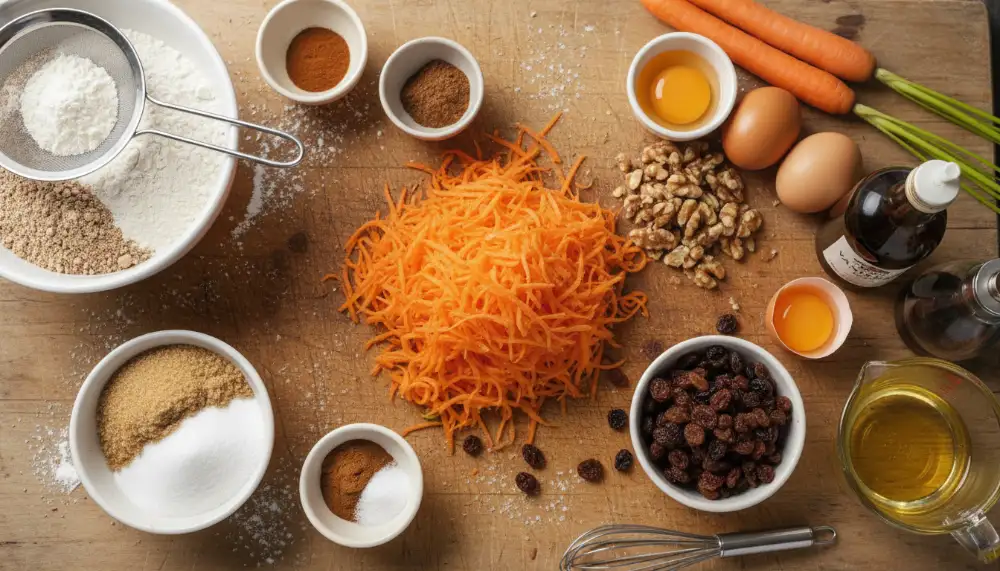
Professional bakers often take moisture a step further by incorporating hygroscopic ingredients, substances that attract and hold water molecules. Brown sugar is a prime example, as its molasses content keeps the cake humid. Some chefs also swear by the addition of crushed pineapple or a splash of orange juice. When following this Classic Carrot Cake recipe, the key is to grate your carrots fresh. Pre-shredded carrots from the grocery store are often treated with anti-clumping agents and have lost much of their natural hydration, leading to a woodier texture in the finished cake.
Choosing the Right Equipment
To achieve professional results, you need the right tools. High-quality appliances make the preparation seamless and the results consistent. For this recipe, we recommend the following essentials:
- Cuisinart 8 Cup Food Processor: https://amzn.to/47Nhbg8 (Why Perfect: This is an absolute essential for grating three cups of carrots in seconds, ensuring a uniform shred that melts into the batter).
- Ninja BN751 Professional Plus DUO Blender: https://amzn.to/3LCDyNR (Why Perfect: If you prefer a smoother texture, you can pulse a portion of the carrots or nuts to a fine consistency with this powerful 1000W motor).
- Cosori 9-in-1 TurboBlaze Air Fryer 6 Qt: https://amzn.to/4hRWmVq (Why Perfect: Use this to perfectly toast your pecans or walnuts before adding them to the batter, which deepens their flavor significantly).
The Role of Aromatic Spices
A Classic Carrot Cake is defined by its spice profile. Cinnamon is the dominant note, providing a woody sweetness that complements the earthy tones of the carrots. However, a truly sophisticated cake requires a multi-dimensional approach. We include ground ginger for a subtle heat and nutmeg for a nutty, aromatic finish. Some variations even call for a pinch of ground cloves or cardamom, but for the most authentic experience, the trio of cinnamon, ginger, and nutmeg is unbeatable.
When selecting spices, freshness is paramount. If your ground cinnamon has been sitting in the back of the pantry for three years, its volatile oils have likely evaporated, leaving you with a dull flavor. For the ultimate Classic Carrot Cake, consider grating whole nutmeg and using high-potency ginger. The interaction between these spices and the brown sugar creates a caramel-like depth that is the hallmark of a world-class dessert.
Professional Secrets for the Perfect Frosting
The cream cheese frosting is arguably as important as the cake itself. A common mistake is using low-fat cream cheese or whipping the frosting at too high a speed for too long, which can cause it to become runny. Professional bakers always use full-fat, brick-style cream cheese and ensure both the butter and cheese are at room temperature before starting. This allows for a perfectly smooth emulsion without any lumps.
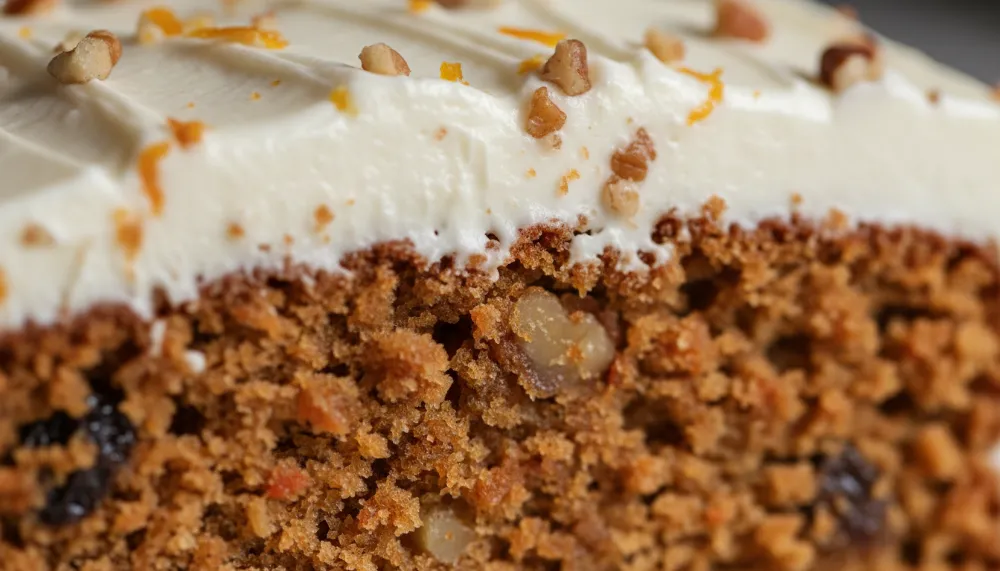
To elevate your frosting for this Classic Carrot Cake, use a high-quality, alcohol-free vanilla bean paste. This provides those beautiful black flecks and a concentrated vanilla flavor that stands up to the tanginess of the cream cheese. If you find your frosting is too soft to pipe, simply chill it in the refrigerator for 20 minutes before decorating. For long-term storage, we recommend the Rubbermaid Brilliance Glass Storage Set of 9: https://amzn.to/4oD0YkY, which is leak-proof and keeps the frosting from absorbing any refrigerator odors.
Substitutions and Dietary Considerations
This Classic Carrot Cake is incredibly versatile. For those who enjoy a more tropical flair, replacing half a cup of carrots with half a cup of well-drained crushed pineapple adds a bright acidity. If you have a nut allergy, toasted sunflower seeds or even pumpkin seeds provide a similar crunch without the risk. To maintain the highest quality of ingredients over time, consider using the FoodSaver Vacuum Sealer Machine: https://amzn.to/4qWgVnS to keep your nuts and specialty flours fresh for months.
In keeping with professional standards, we have replaced all alcohol-based extracts with alcohol-free alternatives. This change does not diminish the flavor, instead, it allows the true essence of the vanilla and spices to shine through. Additionally, while some older recipes might call for lard to grease the pans, we strictly utilize vegetable oil or butter to ensure the recipe remains accessible and consistent with modern dietary preferences.
Storing and Serving Your Masterpiece
Classic Carrot Cake is one of the rare desserts that actually improves with age. After frosting, letting the cake sit in the refrigerator for at least four hours (or overnight) allows the moisture from the frosting to penetrate the cake layers, resulting in a cohesive, melt-in-your-mouth experience. Always serve the cake slightly chilled or at room temperature for the best flavor release.
If you have leftovers, they can be stored in the refrigerator for up to five days. For longer storage, this cake freezes beautifully. Wrap individual slices in parchment paper and then foil to prevent freezer burn. When you are ready for a treat, simply thaw a slice in the fridge overnight. The robust structure of the Classic Carrot Cake ensures it holds up perfectly to the freezing and thawing process.