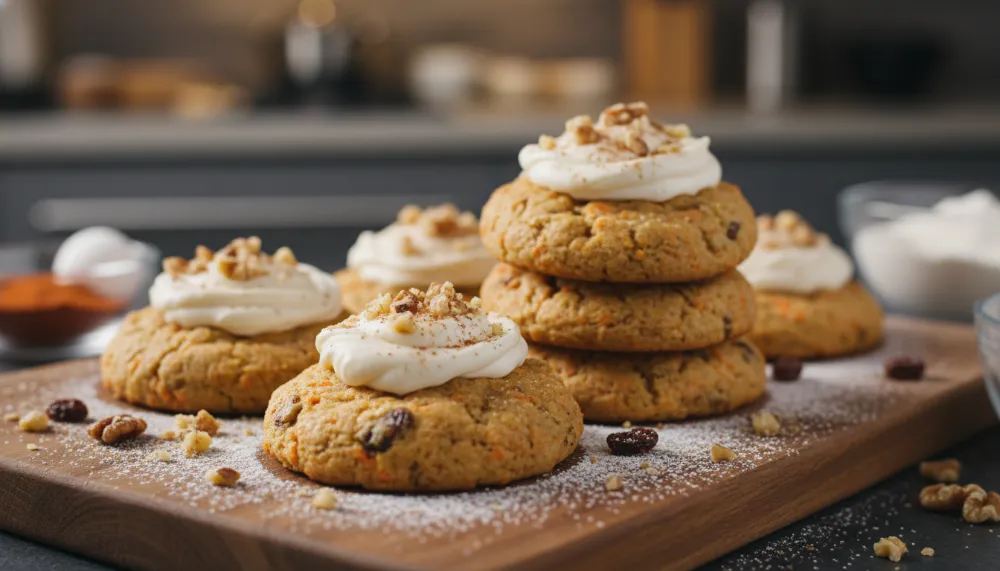

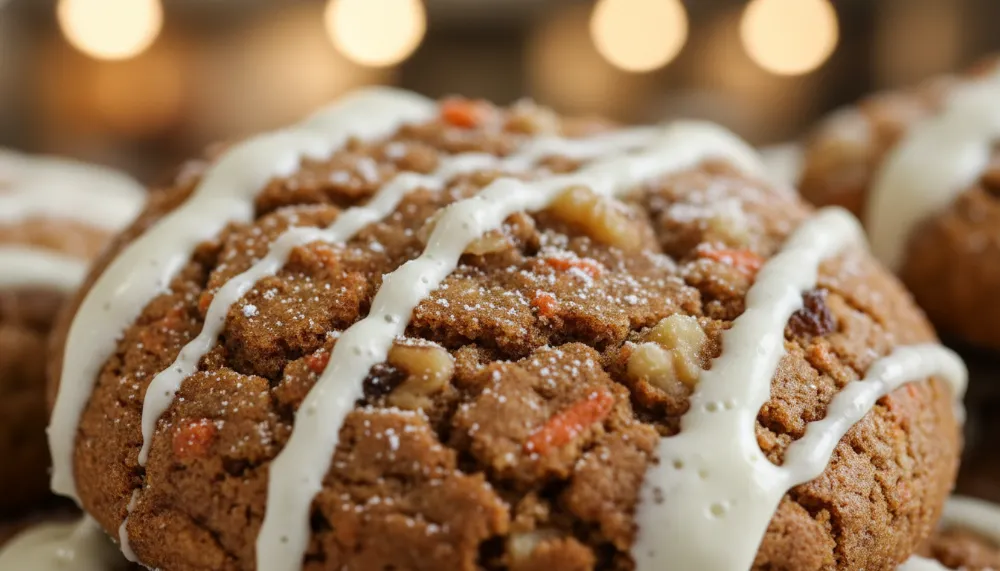
Carrot Cake Cookies are the ultimate portable dessert, expertly blending the warm, spiced soul of a classic cake with the satisfyingly chewy texture of a gourmet cookie. These treats offer a sophisticated balance of fresh sweetness and aromatic spices, topped with a rich cream cheese frosting that makes every bite unforgettable.
Signature Carrot Cake Cookies
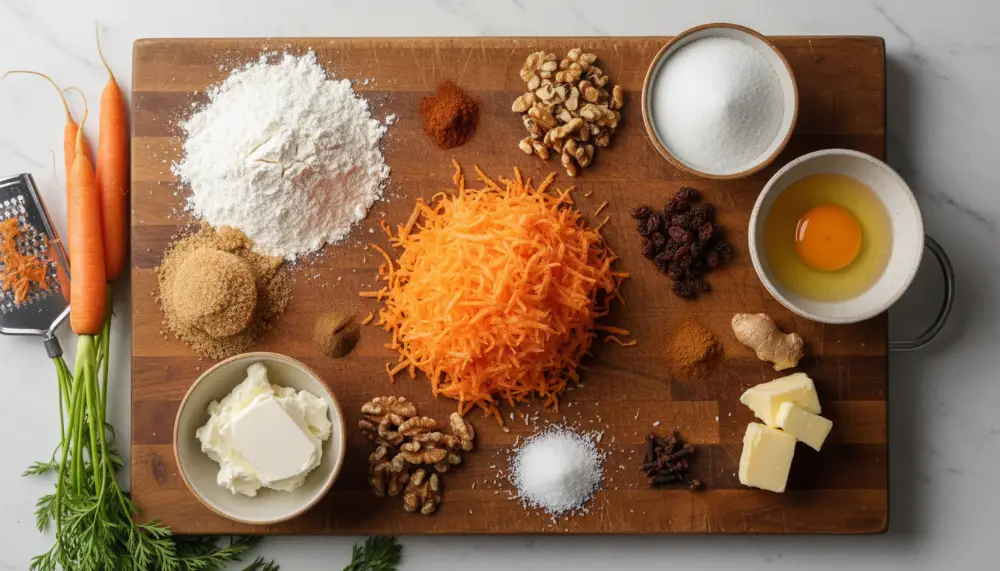
Ingredients
- 1 2 cups all-purpose flour, sifted
- 2 1 cup old-fashioned rolled oats
- 3 1 teaspoon baking soda and 1/2 teaspoon salt
- 4 2 teaspoons ground cinnamon and 1/2 teaspoon ground ginger
- 5 1 cup unsalted butter, softened
- 6 3/4 cup packed brown sugar and 1/2 cup granulated sugar
- 7 1 large egg and 1 teaspoon vanilla bean paste
- 8 1 1/2 cups finely grated carrots, moisture removed
- 9 1/2 cup chopped walnuts and 1/2 cup raisins (soaked in apple juice)
Instructions
- 1 Preheat your oven to 350°F (175°C) and line two large baking sheets with parchment paper.
- 2 In a medium bowl, whisk together the flour, oats, baking soda, salt, cinnamon, and ginger until well combined.
- 3 In a large bowl or stand mixer, cream the softened butter with both sugars until the mixture is light and fluffy, about 3 minutes.
- 4 Beat in the egg and vanilla bean paste until fully incorporated.
- 5 Gradually add the dry ingredients to the wet ingredients, mixing on low speed just until combined.
- 6 Fold in the grated carrots, chopped walnuts, and the plumped raisins by hand.
- 7 Chill the dough for 30 minutes. Scoop rounded tablespoons onto the prepared sheets and bake for 12, 14 minutes.
- 8 Allow to cool on the tray for 5 minutes before transferring to a wire rack to cool completely before frosting.
The Fascinating Culinary History of Carrot Cake Cookies
To understand the genius of Carrot Cake Cookies, one must look back at the centuries-old tradition of using root vegetables in confectionery. The concept of the carrot as a sweetener dates back to the Medieval era in Europe. During this time, refined sugar was a prohibitively expensive luxury, reserved only for the elite. Common households turned to the natural sweetness of carrots, which contain more sugar than almost any other vegetable besides the sugar beet, to create dense, steamed puddings.
The evolution from a medieval pudding to the modern Carrot Cake Cookies we adore today was heavily influenced by periods of global necessity. During World War II, the United Kingdom’s Ministry of Food faced severe sugar rationing. To keep morale high, they heavily promoted carrots as a versatile substitute. “Doctor Carrot” became a mascot of health and ingenuity, leading to the creation of carrot biscuits and wartime carrot cakes. These recipes used grated carrots and hearty oats to provide bulk and natural sweetness with minimal fat. This historical foundation is why many modern Carrot Cake Cookies still feature oats, providing a nod to their resilient, nourishing origins.
Why These Cookies Outshine the Traditional Cake
While a towering layer cake is impressive, Carrot Cake Cookies offer a unique textural experience that a sponge simply cannot replicate. The cookie format allows for a “maillard reaction” across a larger surface area, creating crisp edges that contrast beautifully with a soft, fudgy center. Furthermore, Carrot Cake Cookies are the perfect vehicle for “inclusions,” those delightful bits of texture like toasted walnuts and chewy raisins that can sometimes sink to the bottom of a traditional cake batter.
Nutritional Excellence in Every Bite
One of the hidden benefits of Carrot Cake Cookies is their surprisingly robust nutritional profile. A standard professional-grade cookie (approx. 40g) typically contains about 170 calories, but unlike many empty-calorie treats, these are packed with Vitamin A from the fresh beta-carotene in the carrots. The inclusion of oats adds a small boost of dietary fiber, while walnuts provide essential omega-3 fatty acids. By using high-quality butter and fresh vegetables, you are creating a dessert that feels as good as it tastes.
Professional Flavor Variations to Elevate Your Baking
If you want to move beyond the basic recipe, professional pastry chefs often utilize these sophisticated variations to make their Carrot Cake Cookies stand out:
- The Tropical Infusion: Add 1/4 cup of well-drained crushed pineapple and 2 tablespoons of toasted unsweetened coconut to the dough. The pineapple’s acidity perfectly balances the earthy sweetness of the carrots.
- Savory-Sweet Spice Profile: Instead of just cinnamon, use a blend of nutmeg, cloves, and a pinch of white pepper. To replace any alcohol-based extracts, use a concentrated apple juice reduction for an intense, aromatic finish.
- Zested Brilliance: Incorporate the fresh zest of one orange into the cream cheese frosting. The citrus oils cut through the richness of the fats, brightening the entire flavor profile.
- Fruit Rehydration: For a premium touch, soak your raisins or dried cranberries in warm apple juice for 20 minutes before adding them to the dough. This ensures they remain plump and juicy throughout the baking process.
Essential Kitchen Tools for Perfect Carrot Cake Cookies
To achieve professional results, you need the right equipment. Here are my top recommendations for your baking arsenal:
- Ninja BN751 Professional Plus DUO Blender: Check Price on Amazon (Why Perfect: Its powerful motor is excellent for creating smooth frostings and processing carrots if you prefer a finer texture).
- Cosori 9-in-1 TurboBlaze Air Fryer 6 Qt: Check Price on Amazon (Why Perfect: Surprisingly effective for small batch baking or even pre-toasting your walnuts for maximum flavor).
- Cuisinart 8 Cup Food Processor: Check Price on Amazon (Why Perfect: A meal prep essential that makes grating large quantities of carrots a 30-second task).
- Rubbermaid Brilliance Glass Storage Set: Check Price on Amazon (Why Perfect: Keeps your cookies fresh for days with a leak-proof, airtight seal).
- FoodSaver Vacuum Sealer Machine: Check Price on Amazon (Why Perfect: Ideal for freezing unbaked cookie dough balls for up to six months without freezer burn).
The Science of Texture: Why Grating Matters
In Carrot Cake Cookies, the way you prepare the carrots dictates the final texture. Using a box grater on the finest setting creates small shards that almost melt into the dough, providing moisture without obvious vegetable chunks. If you prefer a more “rustic” cookie, use the larger holes of the grater. Regardless of the size, the most critical step is to pat the carrots dry with a paper towel. Carrots are roughly 88% water, and excess moisture will cause your cookies to spread too much and become cakey rather than chewy.
The Role of Sugars and Fats
We use a higher ratio of brown sugar to granulated sugar in this recipe for a specific reason. Brown sugar contains molasses, which is hygroscopic, meaning it attracts and holds onto moisture. This ensures the cookies stay soft for days. The butter, which must be unsalted to control the sodium levels, provides the richness that carries the fat-soluble compounds of the cinnamon and nutmeg, allowing the spices to bloom on your palate.
Common Mistakes to Avoid
Even seasoned bakers can run into trouble with Carrot Cake Cookies. Avoid these common pitfalls:
- Overmixing the Dough: Once you add the flour, mix only until the white streaks disappear. Overworking the dough develops gluten, leading to a tough, bread-like cookie.
- Warm Butter: If your butter is too melted rather than just “room temperature soft,” your cookies will spread into flat pancakes.
- Skipping the Chill: Chilling the dough for at least 30 minutes allows the flour to fully hydrate and the fats to solidify, resulting in a thicker, more flavorful cookie.
Storing and Serving Your Masterpiece
Because these cookies contain fresh vegetables and cream cheese frosting, they require a bit more care than a standard chocolate chip cookie. Store frosted Carrot Cake Cookies in an airtight container in the refrigerator for up to 5 days. For the best flavor experience, let them sit at room temperature for 15 minutes before serving so the frosting softens and the spice notes become more pronounced.
If you wish to freeze them, it is best to freeze the un-frosted cookies. Place them on a baking sheet to flash-freeze, then transfer to a freezer-safe bag. They will stay fresh for up to 3 months. When you are ready for a treat, thaw and apply fresh frosting.