
This lemon blueberry loaf cake is the quintessential balance of tart citrus and sweet, bursting berries, offering a moist texture that melts in your mouth. Whether you are hosting a brunch or looking for a teatime treat, this recipe delivers a bakery-quality result every single time.
Lemon Blueberry Loaf Cake
Ingredients
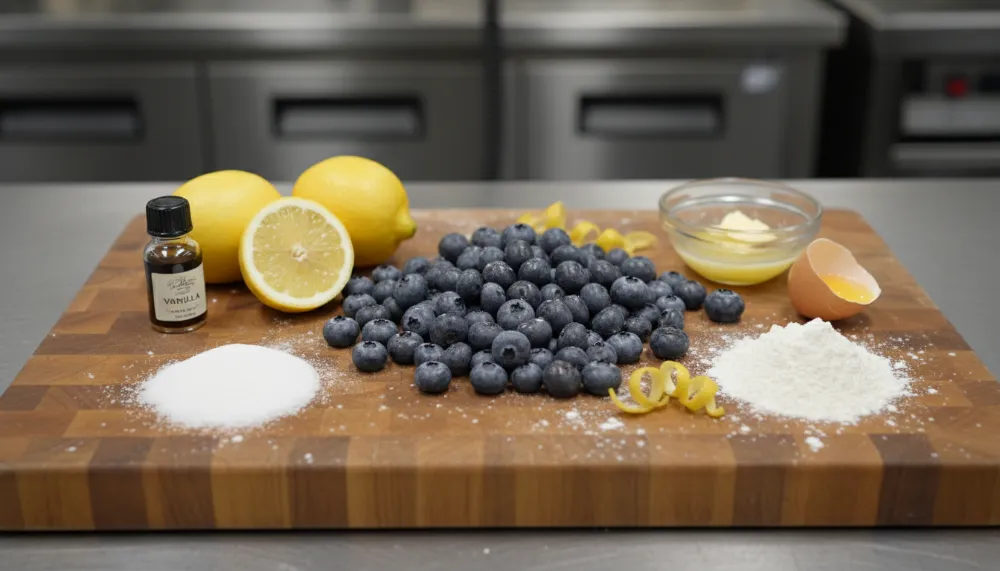
- 1 1.5 cups All-purpose flour (plus 1 tbsp for berries)
- 2 1 cup Granulated sugar
- 3 1 tsp Baking powder
- 4 1/2 tsp Salt
- 5 1/2 cup Unsalted butter, melted
- 6 2 Large eggs
- 7 1/2 cup Plain Greek yogurt
- 8 2 tbsp Lemon zest (from 2 lemons)
- 9 2 tbsp Lemon juice
- 10 1.5 cups Fresh blueberries
Instructions
- 1 Preheat oven to 350°F (175°C) and grease a 9×5 inch loaf pan.
- 2 Whisk flour, baking powder, and salt in a medium bowl.
- 3 In a large bowl, rub lemon zest into sugar until fragrant, then whisk in melted butter, eggs, yogurt, and lemon juice.
- 4 Gradually stir dry ingredients into wet until just combined. Do not overmix.
- 5 Toss blueberries with 1 tablespoon of flour and gently fold into the batter.
- 6 Pour batter into pan and bake for 55-65 minutes until a toothpick comes out clean.
The Art of the Lemon Blueberry Loaf Cake
The lemon blueberry loaf cake is far more than a simple dessert, it is a masterclass in the balancing of flavor profiles. When we look at the chemistry of baking, the interaction between the high acidity of the lemon and the natural sugars of the blueberry creates a complex taste experience. Historically, this cake traces its roots back to the classic English pound cake, but the addition of fruit and citrus transforms the dense crumb into something vibrant and refreshing. In professional kitchens, this specific loaf is often used as a benchmark for moisture control, as the moisture from the berries can easily compromise the structure of the cake if not handled with technical precision.
Historical Evolution: From European Traditions to Global Staples
As noted in culinary research, the lemon blueberry loaf cake is an evolution of the traditional English pound cake and the French quatre-quarts, which dates back to the early 18th century. These loaf style cakes were defined by a simple ratio of flour, butter, sugar, and eggs. However, the integration of blueberries is a uniquely North American contribution. Blueberries are indigenous to North America and were harvested for centuries by Indigenous peoples, such as the Algonquins, who used them in puddings and dried cakes. When European settlers arrived, they adapted their traditional loaf cake recipes to include these local wild berries, creating a fusion that has become a staple of modern baking.
Why the Lemon and Blueberry Pairing Works
The specific pairing of lemon and blueberry became a culinary staple because of flavor chemistry. Blueberries can occasionally taste flat or overly sweet when baked, the citric acid in lemons acts as a flavor enhancer that sharpens the berry’s profile and provides a necessary aromatic lift. This is known as flavor bridging, where the floral notes of the lemon zest connect with the deep, earthy sweetness of the cooked blueberry. Furthermore, the lemon juice helps stabilize the anthocyanins in the blueberries, which are the pigments responsible for their blue and purple hues, ensuring the cake remains visually striking rather than turning a muddy grey during the heating process.
Nutritional Insights: Beyond the Sweetness
While often viewed as an indulgence, a standard serving of lemon blueberry loaf cake (approximately 100g or one thick slice) provides more than just calories. It typically contains 300 to 350 kcal, 15 to 18g of fat, and 40 to 50g of carbohydrates. However, the inclusion of fresh blueberries adds a significant boost of antioxidants, particularly anthocyanins. These compounds are linked to various health benefits, including anti-inflammatory properties. Using fresh lemon also provides trace amounts of Vitamin C, though the primary nutritional value comes from the high-quality fats and whole ingredients used in a scratch-made loaf.
Professional Tips for the Perfect Crumb
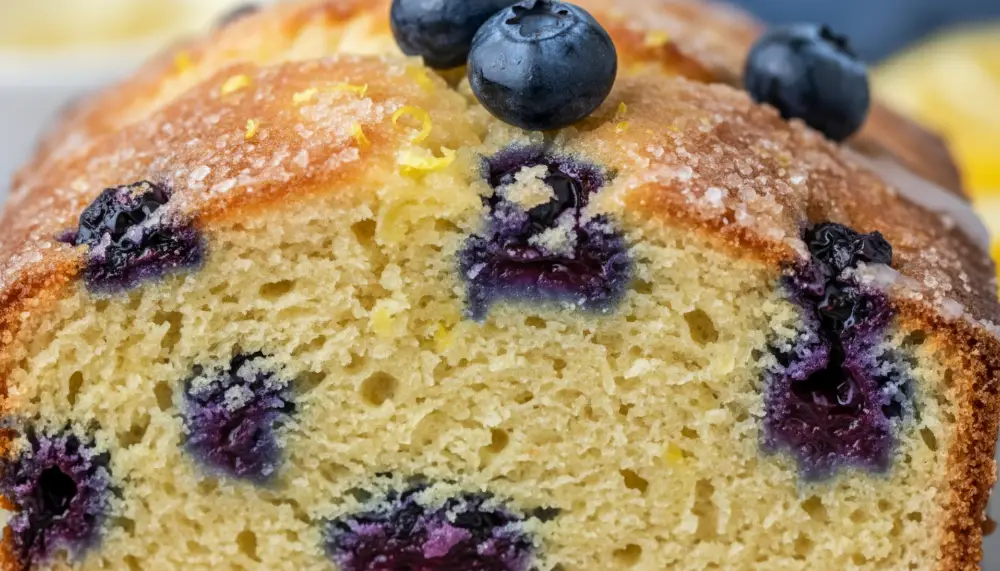
Achieving a bakery-quality lemon blueberry loaf cake requires attention to detail. One of the most common issues is berry sinking, where all the fruit ends up at the bottom of the pan. To prevent this, professional bakers toss the berries in a small amount of flour before folding them into the batter. This creates friction, allowing the berries to “grip” the batter and stay suspended during the rise. Additionally, the use of Greek yogurt or sour cream is essential. These cultured dairy products provide acidity that reacts with the leavening agents, resulting in a tighter, more uniform crumb that stays moist for days.
Recommended Tools for Success
To ensure your lemon blueberry loaf cake turns out perfectly every time, we recommend the following professional-grade tools:
- Ninja BN751 Professional Plus DUO Blender: https://amzn.to/3LCDyNR (Why Perfect: 1000W motor, perfect for pureeing a portion of berries if you want a marbled effect).
- Cosori 9-in-1 TurboBlaze Air Fryer 6 Qt: https://amzn.to/4hRWmVq (Why Perfect: Surprisingly effective for baking mini loaf cakes with a perfectly even crust).
- Cuisinart 8 Cup Food Processor: https://amzn.to/47Nhbg8 (Why Perfect: Fast for zesting large quantities of lemons and pulsing dry ingredients).
- Rubbermaid Brilliance Glass Storage Set of 9: https://amzn.to/4oD0YkY (Why Perfect: Keeps your loaf cake fresh for up to a week with an airtight, leak-proof seal).
- FoodSaver Vacuum Sealer Machine: https://amzn.to/4qWgVnS (Why Perfect: Ideal for sealing individual slices for long-term freezer storage without freezer burn).
Advanced Flavor Variations
Once you have mastered the basic lemon blueberry loaf cake, you can begin to experiment with botanical infusions and texture enhancers. Many professional pastry chefs incorporate herbs to add a sophisticated layer to the cake. For instance, a Lavender-Blueberry loaf utilizes culinary lavender buds to provide a floral counterpoint to the tart lemon. Alternatively, a Rosemary and Sea Salt variation adds a subtle savory note that balances the sugar. If you prefer a more rustic texture, replacing a portion of the all-purpose flour with polenta (cornmeal) creates a delightful crunch that contrasts with the soft berries.
Preserving Freshness and Storage
Because of the high moisture content from the lemon juice and blueberries, storage is key to preventing spoilage. A lemon blueberry loaf cake should be kept in an airtight container at room temperature for up to two days. For longer storage, refrigeration is recommended, though this can sometimes firm up the butter in the cake. To restore the texture, simply warm a slice in the oven for a few minutes. If you are baking in bulk, this cake freezes exceptionally well. Wrap individual slices in parchment paper before using a vacuum sealer to maintain the integrity of the crumb and the brightness of the citrus oils.
Frequently Asked Questions
Can I use frozen blueberries? Yes, you can use frozen berries in your lemon blueberry loaf cake. However, do not thaw them first, as this will cause the juice to bleed into the batter, turning the whole cake purple. Toss them in flour while still frozen and fold them in quickly.
How do I get a stronger lemon flavor? The secret is in the zest. Use a microplane to get only the yellow part of the skin, and rub it into the sugar before adding any wet ingredients. This releases the essential oils, which provide a much deeper flavor than juice alone.
Why did my loaf cake sink in the middle? This usually happens if the oven door is opened too early or if there is too much moisture from the berries. Ensure your baking powder is fresh and that you are measuring your flour by weight for the most accurate results.