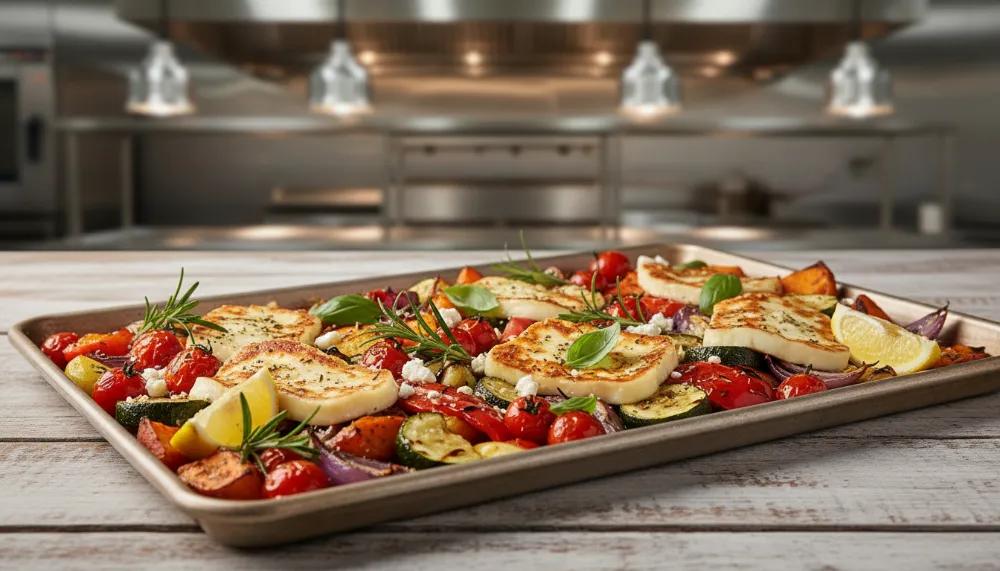

Experience the vibrant flavors of the Mediterranean with this effortless, one-pan meal that combines roasted vegetables and protein-rich legumes for a healthy dinner. This Vegetarian Mediterranean Sheet Pan recipe is the perfect solution for busy weeknights when you want a nutrient-dense feast with minimal cleanup.
Vegetarian Mediterranean Sheet Pan
Ingredients
- 1 15 oz can Chickpeas, drained and rinsed
- 2 Large Bell Peppers, chopped into chunks
- 3 Small Zucchini, sliced into rounds
- 4 Red Onion, cut into thick wedges
- 5 1 cup Cherry Tomatoes
- 6 3 tbsp Extra Virgin Olive Oil
- 7 2 tsp Dried Oregano and 1 tsp Smoked Paprika
- 8 2 cloves Garlic, minced
- 9 1 tbsp Fresh Lemon Juice
- 10 Fresh Parsley for garnish
Instructions
- 1 Preheat your oven to 400°F (200°C).
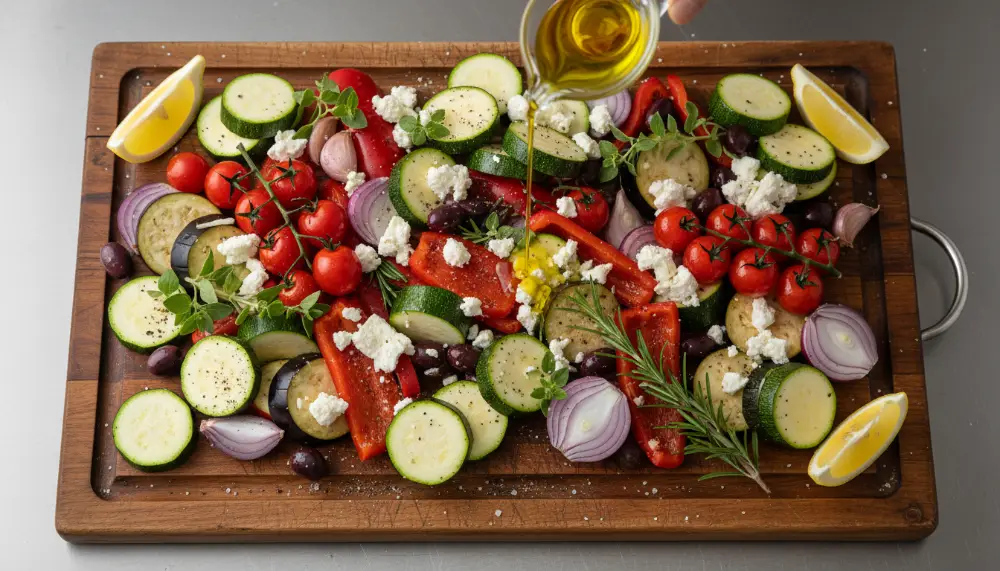
- 2 Place the chickpeas, peppers, zucchini, red onion, and cherry tomatoes on a large sheet pan.
- 3 In a small bowl, whisk together the olive oil, oregano, smoked paprika, and garlic.
- 4 Drizzle the oil mixture over the vegetables and toss to coat everything evenly.
- 5 Roast for 25 to 30 minutes, or until the vegetables are tender and slightly charred.
- 6 Drizzle with fresh lemon juice and garnish with fresh parsley before serving.
The Historical Legacy of Mediterranean Sheet Pan Cooking
The concept of a Vegetarian Mediterranean Sheet Pan might feel like a modern Instagram trend, but its culinary soul is deeply rooted in the history of the Mediterranean Basin, often referred to as the Cradle of Civilization. Thousands of years ago, the inhabitants of the Nile Valley and the Tigris-Euphrates basins laid the groundwork for a diet that emphasized the triad of staples: wheat, olives, and grapes. These early civilizations mastered the art of roasting whole ingredients over open fires and in communal clay ovens.
As trade routes expanded in the 7th century, the Mediterranean landscape welcomed a flood of new ingredients. Eggplant, spinach, citrus fruits, and a sophisticated array of spices like cumin, coriander, and saffron were introduced to the region. Historically, meat was a luxury reserved for the elite or special feast days, meaning the daily diet was naturally plant-forward. Legumes like chickpeas and lentils became the reliable backbone of human nutrition, providing the necessary protein and energy for laborers and thinkers alike.
The modern sheet pan method is essentially a Western adaptation of these communal roasting traditions. In ancient villages, families would bring their prepared trays of seasoned vegetables to a central bakery or communal oven, where the intense, dry heat would transform raw produce into caramelized, savory delights. This spirit of communal dining and simplicity is what we replicate today every time we slide a Vegetarian Mediterranean Sheet Pan into our home ovens.
Nutritional Profile: A Science-Backed Powerhouse
When you prepare a Vegetarian Mediterranean Sheet Pan, you aren’t just making a meal, you are engaging in a nutritional strategy that has been praised by dietitians for decades. This specific eating pattern is celebrated for its ability to reduce systemic inflammation and support long-term heart and brain health.
A typical serving of this roasted vegetable and chickpea blend contains between 220 and 360 calories, making it a satiating yet weight-friendly option. From a macronutrient perspective, you are looking at 10 to 16 grams of plant-based protein per serving, largely derived from the chickpeas. Furthermore, the inclusion of high-quality extra virgin olive oil ensures a healthy dose of monounsaturated fats (15 to 22 grams), which are essential for nutrient absorption and heart health.
One of the most significant benefits of the Vegetarian Mediterranean Sheet Pan is its fiber content. With 6 to 9 grams of fiber per serving, this meal supports gut health and prevents the rapid spikes in blood sugar often associated with processed carbohydrates. Additionally, the vibrant colors of the peppers and zucchini indicate high concentrations of Vitamin C, Vitamin A, and powerful antioxidants like lycopene, which combat oxidative stress in the body.
Essential Tools for Professional Sheet Pan Results
To achieve that perfect balance of tender centers and crispy edges, having the right kitchen equipment is vital. Here are some professional-grade recommendations to elevate your Vegetarian Mediterranean Sheet Pan experience:
- Ninja BN751 Professional Plus DUO Blender: https://amzn.to/3LCDyNR (Why Perfect: Its 1000W motor is ideal for creating the smooth tahini sauces or harissa pastes used to finish your sheet pan meal).
- Cosori 9-in-1 TurboBlaze Air Fryer 6 Qt: https://amzn.to/4hRWmVq (Why Perfect: If you are cooking a smaller portion, this air fryer roasts chickpeas to an incredible crunch and handles vegetables perfectly with large family capacity).
- Cuisinart 8 Cup Food Processor: https://amzn.to/47Nhbg8 (Why Perfect: This is a meal prep essential for fast chopping and slicing of zucchini and peppers, ensuring uniform cooking times).
- Rubbermaid Brilliance Glass Storage Set of 9: https://amzn.to/4oD0YkY (Why Perfect: These are perfect for storing leftovers, they are leak-proof, stackable, and keep your roasted veggies fresh).
- FoodSaver Vacuum Sealer Machine: https://amzn.to/4qWgVnS (Why Perfect: Use this to keep your fresh vegetables or bulk-purchased chickpeas fresh longer, preventing any food waste).
Professional Flavor Variations and Regional Twists
While the basic Vegetarian Mediterranean Sheet Pan is delicious, chefs often use regional profiles to create variety. By swapping a few spices or finishing garnishes, you can travel the entire Mediterranean coast from your kitchen.
The Levantine Twist
Inspired by the flavors of Lebanon and Syria, this version uses za’atar and sumac as the primary seasonings for the roasted chickpeas. Instead of a simple lemon squeeze, finish the dish with a creamy Yogurt-Tahini sauce made from plain yogurt, tahini, lemon juice, and minced garlic. The acidity of the sumac provides a bright, tart flavor that perfectly balances the earthy chickpeas.
The Greek Classic
For a Greek-inspired Vegetarian Mediterranean Sheet Pan, add cubed halloumi cheese to the tray during the last 10 minutes of roasting. Use dried oregano, thyme, and lemon zest to season the vegetables. To maintain strict dietary guidelines, replace traditional wine-based dressings with a Lemon-Herb Vinaigrette made from olive oil, apple cider vinegar, honey, and fresh dill.
The Tuscan Garden
Transport yourself to Italy by swapping chickpeas for white cannellini beans. Season the tray with fresh rosemary, sage, and garlic powder. For the finish, a balsamic glaze (made by reducing balsamic vinegar) adds a sophisticated sweetness. If the tray seems dry, a drizzle of high-quality vegetable broth can provide moisture without the need for alcohol-based deglazing agents.
The North African Flare
This variation incorporates extra-firm tofu or even denser cubes of eggplant seasoned with smoked paprika, coriander, and turmeric. The signature finish is a Preserved Lemon Gremolata, consisting of finely chopped parsley, preserved lemon peel, and garlic. This adds a pungent, salty, and citrusy punch that defines Moroccan cuisine.
Mastering the Art of the Roast: Tips and Troubleshooting
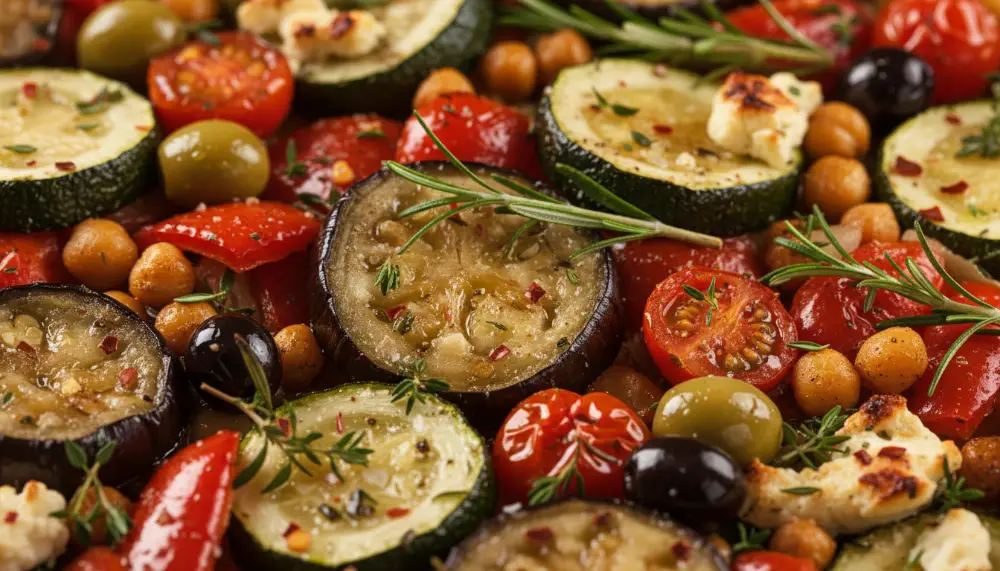
Creating the perfect Vegetarian Mediterranean Sheet Pan requires an understanding of how different vegetables react to heat. One of the most common mistakes is overcrowding the pan. When vegetables are packed too tightly, they release steam and end up mushy rather than roasted. To avoid this, use two sheet pans if necessary, ensuring every chickpea and vegetable slice has its own space to breathe.
Another professional tip is to consider the “staggered start.” Root vegetables or denser items like chickpeas might benefit from a 10-minute head start in the oven before you add delicate items like cherry tomatoes or thinly sliced zucchini. This ensures that every component reaches peak texture at the exact same moment. If you find your vegetables are sticking, ensure you are using a high-quality, heavy-duty rimmed baking sheet that distributes heat evenly across the surface.
A Note on Ingredient Substitutions
In accordance with professional standards and strict dietary requirements, certain substitutions are recommended to keep the dish vibrant and satisfying. While this is a vegetarian dish, if you are looking for that savory, salty hit often provided by cured meats like pancetta, look no further than sun-dried tomatoes or Kalamata olives. These ingredients offer a deep, umami-rich profile that satisfies the palate without the use of pork products.
Similarly, acidity is a cornerstone of Mediterranean cooking. While many traditional recipes call for wine to deglaze or add brightness, you can achieve superior results using pomegranate juice for depth or white grape juice mixed with a splash of lemon juice. These alternatives mimic the complex acidity of wine while remaining entirely alcohol-free.
Meal Prep and Longevity
The Vegetarian Mediterranean Sheet Pan is a meal prep champion. Because the roasted vegetables hold their structure well, you can prepare a large batch on Sunday and enjoy it throughout the week. Using the Rubbermaid Brilliance Glass Storage Set, you can portion out the roasted vegetables alongside a serving of quinoa or farro for a complete lunch. To keep the chickpeas from losing their texture, store the dressing separately and apply it just before eating. If you have prepared a massive amount, the FoodSaver Vacuum Sealer can help you store pre-chopped raw vegetables for a much longer period, making your weeknight assembly even faster.