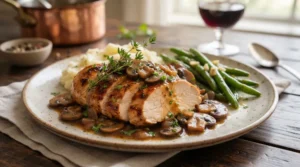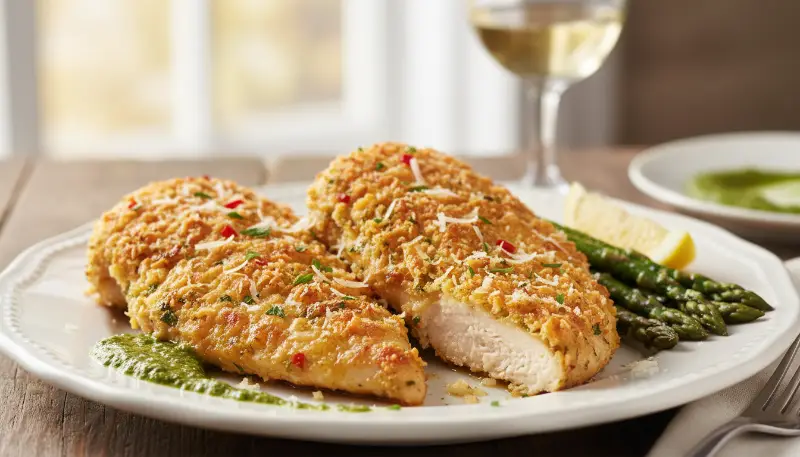

Experience the perfect crunch with this easy-to-follow Parmesan Crusted Chicken recipe that delivers restaurant-quality results in the comfort of your own kitchen. This dish combines a golden, savory exterior with tender, juicy chicken for a meal the whole family will love.
Golden Parmesan Crusted Chicken
15 MIN
20 MIN
4 PERS
Ingredients
- 1 2 large boneless skinless chicken breasts (halved horizontally)
- 2 1 cup Panko breadcrumbs
- 3 1/2 cup freshly grated Parmesan cheese
- 4 1/4 cup all-purpose flour
- 5 2 large eggs, beaten
- 6 1 tsp garlic powder and 1 tsp Italian seasoning
- 7 4 strips beef bacon, cooked until crisp and crumbled
- 8 1/2 cup chicken or beef broth (for the optional pan sauce)
- 9 3 tbsp olive oil for pan frying
Instructions
- 1 Season chicken with salt and pepper. Place flour, beaten eggs, and the mixture of breadcrumbs/Parmesan/spices in three separate shallow bowls.
- 2 Dredge each piece of chicken in flour, then egg wash, and finally press firmly into the breadcrumb and crumbled beef bacon mixture.
- 3 Heat olive oil in a skillet over medium-high heat. Fry the chicken for 4 to 5 minutes per side until the crust is golden brown and the internal temperature reaches 165°F.
- 4 To make the sauce, remove chicken from the pan, add 1 tbsp butter and 1/2 cup of broth. Simmer for 3 minutes until reduced, then pour over chicken.
Mastering the Art of Parmesan Crusted Chicken
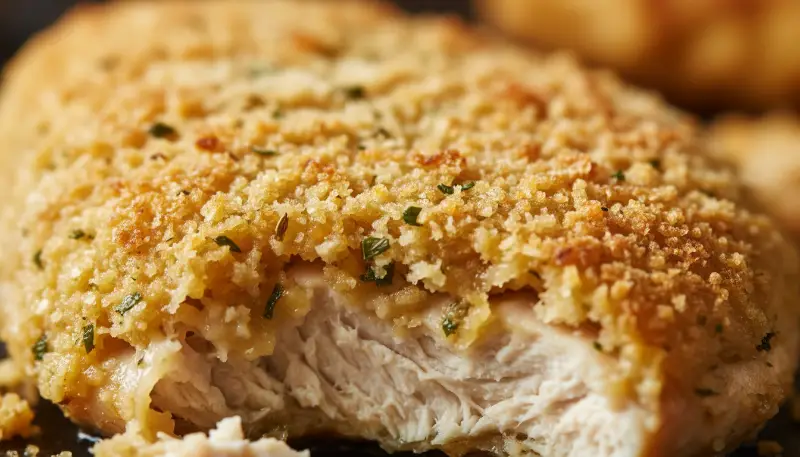
Parmesan Crusted Chicken is more than just a quick weeknight dinner, it is a versatile masterpiece that bridges the gap between casual comfort food and high-end bistro dining. The key to a truly exceptional Parmesan Crusted Chicken lies in the balance of textures. You want a crust that is audible when you bite into it, contrasted by a center so juicy it practically melts. Achieving this consistency requires a deep understanding of breading techniques, moisture management, and heat control.
When we talk about the history of breaded cutlets, we often look toward European traditions. However, the modern version of Parmesan Crusted Chicken has evolved into its own unique category. By incorporating freshly grated cheese directly into the coating, we introduce a salty, umami-rich component that regular breadcrumbs simply cannot provide. This recipe takes it a step further by introducing savory beef elements to provide a depth of flavor that usually comes from traditional cured meats. By substituting pork with crispy beef bacon, we maintain that smoky complexity while adhering to strict dietary preferences.
The Secret to the Ultimate Crispy Crust
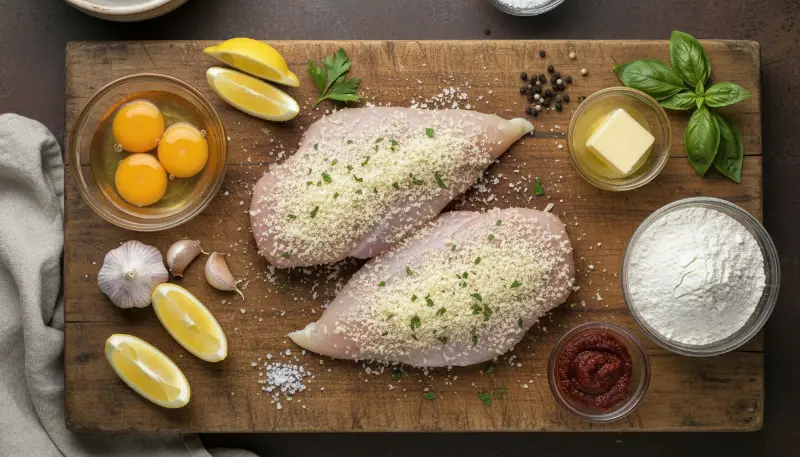
If you have ever had your breading fall off the meat, you know how frustrating it can be. The secret to a successful Parmesan Crusted Chicken is the three-step dredging process. The first step, the flour, serves as a primer. It absorbs the surface moisture of the chicken, allowing the egg to cling effectively. The egg then acts as the glue for the heavy lifting: the Parmesan and breadcrumb mixture.
For the breadcrumbs, Panko is the gold standard. Unlike traditional breadcrumbs, Panko is made from crustless bread and has a larger, airier flake. This increased surface area means more room for the Parmesan cheese to melt and bond, resulting in a significantly crunchier exterior. If you want to take your prep to the next level, use a Cuisinart 8 Cup Food Processor to pulse your Panko and Parmesan together for a more uniform texture. This ensures that every square inch of the Parmesan Crusted Chicken is covered in flavor.
Choosing the Right Cut of Meat
While chicken breasts are the standard choice for Parmesan Crusted Chicken, the way you prepare them matters. Thick, uneven breasts will result in a crust that burns before the center is cooked. Always use a meat mallet to pound the chicken to an even thickness of about half an inch. This ensures that the heat penetrates the meat at the same rate across the entire cutlet.
Some chefs prefer using chicken thighs for their higher fat content, which naturally makes them more forgiving and juicier. If you choose thighs, the cooking time will increase slightly, but the method remains the same. Regardless of the cut, ensuring the meat is at room temperature before it hits the pan is vital. Cold meat will drop the temperature of your oil, leading to a soggy, oil-soaked crust rather than the crisp Parmesan Crusted Chicken we desire.
The Beef Bacon Substitution: Enhancing Flavor Without Pork
Many classic recipes use pork-based pancetta or bacon to add a salty, smoky kick to the dish. In this version of Parmesan Crusted Chicken, we utilize beef bacon to achieve that same profile. Beef bacon, when rendered properly, offers a rich, fatty flavor that pairs beautifully with the sharp notes of the Parmesan.
To integrate this, finely crumble your cooked beef bacon and mix it directly into the breading bowl. As the chicken fries or bakes, the oils from the beef bacon will infuse into the Panko, creating a multi-layered flavor experience. If you are looking for a leaner alternative, finely chopped dried beef can also provide that savory punch without the extra fat. This modification ensures that your Parmesan Crusted Chicken remains accessible to all while sacrificing none of the gourmet appeal.
Non-Alcoholic Pan Sauces: Broth vs. Wine
A common finishing touch for Parmesan Crusted Chicken in restaurants is a white wine butter sauce. However, you can create a sauce with just as much body and acidity by using high-quality broth and fresh citrus. Chicken or beef broth provides the savory backbone, while a splash of lemon juice or apple cider vinegar mimics the acidity of wine.
To make a professional-grade sauce, deglaze your pan with the broth after the chicken is removed. Use a whisk to scrape up the brown bits (the fond) from the bottom of the pan, these bits contain concentrated flavor from the Parmesan Crusted Chicken and the beef bacon. To get the sauce perfectly smooth, a quick spin in a Ninja BN751 Professional Plus DUO Blender can help emulsify the butter and broth into a velvety coating.
Cooking Methods: Air Fryer vs. Oven vs. Pan-Fry
There are three primary ways to cook your Parmesan Crusted Chicken, each with its own advantages:
1. **Pan-Frying:** This is the most traditional method. Using a mixture of olive oil and a small amount of butter gives the crust a rich, golden color and an unmatched flavor. It is the fastest method but requires the most attention to prevent burning.
2. **The Air Fryer:** For those looking for a healthier option with less oil, the Cosori 9-in-1 TurboBlaze Air Fryer 6 Qt is a game changer. It circulates hot air rapidly around the Parmesan Crusted Chicken, creating a crunch that rivaling deep-frying with 85% less oil.
3. **Oven Baking:** Ideal for large batches. Placing the chicken on a wire rack over a baking sheet allows air to circulate underneath, preventing the bottom from becoming soggy. Bake at 400°F for approximately 18 to 20 minutes.
Meal Prep and Long-Term Storage
Parmesan Crusted Chicken is an excellent candidate for meal prep. If you plan on eating it throughout the week, it is best to undercook it slightly so that it doesn’t dry out during reheating. Store your cooked cutlets in Rubbermaid Brilliance Glass Storage Set of 9 containers to maintain freshness and prevent the crust from absorbing too much refrigerator moisture.
If you want to prep your Parmesan Crusted Chicken weeks in advance, you can freeze the breaded (but uncooked) cutlets. Lay them flat on a baking sheet to flash freeze for two hours, then use a FoodSaver Vacuum Sealer Machine to seal them individually. This prevents freezer burn and allows you to have a high-quality meal ready to cook in minutes. For more organization tips, check out our post sitemap.
Side Dishes that Complement Parmesan Crusted Chicken
To turn your Parmesan Crusted Chicken into a full feast, you need the right accompaniments. Since the chicken is rich and salty, sides with high acidity or creamy textures work best.
* **Lemon Butter Pasta:** A simple linguine tossed in garlic, butter, and lemon zest.
* **Garlic Mashed Potatoes:** Use plenty of roasted garlic to mirror the spices in the chicken crust.
* **Arugula Salad:** The peppery bite of fresh arugula with a balsamic glaze cuts through the richness of the Parmesan Crusted Chicken perfectly.
* **Roasted Root Vegetables:** Carrots or parsnips roasted with honey provide a sweet contrast to the savory beef bacon elements in the dish.
Frequently Asked Questions
How do I keep the breading from falling off?
The most important step is to pat the chicken dry before starting the flour dredge. If the meat is wet, the flour will turn into a paste that slides off during cooking. Additionally, once you press the chicken into the Parmesan and breadcrumb mixture, let it rest for 5 minutes before cooking. This allows the “glue” to set.
Can I use something other than eggs for the binder?
Yes, if you want a richer flavor for your Parmesan Crusted Chicken, you can use a thin layer of mayonnaise instead of eggs. Mayonnaise is mostly oil and egg yolks, which helps the crust brown beautifully and keeps the chicken incredibly moist.
What is the best way to reheat leftovers?
Never use a microwave if you want to keep the crust crispy. The best way to reheat Parmesan Crusted Chicken is in an air fryer at 350°F for 3 to 4 minutes or in a toaster oven. This restores the crunch without overcooking the center.
Is it possible to make this gluten-free?
Absolutely. Simply swap the all-purpose flour for a gluten-free blend and use gluten-free Panko or crushed pork-rind-style beef alternatives. The Parmesan cheese itself is naturally gluten-free and will still provide that excellent crust.
Can I use pre-grated Parmesan from a green can?
While you can use it in a pinch, it is not recommended for the best Parmesan Crusted Chicken. Pre-grated shelf-stable cheese contains anti-caking agents like cellulose, which prevent the cheese from melting properly into the crust. Freshly grated cheese from a block provides a much better texture and flavor.