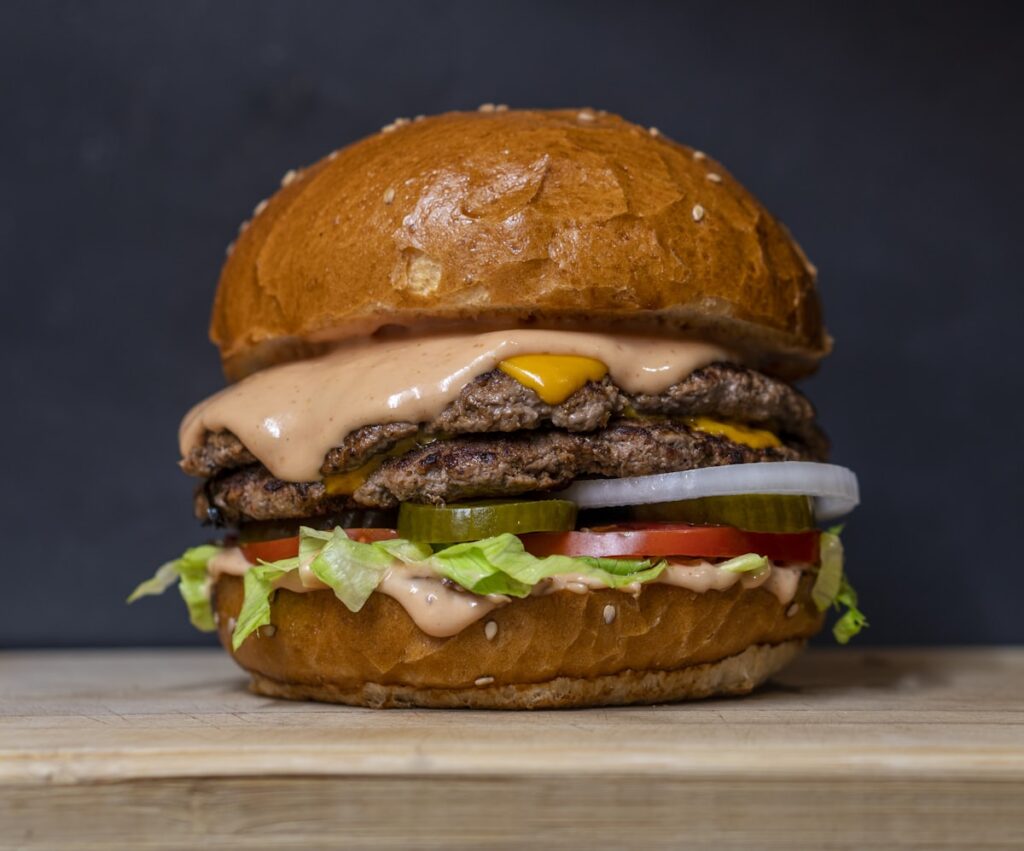

Transform your next burger night with the unparalleled texture and tangy flavor of homemade Sourdough Discard Hamburger Buns. Soft, pillowy, and structurally sturdy, these golden rolls are the ultimate way to utilize your leftover sourdough starter while creating bakery-quality buns right in your own kitchen.
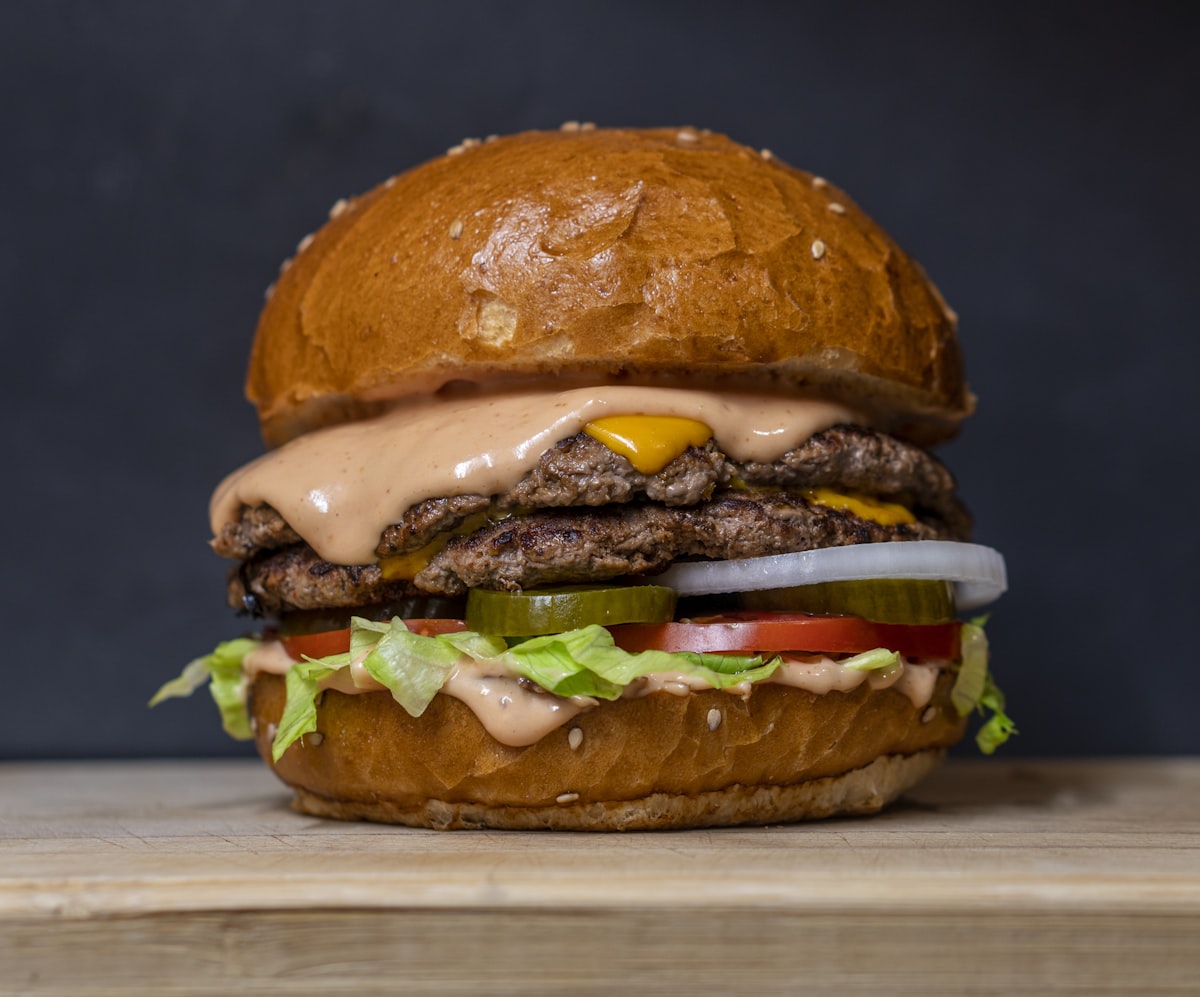
Golden Sourdough Discard Hamburger Buns
25 mins
20 mins
2 hrs 45 mins
8 Buns
American
Breads & Rolls
Medium
Ingredients
- 1/2 cup Sourdough discard (unfed, room temperature)
- 3/4 cup Warm whole milk (about 110°F)
- 2 1/4 tsp Active dry yeast (1 packet)
- 2 tbsp Granulated sugar
- 3 1/4 cups High-protein bread flour
- 1 tsp Fine sea salt
- 1 large Whole egg (room temperature)
- 4 tbsp Unsalted butter (softened and cubed)
- 1 large Egg beaten with 1 tbsp water (for egg wash)
- 2 tbsp Sesame seeds (optional, for topping)
Instructions
- 1 Whisk together warm whole milk, active dry yeast, and granulated sugar in the bowl of a stand mixer. Allow to sit for 5 to 10 minutes until frothy.
- 2 Add the sourdough discard, whole egg, and half of the bread flour. Mix on low speed using the dough hook attachment until a shaggy dough forms.
- 3 Slowly add the remaining bread flour and fine sea salt. Knead on medium-low speed for 5 minutes to develop basic gluten structure.
- 4 With the mixer running, add softened butter one tablespoon at a time, allowing each piece to fully incorporate. Knead for another 5 to 7 minutes until the dough is smooth, elastic, and clears the sides of the bowl.
- 5 Place dough in a greased bowl, cover with a damp cloth, and let rise in a warm spot for 1 to 1.5 hours, or until doubled in size.
- 6 Punch down dough and divide into 8 equal portions (about 95-100 grams each). Shape each portion into a tight, smooth ball and place on a parchment-lined baking sheet.
- 7 Lightly press the balls flat with the palm of your hand. Cover loosely and let rise for 45 to 60 minutes until puffy and doubled.
- 8 Preheat oven to 375°F (190°C). Gently brush the tops with egg wash and sprinkle with sesame seeds if desired.
- 9 Bake for 18 to 22 minutes until deep golden brown. Cool completely on a wire rack before slicing.
Nutrition Facts
290 kcal
46g
9.5g
7.5g
2g
The Art and History of Sourdough Discard Hamburger Buns
The sourdough discard hamburger bun is a modern culinary evolution born from the intersection of ancient fermentation techniques, the invention of the American hamburger, and a modern focus on reducing food waste. To truly appreciate this baked masterpiece, we must understand how these culinary timelines converged to create a bun that is both structurally superior and deeply flavorful.
The History of Sourdough Fermentation
Sourdough is the oldest form of leavened bread, with roots tracing back to ancient Egypt around 1500 to 2500 BCE. Long before the commercial manufacture of packaged baker’s yeast, wild yeasts and lactic acid bacteria from the air and grain colonized flour mixtures, creating natural fermentation. Sourdough remained the primary leavening method globally for millennia until the industrialization of commercial baker’s yeast in the late 19th and early 20th centuries, which prioritized speed over complex flavor and digestibility.
The Evolution of “Discard” in Home Baking
Historically, traditional bakers kept small starters and used a “back-sloping” technique, saving a piece of today’s dough to seed tomorrow’s, to minimize waste. The modern household practice of generating “sourdough discard”, the portion of starter removed and cast aside before feeding the remaining culture, grew exponentially alongside the home-baking movement of the early 2020s. Rather than throwing this starch-and-microbe mixture away, creative bakers discovered that unfed discard serves as an exceptional flavor-enhancer, adding lactic acid, natural tang, and tenderizing enzymes to quick-bake doughs.
Engineering the Perfect Hamburger Bun
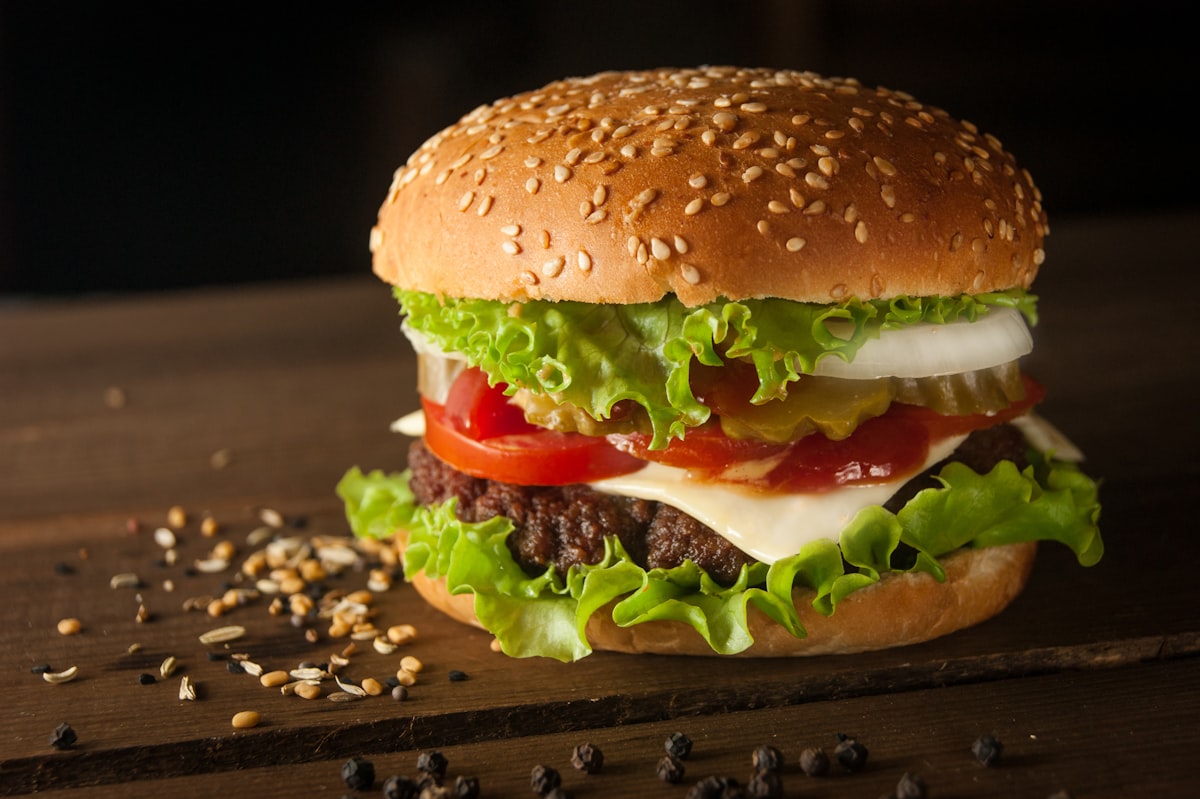
The dedicated hamburger bun is credited to the early 20th century. Walter Anderson, co-founder of the White Castle chain, is widely recognized for creating a soft, sturdy, uniform bun in 1916. This bun was specifically engineered to hold hot, juicy ground beef patties without disintegrating, a major upgrade from the fragile, standard bread slices previously used. Merging sourdough discard with hamburger buns became a highly popular “hybrid” baking method. Because sourdough discard has weakened yeast activity, bakers combine it with a small amount of instant or active dry commercial yeast. This delivers the best of both worlds: the rapid, reliable rise needed for a soft, fluffy bun, combined with the complex acidity, structure, and depth of flavor provided by the fermented sourdough discard.
Nutritional Deep Dive: Why Sourdough Discard Buns Win
A sourdough discard hamburger bun is typically an “enriched” bread, meaning the dough is supplemented with fat, dairy, and eggs to achieve a pillowy, brioche-like texture that stands up to heavy burger toppings. Unlike industrial store-bought buns that are laden with preservatives, high-fructose corn syrup, and dough conditioners, these homemade sourdough discard hamburger buns rely on simple ingredients and natural fermentation chemistry.
Macro and Micronutrient Analysis
An average nutritional estimate for one standard-sized sourdough discard bun (approximately 80 to 90 grams) highlights its balance of macronutrients:
- Calories: ~260 to 325 kcal
- Carbohydrates: 38g to 57g (primarily complex carbohydrates from premium wheat flour)
- Protein: 8g to 11g (derived from high-protein bread flour, milk, and eggs)
- Fat: 6g to 9g (mostly healthy fats, with ~3g of saturated fat from the addition of butter)
- Sodium: 300mg to 450mg (necessary for both flavor balance and gluten development)
- Fiber: 1.5g to 2.5g (slightly higher if using a portion of whole wheat flour)
Three Key Health and Functional Benefits
1. Enhanced Digestibility: The lactic acid bacteria present in the sourdough discard break down complex starches and phytic acid during the rising stage. This reduces gluten sensitivity issues for some individuals and makes essential minerals, like iron, zinc, and magnesium, easier for the human body to absorb.
2. Natural Preservative Properties: The acetic and lactic acids lower the pH of the bread. This natural acidity inhibits mold growth, allowing homemade buns to stay fresh longer on the kitchen counter without artificial chemical preservatives.
3. Lower Added Sugar: Because the fermentation of the discard yields natural, complex sugars and a built-in depth of flavor, these buns require significantly less sugar to taste rich and satisfying compared to mass-produced, store-bought alternatives.
Professional Flavor Variations to Elevate Your Cookout
By altering the fat sources, liquid bases, and fold-in ingredients, home bakers can adapt sourdough discard hamburger buns to elevate specific flavor profiles. Below are four professional-grade variations, keeping strictly to non-alcohol and non-pork ingredients:
1. Roasted Garlic & Rosemary Infused Sourdough Buns
The Fold-In: During the final stages of kneading, fold in finely minced fresh rosemary, cracked black pepper, and a rich paste of slow-roasted garlic (cooled to room temperature). To make prepping your fresh herbs and garlic a breeze, use the Hamilton Beach Electric Vegetable Chopper which features an easy Stack and Press design that chops ingredients in seconds.
The Finish: Brush with melted butter immediately after baking, and sprinkle with a touch of coarse sea salt.
Best Paired With: Grilled herbed chicken breasts or savory vegetarian chickpea-and-lentil patties.
2. Sharp Cheddar & Everything Bagel Sourdough Buns
The Fold-In: Incorporate small cubes (not shredded) of sharp, aged white cheddar directly into the dough during the final shaping process, creating hidden pockets of melted cheese throughout the bun.
The Finish: Apply a glossy egg wash before baking and coat the tops generously with an everything bagel seasoning blend (poppy seeds, toasted sesame seeds, dried minced garlic, dried onion, and flaky salt).
Best Paired With: Classic flame-grilled beef burgers or seasoned vegetarian black bean burgers.
3. Honey-Maple & Sesame Brioche Buns
The Fold-In: Swap out white granulated sugar for a combination of raw local honey and pure maple syrup, which reacts beautifully with the natural acidity of the discard to create a subtle, sweet-and-sour profile.
The Finish: Brush with an egg-and-cream wash, topping with a mix of toasted black and white sesame seeds.
Best Paired With: Sweet-and-savory glazed beef sliders or barbecue pulled jackfruit cooked to perfection.
4. Smoked Paprika & Chili Herb Buns
The Fold-In: Warm the recipe’s butter slightly and bloom smoked Spanish paprika, a pinch of cayenne pepper, and dried oregano in it before mixing it into the flour. This turns the dough a beautiful, rich orange hue.
The Finish: Lightly brush with chili-infused olive oil immediately upon removing the buns from the oven.
Best Paired With: Spicy grilled chicken sandwiches or crispy vegetarian potato-and-pea patties.
Expert Baking Tips for Ultimate Success
Working with enriched sourdough discard dough requires attention to temperature, hydration, and gluten development. Follow these master-class tips to ensure your hamburger buns rise perfectly and maintain a soft, tight crumb.
1. Weigh Your Ingredients for Precision
Baking is a science, and flour volume can vary dramatically depending on humidity, packing, and brand. Using a digital kitchen scale to measure your bread flour and sourdough discard in grams ensures the perfect hydration ratio. If the dough feels too sticky during the initial mix, resist the urge to dump in cups of extra flour; instead, let the gluten develop during the kneading phase first.
2. Master the Windowpane Test
To support a heavy beef patty, the bun must have an elastic, sturdy structure that does not crumble. Knead your dough until it passes the windowpane test: stretch a small piece of dough between your fingers. If it stretches thin enough to let light pass through without tearing, the gluten network is sufficiently developed to trap fermentation gases, producing a incredibly soft and airy bun.
3. Control Your Rise Temperatures
Yeasts are highly sensitive to temperature. If your kitchen is cool, your dough will take much longer to rise. Create an ideal proofing environment by utilizing the warm environment of a turned-off oven with the light turned on. Alternatively, if you are looking to prep your buns the day before, you can shape the buns and let them undergo a slow cold-fermentation in the refrigerator overnight, which yields an even deeper sourdough flavor.
Curated Kitchen Gear to Elevate Your Cookout prep
To turn your burger nights into a professional culinary experience, pairing your fresh-baked sourdough discard hamburger buns with high-quality kitchen gear is a total game-changer.
- For Side Dishes: Elevate your meal by making crispy, hand-cut french fries using the Cosori 9-in-1 TurboBlaze Air Fryer 6 Qt. Its precise heating range from 90°F to 450°F and PFAS-free ceramic coating produce beautifully even results. If you prefer a highly versatile alternative, the Instant Vortex 6-Quart XL Air Fryer offers incredible 6-in-1 functionality to roast, bake, or dehydrate with ease. For those who love watching their food turn golden brown, the glass-windowed Ninja Crispi 4-in-1 Glass Air Fryer uses healthy crisp technology for perfect crunch.
- For Slow-Cooked Mains: Pile tender, shredded beef or chicken onto your freshly baked buns. Prepare large batches using the Instant Pot Duo 7-in-1 Electric Pressure Cooker (6-Qt), which lets you pressure cook, slow cook, and sauté all in one pot. If you prefer traditional slow-and-low cooking, the manual Crock-Pot 7-Qt Oval Slow Cooker has an expansive capacity that easily feeds a crowd of nine or more.
- For Sauces and Accompaniments: Create a velvety-smooth garlic aioli, homemade ketchup, or green herb sauce to spread on your buns using the compact NutriBullet 600 W Personal Blender. For more robust blending tasks, the Ninja NutriPlus Personal Blender delivers professional-grade power and durable blades to process even the toughest ingredients.
- For the Baker’s Comfort: Stay energized during your morning dough-kneading sessions with a perfect cup of coffee from the Keurig K-Express Coffee Maker, featuring a bold brew option and a large 42-ounce reservoir.
How to Store, Freeze, and Revive Sourdough Buns
Because these buns do not contain chemical softeners, proper storage is key to keeping them tasting fresh-from-the-oven for days.
Short-Term Storage
Keep your baked buns in an airtight container or a sealed zip-top bag at room temperature for up to 3 days. Do not store bread in the refrigerator, as the cold temperature accelerates starch retrogradation, which dries out the crumb and makes the bread stale much faster.
Freezing for Future Meals
Sourdough discard hamburger buns freeze exceptionally well. For maximum convenience, slice the buns horizontally before freezing. Wrap each bun tightly in plastic wrap, then place them together in a heavy-duty freezer bag. They will keep their quality beautifully for up to 3 months.
The Secret to Reviving Frozen Buns
When you are ready to eat, thaw the buns at room temperature for about 30 minutes. To restore that irresistible fresh-baked texture, mist the outside of the buns lightly with water and toast them face-down in a skillet with a pat of butter, or warm them in a 350°F oven for 5 minutes until soft and warm.
Frequently Asked Questions
Can I use active sourdough starter instead of discard?
Yes, absolutely. Active, bubbly sourdough starter can be used in an equal 1:1 ratio by weight. However, since active starter has stronger yeast activity, your dough may rise slightly faster during the proofing stages. Keep a close eye on the visual cues of the dough rather than strictly following the clock.
Why are my sourdough discard buns dense?
Dense buns are usually the result of under-kneading, under-proofing, or using low-protein flour. Make sure you use bread flour rather than all-purpose flour, as the higher gluten content provides the necessary structure to lift the enriched dough. Ensure the buns have doubled in size and look visibly puffy before they go into the oven.
Can I make this recipe dairy-free?
Yes, you can substitute the whole milk with an unsweetened, high-protein plant milk, like soy or oat milk. Swap the unsalted butter for a high-quality vegan block butter. While the texture may vary slightly, the sourdough discard will still work to create a wonderfully tender crumb.