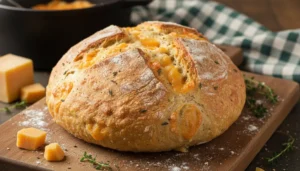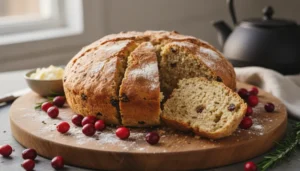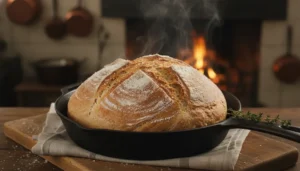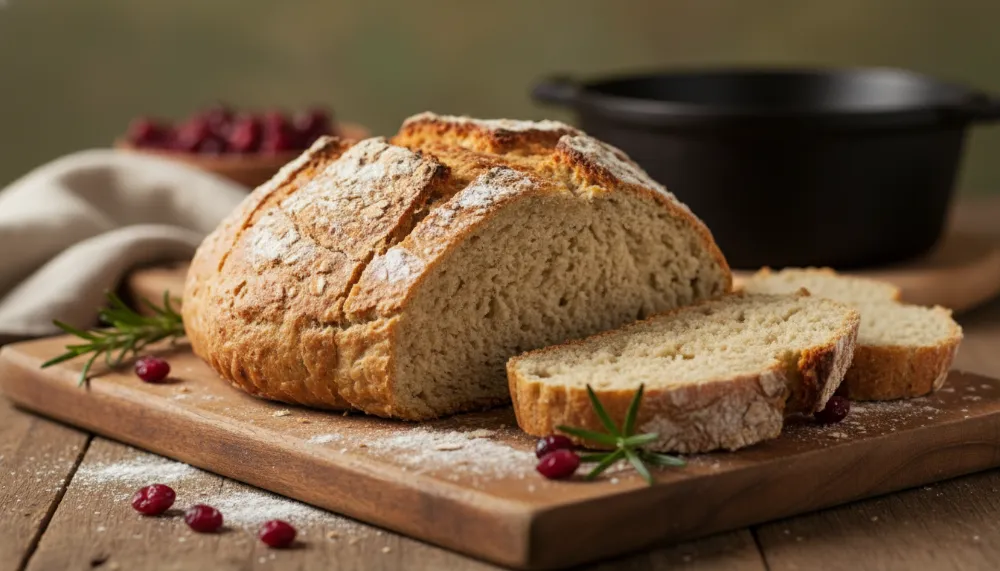

Experience the rustic charm of traditional hearth-baking with this foolproof Vegan Irish Soda Bread, a crusty, golden loaf that requires no yeast and zero kneading time. This plant-based adaptation perfectly replicates the iconic tangy crumb and dense texture of the original nineteenth-century Irish staple using simple pantry essentials.
Authentic Vegan Irish Soda Bread
Ingredients
- 1 4 cups All-Purpose Flour (plus extra for dusting)
- 2 1.5 teaspoons Baking Soda
- 3 1 teaspoon Salt
- 4 1.75 cups Unsweetened Soy or Oat Milk
- 5 1 tablespoon Lemon Juice or Apple Cider Vinegar
- 6 2 tablespoons Maple Syrup or Molasses (optional)
Instructions
- 1 Pre-heat oven to 425°F (218°C) and lightly grease a baking sheet or Dutch oven.
- 2 Combine plant milk and lemon juice in a jug, stir, and let sit for 10 minutes to create vegan buttermilk.
- 3 Whisk the flour, baking soda, and salt in a large mixing bowl until perfectly aerated.
- 4 Create a well in the center and pour in the buttermilk mixture, stirring gently with a wooden spoon until a shaggy dough forms.
- 5 Turn dough onto a floured surface, shape into a 7-inch round loaf, and cut a deep cross (1 inch deep) into the top.
- 6 Bake for 35-45 minutes until the loaf sounds hollow when tapped on the bottom. Cool on a wire rack.
The Historical Significance of Vegan Irish Soda Bread
To truly appreciate the artistry behind a Vegan Irish Soda Bread, one must look back to its origins in the nineteenth century. While many associate this loaf with festive celebrations, it was initially a food of survival, born from geographical necessity and economic hardship. Historical records from 1836 showcase the introduction of bicarbonate of soda to the Irish countryside, a chemical breakthrough that revolutionized home baking in a land where yeast was often a luxury few could afford.
During the Great Famine, the reliance on the potato left the population searching for sustainable caloric alternatives. The soft wheat grown in the Irish climate was distinct from the hard wheat of the Americas, it contained lower gluten levels, making it unsuitable for yeast-based fermentation. The solution was the chemical reaction between baking soda and the acid in buttermilk, which provided an immediate rise, creating a dense yet soft crumb that could be baked in a pot over an open fire. In our modern vegan adaptation, we honor this ingenuity by replacing animal-derived buttermilk with plant-based alternatives that mimic the exact same acidic environment required for that iconic lift.
The Science of the Rise: How Vegan Irish Soda Bread Works
Baking is a science, and Vegan Irish Soda Bread is a masterclass in chemical leavening. Unlike sourdough or standard white bread which rely on biological leaveners (yeast), soda bread utilizes an acid-base reaction. When the alkaline baking soda meets the acidic vegan buttermilk, carbon dioxide bubbles are instantly produced. This is why the dough must be handled as little as possible, every second you spend kneading is a second that those precious bubbles are escaping.
Using the Cuisinart 8 Cup Food Processor can be a secret weapon for those wanting to incorporate cold vegan fats into their flour without overworking the dough, the speed of the blades ensures the flour remains cool and the gluten stays relaxed. For the best rise, professionals suggest using a plant milk with high protein content, such as soy milk, which provides more structure to the finished loaf than thinner alternatives like almond milk.
Mastering the Vegan Buttermilk Replacement
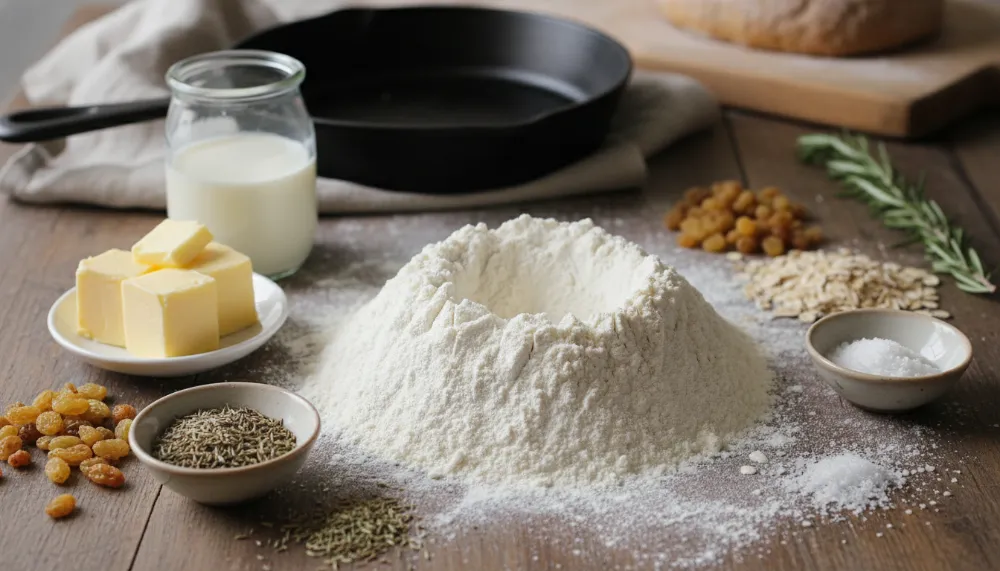
The soul of any soda bread recipe is the buttermilk. In a plant-based context, creating a high-quality buttermilk replacement is the difference between a flat, flavorless disc and a tall, airy loaf. The process is simple yet vital, you must introduce a strong acid to your plant-based milk and let it curdle for at least ten minutes. This process not only mimics the tang of fermented dairy but also provides the necessary acidity to activate the bicarbonate of soda.
While lemon juice is a common household acid, many professional bakers prefer apple cider vinegar for its mellow sweetness or even balsamic vinegar when crafting a darker, more savory Vegan Irish Soda Bread. If you are looking to create a complex flavor profile without using alcohol, consider adding a tablespoon of dark molasses to your milk mixture. This provides a deep, malty undertone that mimics the depth traditionally found in stout-based breads without violating dietary restrictions. For those incorporating liquid flavors, the Ninja BN751 Professional Plus DUO Blender is perfect for emulsifying your molasses or even pureeing sun-dried tomatoes to be folded into the dough.
Technique: Why We Cut the Cross
The deep “X” sliced into the top of a Vegan Irish Soda Bread is more than just a decorative tradition. While Irish folklore suggests it “lets the fairies out” or wards off evil spirits, the physical purpose is far more practical. Because soda bread is so thick and dense, the cross allows the heat of the oven to penetrate the center of the loaf. Without it, you would likely end up with a burnt exterior and a raw, gummy interior.
Furthermore, the cross acts as a “score line,” allowing the bread to expand predictably as the gases expand. If you find your loaf is still too dense, try baking it inside a pre-heated Dutch oven. This traps steam around the dough, keeping the crust soft for a few extra minutes and allowing for a greater “oven spring” or rise. If you are working in a smaller kitchen, the Cosori 9-in-1 TurboBlaze Air Fryer 6 Qt is surprisingly efficient at roasting the seeds or nuts you might want to add to your dough, ensuring they are perfectly toasted before they meet the flour.
Elevated Flavor Variations
Once you have mastered the basic Vegan Irish Soda Bread, the possibilities for customization are endless. Because this recipe excludes pork and alcohol, we focus on high-impact plant-based ingredients to build depth. Here are several professional-grade variations to explore:
1. The Umami-Rich Dark Loaf
To replicate the dark, earthy notes of traditional brown bread without using stout or wine, use a combination of whole-wheat flour and a teaspoon of unsweetened cocoa powder. The cocoa powder adds a sophisticated bitterness and a rich mahogany color. Add a handful of toasted pumpkin seeds for crunch and an extra boost of minerals.
2. Sun-Dried Tomato and Herb
For a Mediterranean twist, fold in half a cup of finely chopped sun-dried tomatoes and two tablespoons of dried oregano. The acidity of the tomatoes complements the baking soda perfectly, leading to a vibrant, savory crumb that pairs wonderfully with vegetable soups. Use your food processor to pulse the tomatoes into small, even pieces before folding them in.
3. Spiced Currant and Citrus
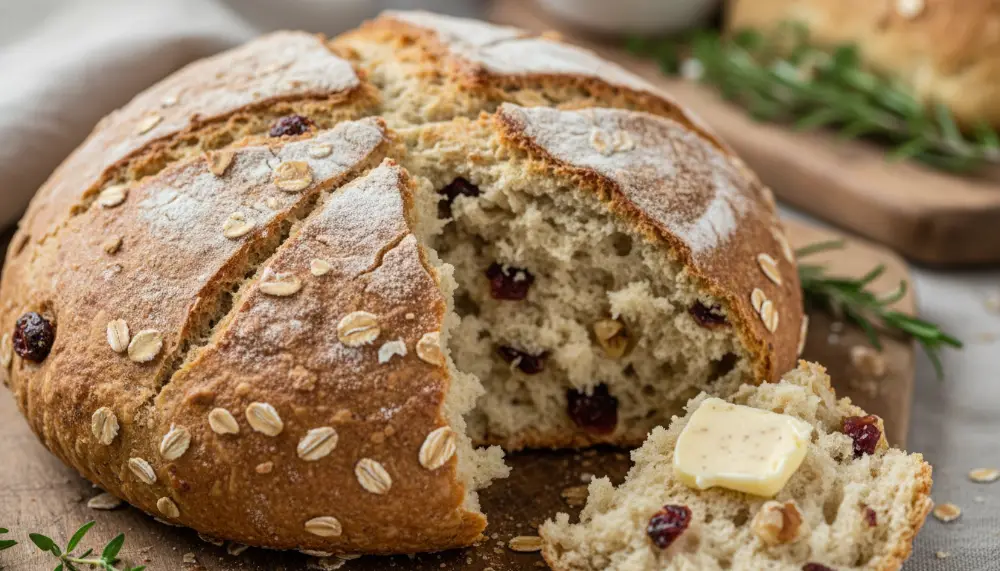
If you prefer a sweeter “tea cake” style bread, add half a cup of dark raisins or currants and the zest of one large orange. To replace the wine often used to soak fruits, use orange juice or a light apple juice. This keeps the fruits hydrated and adds a bright, acidic pop to every bite. Caraway seeds are a traditional addition here, providing a distinct, licorice-like aroma that defines many classic Irish recipes.
Nutritional Profile and Dietary Benefits
Vegan Irish Soda Bread is a nutritional powerhouse when compared to many highly processed white breads. Because it lacks eggs and butter, it is naturally lower in saturated fats and contains zero cholesterol. A standard slice provides a solid balance of complex carbohydrates and plant-based protein, especially if you opt for a blend of whole-wheat and white flour.
By using soy milk, you introduce essential amino acids and a creamy texture that mimics dairy without the inflammatory properties often associated with lactose. For those looking to increase their fiber intake, adding a quarter cup of ground flaxseeds or oats into the flour mix can transform the loaf into a heart-healthy staple. This bread is remarkably filling, making it an excellent companion for a hearty plant-based stew or a simple spread of vegetable-based butter.
Common Pitfalls and How to Avoid Them
The most common mistake when making Vegan Irish Soda Bread is over-mixing. Unlike a sourdough which requires hours of stretching and folding to develop gluten, soda bread thrives on a lack of structure. The goal is to just barely bring the ingredients together. If you mix until the dough is smooth, your bread will turn out like a brick. The dough should be shaggy, slightly sticky, and rustic in appearance.
Another pitfall is the temperature of the oven. Soda bread needs a high initial heat to kickstart the chemical reaction. Always ensure your oven is fully pre-heated to 425°F before the loaf goes in. If the oven is too cool, the gas will escape before the structure of the bread has set, resulting in a flat loaf. Finally, check your baking soda, it loses its potency over time. If your soda is more than six months old, your Vegan Irish Soda Bread may not rise to its full potential.
Serving and Storage Suggestions
There is no better way to enjoy Vegan Irish Soda Bread than warm, straight from the oven, with a thick slab of plant-based butter. However, because it lacks the fats found in traditional brioche or the preservatives in store-bought bread, it does tend to dry out quickly. To store, wrap the cooled loaf in a clean tea towel or a reusable beeswax-free wrap. It will stay fresh at room temperature for about two to three days.
If you have leftovers that have gone slightly stale, do not throw them away. Stale soda bread makes for the most incredible French toast (using a chickpea flour batter) or can be processed into rustic breadcrumbs for topping roasted vegetables. For long-term storage, slice the loaf and freeze the slices individually, they can be popped directly into the toaster for a quick and easy breakfast that tastes as good as the day it was baked.