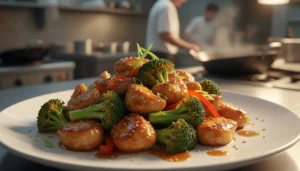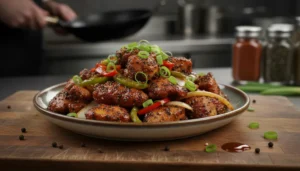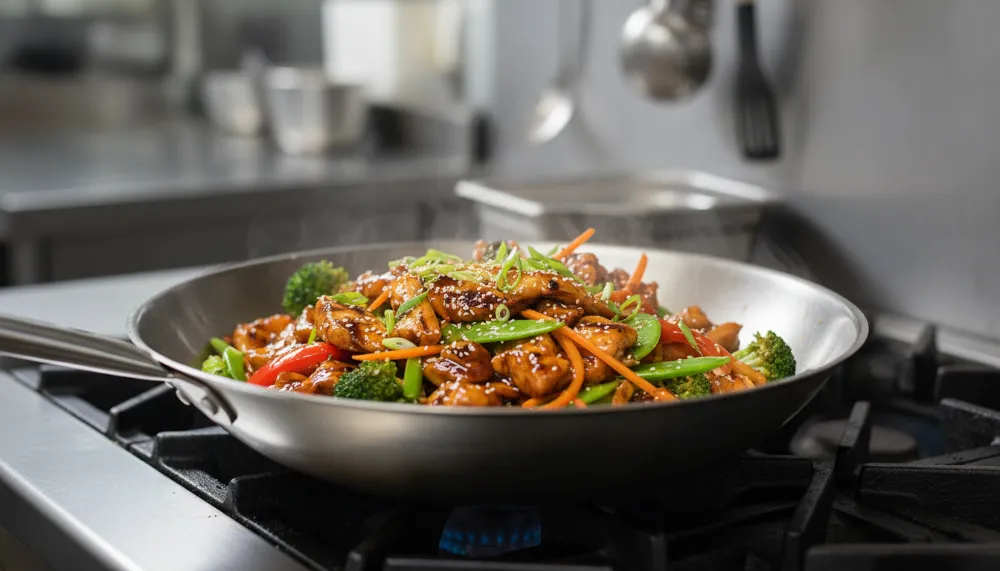

Experience the perfect balance of sweet, savory, and smoky flavors with this restaurant-quality Teriyaki Chicken Stir Fry that comes together in minutes. This vibrant, nutrient-dense meal transforms simple ingredients into a gourmet weeknight masterpiece using professional techniques that ensure every bite is packed with umami.
Master Teriyaki Chicken Stir Fry
Ingredients
- 1 1.5 lbs Chicken Breast, sliced into thin bite-sized strips
- 2 1/2 cup Low-Sodium Soy Sauce
- 3 1/4 cup Honey or Brown Sugar
- 4 1/4 cup Unsweetened Pineapple Juice or Chicken Broth
- 5 1 tbsp Apple Cider Vinegar
- 6 2 tbsp Fresh Ginger, finely grated
- 7 3 cloves Garlic, minced
- 8 1 tbsp Cornstarch mixed with 1 tbsp cold water
- 9 3 cups Mixed Vegetables (Broccoli, Bell Peppers, Snap Peas, Carrots)
- 10 2 tbsp High-Heat Cooking Oil (Grapeseed or Avocado oil)
Instructions
- 1 In a small bowl, whisk together soy sauce, honey, juice/broth, vinegar, ginger, and garlic. Set aside.
- 2 Heat 1 tbsp oil in a large wok or skillet over high heat. Add chicken and cook until browned, about 5-6 minutes. Remove chicken.
- 3 Add the remaining oil and the vegetables. Stir-fry for 3-4 minutes until tender-crisp.
- 4 Return chicken to the pan. Pour the sauce over the mixture and bring to a simmer.
- 5 Stir in the cornstarch slurry and cook for 1 minute until the sauce thickens into a glossy glaze. Serve over rice.
The Evolutionary Journey of Teriyaki Chicken Stir Fry
Understanding the Teriyaki Chicken Stir Fry requires a look back at the historical roots of Japanese culinary tradition. The term “Teriyaki” is fundamentally a cooking method, not just a bottled sauce. Derived from the words *teri* (luster) and *yaki* (grill), this technique dates back to the Edo period in Japan. Originally, it was a method for preserving and flavoring seafood, where fish was glazed with a mixture of soy sauce and sugar and grilled over hot coals.
As Japan opened its borders during the Meiji era, the introduction of varied proteins like chicken and beef shifted the focus from the sea to the land. However, the “Stir Fry” aspect we know today is a beautiful example of cultural fusion. Japanese immigrants in Hawaii and the Pacific Northwest adapted the traditional glaze by adding local ingredients like pineapple juice and extra ginger to suit changing palates and available produce. This evolution turned a simple grilling technique into a fast, vegetable-forward meal that fits perfectly into the modern, high-speed lifestyle without sacrificing nutritional quality.
The Science of the Perfect Alcohol-Free Glaze
One of the biggest challenges in creating an authentic-tasting Teriyaki Chicken Stir Fry without the use of mirin or sake is replicating that deep, fermented complexity. Traditional teriyaki relies on the acidity and sugar of fermented rice liquids to balance the salt of the soy sauce. To achieve this professionally without alcohol, we utilize a combination of fruit acidity and aromatic infusion.
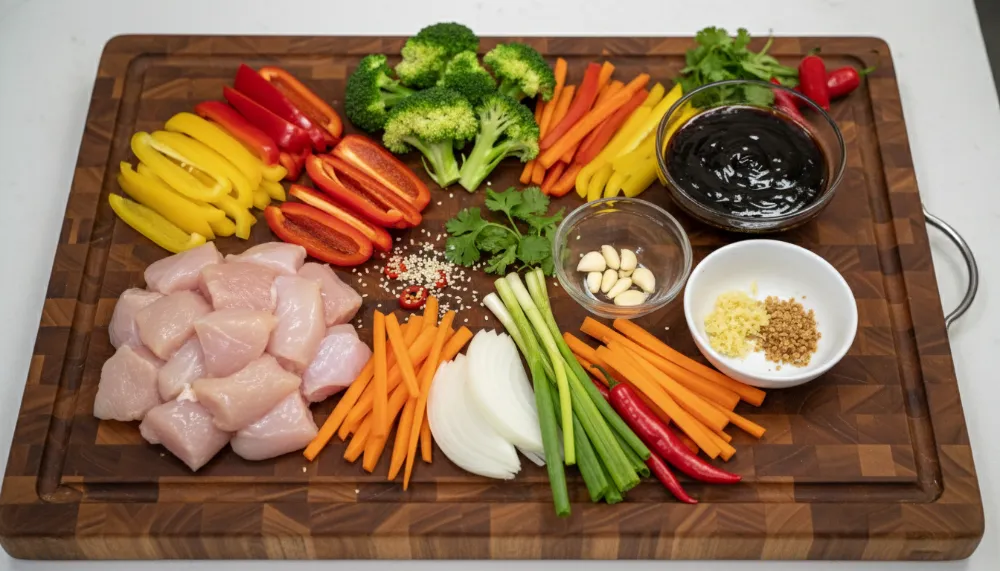
By using **apple cider vinegar** or **unsweetened pineapple juice**, we introduce the necessary bright notes that cut through the richness of the soy sauce. The natural sugars in the pineapple juice or honey caramelize against the heat of the pan, creating that signature “shine” or luster that defines the dish. To ensure the sauce clings to every piece of chicken and broccoli, a cornstarch slurry is essential. This creates a suspension that thickens the liquid into a silky glaze rather than a thin soup. For those who want to take their sauce to the next level, using a high-powered blender is the secret.
**Professional Recommendation:** The Ninja BN751 Professional Plus DUO Blender is perfect for emulsifying your sauce ingredients, ensuring the ginger and garlic are fully integrated for a smoother, more intense flavor profile.
Ingredient Deep Dive: Beyond the Basics
### The Choice of Protein
While chicken breast is the most popular choice for a lean Teriyaki Chicken Stir Fry, the technique remains the same regardless of your protein. If you prefer a richer flavor, boneless skinless chicken thighs offer more fat and moisture, which helps prevent the meat from drying out under high stir-fry temperatures. For those looking for variety, thin strips of lean beef or even firm tofu can be substituted flawlessly. The key is thin, uniform slicing, which ensures the meat cooks quickly and absorbs the marinade effectively.
### The Vegetable Symphony
Stir fry is an incredible way to consume a rainbow of nutrients. The goal is to maintain the “tender-crisp” texture, meaning the vegetables should be vibrant and have a slight snap when bitten.
* **Broccoli Florets:** These act as sponges, soaking up the teriyaki glaze in their tiny branches.
* **Bell Peppers:** They provide sweetness and a boost of Vitamin C.
* **Snap Peas:** These add a satisfying crunch and floral sweetness.
* **Matchstick Carrots:** These provide color and texture.
To ensure even cooking, you need consistent cuts. The Cuisinart 8 Cup Food Processor is a meal prep essential that can slice your vegetables into perfect matchsticks in seconds, saving you twenty minutes of knife work.
Mastering the “Wok Hei” at Home
“Wok Hei,” or the breath of the wok, refers to the smoky flavor imparted by a hot pan during the stir-frying process. While most home cooks don’t have a commercial-grade burner, you can mimic this by following these professional steps:
1. **High Heat is Non-Negotiable:** Your pan should be shimmering hot before any oil or protein is added.
2. **Don’t Overcrowd:** This is the most common mistake. If you put too much chicken in the pan at once, the temperature drops, and the chicken begins to steam in its own juices rather than sear. Cook in batches if necessary.
3. **The Order Matters:** Always cook your protein first, remove it, then cook your vegetables. This prevents the chicken from becoming rubbery while you wait for the broccoli to soften.
Nutritional Excellence of Teriyaki Chicken Stir Fry
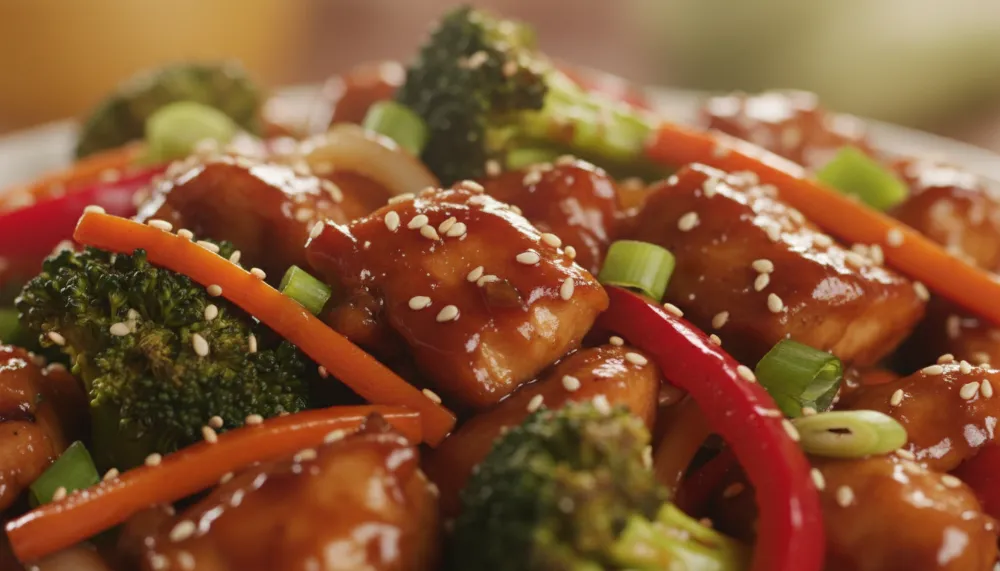
This dish is a nutritional powerhouse. A single serving provides a balanced ratio of macronutrients: high protein for muscle repair, complex carbohydrates from the vegetables, and healthy fats from the cooking oil. Because we are avoiding pork and heavy fats, the caloric density remains low while the satiety levels remain high.
From a micronutrient perspective, the combination of ginger and garlic provides potent anti-inflammatory benefits. The high Vitamin A and C content from the bell peppers and broccoli supports immune function, making this an ideal meal for any time of year. By using low-sodium soy sauce and natural sweeteners like honey, you can control the glycemic impact of the meal, making it a sustainable choice for health-conscious families.
Meal Prep and Advanced Storage Techniques
Teriyaki Chicken Stir Fry is a premier candidate for meal prepping because the flavors actually deepen as they sit in the refrigerator. However, to keep the vegetables from becoming soggy, you need the right storage solutions.
**Professional Recommendation:** Use the Rubbermaid Brilliance Glass Storage Set. These containers are leak-proof and crystal clear, making them perfect for pre-portioning your stir fry for the week. For long-term prep, consider the FoodSaver Vacuum Sealer Machine. You can vacuum seal your sliced chicken in the teriyaki marinade, allowing it to tenderize in the freezer for weeks, ready to hit the pan at a moment’s notice.
For those who like a roasted element to their vegetables, you can even use the Cosori 9-in-1 TurboBlaze Air Fryer to pre-roast broccoli or chickpeas before tossing them into the stir fry for a unique texture variation.
Flavor Variations and Professional Adaptations
1. **The Tropical Zest:** Add 1/2 cup of fresh pineapple chunks and a squeeze of lime juice at the very end. The acidity of the lime brightens the entire dish, while the warm pineapple adds a burst of tropical sweetness.
2. **The Spicy Aromatic:** Infuse your cooking oil with red pepper flakes and a teaspoon of white pepper. This creates a slow-burn heat that doesn’t overpower the delicate ginger notes.
3. **The Smoked Umami:** Add one drop of liquid smoke or a teaspoon of smoked paprika to your sauce. This replicates the flavor of traditional charcoal-grilled teriyaki from ancient Japanese methods.
4. **The Zesty Citrus:** Use orange juice instead of pineapple juice for a more floral, citrus-heavy profile that pairs beautifully with toasted sesame seeds.
Conclusion
Creating a world-class Teriyaki Chicken Stir Fry is about more than just tossing meat and vegetables in a pan. It is about understanding the history of the glaze, the science of heat management, and the quality of your ingredients. By following these professional guidelines, you can skip the takeout and enjoy a healthier, more flavorful meal in the comfort of your own kitchen. Whether you are meal prepping for the week or looking for a quick family dinner, this recipe is a timeless classic that never fails to impress.