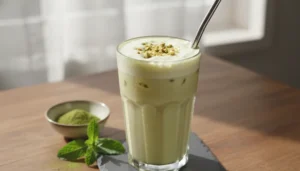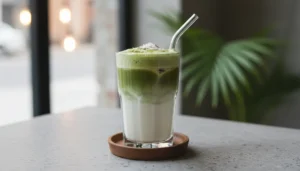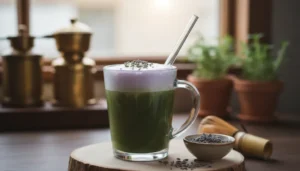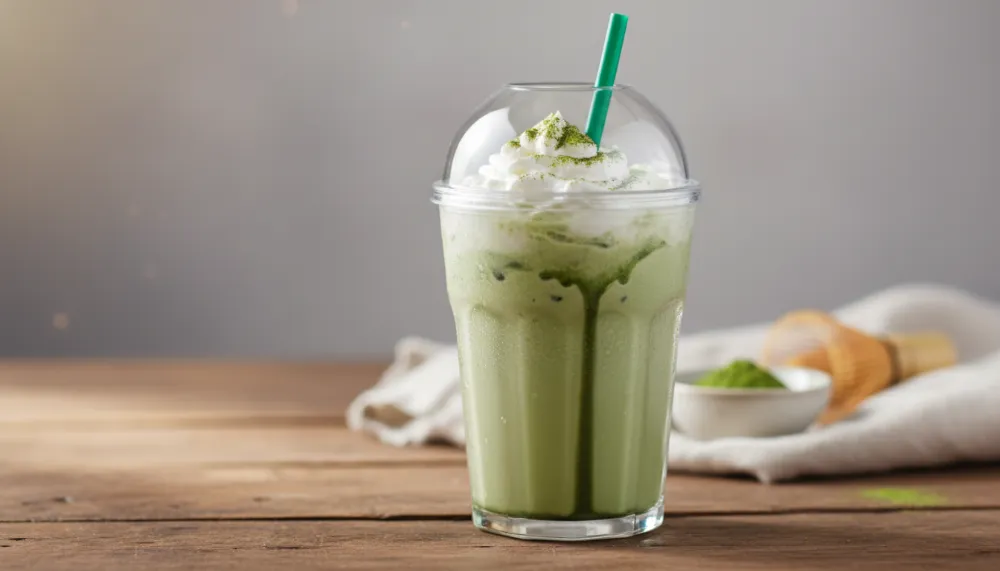

Bring the vibrant, creamy luxury of the coffeehouse into your kitchen with this perfect Starbucks Matcha Copycat recipe. This balanced beverage offers a smooth texture and that signature earthy sweetness without the premium price tag.
Starbucks Matcha Copycat
Ingredients
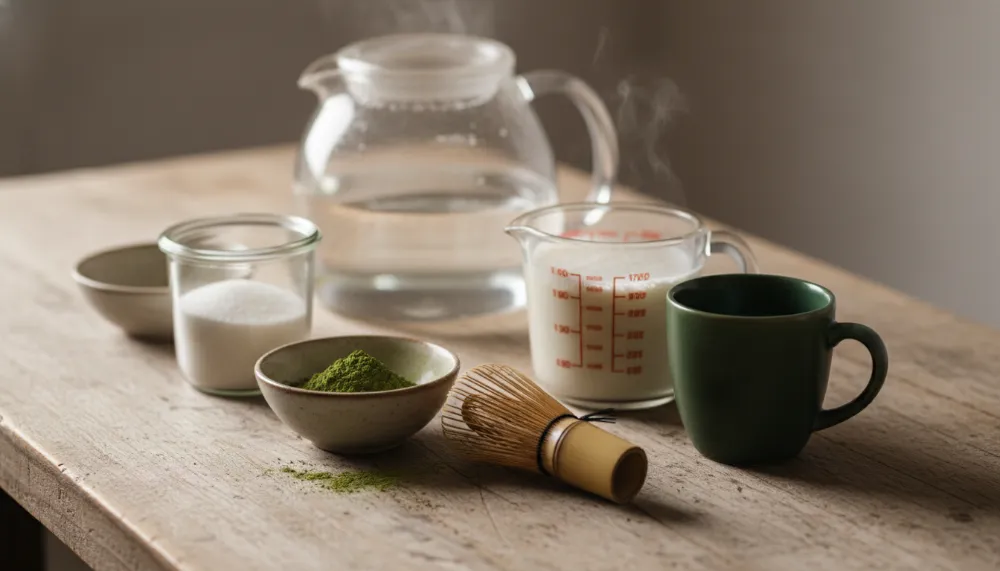
- 1 1.5 tablespoons Sweetened Matcha Powder (or 1 tbsp pure matcha + 2 tsp cane sugar)
- 2 1 cup Milk of choice (2% dairy or Oat milk recommended)
- 3 2 tablespoons Hot Water (175°F / 80°C)
- 4 1/2 teaspoon Vanilla bean paste or alcohol-free vanilla syrup
- 5 Ice cubes (optional for iced version)
Instructions
- 1 Sift the matcha powder through a fine-mesh strainer into a small bowl to ensure no clumps remain.
- 2 Pour the hot water over the powder and whisk vigorously in a zig-zag motion using a bamboo whisk or milk frother until a thick foam forms.
- 3 If making a hot latte, steam and froth the milk to 150°F, if making it iced, fill a tall glass with ice.
- 4 Pour the concentrated matcha base into your serving glass or mug.
- 5 Gently pour the milk over the matcha, stir slightly to combine, and enjoy immediately.
The Historical Journey of the Starbucks Matcha Copycat
The Starbucks Matcha Copycat is more than just a trendy green drink, it is a modern iteration of a cultural legacy spanning over eight centuries. The origins of matcha can be traced back to 12th-century Japan, where the Zen Buddhist monk Eisai brought tea seeds from China. Historically, matcha was prepared through a meticulous ritual known as the Way of Tea, or Chado. This ceremony emphasized harmony, respect, purity, and tranquility, with the powdered green tea served in a meditative setting. For centuries, this remained a traditional Japanese practice, reserved for the elite and the spiritually devoted.
It was not until the late 20th and early 21st centuries that matcha began its migration into Western café culture. Starbucks played a pivotal role in this globalization when they introduced the Matcha Green Tea Latte to their menu around 2006. By combining the earthy, umami-rich powder with steamed milk and sweeteners, they created a beverage that appealed to a much wider audience. This Starbucks Matcha Copycat recipe seeks to bridge that gap between ancient tradition and modern convenience, providing the same comfort of the coffeehouse version with the quality control of a home kitchen.
Decoding the Starbucks Secret Blend
The primary reason most home enthusiasts fail to replicate the flavor of a Starbucks Matcha Copycat is a misunderstanding of the ingredients. Starbucks does not use pure, ceremonial-grade matcha on its own, instead, they utilize a pre-sweetened blend. This blend is primarily composed of sugar and ground green tea. To achieve that exact flavor profile at home, you must either purchase a pre-sweetened matcha powder or mix your own using a high-quality culinary powder and granulated cane sugar. The ratio is approximately 2:1 sugar to matcha, which provides that specific dessert-like quality that characterizes the franchise’s version.
Choosing the Right Matcha Grade
When preparing your Starbucks Matcha Copycat, the grade of tea you select will drastically alter the final result. There are generally two categories: Ceremonial and Culinary. Ceremonial grade is made from the youngest tea leaves, resulting in a vibrant green color and a delicate, sweet flavor. Culinary grade is harvested later in the season, giving it a bolder, more astringent profile and a slightly duller green hue. While Starbucks uses a blend closer to culinary grade, using a mid-range ceremonial powder at home will actually yield a superior, smoother latte. If you are using a blender for a large batch, the Ninja BN751 Professional Plus DUO Blender is perfect for emulsifying the powder and milk into a silky consistency with its 1000W motor.
The Role of Temperature and Water Quality
A common mistake in making a Starbucks Matcha Copycat is using boiling water. Matcha is highly sensitive to heat, and pouring boiling water (212°F) directly onto the powder will scorch the leaves, resulting in a bitter, metallic taste. The ideal temperature for whisking matcha is approximately 175°F (80°C). This allows the tea to release its natural sweetness and the amino acid L-theanine without activating the harsh tannins. Furthermore, using filtered water is essential, as the minerals in tap water can interfere with the subtle notes of the green tea, compromising the authenticity of your Starbucks Matcha Copycat.
Milk Selection and Modern Alternatives
The creamy texture of a Starbucks Matcha Copycat relies heavily on the milk. In the cafe, 2% dairy milk is the standard, providing enough fat to carry the matcha flavor without being overly heavy. However, the rise of plant-based milks has introduced new favorites. Oat milk is arguably the best alternative for a Starbucks Matcha Copycat because its natural creaminess and toasted flavor profile complement the grassiness of the tea. Almond milk is a popular low-calorie choice, though it can be slightly thin, whereas coconut milk adds a tropical sweetness that pairs exceptionally well with green tea. For those who enjoy a side snack with their drink, try roasting some chickpeas in the Cosori 9-in-1 TurboBlaze Air Fryer 6 Qt, it roasts chickpeas and vegetables perfectly with a large family capacity, making for a healthy, crunchy pairing.
Essential Tools for the Perfect Home Latte
To truly master the Starbucks Matcha Copycat, having the right equipment is vital. While a traditional bamboo whisk (Chasen) is excellent for ritualistic preparation, modern tools offer more consistency. For the smooth, clump-free texture required for a latte, a high-speed blender or a dedicated food processor can be very helpful. If you are prepping large batches of sweetened matcha base or making a matcha-infused dessert, the Cuisinart 8 Cup Food Processor is essential for fast chopping and slicing during meal prep, ensuring your ingredients are perfectly integrated.
Professional Flavor Variations
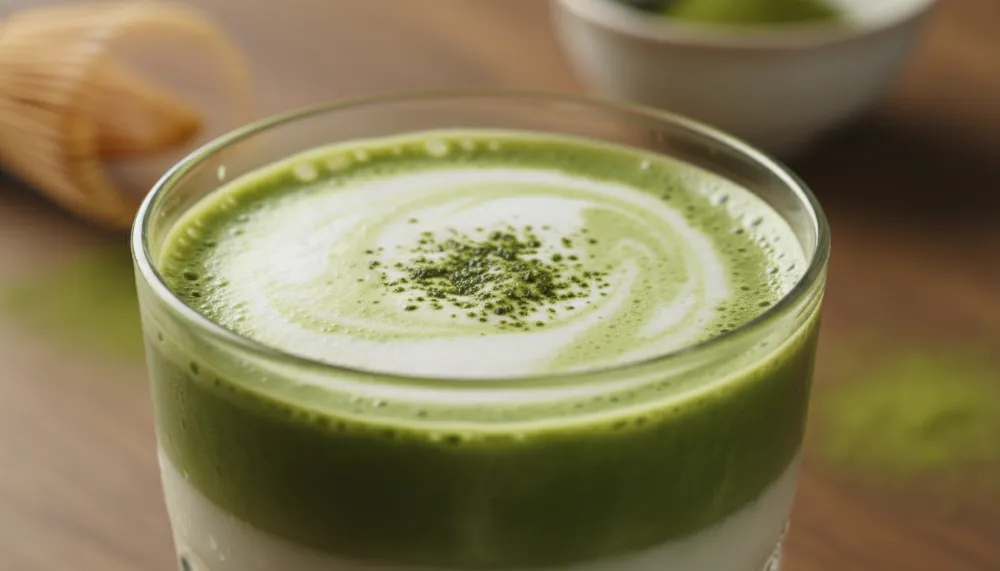
Once you have mastered the base Starbucks Matcha Copycat, you can experiment with professional-grade variations. One of the most popular is the Lavender Matcha Latte. By adding a small amount of lavender syrup, you introduce a floral top note that cuts through the richness of the milk. Another seasonal favorite is the Strawberry Matcha, where a fresh fruit puree is layered at the bottom of the glass. The acidity of the strawberries creates a beautiful contrast with the earthy tea. Remember to avoid any ingredients that contain alcohol, such as certain commercial extracts, and instead opt for fruit juices or pure bean pastes to keep the recipe compliant with restricted dietary standards.
Nutritional Profile and Health Benefits
The Starbucks Matcha Copycat is not just delicious, it is also packed with unique nutritional benefits. Unlike coffee, which can cause a rapid spike and crash in energy, matcha contains L-theanine. This amino acid promotes a state of calm alertness, allowing the caffeine to be released slowly into the bloodstream over several hours. Matcha is also famously rich in EGCG (epigallocatechin gallate), a powerful antioxidant that supports heart health and metabolism. By making your Starbucks Matcha Copycat at home, you have the advantage of controlling the sugar content, allowing you to enjoy these benefits without the excessive calories found in the retail version.
Frequently Asked Questions
Why is my matcha latte clumpy?
Clumping is the most common issue when making a Starbucks Matcha Copycat. Matcha powder is very fine and prone to static. Always sift the powder through a mesh strainer before adding liquid. Additionally, use a small amount of water to create a paste first before adding the rest of your liquid.
Can I make this recipe ahead of time?
While best enjoyed fresh, you can prepare a concentrated matcha base and store it in the refrigerator for up to 24 hours. However, the powder will eventually settle at the bottom, so you must give it a vigorous shake or whisk before serving your Starbucks Matcha Copycat.
Is matcha better than coffee?
Matcha provides a different kind of energy. Because it is a whole-leaf powder, you are consuming the entire tea leaf, which provides more antioxidants than steeped green tea or traditional coffee. Many people prefer it for the lack of “jitters” associated with espresso-based drinks.