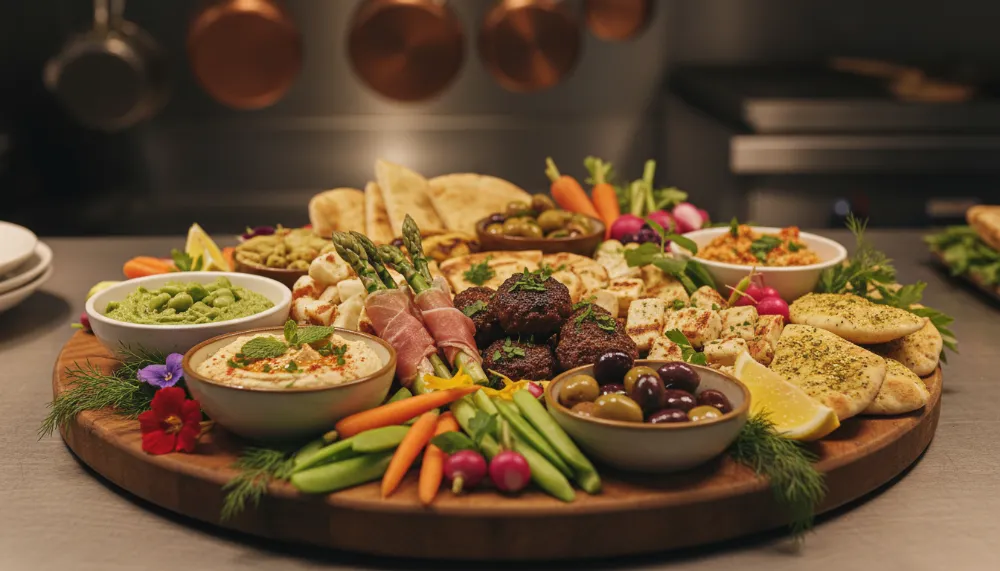

Embrace the vibrant colors and crisp flavors of the season with this spectacular Spring Mezze Platter, a communal masterpiece designed to bring people together over fresh, garden-inspired bites. This stunning arrangement swaps heavy winter preserves for bright peas, radishes, and zesty herb-infused dips that celebrate the arrival of warmer days.
Spring Mezze Platter
Ingredients
- 1 15oz can Chickpeas, drained and rinsed
- 2 cups Sweet Peas (fresh or frozen)
- 3 1 lb Ground Beef (80/20 mix)
- 4 1/2 cup Tahini paste
- 5 2 tbsp Pomegranate Molasses
- 6 1 bunch Fresh Mint and Parsley
- 7 1 bunch Watermelon Radishes, sliced thin
- 8 1 lb Asparagus, blanched
- 9 4 Warm Pita Breads, sliced
Instructions
- 1 Prepare the Beef Koftas by mixing ground beef with chopped parsley, cumin, and salt. Shape into small logs and air-fry at 400°F for 10-12 minutes until browned. Brush with pomegranate molasses.
- 2 Make the Pea and Mint Dip by blending blanched peas, mint, a splash of lemon juice, and a drizzle of olive oil in a high-speed blender until smooth.
- 3 Whisk the Tahini Sauce by combining tahini paste, lemon juice, garlic, and enough cold water to reach a creamy consistency.
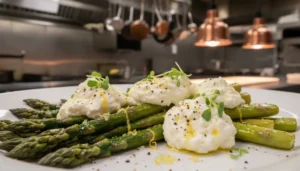
- 4 Blanch the asparagus for 2 minutes and shock in ice water to maintain its bright green color. Slice radishes and cucumbers into bite-sized pieces.
- 5 Assemble the Spring Mezze Platter by placing the dips in the center and arranging the beef koftas, vegetables, and pita around them in a colorful, overflowing pattern.
The Historical Origin of the Mezze Tradition
The concept of the Spring Mezze Platter is deeply rooted in the ancient culinary tapestries of the Eastern Mediterranean and Middle East. The word mezze, or meze, finds its etymological home in the Persian word mazzeh, which translates to “to taste” or “to relish.” This wasn’t merely a meal, it was a philosophy of dining that prioritized variety, hospitality, and the luxury of time. Historically, Persian royalty utilized these small plates to showcase the abundance of their land, offering a myriad of flavors that transitioned through the seasons.
As the Ottoman Empire expanded, so too did the culture of the mezze. It became the heart of social life in coffeehouses and urban centers from Istanbul to Beirut. During the spring months, these platters would transform, shedding the heavy, preserved meats of winter in favor of tender young vegetables and fresh herbs. Traders along the Silk Road helped disseminate these traditions, ensuring that the Spring Mezze Platter became a versatile, evolving dish that reflected the agricultural wealth of various regions without ever losing its core identity of communal sharing.
The Nutritional Profile of a Seasonal Spring Platter
A properly constructed Spring Mezze Platter is a powerhouse of nutrition, aligning perfectly with the principles of the Mediterranean diet. By focusing on plant-based proteins, fiber-dense vegetables, and heart-healthy fats, this meal offers a balanced approach to eating that fuels the body while satisfying the palate. The legume-based components, such as chickpeas in hummus, provide a significant amount of soluble fiber and plant protein, which aids in digestion and maintains steady blood sugar levels.
Furthermore, the inclusion of tahini and high-quality extra virgin olive oil introduces monounsaturated fats and essential antioxidants like vitamin E. The seasonal spring additions, particularly radishes, asparagus, and mint, are rich in Vitamin K, Vitamin C, and folate. By substituting pork with lean beef or chicken, the platter remains a high-source of B12 and iron while significantly reducing the intake of processed fats often found in traditional charcuterie boards. This makes the Spring Mezze Platter an ideal choice for health-conscious entertainers who refuse to sacrifice flavor.
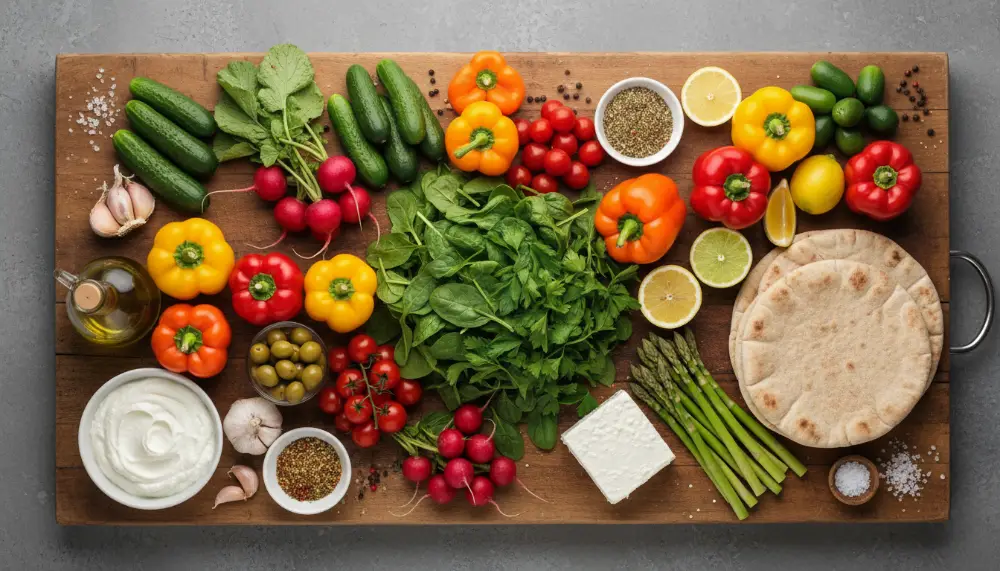
Essential Tools for a Professional Spring Mezze Platter
To achieve the smooth textures and perfect roasts required for a high-end Spring Mezze Platter, professional-grade equipment is essential. Here are my top recommendations for your kitchen arsenal:
- Ninja BN751 Professional Plus DUO Blender: https://amzn.to/3LCDyNR (Why Perfect: Its 1000W motor is unparalleled for creating the silkiness required for tahini sauces and vibrant pea purees).
- Cosori 9-in-1 TurboBlaze Air Fryer 6 Qt: https://amzn.to/4hRWmVq (Why Perfect: This is the secret to perfectly browned beef koftas and crispy chickpeas without the mess of deep frying).
- Cuisinart 8 Cup Food Processor: https://amzn.to/47Nhbg8 (Why Perfect: Essential for the rapid slicing of radishes and the fine chopping of herbs for your tabbouleh).
- Rubbermaid Brilliance Glass Storage Set of 9: https://amzn.to/4oD0YkY (Why Perfect: These leak-proof containers keep your prepped vegetables and dips fresh for days, allowing for stress-free assembly).
- FoodSaver Vacuum Sealer Machine: https://amzn.to/4qWgVnS (Why Perfect: Ideal for preserving the freshness of your bulk-purchased beef or seasonal herbs).
Protein Innovations: Elevated Non-Pork Alternatives
One of the most exciting aspects of a Spring Mezze Platter is the ability to showcase high-quality proteins that offer more depth than standard cold cuts. Since we avoid pork, we turn to the rich traditions of the Middle East for inspiration. The Pomegranate-Glazed Beef Koftas are a standout choice. These small, hand-rolled meatballs are seasoned with a blend of warm spices like cinnamon and cumin, then finished with a thick coating of pomegranate molasses. This molasses provides a sharp, fruity acidity that perfectly replaces the role of wine or vinegar-based reductions found in other cuisines.
Another excellent option is Sumac and Lemon Chicken Skewers. Sumac, a red berry ground into a powder, offers a unique citrusy tang that is characteristic of Mediterranean spring cooking. When paired with lemon zest and garlic, the chicken becomes incredibly tender and bright, serving as a refreshing protein that balances the creamy weight of the dips. These proteins should be served warm or at room temperature, providing a tactile and temperature contrast to the chilled vegetables on the board.
The Green Revolution: Seasonal Spring Dips
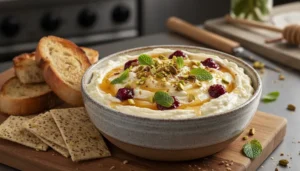
While hummus is a staple, a Spring Mezze Platter demands a more verdant approach. The Pea, Feta, and Mint Dip is the crown jewel of seasonal spreads. By blending blanched sweet peas with salty sheep’s milk cheese and a handful of fresh mint, you create a dip that tastes like spring in a bowl. This dip provides a beautiful pop of bright green color that anchors the visual appeal of the entire platter.
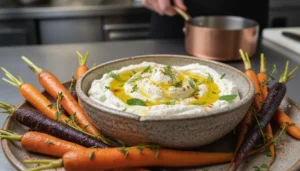
Additionally, consider a Roasted Carrot and Ginger Hummus. By roasting young spring carrots until their natural sugars caramelize, you can blend them into a traditional chickpea base for a spread that is naturally sweet and slightly spicy from the ginger. This eliminates the need for heavy sugars or artificial flavorings, keeping the profile clean and seasonal. Using your Ninja Blender will ensure these dips are aerated and light, rather than dense and heavy.
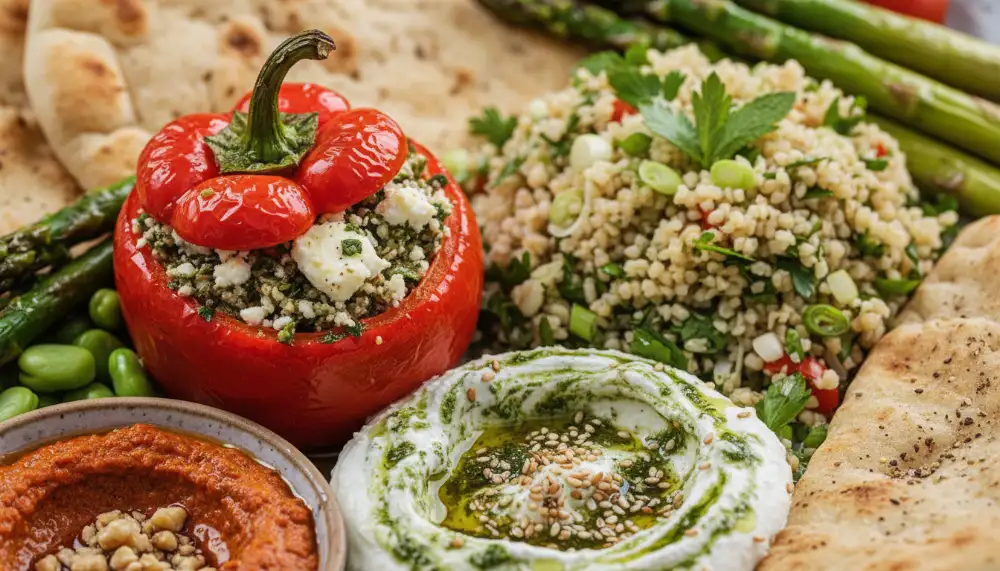
Artful Presentation and Plating Techniques
The success of a Spring Mezze Platter lies in its visual abundance. When plating, start with your largest bowls for the dips, placing them slightly off-center to create a dynamic look. Use the “river” technique, where you create flowing lines of vegetables like blanched asparagus and sliced cucumbers that guide the eye across the board. Fill every gap with smaller items like olives, nuts, or pomegranate seeds to ensure the board looks lush and generous.
Don’t forget the importance of color grouping. Place the magenta-hued watermelon radishes next to the deep green of the mint leaves, and the golden-brown beef koftas next to the creamy white of the tahini sauce. This creates a high-contrast aesthetic that is as pleasing to the eye as it is to the palate. For more inspiration on Mediterranean flavor profiles, you can explore our related guide on [INTERNAL_LINK_1].
Non-Alcoholic Pairings for the Spring Palate
To complement the complex spice profiles of the Spring Mezze Platter without the use of alcohol, look toward sophisticated botanical infusions. An Iced Peppermint and Honey Tea serves as a traditional palate cleanser that echoes the mint used in the dips. Alternatively, a Sparkling Cucumber and Rose Water beverage offers a floral, refreshing note that pairs beautifully with the saltiness of feta and olives. For those who prefer something with more bite, a Pomegranate Shrub, made with pomegranate juice and a high-quality balsamic vinegar, provides the acidic depth of a dry red wine without any of the alcohol content.
Storage and Meal Prep Strategy
Preparation is the key to a stress-free Spring Mezze Platter. Many of the components, such as the hummus and the pea dip, actually improve in flavor if made 24 hours in advance. Store these in your Rubbermaid Brilliance Glass containers to maintain their vibrant color and prevent them from absorbing other fridge odors. The beef koftas can be rolled and vacuum-sealed using a FoodSaver days in advance, then popped into the air fryer just before guests arrive. This ensures the meat remains juicy and flavorful while you focus on the artistic arrangement of the vegetables.