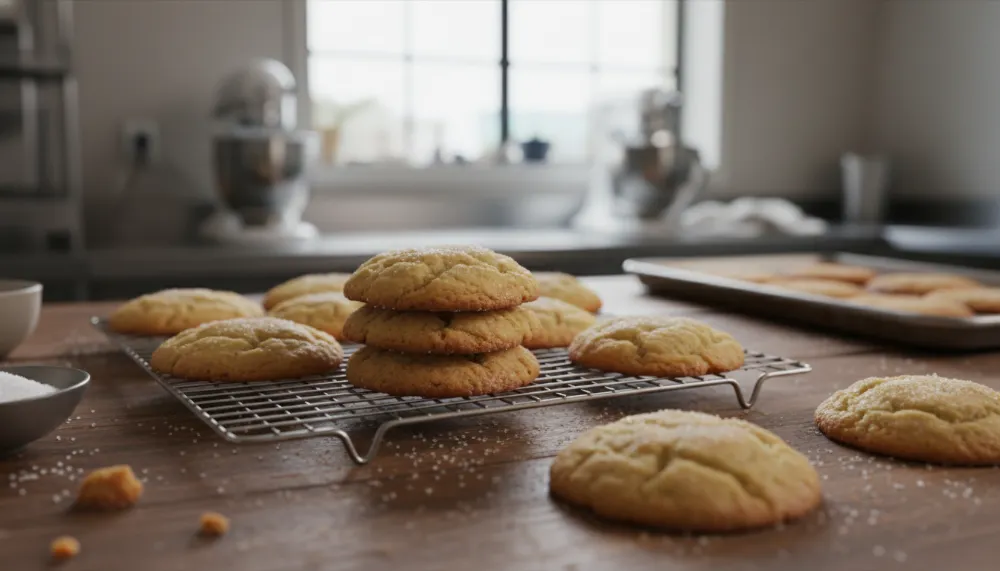

These Sourdough Discard Sugar Cookies are the ultimate way to transform your leftover starter into a buttery, soft-baked masterpiece with a unique tangy depth. Forget thin and crispy, these cookies offer a melt-in-your-mouth texture that will make you never want to throw away your discard again.
Sourdough Discard Sugar Cookies
Ingredients
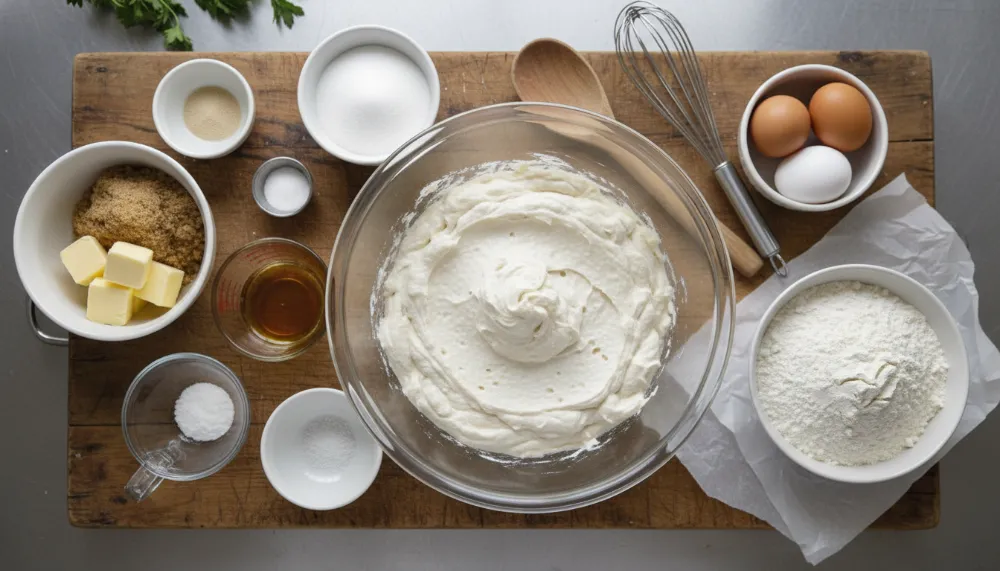
- 1 Cup Unsalted Butter, softened to room temperature
- 1.25 Cups Granulated White Sugar
- 0.5 Cup Sourdough Discard, unfed and at room temperature
- 2 Teaspoons Alcohol-free Vanilla Essence
- 3 Cups All-Purpose Flour, spooned and leveled
- 1 Teaspoon Baking Powder
- 0.5 Teaspoon Fine Sea Salt
- 0.25 Cup Extra Sugar, for rolling dough balls
Instructions
- 1 In a large bowl, cream together the softened butter and granulated sugar until the mixture is light, fluffy, and pale yellow.
- 2 Add the sourdough discard and alcohol-free vanilla essence, beating until fully incorporated and smooth.
- 3 Whisk together the flour, baking powder, and salt in a separate container, then gradually stir into the wet ingredients.
- 4 Cover the dough and refrigerate for at least 60 minutes to allow the flour to hydrate and the fats to firm up.
- 5 Preheat your oven to 350°F (175°C) and line two large baking sheets with parchment paper or silicone mats.
- 6 Scoop tablespoon-sized portions of dough, roll them into smooth balls, and coat them thoroughly in the extra granulated sugar.
- 7 Space the balls 2 inches apart on the baking sheets and bake for 10 to 12 minutes until the edges are just set but the centers remain soft.
- 8 Let the cookies rest on the pan for 5 minutes before transferring them to a wire rack to cool completely.
The Fascinating Evolution of Sourdough Discard Sugar Cookies
Sourdough discard sugar cookies represent a fusion of ancient fermentation traditions and early modern confectionery. This unique treat repurposes the byproduct of bread-making to create a cookie with a tender crumb and a complex, slightly acidic finish. While most people associate sourdough strictly with crusty boules, the world of sourdough discard sweets is a rapidly growing niche that bridges the gap between waste reduction and gourmet baking.
The history of this cookie is a convergence of two distinct culinary lineages. Sourdough, the oldest form of leavened bread, dates back to at least 3700 BCE in ancient Egypt and Switzerland. For millennia, keeping a starter, a culture of wild yeast and beneficial bacteria, was the only way to leaven baked goods. During the 19th-century Gold Rush and pioneer migrations, travelers famously carried starters around their necks or in belts to protect them from the cold. Because flour was a precious resource, discard, the portion of the starter removed during regular feedings, was rarely wasted. While pioneers primarily used it for savory staples like biscuits and flapjacks, it laid the groundwork for using fermented starters in non-bread items.
The Dutch Influence and Modern Resurgence
The modern sugar cookie originated in the 1700s with Dutch settlers in New York. Known as koekjes, these early cookies were simple, butter-heavy, and often seasoned with spices. The specific concept of the Sourdough Discard Sugar Cookie surged in popularity during the early 21st century, particularly during the 2020 global bread-baking resurgence. Professional and home bakers alike sought ways to minimize food waste, discovering that the lactic acid in the discard tenderizes the cookie’s gluten structure, leading to a softer, melt-in-your-mouth texture compared to traditional versions.
Today, high-authority bakers utilize specialized tools like the Cuisinart 8 Cup Food Processor to quickly cut butter into flour for variations of this recipe, proving that even traditional recipes benefit from modern efficiency. Fast chopping and slicing make this a meal prep essential for those looking to bake in large batches.
The Science of Sourdough in Sweet Doughs
Why exactly does sourdough discard work so well in a sugar cookie? It comes down to chemistry. The sourdough starter is essentially a colony of lactic acid bacteria and wild yeast. Even when the yeast is no longer active enough to rise a heavy bread loaf, the acid remains. This acidity acts as a natural tenderizer. When the acid interacts with the proteins in the flour, it prevents the over-development of gluten, which is the culprit behind tough, bready cookies. The result is a cookie that is structurally sound but incredibly soft to the bite.
Furthermore, the fermentation process in the discard helps neutralize phytic acid, an anti-nutrient found in grains. This can make the grains easier to digest. While a sugar cookie is still a treat, the inclusion of a fermented component adds a layer of digestibility and a subtle tang that balances the high sugar content perfectly. If you are serious about your baking prep, using the Ninja BN751 Professional Plus DUO Blender can help you create ultra-fine sugar or even blend additions like citrus zests and alcohol-free vanilla beans into a smooth paste for a more uniform flavor distribution.
Professional Flavor Variations and Infusions
Professional pastry chefs elevate this recipe beyond the standard vanilla profile by utilizing high-end infusions and alcohol-free aromatic essences. Because we avoid alcohol-based extracts in this specific tradition, we turn to glycerin-based or water-based essences to achieve depth.
Botanical and Citrus Profiles
Instead of traditional extracts, professional recipes may use alcohol-free lavender or rose essence. Pairing these with lemon or orange zest provides a bright, floral complexity. The acidity of the sourdough discard actually enhances the perception of citrus, making the lemon notes pop more than they would in a standard cookie. For those who want to experiment with texture, roasting citrus peels in the Cosori 9-in-1 TurboBlaze Air Fryer 6 Qt before grinding them into the sugar provides a concentrated, almost marmalade-like flavor profile.
Umami and Warm Spices
A common professional twist involves adding a small amount of white miso paste. The fermented nature of the miso mirrors the sourdough’s tang, creating a sophisticated sweet and salty umami profile. Additionally, incorporating finely ground cardamom, ginger, or star anise adds a warming dimension often found in gourmet holiday bakes. These spices should be kept fresh in airtight containers like the Rubbermaid Brilliance Glass Storage Set to ensure their volatile oils don’t dissipate before use.
Troubleshooting Your Sourdough Discard Sugar Cookies
Even with a perfect recipe, sourdough can be a bit temperamental because every starter has a different hydration level. Most starters are a 1:1 ratio of water and flour, but if yours is thinner or thicker, you may need to adjust your flour measurements by a tablespoon or two.
Why Did My Cookies Spread Too Much?
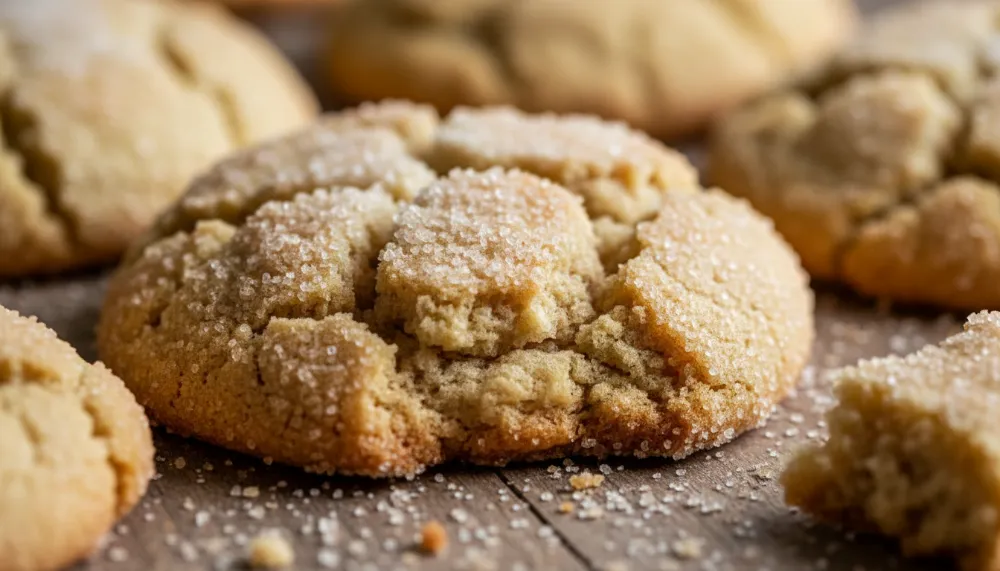
If your cookies came out looking like thin pancakes, the most likely culprit is temperature. If the butter was too warm or the dough wasn’t chilled long enough, the fats will melt in the oven before the flour structure has a chance to set. Always chill your dough for at least an hour. Another reason for spreading is the age of the discard. Very old, acidic discard can break down the dough structure too quickly. Aim for discard that is no more than a week or two old for the best results.
Why Are My Cookies Tough?
Tough cookies usually result from over-mixing. Once the flour is added, you should mix only until no streaks of white remain. Over-mixing develops the gluten, negating the tenderizing benefits of the sourdough acid. If you find your dough is too dry, add a teaspoon of milk at a time until it comes together. Using a food processor can help prevent over-handling by the warmth of your hands.
The Importance of Storage and Freshness
Because these cookies have a higher moisture content than traditional sugar cookies, thanks to the sourdough starter, they stay soft for longer. However, they are also more prone to absorbing odors from the kitchen if not stored correctly. Using high-quality storage solutions is non-negotiable for the serious home baker. The Rubbermaid Brilliance Glass Storage Set of 9 is perfect for keeping these cookies fresh, as the leak-proof, airtight seals prevent the cookies from going stale or becoming soft from humidity.
For those who like to bake in bulk, the dough itself freezes beautifully. You can roll the dough into balls and use a FoodSaver Vacuum Sealer Machine to prevent freezer burn. This keeps the dough fresh for up to three months, allowing you to have freshly baked Sourdough Discard Sugar Cookies whenever the craving strikes. Simply thaw the balls in the refrigerator before rolling in sugar and baking as directed.
A Note on Nutritional Balance
While the exact nutrition depends on the specific flour and fats used, a typical sourdough discard sugar cookie generally provides around 110 to 145 kcal per serving. It is primarily composed of carbohydrates from enriched flour and sugar, with fats varying based on your butter choice. The protein content is modest, usually between 1 to 3 grams. However, the true benefit lies in the fermentation, which can make these a more gut-friendly option for those who are sensitive to standard unfermented wheat products. By choosing high-quality ingredients and managing your portions, these cookies can easily fit into a balanced lifestyle of home-cooked, high-quality meals.