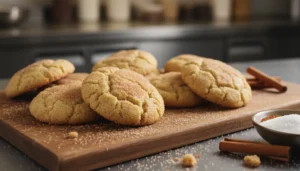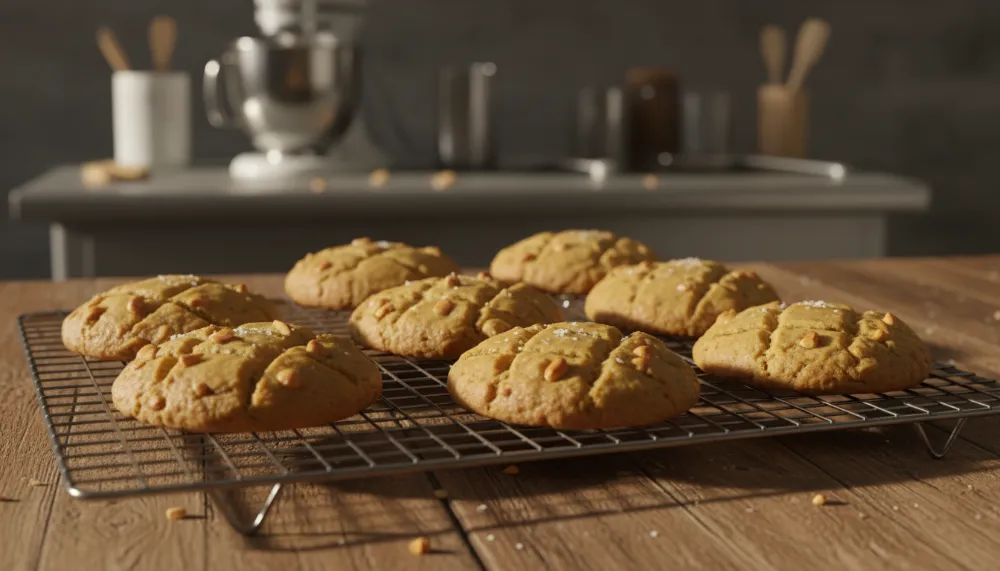

Transform your kitchen scrap into a gourmet treat with these Sourdough Discard Peanut Butter Cookies that perfectly balance nutty richness with a subtle fermented tang. This recipe is the ultimate solution for anyone looking to reduce waste while satisfying a serious sweet tooth with a complex, bakery-style finish.
Sourdough Discard Peanut Butter Cookies
Ingredients
- 1 1/2 cup unsalted butter, softened
- 2 1/2 cup creamy peanut butter (natural or commercial)
- 3 1/2 cup granulated sugar
- 4 1/2 cup light brown sugar, packed
- 5 1/2 cup sourdough discard (unfed, room temperature)
- 6 1 large egg, room temperature
- 7 1 teaspoon alcohol-free vanilla flavoring
- 8 1 1/2 cups all-purpose flour
- 9 1/2 teaspoon baking soda
- 10 1/2 teaspoon baking powder
- 11 1/4 teaspoon sea salt
Instructions
- 1 Preheat your oven to 350°F (175°C) and line two large baking sheets with parchment paper.
- 2 In a large bowl, cream together the softened butter, granulated sugar, and brown sugar until light and fluffy, about 3 minutes.
- 3 Beat in the peanut butter, egg, sourdough discard, and alcohol-free vanilla until smooth and well combined.
- 4 In a separate medium bowl, whisk together the flour, baking soda, baking powder, and sea salt.
- 5 Gradually add the dry ingredients to the wet ingredients, mixing until just combined. Do not overmix.
- 6 Roll the dough into 1-inch balls and place them 2 inches apart on the prepared baking sheets.
- 7 Use a fork to create the classic crisscross pattern, pressing down gently on each ball.
- 8 Bake for 10-12 minutes or until the edges are lightly golden. Let cool on the pan for 5 minutes before transferring to a wire rack.
The Art of the Sourdough Discard Peanut Butter Cookie
Sourdough discard peanut butter cookies represent a unique intersection of ancient fermentation traditions and early 20th-century American resourcefulness. By combining the tangy, moisture-rich profile of a sourdough starter with the dense, nutty flavor of roasted peanuts, these cookies offer a complex taste and improved texture compared to traditional versions. In the world of modern baking, where zero-waste practices are increasingly valued, this recipe stands out as a masterclass in utilizing every part of your kitchen pantry.
The sourdough starter itself, often referred to as the “mother,” is a living ecosystem of wild yeast and lactic acid bacteria. While we typically focus on its leavening power for artisan loaves, the discard, the portion removed during the feeding cycle, is a goldmine for flavor. It provides a subtle acidity that cuts through the heavy fats of the peanut butter, creating a cookie that is rich without being cloying. Moreover, the lactic acid in the discard helps to tenderize the gluten in the flour, resulting in a cookie that is remarkably soft on the inside with a crisp, golden exterior.
A Deep Dive into Culinary History
To truly appreciate the Sourdough Discard Peanut Butter Cookie, one must look at the two distinct culinary timelines that merged to create this modern favorite. Sourdough is the oldest form of leavened bread, dating back to at least 1500 BC in Ancient Egypt. In North America, it became a cultural icon during the 1849 Gold Rush, where prospectors carried starters in pouches to bake bread in the wilderness. These prospectors were so synonymous with their starters that they earned the nickname “sourdoughs.”
On the other hand, the peanut butter cookie is a relatively young American invention. While the peanut plant has ancient roots in South America, it wasn’t until the early 1900s that George Washington Carver promoted peanuts as a soil-revitalizing crop. In 1916, he published three of the first known peanut cookie recipes. However, the iconic crisscross fork pattern we know today didn’t become popular until the early 1930s. It was first documented by the Schenectady Gazette and later by Pillsbury, as a practical way to help the dense, oily dough bake evenly. Today, combining these two histories results in a cookie that feels both nostalgic and innovative.

Nutritional Excellence and Ingredient Science
When you bite into a sourdough discard peanut butter cookie, you aren’t just eating a sweet treat, you are consuming a balanced profile of healthy fats, protein, and carbohydrates. Standard sourdough peanut butter cookies (approximately 30g each) typically offer a robust nutritional foundation. The inclusion of sourdough discard introduces beneficial acids that can enhance the bioavailability of nutrients in the flour, potentially making it easier for some individuals to digest.
According to nutritional data, these cookies offer approximately 120 to 145 kcal per serving, with 7g to 9g of total fat, mostly consisting of heart-healthy monounsaturated fats from the peanuts. With 3g to 5g of protein per cookie, they are more substantial than your average sugar cookie. Furthermore, peanuts are an excellent source of Manganese, Magnesium, and Phosphorus. For those looking to maximize their kitchen efficiency, using high-quality equipment is key. We recommend the Cuisinart 8 Cup Food Processor for perfectly mixing your dough and even grinding your own peanuts if you prefer a rustic, homemade butter texture.
Professional Flavor Variations
Chefs often use the acidity of the sourdough to balance the heavy fats of the peanut butter, incorporating gourmet twists that elevate the humble cookie. If you want to take your Sourdough Discard Peanut Butter Cookies to the next level, consider these professional variations:
1. The Umami Miso Twist
Adding 1 to 2 tablespoons of white miso paste introduces a savory, salty complexity. This umami element enhances the natural sweetness of the sugars without the need for additional table salt. It creates a “salted caramel” effect that is incredibly addictive. To ensure a perfectly smooth integration of the miso, the Ninja BN751 Professional Plus DUO Blender is a perfect tool, as its 1000W motor can emulsify the peanut butter and miso into a silky base.
2. Chili and Sea Salt
A professional favorite involves folding in a pinch of red chili flakes or cayenne and finishing the cookies with a generous sprinkle of flaky sea salt. The heat from the chili cuts through the richness of the fats, while the sea salt provides a textural crunch that wakes up the palate. Remember to use sea salt or coarse table salt to comply with dietary guidelines while maintaining that signature crunch.
3. Dark-Roasted Crunch
Using dark-roasted, natural peanut butter (containing only peanuts and salt) provides a more intense, slightly bitter nut flavor. This prevents the cookie from being overly sweet and gives it a sophisticated, adult profile. If you have extra peanuts, you can roast them in the Cosori 9-in-1 TurboBlaze Air Fryer 6 Qt, which roasts nuts perfectly and evenly in minutes.
Essential Tools for Baking Success
Baking the perfect Sourdough Discard Peanut Butter Cookie requires more than just a good recipe, it requires the right tools to ensure consistency and quality. Here are our top recommendations for a professional-grade home kitchen:
- Ninja BN751 Professional Plus DUO Blender: Check Price on Amazon. Why Perfect: 1000W motor, perfect for creating homemade nut butters or emulsifying miso into your dough.
- Cosori 9-in-1 TurboBlaze Air Fryer 6 Qt: Check Price on Amazon. Why Perfect: Beyond roasting peanuts, you can actually “air bake” small batches of these cookies for an extra-crispy exterior.
- Cuisinart 8 Cup Food Processor: Check Price on Amazon. Why Perfect: Fast mixing of dough and essential for chopping nuts to fold into the batter.
- Rubbermaid Brilliance Glass Storage Set of 9: Check Price on Amazon. Why Perfect: Keeps your cookies fresh and crisp for days, leak-proof and stackable for pantry organization.
- FoodSaver Vacuum Sealer Machine: Check Price on Amazon. Why Perfect: If you make a massive batch of dough, vacuum seal and freeze it to prevent freezer burn and keep the sourdough flavor fresh.
Troubleshooting Your Sourdough Cookies
Even for experienced bakers, sourdough discard can sometimes behave unpredictably due to varying hydration levels. If your dough feels too wet, it is likely because your discard is very thin. Simply add an extra tablespoon of flour at a time until the dough is rollable. Conversely, if the dough is too crumbly, add a teaspoon of water or a bit more peanut butter.
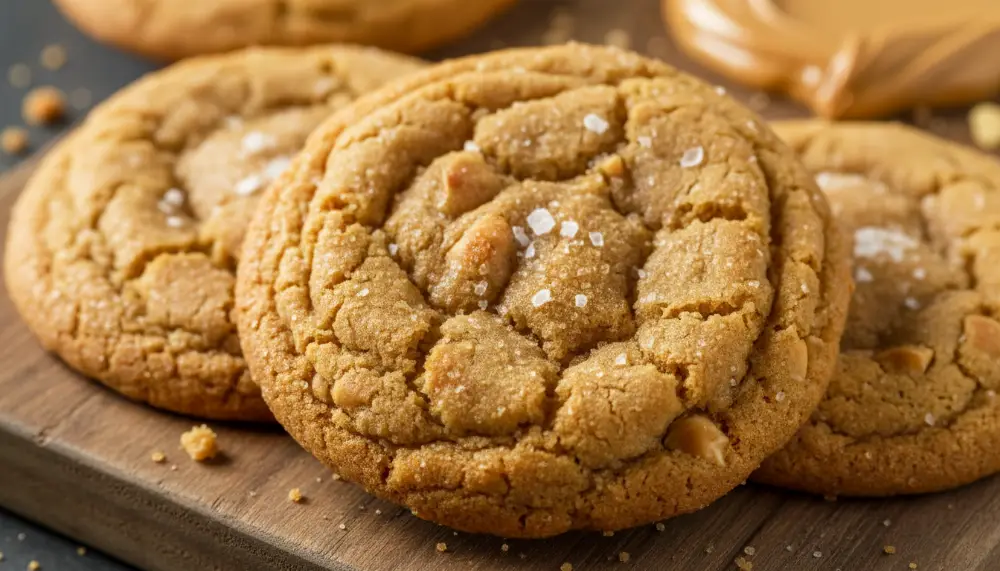
Another common issue is the cookies spreading too much in the oven. This often happens if the butter was too warm or the sourdough discard was highly active. To prevent this, chill your dough balls for at least 30 minutes before baking. Chilling the dough solidifies the fat, ensuring the cookies maintain their thick, chewy structure and hold the beautiful crisscross pattern from your fork.
Storage and Longevity
Because of the natural acidity in the sourdough discard, these cookies actually stay fresh longer than traditional versions. The acids act as a mild natural preservative. To keep them at their peak, store them in a Rubbermaid Brilliance Glass Storage container. At room temperature, they will remain delicious for up to 5 days. For long-term storage, you can freeze the baked cookies for up to 3 months. When you’re ready for a treat, just let them thaw at room temperature or give them a quick 15-second zap in the microwave for that fresh-from-the-oven warmth.
Frequently Asked Questions
Can I use active starter instead of discard?
Yes, you can use active starter, but the cookies will be fluffier and slightly more cake-like. Discard is preferred for that classic, dense peanut butter cookie texture. If using active starter, you may want to reduce the baking powder slightly to compensate for the additional lift.
Is this recipe vegetarian?
Absolutely. This recipe contains no pork products or meat-based fats. It relies on butter and peanut butter for its rich flavor. If you wish to use an alternative fat, beef tallow is a traditional professional substitute for butter that provides an incredibly flaky texture, though butter remains the standard for flavor.
Why use alcohol-free vanilla?
Alcohol-free vanilla provides the same deep, floral aromatic notes as traditional extract without the use of alcohol. This ensures the recipe is suitable for all dietary requirements while maintaining the gourmet quality expected of a professional recipe.