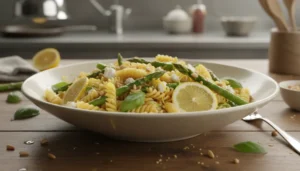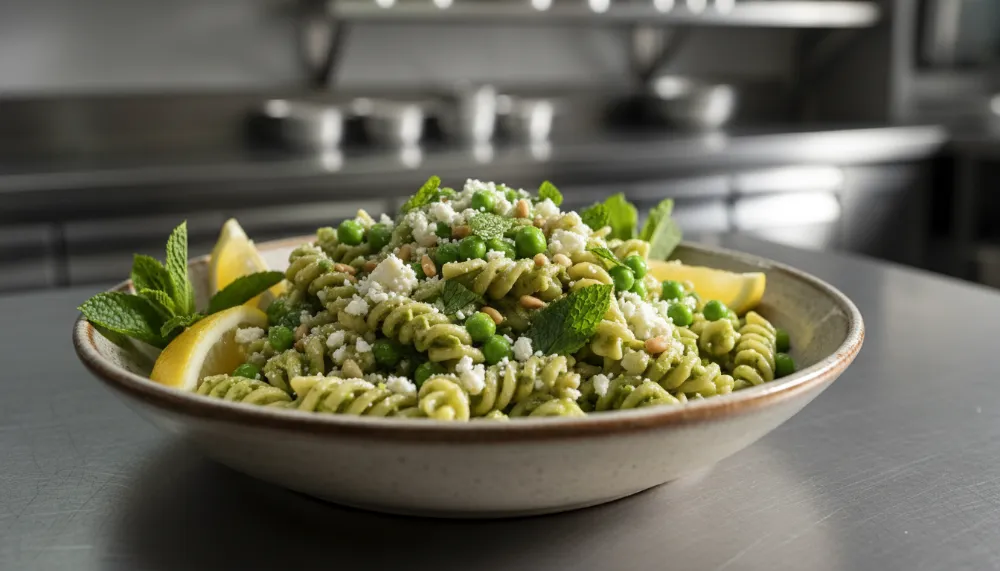

This vibrant pea and mint pasta salad captures the essence of summer in every bite, offering a refreshing blend of sweet garden peas and cooling fresh mint. It is the ultimate side dish or main course for those seeking a bright, nutrient-dense meal that comes together in minutes.
Pea and Mint Pasta Salad
Ingredients
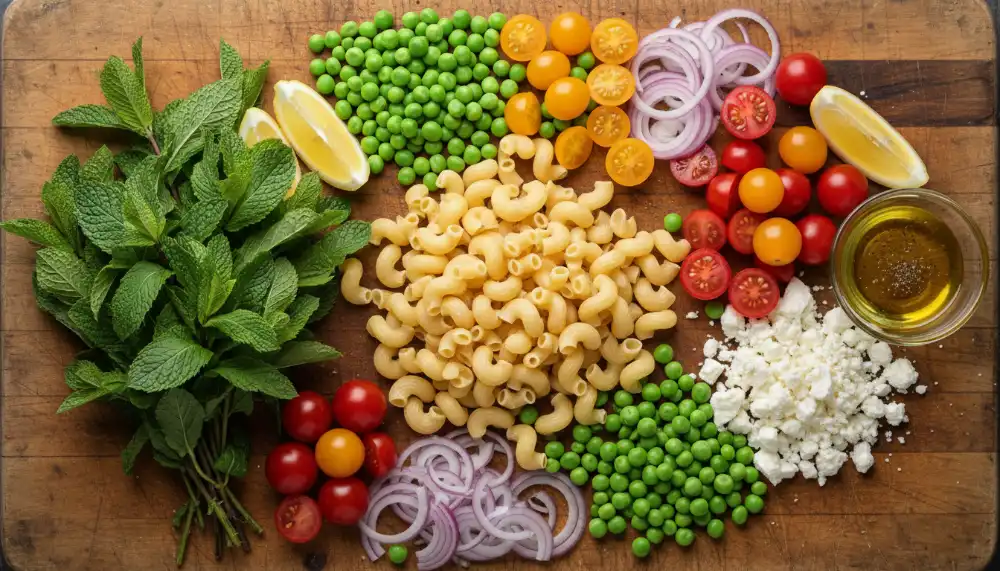
- 1 lb Fusilli or Farfalle pasta
- 2 cups fresh or frozen sweet peas
- 1 cup fresh mint leaves, finely chopped
- 1/3 cup extra virgin olive oil
- 2 tbsp lemon juice (plus zest of one lemon)
- 2 cloves garlic, minced
- 1/2 cup crumbled feta or goat cheese
- Salt and cracked black pepper to taste
Instructions
- Cook the pasta in a large pot of salted boiling water according to package instructions until al dente.
- During the last 60 seconds of boiling, add the peas to the pot to blanch them.
- Drain the pasta and peas, then immediately rinse under cold water to stop the cooking process and lock in the vibrant green color.
- In a large mixing bowl, whisk together the olive oil, lemon juice, lemon zest, and minced garlic.
- Add the cooled pasta and peas to the bowl along with the chopped mint and cheese.
- Toss well to coat everything evenly. Season generously with salt and pepper. Serve chilled or at room temperature.
The Rich History and Culinary Origins
The combination of peas and mint is not merely a modern health trend, it is a culinary legacy with roots stretching back centuries. In European culinary history, particularly within British traditions, the pairing of peas and mint has been a staple since the 1400s. This association was born out of agricultural necessity, as both ingredients reached their peak harvest during the same early summer window. In medieval England, the appearance of fresh garden peas was a celebration of the spring harvest, and mint was the natural herb of choice to accentuate their earthy sweetness.
While the British perfected the minted pea, the concept of turning this into a cold salad owes a great debt to Italian Jewish communities. Food historians note that the tradition of pasta fredda, or cold pasta, was popularized by these communities because of religious laws that prohibited cooking on the Sabbath. By preparing pasta in advance and serving it chilled with seasonal vegetables, they created the foundation for the modern pasta salad we enjoy today at every summer barbecue and picnic.
Nutritional Profile: Why This Salad is a Superfood
A standard 1.25-cup serving of pea and mint pasta salad is more than just a refreshing side, it is a nutritional powerhouse. Peas are classified as legumes and provide a significant source of plant-based protein, which is essential for muscle repair and satiety. A single serving typically contains 8 to 12 grams of protein, making it a viable main course for those reducing their meat intake.
Beyond protein, this salad is rich in Vitamin K and Vitamin A, primarily sourced from the high concentration of leafy mint and nutrient-dense peas. Vitamin K is crucial for bone health and proper blood clotting, while Vitamin A supports healthy vision and immune function. The inclusion of lemon juice adds a boost of Vitamin C, while the fiber content, roughly 4 to 6 grams per serving, aids in digestion and helps maintain steady blood sugar levels. For those tracking minerals, this dish provides approximately 10 percent of your daily recommended iron intake, especially when utilizing fresh garden peas.
Professional Preparation Techniques and Equipment
To achieve a restaurant-quality pea and mint pasta salad, the technique used during preparation is just as important as the ingredients. One of the most critical steps is the “cold shock.” Professionals blanch their peas for exactly 60 seconds before plunging them into an ice-water bath. This process halts the cooking immediately, preventing the peas from becoming mushy and ensuring they retain their brilliant neon-green hue.
For the dressing, emulsification is key. Using a high-quality tool like the Ninja BN751 Professional Plus DUO Blender allows you to perfectly emulsify the lemon juice and olive oil, creating a silky coating that clings to every crevice of the pasta. If you prefer a more rustic texture for your mint and garlic, the Cuisinart 8 Cup Food Processor is a meal prep essential that can chop your herbs and aromatics in seconds without bruising the delicate mint leaves.
The “Warm Dress” Method
While many home cooks wait for the pasta to cool before dressing it, professional chefs often use the warm dress method. By tossing the pasta with the lemon and oil dressing while it is still slightly warm, the starch on the surface of the pasta absorbs the flavors more deeply. Once the pasta has absorbed the initial dressing, you can add the fresh mint and peas later to ensure they remain crisp and vibrant.
Protein Variations and Flavor Enhancements
While the base recipe is vegetarian, this dish is incredibly versatile and can be elevated with various proteins to suit your dietary needs. Remember to avoid pork products entirely and instead focus on lean meats or hearty vegetarian alternatives.
- Lemon-Herb Grilled Chicken: Thinly sliced chicken breast marinated in lemon and oregano provides a savory depth that complements the mint.
- Seared Beef Strips: For a more substantial meal, chilled flank steak seasoned with cracked black pepper offers a rich contrast to the sweetness of the peas.
- Crispy Chickpeas: For a vegetarian protein boost, use the Cosori 9-in-1 TurboBlaze Air Fryer 6 Qt to roast chickpeas until they are perfectly crunchy. These act as high-protein croutons that add a wonderful textural element.
- The “No-Alcohol” Dressing: Traditional recipes might call for white wine in the dressing, but you can achieve a superior depth of flavor by using white balsamic vinegar or a splash of concentrated vegetable broth. This provides the necessary acidity without the need for alcohol.
Storage and Meal Prep Secrets
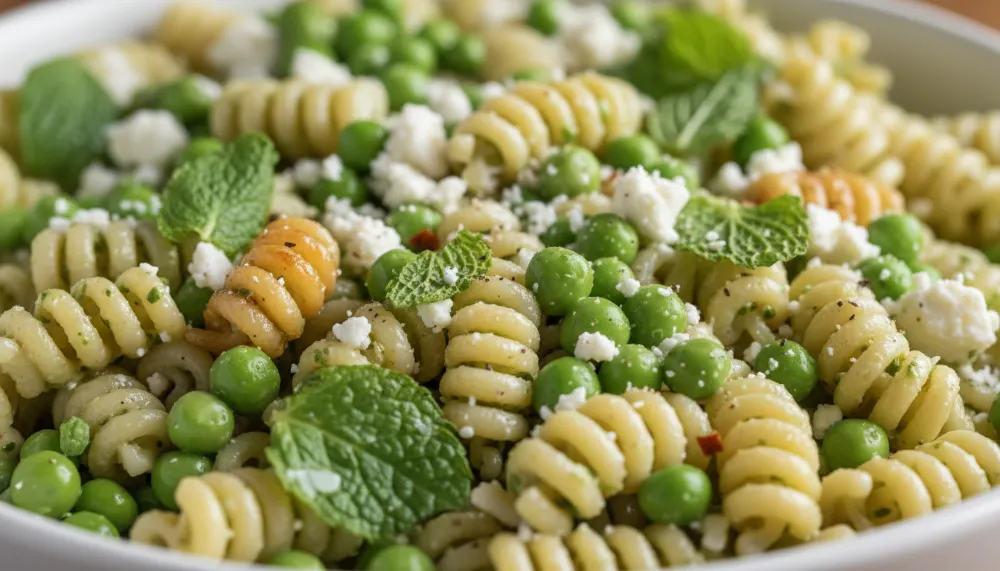
Pea and mint pasta salad is an ideal candidate for meal prep because its flavors actually improve after a few hours in the refrigerator. However, to keep it fresh for multiple days, you must use high-quality storage solutions. The Rubbermaid Brilliance Glass Storage Set is perfect for this, as the leak-proof lids and glass construction prevent the pasta from absorbing any off-flavors from the fridge while keeping the mint from wilting.
If you are prepping ingredients for the week, consider using the FoodSaver Vacuum Sealer Machine to keep your fresh peas and mint at their peak ripeness until you are ready to assemble the salad. Vacuum sealing prevents oxidation, which is the primary enemy of green vegetables.
Food Safety and Longevity
Because this salad contains fresh herbs and sometimes cheese, it should not be left at room temperature for more than two hours. When stored properly in an airtight glass container, it will remain delicious for up to 3 to 4 days. If the pasta seems a bit dry the next day, simply revive it with a small drizzle of olive oil and a fresh squeeze of lemon juice before serving.