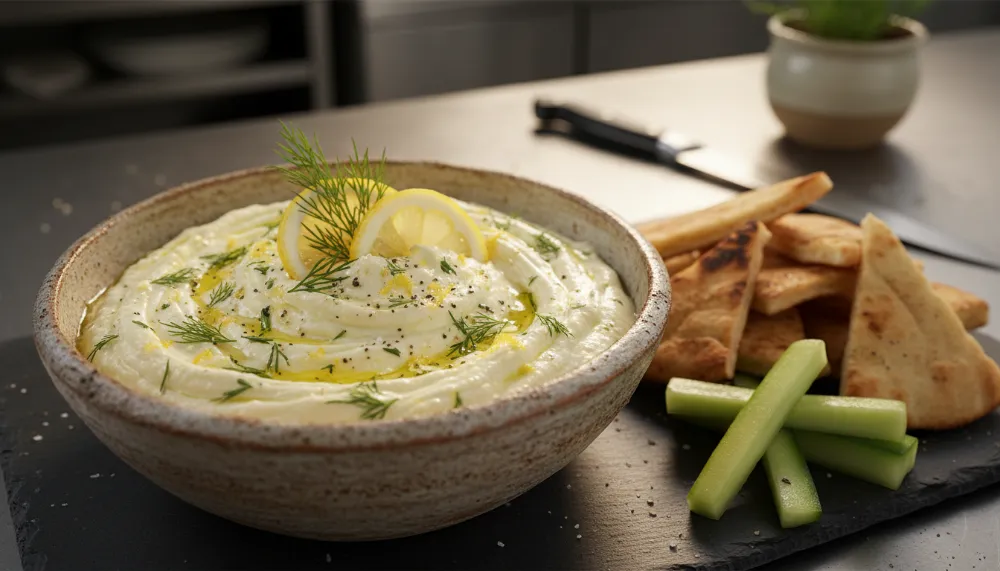

This Lemon Dill Whipped Feta is the ultimate creamy, tangy, and herb-forward dip that transforms simple ingredients into a sophisticated appetizer or spread. With its airy texture and bright citrus notes, it serves as the perfect centerpiece for your next Mediterranean-inspired gathering.
Lemon Dill Whipped Feta
Ingredients
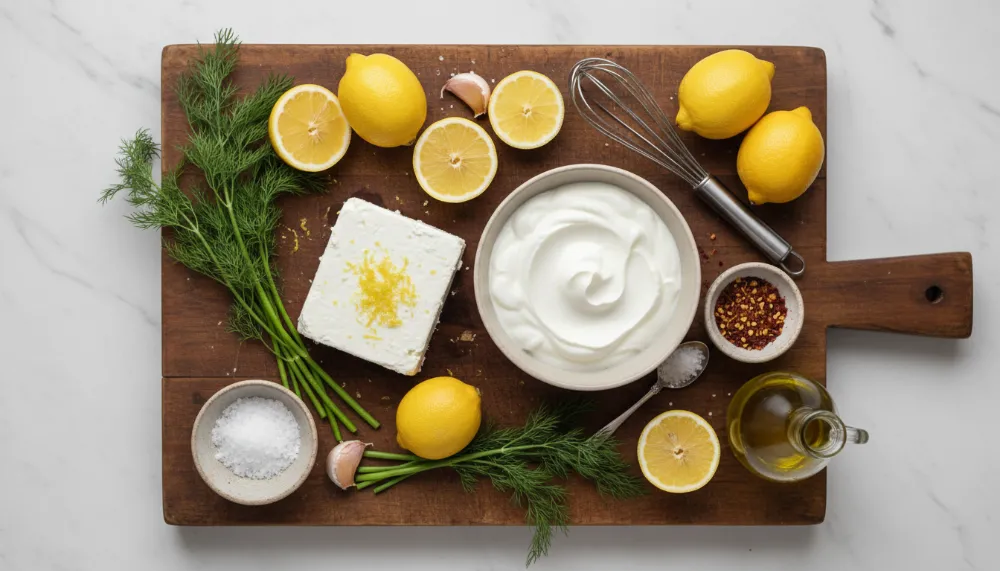
- 1 8oz Block of high-quality Feta cheese (drained)
- 2 1/2 cup Plain Greek Yogurt or Cream Cheese
- 3 2 tablespoons Extra Virgin Olive Oil
- 4 Zest and Juice of 1 Large Lemon
- 5 2 cloves Fresh Garlic (minced)
- 6 1/4 cup Fresh Dill (finely chopped)
- 7 1/2 teaspoon Cracked Black Pepper
- 8 Optional: Drizzle of Honey for garnish
Instructions
- 1 Place the crumbled feta cheese and Greek yogurt into a food processor.
- 2 Add the lemon zest, lemon juice, olive oil, and minced garlic to the bowl.
- 3 Pulse until the mixture begins to break down, then process on high for 2 minutes until completely smooth and airy.
- 4 Add the fresh chopped dill and cracked black pepper, pulsing 2 or 3 times just to incorporate.
- 5 Transfer to a serving bowl and chill for at least 30 minutes to allow flavors to meld.
- 6 Before serving, garnish with extra dill, lemon zest, and a drizzle of olive oil.
The Historical Roots of Whipped Feta
While the modern obsession with Lemon Dill Whipped Feta might feel like a product of recent social media trends, its culinary DNA is thousands of years old. The concept of “beating” or “whipping” cheese is deeply embedded in Mediterranean culture, specifically within the Cyclades islands of Greece. Traditional recipes like Kopanisti, which literally translates to “beaten,” have long used manual labor, a mortar and pestle, and time to transform firm, briny cheeses into spreadable delicacies.
In Northern Greece, variants like Tirokafteri and Htipiti emerged as staples of the meze table. These dishes weren’t just about flavor, they were about texture. By emulsifying the cheese with oils and acids, the heavy saltiness of the feta was mellowed, creating a more balanced palate. The transition from these ancient techniques to the modern “whipped” version occurred with the rise of the domestic food processor, which allowed for a level of aeration that was previously impossible to achieve by hand. Today, the addition of dill and lemon represents a contemporary preference for bright, herbaceous profiles that complement the natural tang of the sheep and goat milk cheese.
The Science of the Perfect Whip
Achieving the perfect consistency for Lemon Dill Whipped Feta is more than just a matter of blending. It is a lesson in emulsification. Feta is a high-protein, relatively low-moisture cheese. If you simply blend it alone, it becomes a thick, grainy paste. To achieve that signature cloud-like texture, you need a secondary fat and a specific amount of acidity.
When you introduce Greek yogurt or cream cheese, you are adding moisture and additional fats that surround the protein clusters in the feta. The citric acid from the lemon juice acts as a stabilizer, breaking down the stubborn protein bonds of the aged cheese. This allows the food processor blades to incorporate air, creating a stable foam known as a culinary emulsion. For the best results, using a high-powered tool like the Ninja BN751 Professional Plus DUO Blender ensures that even the smallest grains of cheese are pulverized into a silky finish.
Professional Flavor Variations
One of the reasons Lemon Dill Whipped Feta has become a staple in professional kitchens is its incredible versatility. By swapping just one or two ingredients, you can shift the flavor profile to match any meal. Here are four chef-inspired variations that maintain dietary compliance by avoiding pork and alcohol.
1. Smoky Roasted Garlic & Beef
Instead of relying on raw garlic, slow-roast four to five cloves in olive oil until they are golden and buttery. Blend these into your feta base along with a teaspoon of smoked paprika. This version creates a deep, earthy foundation that pairs exceptionally well with seared beef tenderloin skewers or beef kafta. The cooling nature of the feta cuts through the rich fat of the red meat perfectly.
2. Sumac & Toasted Nut
For a textural contrast, fold in toasted pine nuts or crushed pistachios after the whipping process is complete. Dust the top generously with sumac, a deep red spice that offers a tart, almost balsamic-like finish without the need for alcohol-based vinegars. This is a spectacular accompaniment to roasted chicken thighs or warm sourdough bread.
3. Spicy Harissa & Honey
If you prefer a kick of heat, swirl in a tablespoon of harissa paste, a North African chili blend, and a drizzle of clover honey. The sweet-and-spicy dynamic elevates the salty feta. This variation is a fantastic vegetarian option when served alongside roasted rainbow carrots or crispy chickpeas prepared in the Cosori 9-in-1 TurboBlaze Air Fryer.
4. Garden Herb & Mint
While dill is the star of our primary recipe, adding minced chives and fresh mint creates a “Garden Herb” profile that is incredibly refreshing. This lighter version is the ideal spread for chicken shawarma wraps or as the centerpiece of a fresh vegetable crudité platter featuring radishes, cucumbers, and bell peppers.

Nutritional Deep Dive
Understanding the nutritional profile of Lemon Dill Whipped Feta helps in planning it as part of a balanced diet. Feta is a “salt-forward” cheese, meaning its sodium content is higher than mozzarella or ricotta due to the brining process. However, it is also a rich source of calcium and Vitamin B12.
A standard two-tablespoon serving generally contains between 60 and 90 calories. The protein content, usually 3 to 5 grams per serving, makes it more satiating than oil-based dips like hummus or baba ganoush. By using Greek yogurt as the whipping agent rather than heavy cream or cream cheese, you can increase the probiotic content and lower the saturated fat, making it a smarter choice for daily meal prep. To keep your ingredients as fresh as possible, consider using a FoodSaver Vacuum Sealer Machine to store bulk-purchased feta in its brine.
The Essential Equipment for Success
To achieve a restaurant-quality Lemon Dill Whipped Feta, your tools matter as much as your ingredients. A standard blender often struggles with the thickness of the cheese, leading to over-processing and heat, which can cause the oils to separate. A dedicated food processor, such as the Cuisinart 8 Cup Food Processor, is the industry standard for this task. Its wide base and sharp blades allow for consistent chopping and aeration.
Once your dip is prepared, storage is the next priority. Because of the fresh herbs and dairy, this dip can absorb odors from the refrigerator if not sealed correctly. We recommend the Rubbermaid Brilliance Glass Storage Set. These leak-proof containers are perfect for keeping the lemon and dill aromas contained while ensuring the dip stays fresh for up to five days.
Expert Tips for the Best Texture
Even with a great recipe, small nuances can change the outcome of your Lemon Dill Whipped Feta. Here are three expert tips from professional kitchens:
- Temperature Matters: Always bring your feta and yogurt to room temperature before blending. Cold cheese is harder to break down, which can lead to a lumpy texture.
- Zest Before Juice: Always zest your lemon before you cut it for juicing. The essential oils in the zest provide the majority of the “lemon” flavor, while the juice provides the acidity. Using both is non-negotiable for a vibrant dip.
- Pulse the Herbs: Never blend the dill on high speed for a long duration. This will turn your dip a murky green color. Instead, finely chop the dill by hand and pulse it in at the very end to keep those beautiful green flecks visible.
Serving and Pairing Suggestions
The beauty of Lemon Dill Whipped Feta lies in its ability to play the supporting role or the lead. For a casual lunch, spread it thick on a piece of toasted whole-grain bread and top with sliced cucumbers and a dash of red pepper flakes. For a formal dinner, use it as a “swoosh” on a plate before topping it with grilled chicken or roasted beef kabobs.
If you are hosting a party, create a “Whipped Feta Board.” Spread the mixture across a wooden platter, create well-defined ridges with the back of a spoon, and fill those ridges with olive oil, toasted pine nuts, and sun-dried tomatoes. Surround the board with warm pita triangles and fresh vegetables. It is a guaranteed crowd-pleaser that looks far more difficult to make than it actually is.