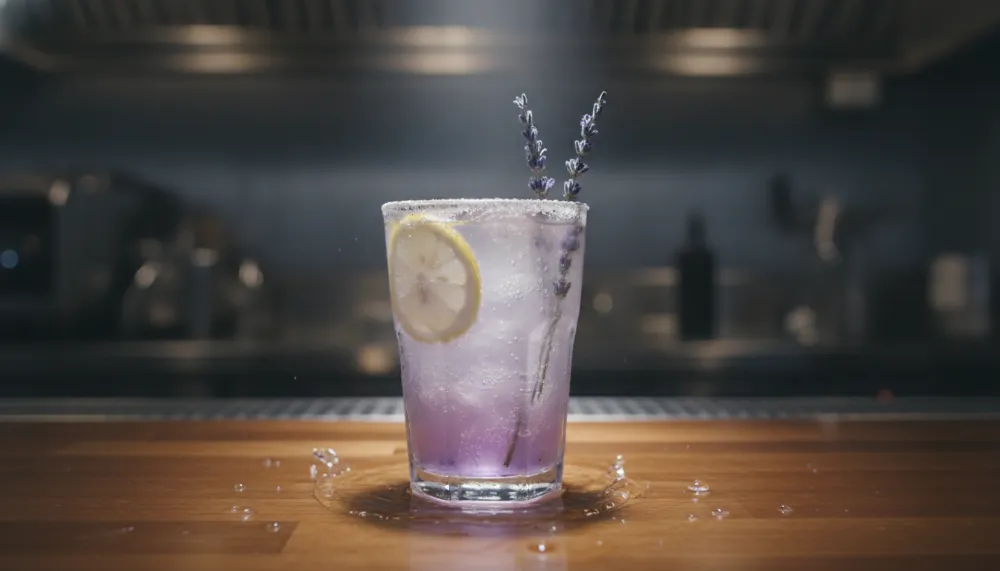

Escape into a world of floral elegance with this refreshing Lavender Lemonade Mocktail, the perfect sophisticated beverage for any occasion. This botanical drink balances zesty citrus with calming lavender to create a non-alcoholic experience that is as beautiful as it is delicious.
Lavender Lemonade Mocktail
Ingredients
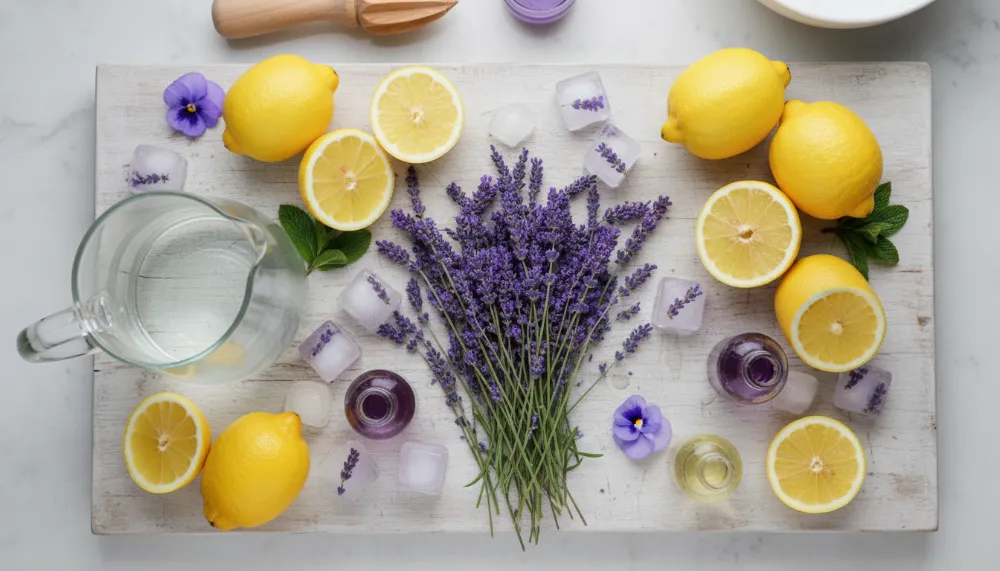
- 1 cup Freshly squeezed lemon juice
- 3/4 cup Lavender simple syrup (homemade)
- 4 cups Cold filtered water
- 1 tbsp Dried culinary lavender buds
- 2 cups Sparkling water (for effervescence)
- Garnish: Fresh lavender sprigs and lemon slices
- Ice: Large cubes or nugget ice
Instructions
- Prepare Lavender Syrup: Simmer 1 cup water, 1 cup sugar, and 2 tbsp culinary lavender for 10 minutes. Strain and cool completely.
- Combine Base: In a large glass pitcher, mix lemon juice and lavender syrup until well combined.
- Dilute: Stir in the 4 cups of cold filtered water. Taste for sweetness and adjust if necessary.
- Chill: Refrigerate the mixture for at least 1 hour to allow the botanical flavors to meld.
- Serve: Fill tall glasses with ice, pour the lemonade mix until 3/4 full, and top with sparkling water.
- Garnish: Add a fresh lavender sprig and a thin lemon wheel to each glass before serving.
The Rich History of the Lavender Lemonade Mocktail
The Lavender Lemonade Mocktail is a modern culinary evolution that draws from two distinct historical lineages. To understand the depth of this drink, we must look at the cross-continental journey of citrus and herbs. The earliest written records of a lemonade-like drink, known as qatarmizat, date back to 12th-century Egypt. These early beverages often featured lemon juice, sugar, and various herbs or fruits. By the 17th century, lemonade vendors were common in Paris, and the drink eventually became a staple of the temperance movement in the 19th century as a non-spirited alternative to cocktails. This movement prioritized refreshing, complex flavors that didn’t rely on alcohol for depth.
Lavender heritage is equally ancient. Lavender (Lavandula) has been used in beverages for thousands of years. The Romans utilized it in cooking and medicine, and Queen Elizabeth I famously consumed lavender-infused tea to treat migraines. The modern mocktail adaptation gained popularity in the early 2000s alongside the rise of botanical mixology, which focuses on using fresh herbs and floral syrups to create adult-oriented non-alcoholic drinks. Today, the Lavender Lemonade Mocktail stands as a testament to the enduring appeal of these two ingredients when paired together.
Nutritional Profile of This Botanical Beverage
A standard 8-ounce (240ml) serving of Lavender Lemonade Mocktail typically provides a balanced nutritional profile that fits well into most healthy lifestyles. Unlike many carbonated soft drinks, this mocktail uses real lemon juice, providing a significant boost of Vitamin C. Specifically, a serving contains approximately 24mg of Vitamin C, which is roughly 27% of your daily value. The calories generally range between 110 and 120 kcal, primarily derived from the sweetener used in the lavender syrup.
Total carbohydrates stand at 28 to 30g, with total sugars making up 24 to 28g. While these are sugars, they can be mitigated by using natural alternatives like monk fruit or stevia if you are watching your glycemic index. Importantly, this drink contains zero protein and negligible fat (about 0.2g), making it a light, hydrating choice for hot summer afternoons or as an elegant accompaniment to a garden party lunch. Because we use fresh lemon juice, you also benefit from minor amounts of potassium and other antioxidants found in citrus pith.
Professional Tools for the Perfect Mocktail
Creating a high-end Lavender Lemonade Mocktail requires more than just mixing ingredients, it requires the right equipment to ensure the textures and flavors are perfectly extracted. For the smoothest syrup and lemon extraction, we recommend the following professional-grade tools:
- Ninja BN751 Professional Plus DUO Blender: https://amzn.to/3LCDyNR (Why Perfect: The 1000W motor is perfect for blitzing ice into a slushie consistency or even creating a fine lavender powder for rimming glasses).
- Cosori 9-in-1 TurboBlaze Air Fryer 6 Qt: https://amzn.to/4hRWmVq (Why Perfect: Surprisingly, you can use the dehydrate function to dry your own fresh lavender or lemon slices for garnishes).
- Cuisinart 8 Cup Food Processor: https://amzn.to/47Nhbg8 (Why Perfect: Fast chopping of large quantities of lemons or herbs when preparing batches for large events).
- Rubbermaid Brilliance Glass Storage Set of 9: https://amzn.to/4oD0YkY (Why Perfect: The leak-proof seals are perfect for storing your lavender simple syrup in the fridge without it absorbing other food odors).
- FoodSaver Vacuum Sealer Machine: https://amzn.to/4qWgVnS (Why Perfect: Keeps your dried lavender buds fresh for months by preventing oxidation).
Professional Flavor Variations
Professional mixologists use specific techniques and ingredients to elevate the base Lavender Lemonade Mocktail recipe into a gourmet experience. If you want to impress your guests, consider these four distinct variations:
1. The “Magic” Butterfly Pea Ombre
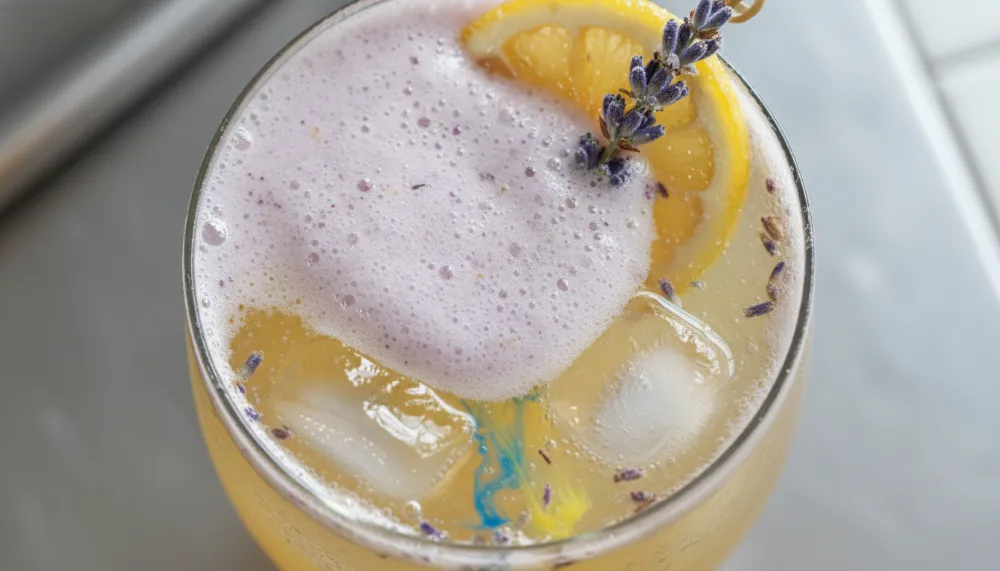
Variation: Steep dried butterfly pea flowers in hot water to create a deep cobalt blue tea. When poured over the acidic lemonade base, the pH reaction causes the drink to shift from blue to a vibrant violet or magenta. Professional Touch: Layer the tea over the lemonade using the back of a spoon to create a stunning color-gradient effect. This creates a visual spectacle that mimics the colors of a sunset.
2. Botanical Herb Fusion
Variation: Incorporate muddled fresh rosemary or thyme during the syrup-making process. These woody herbs provide an earthy counterpoint to the floral lavender, grounding the sweetness of the drink. Professional Touch: Garnish with a singed rosemary sprig to release aromatic oils just before serving. This engages the sense of smell as much as the sense of taste, providing a multi-sensory experience.
3. Berry Lavender Infusion
Variation: Add a muddled berry base, such as blueberries or blackberries, or a splash of tart cherry juice to the mixture. The berries deepen the color and provide a complex tannin structure. Professional Touch: Use alcohol-free botanical bitters to add depth and a dry finish. This variation is particularly popular in the autumn months when darker fruits are in season.
4. Effervescent Botanical Sparkler
Variation: Replace standard still water with a high-carbonation sparkling mineral water or a botanical-distilled non-alcoholic liquid. Professional Touch: Use “nugget ice” or clear hand-carved ice blocks to maintain carbonation and provide a premium visual appeal. The extra bubbles help carry the lavender aroma directly to the nose with every sip.
Selecting the Right Lavender
Not all lavender is created equal when it comes to the Lavender Lemonade Mocktail. For culinary purposes, you must seek out “Culinary Lavender,” which is typically Lavandula angustifolia (English Lavender). This variety has a much lower oil content and a sweeter, more refined flavor profile than the more common French lavender used in soaps and perfumes. French lavender can often taste soapy or overly medicinal when consumed. When you buy your lavender, ensure it is organic and free from pesticides, as you will be infusing the buds directly into your syrup. If you have a garden, you can harvest your own by cutting the stems just as the flowers begin to open, then hanging them upside down in a cool, dark place to dry.
The Art of the Simple Syrup
The secret to a world-class Lavender Lemonade Mocktail lies in the syrup. To achieve a professional result, never boil the lavender for too long. Excessive heat can release bitter tannins from the buds. Instead, bring your water and sugar to a boil, remove it from the heat, and then add the lavender buds to steep like tea. This gentle infusion method preserves the delicate floral notes without the harsh bitterness. For a more intense color, some chefs add a single blueberry to the syrup while it simmers, providing a natural purple tint without the need for artificial food coloring.
Storage and Longevity
Because this Lavender Lemonade Mocktail relies on fresh citrus, it is best enjoyed within 24 to 48 hours. However, the lavender simple syrup can last up to two weeks when stored correctly. Using the Rubbermaid Brilliance Glass Storage set ensures that no air enters the container, preserving the floral potency. If you find yourself with an abundance of lemons, you can squeeze them and freeze the juice in ice cube trays for later use. For long-term storage of your dried lavender buds, the FoodSaver Vacuum Sealer is essential, as it prevents the volatile oils in the lavender from evaporating, ensuring your next batch of lemonade is just as aromatic as the first.