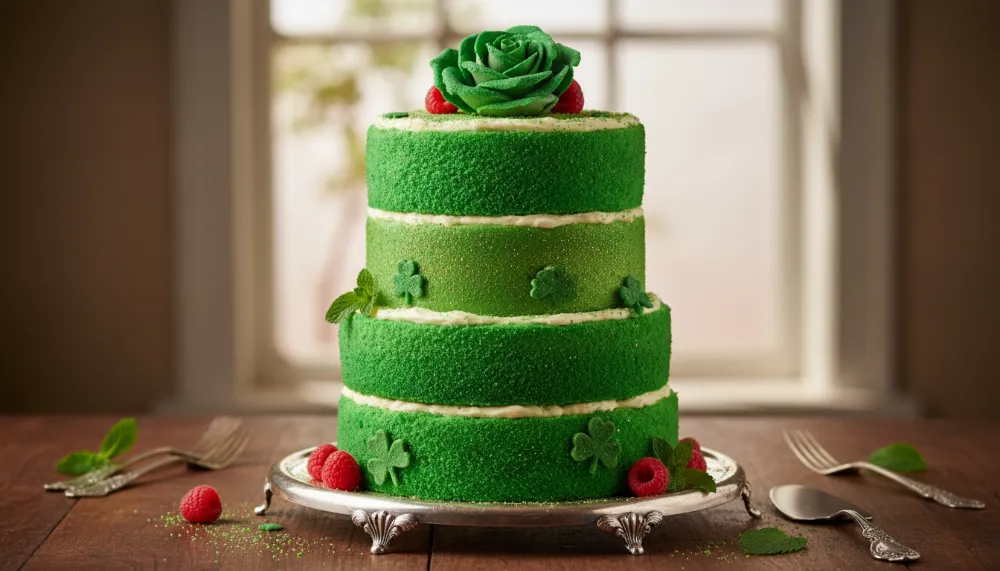

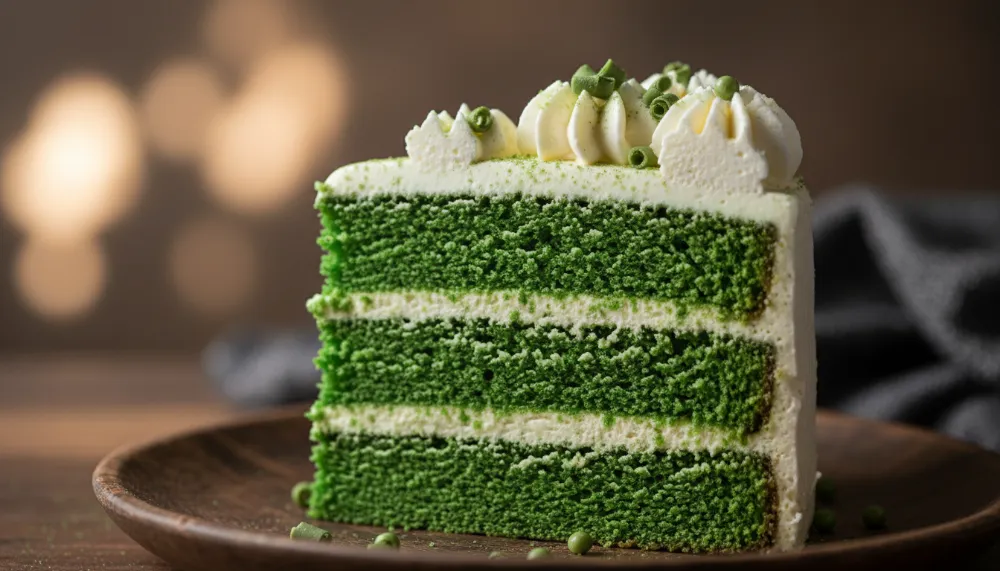
Experience the lush, vibrant allure of the Green Velvet Cake, a sophisticated dessert that combines a signature tight-crumb texture with a festive emerald hue. This stunning cake is more than just a visual masterpiece, it is a celebration of Victorian baking heritage refined for the modern palate.
Signature Green Velvet Cake
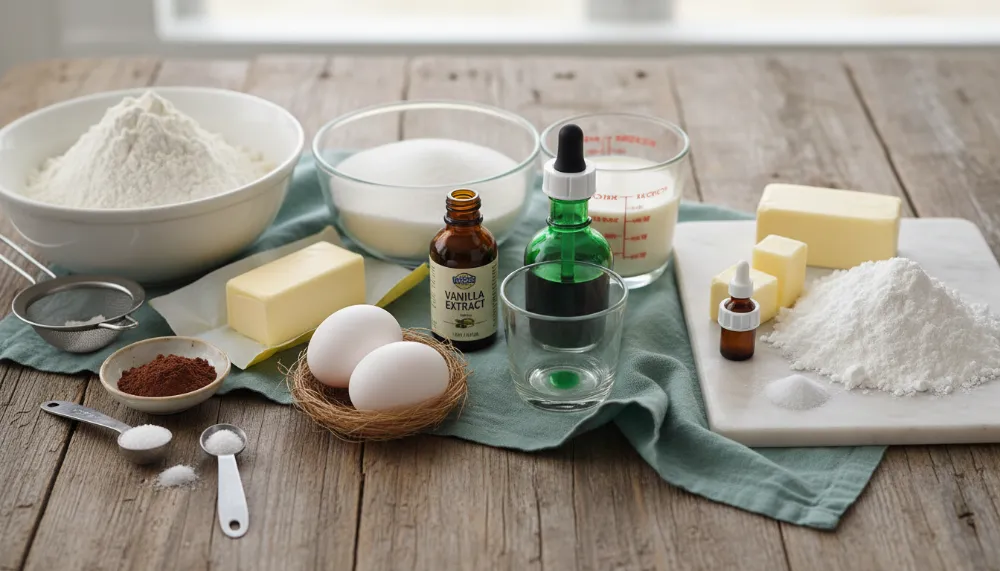
Ingredients
- 1 2.5 cups all-purpose flour (sifted)
- 2 1.5 cups granulated sugar
- 3 1 tsp baking soda and 1 tsp salt
- 4 1 tsp unsweetened cocoa powder
- 5 1.5 cups vegetable oil
- 6 1 cup buttermilk (room temperature)
- 7 2 large eggs
- 8 2 tbsp green food coloring
- 9 1 tsp white vinegar
- 10 1 tsp non-alcoholic vanilla flavoring
Instructions
- 1 Preheat your oven to 350°F (175°C). Grease and flour two 9-inch round cake pans.
- 2 Sift together the flour, sugar, baking soda, salt, and cocoa powder in a large mixing bowl.
- 3 In a separate bowl, whisk the oil, buttermilk, eggs, food coloring, vinegar, and non-alcoholic vanilla.
- 4 Gradually add the wet ingredients to the dry ingredients, mixing until just combined. Do not overmix.
- 5 Divide the batter evenly between the prepared pans and bake for 30-35 minutes until a toothpick comes out clean.
- 6 Cool in pans for 10 minutes, then turn out onto wire racks to cool completely before frosting.
The Historical Origin of the Velvet Cake
The Green Velvet Cake is a modern, festive adaptation of the classic velvet cake tradition that originated in the 19th century. While most famously recognized in its crimson form, the “velvet” designation refers to its specific chemical composition and texture rather than its color. During the Victorian era, between 1837 and 1901, bakers sought to create “luxury cakes” with a finer, smoother crumb than the dense, bread-like cakes common at the time. To achieve this, they used cocoa powder as a softening agent to break down the protein in the flour, resulting in a velvety mouthfeel.
The original reddish tint of velvet cakes was actually an accidental byproduct of a reaction between non-alkalized cocoa powder and acidic ingredients like buttermilk and vinegar. When bakers transitioned to processed cocoa, this natural reaction disappeared, leading to the use of food coloring to maintain the traditional aesthetic. The Green Velvet variation emerged later in the 20th century as a seasonal innovation, becoming particularly popular in the United States as a centerpiece for holidays such as St. Patrick’s Day and Christmas. Unlike the traditional red version, which relies on chemistry, Green Velvet is achieved by substituting red coloring with green, while maintaining the signature buttermilk-cocoa flavor profile.
The Chemistry of the Perfect Crumb
What sets a Green Velvet Cake apart from a standard sponge cake is the intricate balance of acidic and alkaline components. The inclusion of buttermilk and vinegar is not merely for flavor, they serve a critical structural purpose. The acid reacts with the baking soda to create carbon dioxide, which provides the lift and creates the fine, uniform air pockets characteristic of a “velvet” texture. This chemical reaction also ensures the cake remains incredibly moist, even after several days.
To ensure your cake reaches its maximum potential, using the right tools is paramount. For example, when prepping ingredients for large batches or creating complementary textures, the Cuisinart 8 Cup Food Processor is essential for fast chopping and slicing during meal prep. It allows you to pulse dry ingredients to ensure complete aeration before sifting, leading to an even lighter crumb.
Professional Flavor Variations
Professional pastry chefs often elevate the Green Velvet profile by moving beyond simple food coloring to incorporate natural flavors that complement the green aesthetic. These variations add depth and complexity to what is traditionally a very mild cocoa cake.
Matcha and White Chocolate
Ceremonial-grade matcha provides a natural earthy bitterness that balances the sweetness of the cake. It is frequently paired with a white chocolate cream cheese frosting. In professional settings where stabilizers are needed for mousse layers, chefs use beef-based gelatin or agar-agar to ensure the recipe remains pork-free. This variation is highly sought after in modern boutiques for its sophisticated, less-sweet profile.
Pistachio and Rose Water
This variation uses finely ground pistachio flour in the batter and pistachio butter in the frosting. To achieve the perfect consistency for pistachio butter, the Ninja BN751 Professional Plus DUO Blender is perfect for tahini sauce, harissa paste, and nut butters with its 1000W motor. A hint of rose water is often added to the buttermilk base for a floral aroma, though it is vital to use non-alcoholic floral waters to maintain the integrity of the recipe.
Pandan (Asian Vanilla)
Popular in Southeast Asian fusion baking, pandan leaf extract provides a vibrant natural green color and a unique flavor often described as a mix of vanilla, coconut, and toasted rice. It is commonly paired with coconut-milk-based buttercream, offering a tropical twist on the classic American dessert.
Nutritional Profile of Green Velvet Cake
A standard slice of Green Velvet Cake (approximately 1/8th of a 9-inch layer cake) is a rich indulgence. Understanding the nutritional breakdown can help you enjoy this treat as part of a balanced diet. On average, a serving contains 350 to 450 calories. The fat content, usually between 18g and 22g, primarily comes from the vegetable oil and the cream cheese frosting. The sugars range from 30g to 35g, while the protein stays around 4g to 6g per slice.
While the cake is baking, many home cooks like to prepare healthy snacks to balance the indulgence. The Cosori 9-in-1 TurboBlaze Air Fryer 6 Qt roasts chickpeas and vegetables perfectly with a large family capacity, making it a great companion for a busy day of festive cooking.
Mandatory Substitutions for Restricted Ingredients
Adhering to strict dietary guidelines is essential in modern baking. To ensure this Green Velvet Cake is accessible to everyone, we utilize specific professional substitutions:
- Instead of Alcohol: We replace traditional vanilla extract with vanilla bean paste (non-alcoholic), vanilla powder, or honey. If a recipe calls for wine or spirits for flavor, use apple juice or white vinegar diluted with water to provide that necessary acidic bite without the alcohol content.
- Instead of Pork: When creating layered cakes that require gelatin for stability, always opt for beef-sourced gelatin or plant-based pectin and agar. Standard frosting ingredients like butter and cream cheese are safe when verified to contain no pork-derived stabilizers.
Mastering the Cream Cheese Frosting
A Green Velvet Cake is incomplete without its snowy white companion: the cream cheese frosting. The contrast between the deep emerald cake and the bright white frosting is what creates the “wow” factor. To achieve a professional finish, ensure your butter and cream cheese are at room temperature. Cold cream cheese will result in lumps that are impossible to beat out later. Beat the butter and cream cheese together until they are completely smooth before gradually adding sifted powdered sugar. Using a non-alcoholic vanilla flavoring ensures the frosting remains pure white and tastes exceptionally clean.
Tips for the Ultimate Success
1. Don’t Overmix: Once you add the dry ingredients to the wet, mix only until the flour streaks disappear. Overmixing develops the gluten, which will turn your “velvet” cake into a “tough” cake.
2. Room Temperature Ingredients: This is non-negotiable. Buttermilk and eggs must be at room temperature to emulsify properly with the vegetable oil. This ensures a stable batter that doesn’t separate in the oven.
3. Sifting is Key: Cocoa powder and flour are notorious for forming small lumps. Sifting them together ensures the color is evenly distributed and the crumb is as fine as possible.
Conclusion
The Green Velvet Cake is a testament to the beauty of baking science and creative evolution. Whether you are celebrating a holiday or simply want a show-stopping dessert for a special occasion, this recipe provides the perfect balance of history, flavor, and texture. By following these professional tips and utilizing high-quality tools, you can create a masterpiece that is as delicious as it is beautiful.