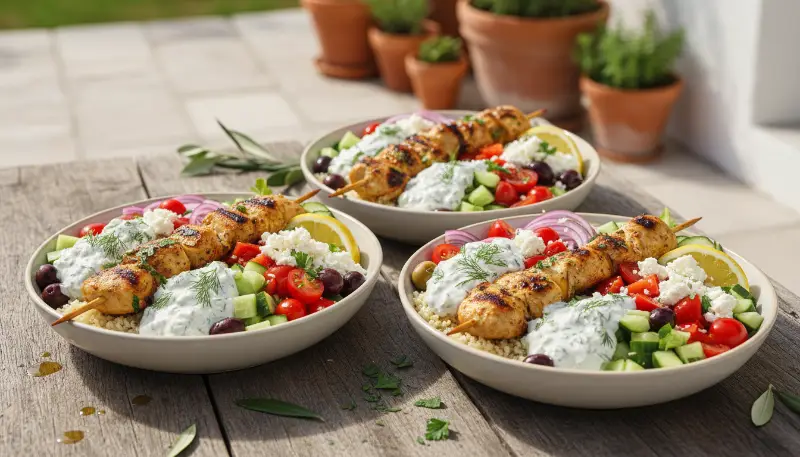

Greek Chicken Bowls represent the pinnacle of balanced, vibrant, and flavor-forward meal prepping that brings the bright tastes of the Mediterranean directly to your kitchen table. This comprehensive guide will walk you through every nuance of creating the perfect bowl, from the science of citrus-based marinades to the ideal grain-to-protein ratio.
Ultimate Greek Chicken Bowls
20 MIN
15 MIN
4 PERS
Ingredients
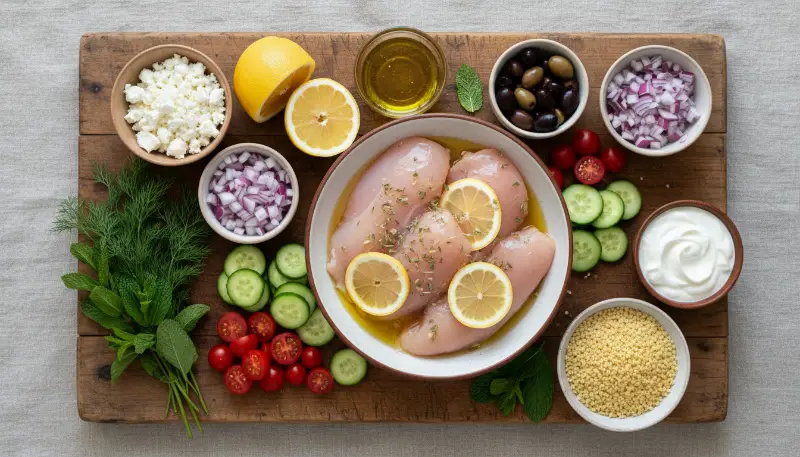
- 1 1.5 lbs Chicken Breast (or Beef Strips)
- 2 1/2 cup Plain Greek Yogurt
- 3 3 tbsp Lemon Juice (No Wine Vinegar)
- 4 4 cloves Garlic Minced
- 5 1 tbsp Dried Oregano
- 6 2 cups Cooked Jasmine Rice or Quinoa
- 7 1 cup Diced Cucumber and Cherry Tomatoes
- 8 1/2 cup Crumbled Feta and Kalamata Olives
Instructions
- 1 Whisk yogurt, lemon juice, garlic, and oregano in a bowl to create the marinade
- 2 Add cubed chicken (or beef) and marinate for at least 30 minutes in the fridge
- 3 Sauté protein in a large skillet over medium-high heat until cooked through and charred
- 4 Assemble bowls by layering rice, protein, fresh veggies, feta, and olives
- 5 Drizzle with extra lemon juice or a dollop of tzatziki before serving
Why Greek Chicken Bowls are the Ultimate Meal Prep Solution
When we discuss the versatility of Mediterranean cuisine, Greek Chicken Bowls often stand out as the most customizable and nutrient-dense option for busy families. The beauty of these Greek Chicken Bowls lies in their modular nature. You can prepare each component separately, ensuring that the fresh vegetables remain crisp while the protein stays juicy. Unlike traditional sandwiches or wraps that can become soggy by the second day, Greek Chicken Bowls maintain their integrity, making them the gold standard for high-performance nutrition.
In our research of traditional Greek street food, we found that the essence of a great bowl comes from the balance of acidity and fat. While many traditional recipes might reach for a splash of red wine, our version focuses on the bright, clean acidity of fresh lemon juice and the deep savory notes of beef broth where complexity is needed. This ensures that the Greek Chicken Bowls remain compliant with specific dietary preferences without sacrificing a single ounce of flavor profile.
Selecting the Right Protein: Chicken vs. Beef
While the name suggests a poultry focus, the reality of these Greek Chicken Bowls is that they are highly adaptable. If you are following a diet that excludes pork, beef makes an incredible substitute for traditional gyro meat. We recommend using thinly sliced flank steak or sirloin tips for your Greek Chicken Bowls if you opt for the beef variation. The key is the marinade, which tenderizes the muscle fibers of the beef just as effectively as it does the chicken breast. Using a Cuisinart 8 Cup Food Processor to thinly slice your beef can save significant time during the preparation phase.
For the chicken purists, we suggest a mix of breast and thigh meat. The thigh meat adds a level of succulence that balances the lean nature of the breast, creating a multi-textured experience within your Greek Chicken Bowls. Regardless of the protein chosen, the marinade acts as the bridge that connects the meat to the cooling cucumbers and salty feta cheese that will eventually top the dish.
The Science of the Alcohol-Free Marinade
A common hurdle in Mediterranean cooking is the frequent use of wine or wine-based vinegars. In our recipe for Greek Chicken Bowls, we have completely eliminated these ingredients. Instead, we utilize the enzymatic power of Greek yogurt and the citric acid from fresh lemons. The yogurt not only tenderizes the meat but also creates a “crust” when seared, which helps lock in moisture. For those who crave the depth that a red wine might provide in a beef-based bowl, a small amount of unsweetened pomegranate juice or a splash of rich beef broth works wonders.
To ensure your Greek Chicken Bowls have that signature harissa or tahini zing, we recommend using a high-powered blender like the Ninja BN751 Professional Plus DUO Blender. This allows you to emulsify your garlic, herbs, and oils into a creamy marinade that coats every crevice of the meat. Remember, the longer the meat sits in this mixture, the more the Mediterranean flavors will penetrate, leading to more flavorful Greek Chicken Bowls.
Perfecting the Grain Base and Vegetable Toppings
The foundation of all successful Greek Chicken Bowls is the grain base. While white jasmine rice is a classic choice, quinoa offers a higher protein content and a nutty flavor that complements the oregano-heavy seasoning. If you want to stay true to ancient grains, bulgur is another fantastic option. To elevate the rice in your Greek Chicken Bowls, try cooking it in chicken or beef broth instead of plain water, this simple swap adds layers of flavor before you’ve even added the toppings.
When it comes to the vegetables, freshness is non-negotiable. English cucumbers are preferred because of their thinner skin and smaller seeds, which prevents your Greek Chicken Bowls from becoming watery. Cherry tomatoes provide a burst of sweetness that cuts through the saltiness of the Kalamata olives. Speaking of olives, always ensure yours are packed in a salt-water brine or apple cider vinegar to maintain the alcohol-free integrity of the dish. For more inspiration on Mediterranean bases, you can check out the resources at Revealed Recipe Sitemap.
Air Frying for Maximum Texture
If you prefer a hands-off approach to cooking your protein and vegetables, the Cosori 9-in-1 TurboBlaze Air Fryer 6 Qt is a game-changer for Greek Chicken Bowls. You can roast chickpeas until they are perfectly crunchy to add as a topping, or even air-fry the marinated chicken to achieve a rotisserie-style finish without the need for a spit. The air fryer circulates hot air around the cubed meat, ensuring that every side is browned and delicious, which is essential for the aesthetic appeal of your Greek Chicken Bowls.
Meal Prep Mastery and Long-Term Storage
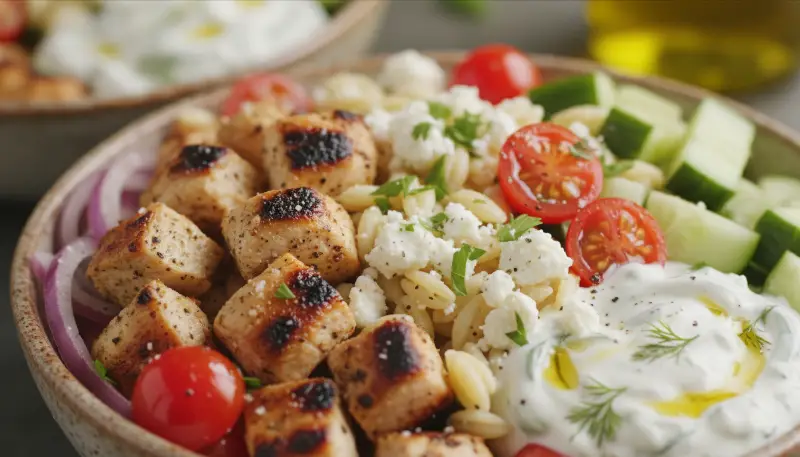
The secret to why Greek Chicken Bowls are so popular in the fitness community is their longevity. When stored correctly, these bowls can stay fresh for up to five days. We recommend using the Rubbermaid Brilliance Glass Storage Set. These containers are leak-proof, meaning you can store your tzatziki and cucumber salad right alongside the chicken without worrying about spills in your gym bag. Glass is also superior to plastic for Greek Chicken Bowls because it doesn’t retain the strong scents of garlic and onion.
For those who like to prep in bulk for the entire month, the FoodSaver Vacuum Sealer Machine is an essential tool. You can vacuum seal the marinated chicken or beef in portions and freeze them. This allows the flavors to intensify during the thawing process, resulting in the most succulent Greek Chicken Bowls you’ve ever tasted. Vacuum sealing also prevents freezer burn, ensuring the meat maintains its quality for weeks.
Can I use beef instead of chicken?
Absolutely. Beef is an excellent replacement for pork or chicken in this recipe. We recommend using sirloin or flank steak strips, marinating them in the same yogurt and lemon mixture for a tender, savory result that pairs perfectly with the Mediterranean toppings.
What is the best way to keep the cucumbers crisp?
To keep the cucumbers crisp in your Greek Chicken Bowls, salt them lightly and let them sit in a colander for 10 minutes before adding them to the bowl. This draws out excess moisture. Additionally, storing them in airtight glass containers helps maintain their texture for several days.
Is there an alternative to wine-based vinegars?
Yes, for all our Greek Chicken Bowls, we replace red wine vinegar with either fresh lemon juice or apple cider vinegar. This provides the necessary tang and acidity without the presence of alcohol, keeping the dish fresh and compliant with all dietary needs.
How do I make the sauce extra creamy?
The key to a creamy tzatziki or tahini sauce for your Greek Chicken Bowls is using a high-powered blender like the Ninja Professional Plus. It ensures the garlic and herbs are completely integrated, creating a smooth, velvety texture that coats the rice and meat beautifully.
In conclusion, mastering the art of Greek Chicken Bowls is about understanding the synergy between fresh ingredients and bold seasonings. By focusing on high-quality proteins like chicken or beef, utilizing alcohol-free acidity, and employing the right kitchen tools, you can create a restaurant-quality meal at home. These Greek Chicken Bowls are not just a recipe, they are a lifestyle choice for those who value health, flavor, and efficiency.