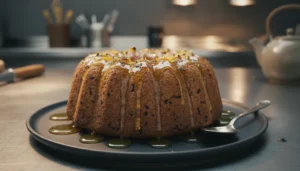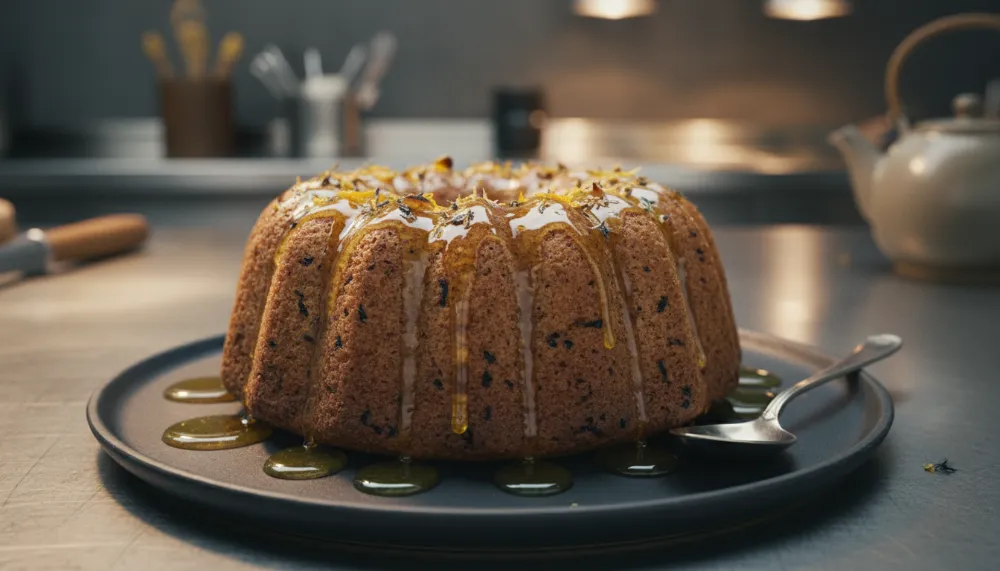

Experience the perfect marriage of citrusy bergamot and golden sweetness with this sophisticated Earl Grey Tea Cake with Honey Glaze. This recipe transforms a classic British tea tradition into a moist, aromatic masterpiece that serves as the ultimate centerpiece for any gathering.
Earl Grey Tea Cake with Honey Glaze
Ingredients
- 1 2 1/4 cups All-Purpose Flour
- 2 3 tablespoons Loose-leaf Earl Grey Tea (finely ground)
- 3 1 cup Unsalted Butter (room temperature)
- 4 1 1/2 cups Granulated Sugar
- 5 3 Large Eggs (room temperature)
- 6 1/2 cup Whole Milk
- 7 1/2 cup Plain Greek Yogurt
- 8 2 teaspoons Baking Powder and 1/2 teaspoon Salt
- 9 1/3 cup High-quality Honey (for glaze)
- 10 1/2 cup Powdered Sugar (for glaze)
Instructions
- 1 Preheat oven to 350°F (175°C). Grease and flour a 9-inch loaf pan or bundt pan thoroughly.
- 2 Heat the milk until steaming, then steep 1 tablespoon of tea for 10 minutes. Strain and set aside to cool.
- 3 Whisk together flour, remaining 2 tablespoons ground tea, baking powder, and salt.
- 4 Cream butter and sugar until light and fluffy. Add eggs one at a time, beating well after each.
- 5 Mix yogurt into the cooled tea-infused milk. Alternately add dry ingredients and milk mixture to the butter, beginning and ending with dry.
- 6 Bake for 50-60 minutes until a tester comes out clean. Cool in pan for 15 minutes before transferring to a wire rack.
- 7 Whisk honey and powdered sugar until smooth. Drizzle over the warm cake and let set before serving.
The Historical Origin of Earl Grey Tea Cake
To truly appreciate the Earl Grey Tea Cake with Honey Glaze, one must understand the storied past of its primary flavoring. Earl Grey tea is named after Charles Grey, the 2nd Earl Grey and British Prime Minister from 1830 to 1834. Historical records suggest that the unique blend of black tea and oil of bergamot was originally created to offset the high concentration of lime in the water at Howick Hall, the Grey family estate in Northumberland.
By the mid-19th century, the British afternoon tea tradition, pioneered by Anna Russell, the Duchess of Bedford, began to flourish. While early tea cakes were often yeast-based buns toasted with butter, the evolution toward “loaf cakes” allowed bakers to incorporate the tea directly into the crumb. This modern Earl Grey Tea Cake with Honey Glaze represents the pinnacle of that evolution, merging the tannic depth of black tea with the floral brightness of citrus and the soothing richness of honey.
The Science of Tea Infusion in Baking
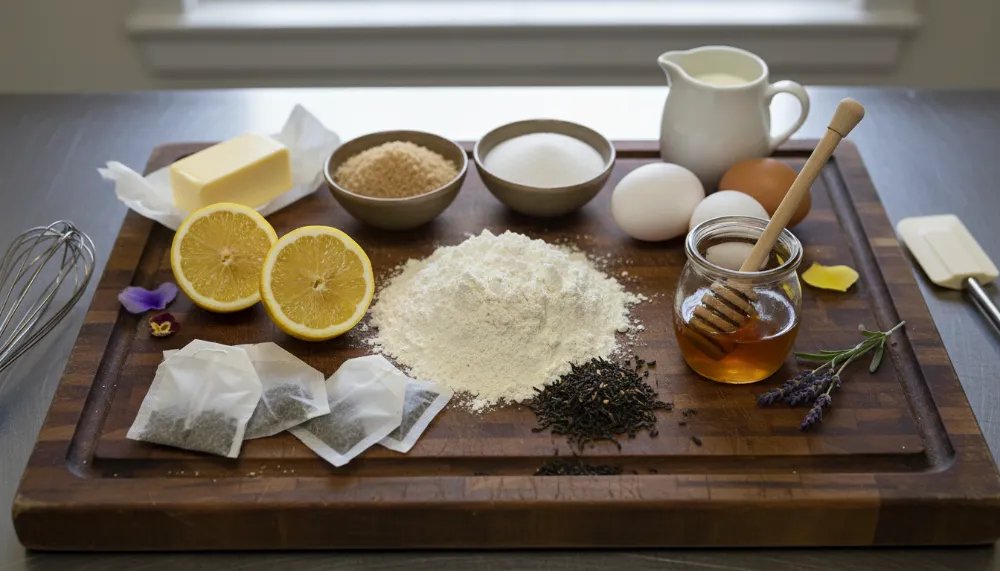
When creating an Earl Grey Tea Cake with Honey Glaze, the goal is to extract maximum flavor without introducing bitterness. In this recipe, we utilize a dual-infusion method. First, we finely grind loose-leaf tea and incorporate it directly into the dry ingredients. This provides visual interest and bursts of flavor. Second, we steep the tea in warm milk, which extracts the essential oils from the bergamot more effectively than cold mixing would ever allow.
Using high-quality fats is essential for carrying these aromatic compounds. Butter acts as the primary vehicle for the tea’s floral notes. For those looking to streamline the preparation process, using the Cuisinart 8 Cup Food Processor (https://amzn.to/47Nhbg8) ensures that your loose-leaf tea is pulverized into a fine powder, preventing any gritty texture in the finished cake.
The Importance of Moisture: Yogurt vs. Milk
Many traditional tea cakes can be notoriously dry. To solve this, our recipe introduces plain Greek yogurt. The acidity in the yogurt reacts with the baking powder to create a more tender crumb, while the fat content ensures the cake stays moist for days. This balance is critical when you plan to top the dessert with a heavy Honey Glaze, as the cake must be sturdy enough to hold the glaze but soft enough to melt in your mouth.
Professional Flavor Variations
While the standard Earl Grey Tea Cake with Honey Glaze is stunning on its own, professional pastry chefs often use it as a canvas for creative exploration. Here are several elevated variations to consider:
- The London Fog Variation: Incorporate one tablespoon of high-quality vanilla bean paste into the batter. This mimics the creamy, comforting profile of the famous London Fog tea latte.
- Citrus-Forward (Lady Grey Style): Add the zest of one lemon and one orange to the sugar before creaming it with the butter. This highlights the bergamot’s natural citrus notes and adds a bright acidity that cuts through the sweetness of the honey.
- The Burnt Honey Technique: Before making your glaze, gently heat the honey in a small saucepan until it turns a deep amber and begins to smell toasted. Whisk this “burnt” honey into your powdered sugar for a toffee-like complexity that pairs beautifully with the smoke of the black tea.
Professional Equipment Recommendations
To achieve bakery-quality results at home, having the right tools is non-negotiable. For a perfectly emulsified batter, we recommend the following:
- Ninja BN751 Professional Plus DUO Blender: (https://amzn.to/3LCDyNR) – While primarily for liquids, its 1000W motor is perfect for creating ultra-smooth glazes or blending honey with floral infusions.
- Cosori 9-in-1 TurboBlaze Air Fryer: (https://amzn.to/4hRWmVq) – Believe it or not, this air fryer can be used to gently toast your tea leaves before grinding to release deeper aromatic oils.
- Rubbermaid Brilliance Glass Storage: (https://amzn.to/4oD0YkY) – These are essential for keeping your cake fresh. Because of the honey glaze, the cake can become sticky if left in the open air, these leak-proof containers are perfect for preservation.
- FoodSaver Vacuum Sealer: (https://amzn.to/4qWgVnS) – If you are making multiple loaves for future events, vacuum sealing the unglazed cake prevents freezer burn and locks in the tea’s volatile aromatics.
Nutritional Profile and Dietary Considerations
This Earl Grey Tea Cake with Honey Glaze offers a sophisticated nutritional profile. A single slice contains approximately 210 to 245 calories. While it is a dessert, the inclusion of black tea provides a small boost of antioxidants, specifically polyphenols. The honey glaze, while adding sugar, also provides trace minerals that refined sugars lack.
For those with dietary restrictions, this recipe is naturally vegetarian. We have strictly avoided the use of pork-based fats like lard, opting instead for pure dairy butter or vegetable-based oils. Furthermore, this recipe contains zero alcohol, replacing traditional vanilla extracts with bean paste or simple infusions where necessary to ensure the flavor remains deep and complex without the use of wine or spirits.
Mastering the Honey Glaze
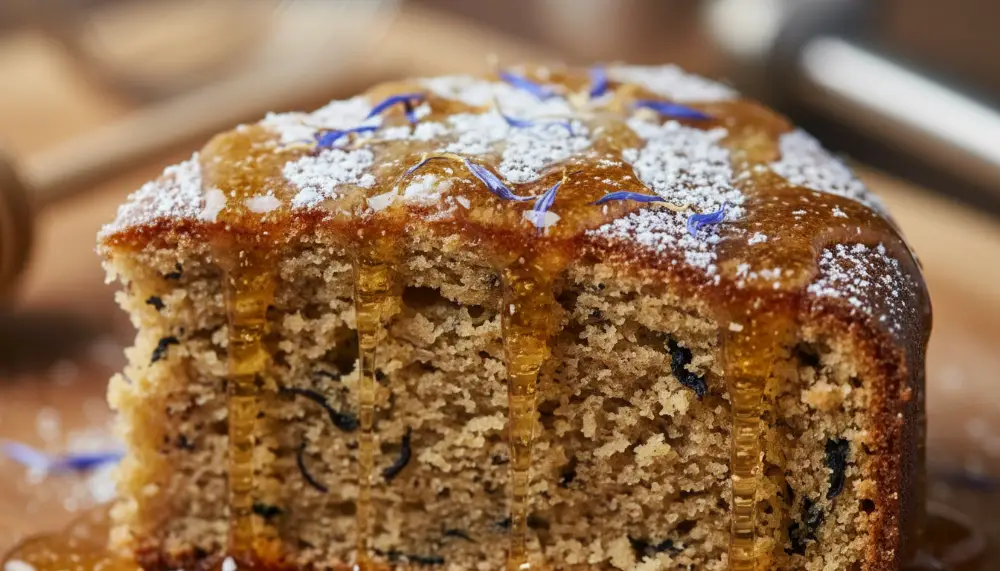
The glaze is the crowning jewel of the Earl Grey Tea Cake. To ensure it doesn’t simply soak into the cake and disappear, wait until the cake is warm to the touch, not hot. If the cake is too hot, the glaze will thin out and run off. If it is too cold, it won’t adhere properly. A professional tip is to poke small holes in the top of the cake with a toothpick before drizzling, allowing the honey to seep slightly into the top layer of the crumb.
Storage and Longevity
Because of the honey’s humectant properties, this cake actually improves in flavor on the second day. The tea notes deepen and the moisture redistributes. Store your cake in a Rubbermaid Brilliance container at room temperature for up to three days, or refrigerate for up to a week. If refrigerating, allow the cake to come to room temperature before serving to ensure the butter fats soften for the best texture.