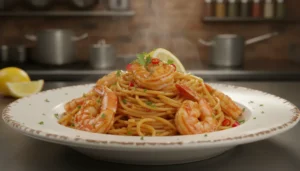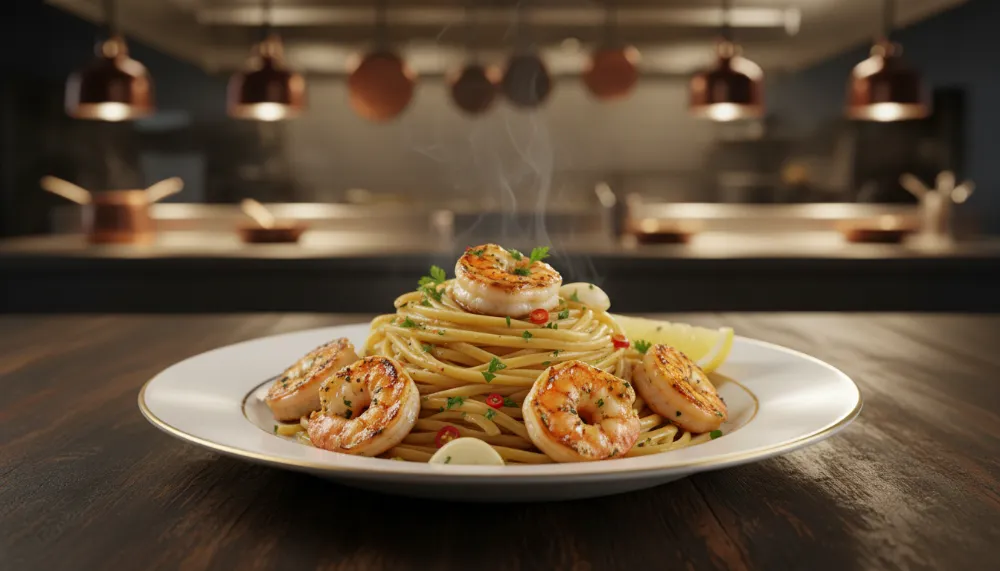

Experience the perfect harmony of succulent shrimp and al dente pasta tossed in a rich, aromatic sauce that defines Italian-American comfort food. This Classic Garlic Butter Shrimp Linguine is a restaurant-quality masterpiece you can easily recreate in your own kitchen in under thirty minutes.
Classic Garlic Butter Shrimp Linguine
Ingredients
- 1 16 oz package linguine pasta
- 2 1.5 lbs jumbo shrimp, peeled and deveined
- 3 6 tablespoons unsalted butter, divided
- 4 2 tablespoons extra virgin olive oil
- 5 8 cloves garlic, finely minced
- 6 1/2 cup chicken broth (alcohol-free substitute)
- 7 1/4 cup fresh lemon juice
- 8 1/2 teaspoon crushed red pepper flakes
- 9 1/2 cup fresh Italian parsley, chopped
- 10 Sea salt and freshly cracked black pepper to taste
Instructions
- 1 Bring a large pot of salted water to a boil and cook the linguine until al dente. Reserve 1/2 cup of pasta water before draining.
- 2 In a large skillet, melt 2 tablespoons of butter with the olive oil over medium-high heat. Season shrimp with salt and pepper.
- 3 Add shrimp to the skillet in a single layer. Sear for 1 to 2 minutes per side until pink and opaque. Remove shrimp and set aside.
- 4 Lower heat to medium. Add remaining butter and minced garlic. Sauté for 1 minute until fragrant but not browned.
- 5 Pour in chicken broth, lemon juice, and red pepper flakes. Simmer for 2 to 3 minutes to reduce slightly.
- 6 Toss the linguine into the sauce. Add reserved pasta water if needed to create a glossy emulsion.
- 7 Return shrimp to the pan. Fold in fresh parsley and serve immediately with extra lemon wedges.
The Historical Journey of Garlic Butter Shrimp Linguine
Classic Garlic Butter Shrimp Linguine is more than just a quick weekday meal, it is a culinary bridge between the rugged coasts of Italy and the bustling kitchens of 20th-century America. To understand this dish, we must look back at the traditional Italian “Scampi.” In the Adriatic Sea, scampi refers to small, lobster-like crustaceans known for their sweet, delicate flesh. Italian fishermen would simply sauté these gems in olive oil, garlic, and herbs. When Italian immigrants arrived in the United States, they found that true scampi were hard to come by, leading them to substitute with large, local shrimp. To make the dish more filling for American families, they added the long, elegant strands of linguine, and thus, the Classic Garlic Butter Shrimp Linguine we love today was born.
This evolution from a simple seafood appetizer to a robust main course represents the adaptability of Mediterranean cooking. The sauce, which focuses on the emulsion of fat and acidity, has remained largely unchanged for decades. It relies on the pungency of fresh garlic and the silky texture of high-quality butter to create a coating that clings to every strand of pasta. Unlike many modern pasta dishes that rely on heavy cream, this classic version stays true to its roots by using the pasta’s own cooking water to create a light, yet luxurious, sauce.
Mastering the Art of the Alcohol-Free Deglaze
Traditionally, many recipes for this dish call for a splash of dry white wine to deglaze the pan. However, achieving that same depth of flavor without alcohol is not only possible but can lead to a more vibrant, citrus-forward profile. When you remove the shrimp from the pan, you are left with “fond,” those delicious browned bits stuck to the bottom. To release this flavor, we use a combination of high-quality chicken broth and fresh lemon juice. The acidity of the lemon mimics the tang of a Pinot Grigio, while the savory notes of the broth provide the body that wine usually offers.
For those looking for an even deeper flavor, a professional trick is to create a quick shellfish stock. If you buy your shrimp with the shells on, do not discard them! Simmer the shells in a cup of water with a clove of garlic for 10 minutes, then strain. This liquid, when used in place of broth, adds an intense ocean-sweetness that elevates the Classic Garlic Butter Shrimp Linguine to a five-star restaurant level. Using a Ninja BN751 Professional Plus DUO Blender (https://amzn.to/3LCDyNR) can help you quickly pulse aromatics for such stocks, though it is primarily an essential tool for those who enjoy blending their own herb pastes or creamy sauce bases.
Selecting the Finest Ingredients
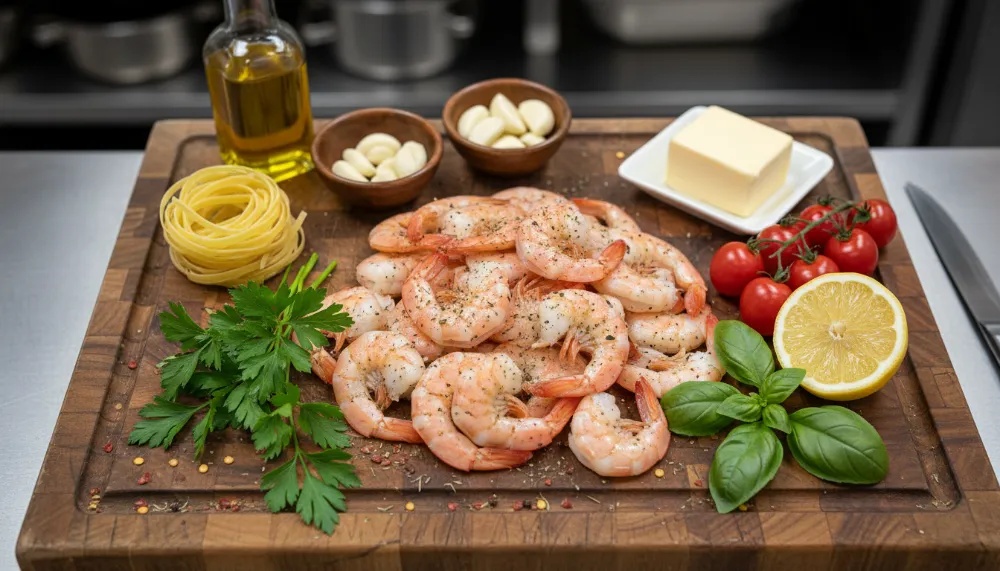
Because the ingredient list for Classic Garlic Butter Shrimp Linguine is relatively short, the quality of each component is paramount. Starting with the shrimp, always aim for wild-caught varieties if possible. Frozen shrimp is often superior to “fresh” shrimp at the counter because most shrimp are frozen immediately upon harvest, whereas the counter shrimp have been sitting in a thawed state for an unknown period. Look for the label “IQF” (Individually Quick Frozen) to ensure the best texture.
The garlic is the second hero of the dish. Avoid the pre-minced jars at all costs, as they often contain preservatives that impart a bitter, metallic taste. Instead, use a Cuisinart 8 Cup Food Processor (https://amzn.to/47Nhbg8) to quickly mince a whole head of garlic if you are doubling the recipe for a party. Freshly minced garlic contains oils that are released during the sautéing process, providing that signature sweet and pungent aroma that defines this linguine. For the pasta, choose a brand with a rough surface texture, which helps the garlic butter sauce adhere better than smooth, cheap alternatives.
Nutritional Benefits of Shrimp and Garlic
Classic Garlic Butter Shrimp Linguine is not just an indulgence, it is packed with essential nutrients. Shrimp is an incredible source of lean protein and contains selenium, a powerful antioxidant that supports heart health and reduces inflammation. A single serving provides nearly 100% of your daily requirement for selenium. Garlic, on the other hand, is rich in allicin, known for its immune-boosting properties and ability to lower blood pressure. When combined with the healthy fats in olive oil, this dish becomes a powerhouse of Mediterranean nutrition.
Techniques for the Perfect Shrimp Texture
The most common mistake in making Classic Garlic Butter Shrimp Linguine is overcooking the shrimp. Shrimp cook very quickly, usually in under four minutes. To ensure they stay succulent and “pop” when you bite into them, dry them thoroughly with paper towels before seasoning. Moisture is the enemy of a good sear, if the shrimp are wet, they will steam instead of brown. Use a high-quality skillet and ensure the oil is shimmering before the shrimp hit the pan.
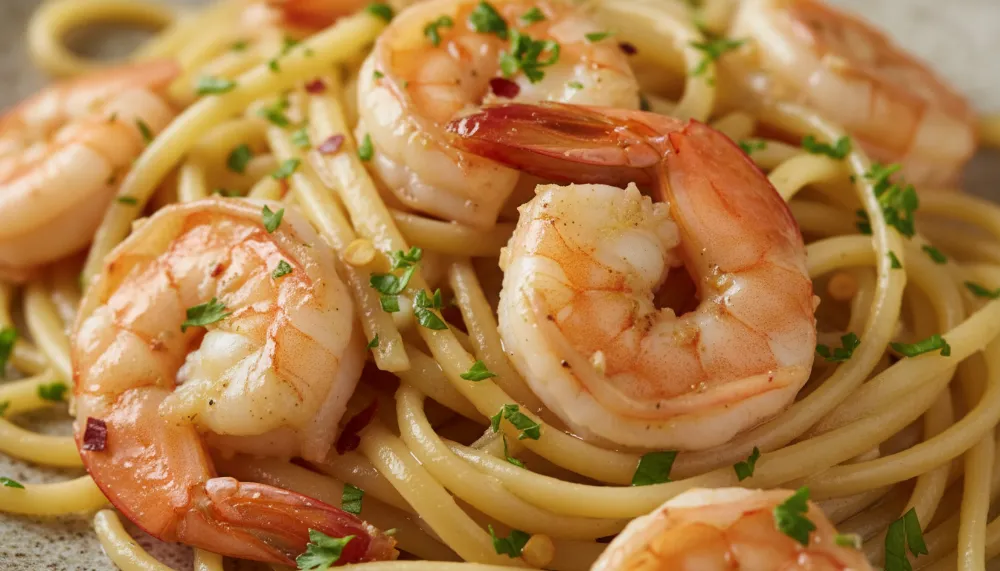
Once the shrimp turn opaque and form a slight “C” shape, they are done. If they curl into a tight “O,” they are overcooked and will be rubbery. By removing them from the pan while you finish the sauce and the pasta, you prevent them from sitting in the residual heat too long. If you are meal prepping this dish, store the shrimp separately from the pasta in a Rubbermaid Brilliance Glass Storage Set (https://amzn.to/4oD0YkY) to maintain the best texture during reheating. To keep your bulk-purchased shrimp fresh in the freezer and prevent ice crystals, a FoodSaver Vacuum Sealer Machine (https://amzn.to/4qWgVnS) is an absolute game-changer for seafood lovers.
Creative Variations and Smoky Additions
While the classic version is iconic, you can customize your Garlic Butter Shrimp Linguine to suit different flavor profiles. For a smoky element without using pork, consider finely dicing smoked beef brisket bits or seared beef bresaola. These add a salty, umami depth that complements the sweetness of the shrimp. Another professional touch is adding oil-packed sun-dried tomatoes during the garlic sauté, which provides a chewy texture and a concentrated tomato tang.
If you prefer a vegetable-forward version, try roasting some broccoli or chickpeas in a Cosori 9-in-1 TurboBlaze Air Fryer 6 Qt (https://amzn.to/4hRWmVq) and tossing them in at the end. The air fryer ensures the vegetables are crisp, providing a great textural contrast to the soft linguine. For a brighter, more modern twist, finish the dish with a “Gremolata”, a mix of lemon zest, fresh minced garlic, and parsley added right before serving. This provides a raw, punchy counterpoint to the cooked, mellow garlic in the sauce.
The Secret of the Pasta Water Emulsion
The difference between a greasy pasta and a professional-grade Classic Garlic Butter Shrimp Linguine lies in the emulsion. When you toss the pasta into the butter and broth mixture, the starch from the pasta water acts as a binding agent. This creates a cohesive sauce that is silky rather than oily. Never rinse your pasta after draining, as you want that surface starch to remain. If the sauce looks too thick, add the reserved pasta water one tablespoon at a time until it reaches a glossy, coat-the-back-of-the-spoon consistency.
This technique is a cornerstone of Italian cooking. It transforms a few simple ingredients into a sophisticated glaze. By finishing the pasta in the skillet with the sauce for the final sixty seconds of cooking, the linguine absorbs the flavors of the garlic and lemon, ensuring every bite is seasoned from the inside out. This small step is what separates a home-cooked meal from a culinary experience.