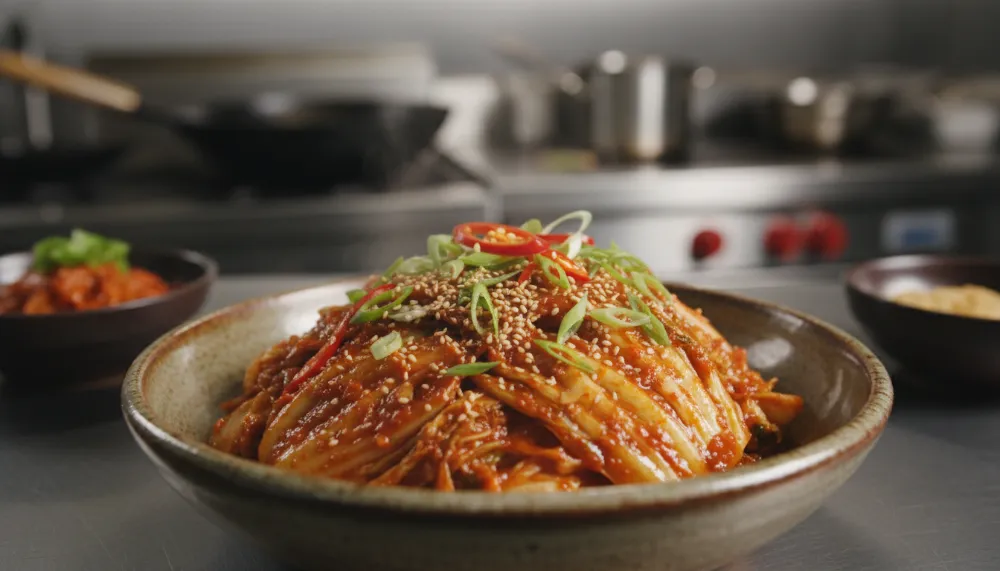

Experience the soul-warming comfort of Spicy Korean Braised Cabbage (Baechu Jorim), a dish where tender napa cabbage melts into a savory, fiery sauce that redefines vegetable excellence. This slow-simmered masterpiece transforms simple ingredients into a complex, umami-rich delicacy perfect for any dinner table.
Spicy Korean Braised Cabbage (Baechu Jorim)
Ingredients
- 1 Large Napa Cabbage (approx 2 lbs), cut into 2-inch pieces
- 1/2 lb Beef Brisket or Thinly Sliced Beef Ribeye
- 1/2 cup Soy Sauce (Low Sodium preferred)
- 3 tbsp Gochugaru (Korean Red Chili Flakes)
- 1 tbsp Garlic, minced
- 1 tsp Ginger, grated
- 1 cup Beef Broth
- 2 tbsp Apple Cider Vinegar (in place of mirin)
- 1 tbsp Sesame Oil
- 1 Medium Onion, sliced
Instructions
- 1 In a small bowl, whisk together soy sauce, gochugaru, garlic, ginger, beef broth, and apple cider vinegar to create the spicy braising liquid.
- 2 Heat a large pot over medium heat. Sear the sliced beef for 2-3 minutes until browned. Add the sliced onions and cook until softened.
- 3 Layer the napa cabbage pieces over the beef and onions. Pour the braising liquid evenly over the top.
- 4 Cover the pot with a tight-fitting lid and reduce heat to low. Simmer for 25-30 minutes, or until the cabbage is tender and has absorbed the flavors.
- 5 Remove the lid, drizzle with sesame oil, and increase heat to medium-high for 2 minutes to slightly thicken the remaining sauce. Serve hot.
The Cultural Evolution of Spicy Korean Braised Cabbage (Baechu Jorim)
To understand Spicy Korean Braised Cabbage (Baechu Jorim), one must look back at the agrarian history of the Korean peninsula. While many Westerners associate napa cabbage exclusively with the fermented crunch of kimchi, the art of *jorim* (braising) represents a different culinary philosophy, one of patience and heat-driven transformation. Historians note that napa cabbage, or *baechu*, was integrated into Korean agriculture around the 15th century. Before this era, the Korean diet relied heavily on radishes and wild mountain greens for vegetable sustenance.
The introduction of this broad-leafed cabbage provided a canvas for the spicy revolutions that followed in the 17th century when red chili peppers arrived in East Asia. Unlike fermentation, which preserves vegetables through acidity, braising uses a concentrated liquid to break down the tough fibers of the cabbage, turning it into something velvety and rich. In the Joseon Dynasty, braised cabbage was often a centerpiece of royal court cuisine, where it was known as *Baechu Sokdaejjim*. These refined versions utilized the tender inner hearts of the cabbage, often stuffed with high-quality beef and mushrooms, tied delicately with chive ribbons. Today, Baechu Jorim remains a staple for its ability to stretch a few simple ingredients into a filling, luxurious meal.
Nutritional Benefits: A Nutrient-Dense Powerhouse
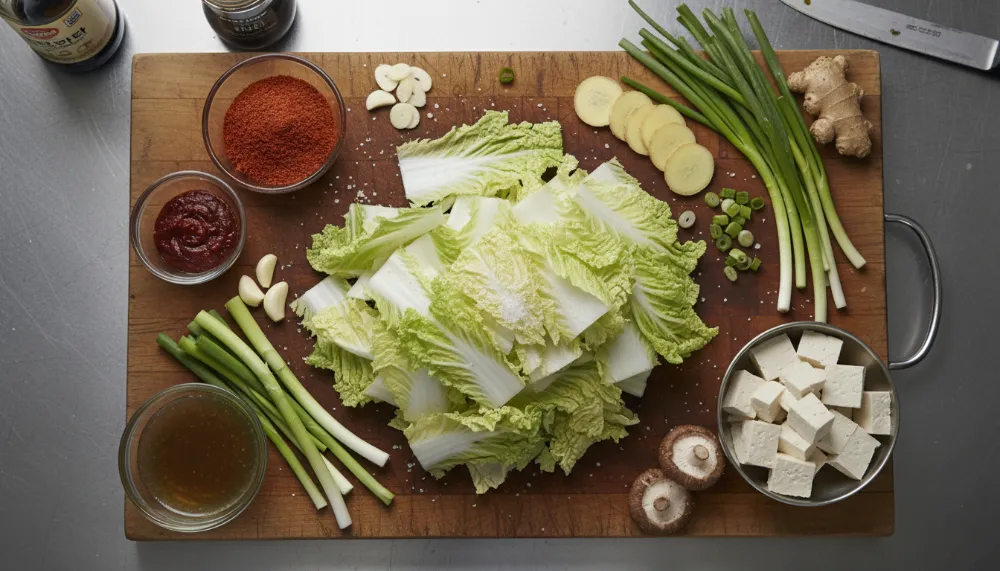
Beyond its incredible flavor, Spicy Korean Braised Cabbage (Baechu Jorim) is a nutritional titan. Napa cabbage is a member of the cruciferous vegetable family, known for its high concentration of vitamins and protective plant compounds.
* **Vitamin K:** A single serving provides nearly half of the daily recommended intake, which is essential for bone mineralization and healthy blood clotting.
* **Vitamin C:** This antioxidant powerhouse supports immune function and collagen production. The gentle braising process helps retain a significant portion of this vitamin compared to boiling.
* **Glucosinolates:** These sulfur-containing compounds are the subject of modern clinical research for their potential in supporting cellular health and detoxification pathways.
* **Dietary Fiber:** The slow breakdown of cabbage fibers ensures a dish that is easy on the digestive system while still providing the roughage needed for gut health.
By incorporating beef brisket, you add high-quality protein and iron, making this a complete meal that fuels the body while satisfying the palate. For those focusing on micronutrients, the addition of garlic and ginger provides anti-inflammatory benefits that complement the heat of the red pepper flakes.
Professional Flavor Variations and Chef Secrets
To take your Spicy Korean Braised Cabbage (Baechu Jorim) to a professional level, consider these elevated techniques used in high-end Korean kitchens.
### The Umami-Rich Beef and Mushroom Fusion
In professional kitchens, chefs often layer flavors by using a base of dried shiitake mushrooms and kelp. Instead of plain water or standard broth, soaking dried mushrooms in warm water creates a “Dashi” like base that amplifies the savoriness of the beef. When preparing the beef, use a **Cuisinart 8 Cup Food Processor: https://amzn.to/47Nhbg8** to finely chop additional aromatics like leeks and shallots to build a more complex flavor base than standard onions can provide.
### The Sweet-Heat Fruit Reduction
Traditional recipes often use sugar, but a secret among top-tier chefs is the use of Asian pear or red apple puree. The natural enzymes in these fruits act as a tenderizer for both the cabbage and the beef. To achieve a perfectly smooth puree that integrates seamlessly into your braising liquid, use the **Ninja BN751 Professional Plus DUO Blender: https://amzn.to/3LCDyNR**. This 1000W motor ensures that the fruit and ginger are pulverized, creating a silky sauce that coats every leaf of the cabbage.
### The Smoky Charred Technique
For a modern twist, try quartering the cabbage and searing the cut faces in a hot cast-iron skillet before braising. This creates a Maillard reaction, adding a smoky, nutty depth that balances the spicy punch of the gochugaru. This technique mimics the charred flavor profiles found in wood-fired cooking, adding a layer of sophistication to the final Baechu Jorim.
Essential Tools for Perfect Braising
To achieve the “melting” consistency required for authentic Spicy Korean Braised Cabbage (Baechu Jorim), you need more than just a pot. You need tools that allow for precision and consistency.
1. **Preparation is Key:** Using a **Cuisinart 8 Cup Food Processor: https://amzn.to/47Nhbg8** allows you to slice your onions and aromatics to a uniform thickness, ensuring they melt into the sauce at the same rate. This is essential for a balanced texture in the final dish.
2. **Vegetable Texture:** If you prefer your cabbage with a bit of a roasted edge, consider using the **Cosori 9-in-1 TurboBlaze Air Fryer 6 Qt: https://amzn.to/4hRWmVq** to lightly roast the cabbage hearts for 5 minutes before adding them to the braising pot. This develops flavor while keeping the center intact.
3. **Storage Excellence:** Because this dish tastes even better the next day as the flavors meld, the **Rubbermaid Brilliance Glass Storage Set of 9: https://amzn.to/4oD0YkY** is a must-have. These leak-proof containers are perfect for reheating, as the glass doesn’t absorb the strong odors of garlic or chili.
4. **Ingredient Longevity:** To keep your napa cabbage crisp and fresh before you’re ready to cook, use the **FoodSaver Vacuum Sealer Machine: https://amzn.to/4qWgVnS**. It prevents the cabbage from wilting in the crisper drawer, ensuring you start with the best possible produce.
The Science of the Braise: Why Low and Slow Wins
Braising is a combination of dry-heat and moist-heat cooking. In the first stage of Spicy Korean Braised Cabbage (Baechu Jorim), we sear the beef. This step is non-negotiable, as it develops the deep brown color and complex flavors through the Maillard reaction. Once the liquid is added and the lid is closed, the process shifts to steam and simmering.
Napa cabbage has a high water content. As it heats up, the cells begin to break down, releasing their natural sweetness into the braising liquid. Simultaneously, the gochugaru and soy sauce are drawn into the cabbage through osmotic pressure. This exchange is why the cabbage becomes so much more than the sum of its parts. If you cook it too fast on high heat, the liquid evaporates before the fibers have softened, leaving you with tough cabbage and a burnt sauce. Patience is the most important ingredient in this recipe.
Serving Suggestions and Pairing
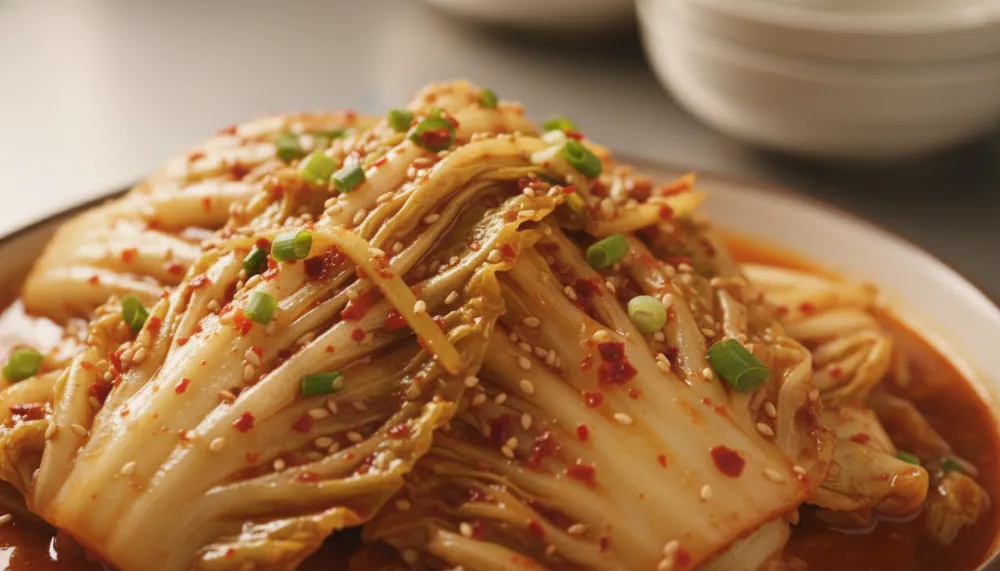
Spicy Korean Braised Cabbage (Baechu Jorim) is traditionally served as a main dish or a substantial side (*banchan*). To balance the heat and salt, it is best paired with steamed white rice or a bowl of warm multigrain rice (*japgokbap*). The rice acts as a sponge, soaking up the spicy, beef-infused sauce.
For a complete meal, consider serving it alongside a mild soup, such as a dried pollack soup or a simple seaweed soup. These lighter flavors cleanse the palate between bites of the intense cabbage. If you are looking for a crunch, a side of pickled yellow radish provides a refreshing contrast in both temperature and texture.