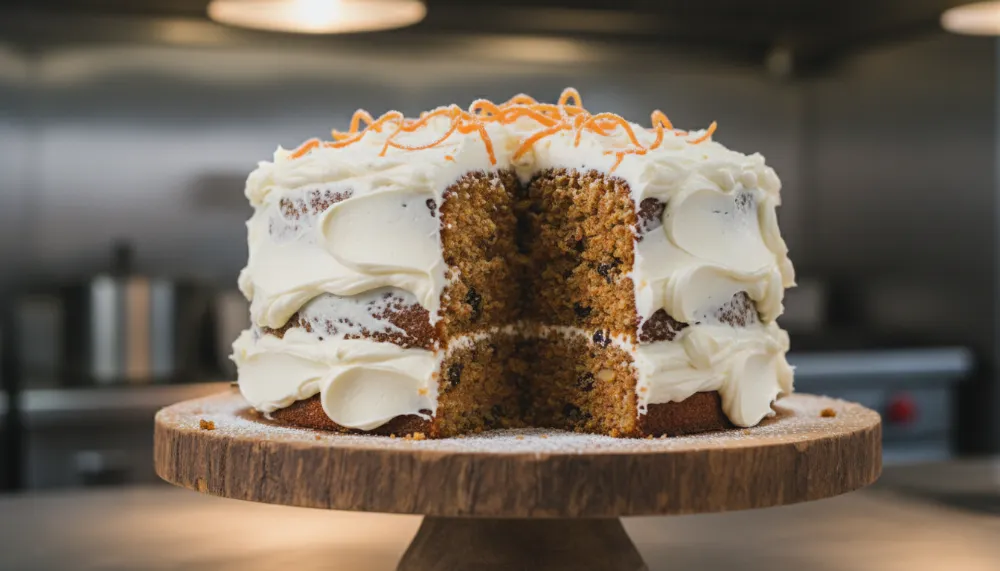

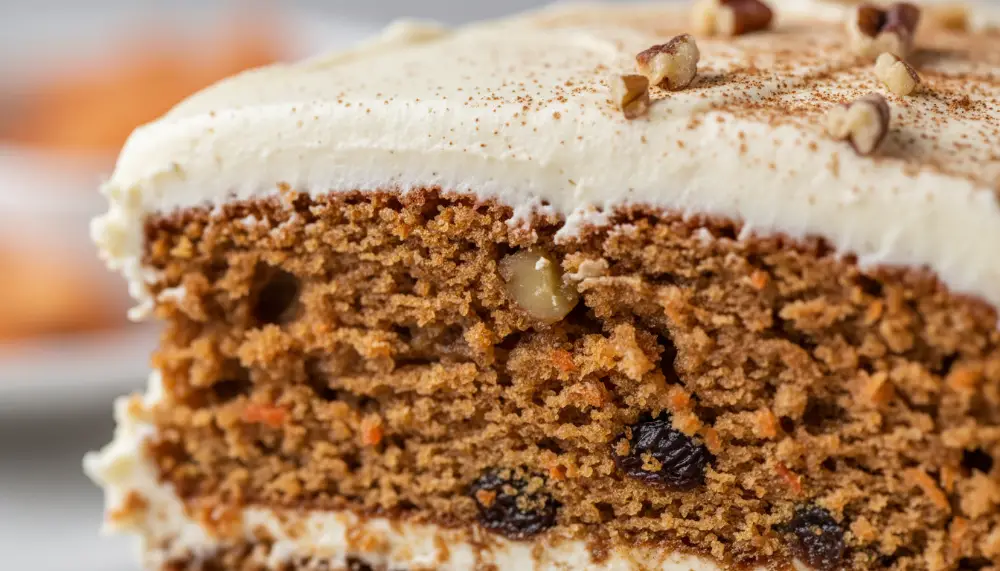
Experience the most decadent, moist, and perfectly spiced Gluten Free Carrot Cake with Cream Cheese Frosting that rivals any traditional wheat-based recipe. This bakery-quality masterpiece combines fresh carrots, warm spices, and a velvety smooth, alcohol-free frosting for a truly elevated dessert experience.
Gluten Free Carrot Cake with Cream Cheese Frosting
Ingredients
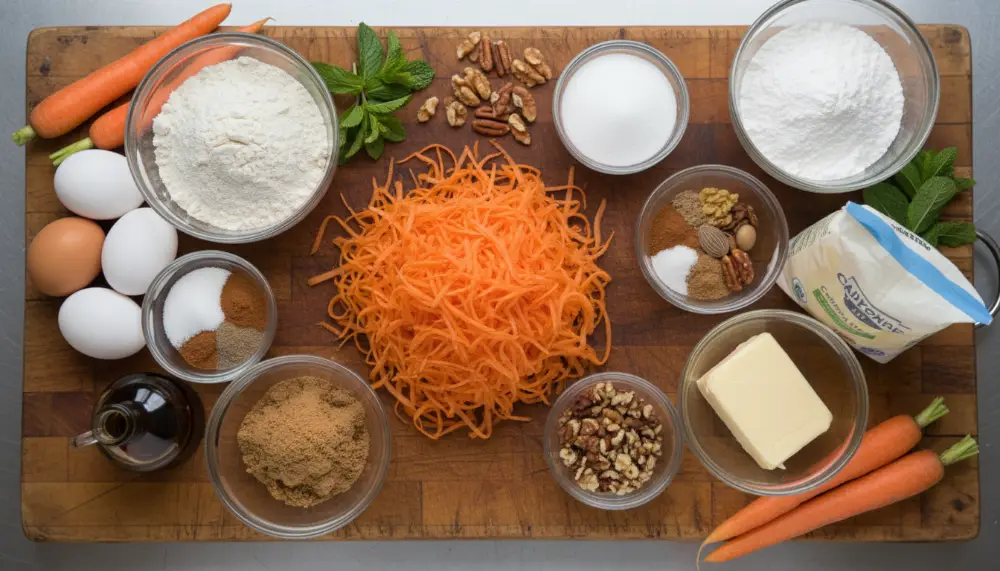
- 1 2 ½ cups Gluten-Free 1-to-1 Flour Blend (with xanthan gum)
- 2 1 cup Superfine Almond Flour
- 3 3 cups Freshly Grated Carrots (loosely packed)
- 4 4 Large Eggs (room temperature)
- 5 1 cup Avocado Oil or Neutral Vegetable Oil
- 6 1 ½ cups Light Brown Sugar (packed)
- 7 1 tablespoon Ground Cinnamon, 1 teaspoon Ginger, ½ teaspoon Nutmeg
- 8 2 teaspoons Baking Soda and 1 teaspoon Salt
- 9 16 oz Softened Cream Cheese (full fat)
- 10 4 cups Powdered Sugar and 1 tablespoon Alcohol-Free Vanilla Bean Paste
Instructions
- 1 Preheat oven to 350°F (175°C) and grease two 9-inch round cake pans.
- 2 In a large bowl, whisk eggs, oil, brown sugar, and vanilla until smooth.
- 3 Sift together gluten-free flour, almond flour, spices, baking soda, and salt.
- 4 Gently fold the dry ingredients into the wet ingredients until just combined.
- 5 Fold in the freshly grated carrots until evenly distributed throughout the batter.
- 6 Divide batter between pans and bake for 35-40 minutes until a tester comes out clean.
- 7 Cool cakes completely. Whip cream cheese, butter, and powdered sugar until fluffy.
- 8 Frost the cooled layers generously and chill for 1 hour before serving.
The Historical Legacy of the Carrot Cake
The journey of the carrot cake is a fascinating tale of culinary ingenuity born from necessity. While modern food enthusiasts recognize it as a staple of health-conscious bakeries, its origins date back to Medieval Europe. During this period, traditional sweeteners like cane sugar were a luxury reserved for the aristocracy. Home cooks discovered that carrots, which boast one of the highest sugar contents of any root vegetable, could be used as a natural sweetener in puddings and breads. These early “carrot puddings” were often boiled or steamed, sharing more DNA with a dense fruitcake than the fluffy layers we adore today.
The transition from a rustic pudding to a sophisticated cake occurred during the late 18th and early 19th centuries in France and England. Recipes for “Gâteau de Carottes” began appearing in professional culinary manuals, introducing the use of eggs as a leavening agent. However, it was during World War II in the United Kingdom that carrot cake achieved its legendary status. Faced with severe sugar rationing, the Ministry of Food heavily promoted carrot-based desserts as a way to provide sweetness and nutrition to a nation under siege. This wartime necessity evolved into a beloved tradition, eventually reaching the United States in the 1960s where it was paired with cream cheese frosting, cementing its place as a modern classic.
Mastering the Science of Gluten-Free Baking
Creating a Gluten Free Carrot Cake with Cream Cheese Frosting requires an understanding of structural chemistry. In traditional baking, gluten provides the elastic framework that traps gas and allows cakes to rise. When you remove gluten, you must replace that structure with a combination of alternative flours and binding agents. A high-quality 1-to-1 gluten-free flour blend, usually containing rice flour and starches, provides the bulk. However, for a carrot cake, adding superfine almond flour is the secret weapon. The natural oils in almond flour provide a moist crumb that mimics the “fatty” feel of a wheat cake, while also adding a subtle nutty flavor that complements the carrots perfectly.
To ensure your cake doesn’t turn out gummy, which is a common pitfall in gluten-free baking, it is essential to use a high-powered food processor for your prep. We recommend the Cuisinart 8 Cup Food Processor (https://amzn.to/47Nhbg8), which is a meal prep essential for fast chopping and slicing of carrots to the perfect fine consistency. This ensures the carrots release their moisture evenly without creating large “wet spots” in the batter.
The Importance of Fresh Ingredients and Flavor Profiling
The soul of this cake lies in its flavor profile. Many modern recipes rely solely on cinnamon, but a professional-grade Gluten Free Carrot Cake with Cream Cheese Frosting uses a complex matrix of warming spices. Ground ginger provides a sharp, bright heat, while nutmeg adds a woody, aromatic depth. For those looking to elevate the recipe even further, a pinch of ground cardamom can provide a floral top note that cuts through the richness of the frosting.
When selecting carrots, choose medium-sized, firm roots. Large “woody” carrots can be overly fibrous and less sweet. By grating them fresh rather than buying pre-shredded carrots, you retain the cellular moisture that is vital for a soft cake. If you enjoy a bit of crunch in your layers, toasted walnuts or pecans are the standard addition. To achieve a professional toast on your nuts without the risk of burning them in a skillet, use the Cosori 9-in-1 TurboBlaze Air Fryer 6 Qt (https://amzn.to/4hRWmVq). It roasts nuts and seeds perfectly in minutes, giving you that concentrated nutty aroma that defines a great carrot cake.
Alcohol-Free Cream Cheese Frosting: The Ultimate Finish
The frosting is where many gluten-free desserts fail or succeed. A traditional cream cheese frosting relies on a balance of tang and sweetness, but it must also be stable enough to hold up heavy cake layers. Many extracts use an alcohol base, which can sometimes introduce a medicinal aftertaste in large quantities. To maintain a strict dietary standard, we utilize alcohol-free vanilla bean paste or glycerin-based flavorings. This provides the rich, black-speckled aesthetic of real vanilla beans without any restricted ingredients.
To achieve the silkiest possible frosting, your cream cheese and butter must be at true room temperature. If they are too cold, the frosting will be lumpy, if they are too warm, it will be runny. If you find your frosting is too soft, avoid adding more powdered sugar, which can make it cloying. Instead, refrigerate the frosting for 20 minutes before whipping it again. For the smoothest consistency, a powerful blender like the Ninja BN751 Professional Plus DUO Blender (https://amzn.to/3LCDyNR) can be used to pre-blend the cream cheese and flavorings before folding in the sugar, ensuring a 1000W-powered smoothness that is perfect for professional-grade finishes.
Pro-Tips for Assembly and Decoration
Assembling a multi-layer cake can be daunting, but with the right technique, it becomes an art form. Once your gluten-free layers are completely cool, wrap them in plastic wrap and chill them in the freezer for 30 minutes. This “firms up” the crumb, making it much easier to spread frosting without the cake tearing or crumbs mixing into the white frosting. This is known as a “crumb coat” technique in professional kitchens.
If you are making the cake in advance, storage is key. The moisture in a carrot cake is its greatest asset but also its greatest risk for spoilage. Use the Rubbermaid Brilliance Glass Storage Set of 9 (https://amzn.to/4oD0YkY) to keep your cake slices fresh. These containers are leak-proof and stackable, making them perfect for meal prep storage or transporting your cake to a gathering. For long-term storage, you can even freeze individual slices. Use a FoodSaver Vacuum Sealer Machine (https://amzn.to/4qWgVnS) to seal cooled slices, which keeps the ingredients fresh longer and prevents the dreaded freezer burn that often ruins delicate gluten-free textures.
Common Questions About Gluten Free Carrot Cake
Can I use a different oil?
While avocado oil is preferred for its neutral flavor and high smoke point, any neutral oil like sunflower or canola will work. Avoid olive oil unless it is a very light “extra light” variety, as the strong peppery notes can clash with the delicate spices of the cake.
Why is my gluten-free cake dense?
Density often comes from over-mixing or using a flour blend that is too heavy in bean flours. Ensure you are using a 1-to-1 blend designed for baking and fold the carrots in by hand rather than using a mixer. This preserves the air bubbles created by the baking soda and eggs.
How do I make the frosting more stable?
If you live in a warm climate, you can add a tablespoon of cornstarch to your powdered sugar. This acts as a stabilizer and helps the cream cheese frosting maintain its shape on the cake without melting.
Final Thoughts on This Classic Dessert
The Gluten Free Carrot Cake with Cream Cheese Frosting is more than just a dietary alternative, it is a triumph of flavor and texture. By respecting the historical roots of the dish while utilizing modern gluten-free science and professional equipment, you can create a centerpiece that everyone will love, regardless of their dietary needs. Whether you are serving this for a spring celebration, a birthday, or just a weekend treat, the combination of earthy carrots, warm spices, and tangy frosting is a timeless profile that never goes out of style.