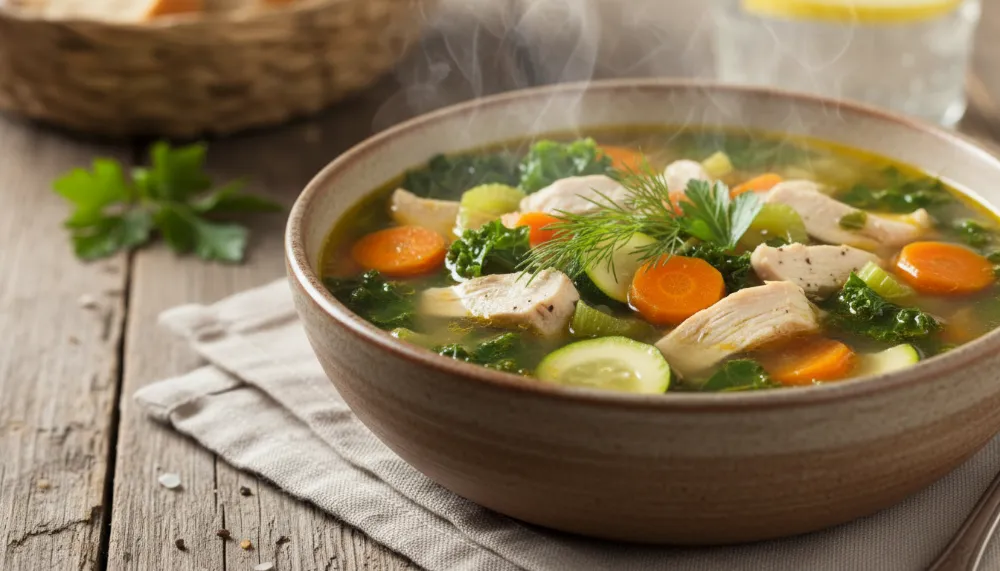

Experience the perfect balance of lean protein and garden-fresh nutrients with this Low-Calorie Chicken Soup with Veggies, designed to nourish your body and warm your soul. This chef-inspired recipe delivers maximum flavor with minimum calories, making it a gold standard for healthy meal prep.
Low-Calorie Chicken Soup with Veggies
Ingredients
- 1 1.5 lbs Skinless, Boneless Chicken Breasts
- 2 8 Cups Low-Sodium Chicken Broth
- 3 3 Large Carrots, Sliced
- 4 3 Celery Stalks, Diced
- 5 1 Medium Yellow Onion, Finely Chopped
- 6 4 Cloves Garlic, Minced
- 7 1 tsp Dried Thyme & 1 tsp Dried Oregano
- 8 2 Cups Fresh Baby Spinach
- 9 1 tbsp Fresh Lemon Juice
- 10 Sea Salt and Cracked Black Pepper to Taste
Instructions
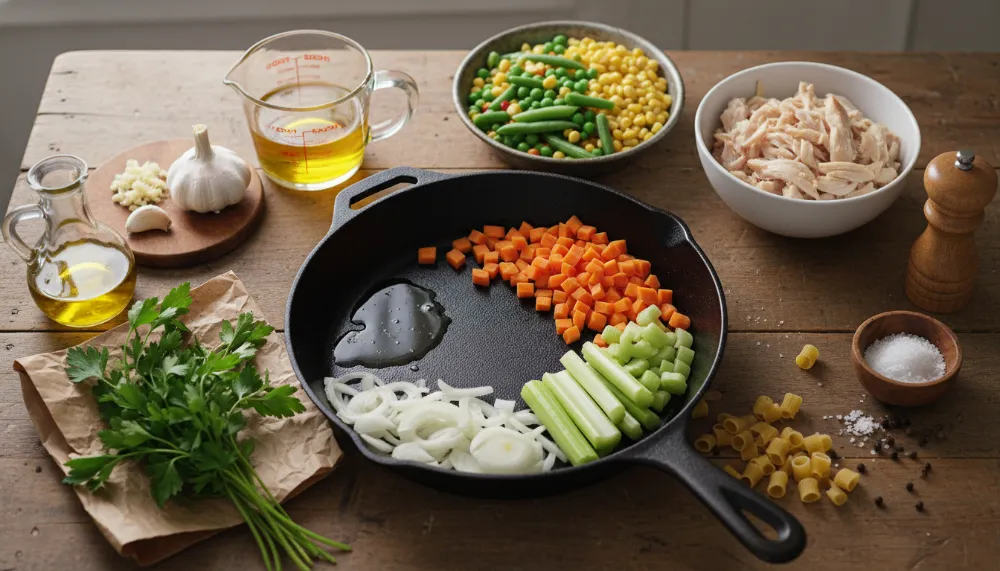
- 1 Sauté the onion, carrots, and celery in a large pot using 1/4 cup of chicken broth until softened.
- 2 Stir in the garlic, thyme, and oregano, cooking for 1 minute until fragrant.
- 3 Pour in the remaining chicken broth and add the whole chicken breasts.
- 4 Bring to a boil, then reduce heat and simmer for 20-25 minutes until chicken is cooked through.
- 5 Remove chicken, shred with two forks, and return it to the pot.
- 6 Stir in spinach and lemon juice, simmer for 2 minutes until wilted, and season with salt and pepper.
The Deep History and Scientific Foundations of Low-Calorie Chicken Soup with Veggies
Low-Calorie Chicken Soup with Veggies is not merely a modern health trend, it is a dish with a legacy that spans millennia. The transition from ancient medicinal broths to the contemporary weight-loss staple we recognize today is a fascinating journey through culinary history. Ancient records from China, dating back as far as the 2nd Century BC, document chicken soup as a warming food used to restore vital energy, or Qi. In these early iterations, the focus was already on the therapeutic combination of lean poultry and seasonal botanicals, laying the groundwork for what we now celebrate as a nutrient-dense powerhouse.
By the 12th Century, the philosopher and physician Moses Maimonides was prescribing chicken soup as a treatment for respiratory conditions, a practice that has earned the dish its nickname, Jewish Penicillin. In Ancient Greece, the physician Galen advocated for clear broths to combat migraines and fevers. These historical figures understood intuitively what science eventually proved: that the combination of hydrating broth, protein, and vegetables creates a unique synergy that supports the immune system and promotes overall well-being. Today, Low-Calorie Chicken Soup with Veggies remains a global symbol of comfort and health, evolving to meet the demands of modern dietary needs without losing its traditional soul.
A Detailed Nutritional Breakdown
When analyzing a standard serving of homemade Low-Calorie Chicken Soup with Veggies, usually around one cup or 240ml, the data reveals why it is an ideal choice for weight management and metabolic health. Typically, this soup provides between 95 and 130 calories per serving, depending on the specific vegetable-to-meat ratio. The primary source of calories is high-quality protein from skinless chicken breast, contributing approximately 10 to 15 grams per cup. This protein density is crucial for maintaining muscle mass while in a calorie deficit.
The total fat content remains impressively low, ranging from 2 to 5 grams, especially when using lean cuts and skimming any excess fat from the surface of the broth. Carbohydrates generally fall between 8 and 12 grams, derived almost entirely from fiber-rich vegetables like carrots, celery, and leafy greens. This low glycemic load ensures stable blood sugar levels. Furthermore, the soup is a significant source of Vitamin A, Vitamin K, and B-vitamins, specifically B6 and B12, which are essential for energy metabolism and cognitive function. The high water content provides exceptional hydration and natural electrolytes, making it a functional food in the truest sense.
Essential Tools for Efficient Soup Preparation
Creating a high-quality Low-Calorie Chicken Soup with Veggies requires precision and the right equipment to streamline the process. Before you begin, consider your preparation workflow. For those who want to accelerate their vegetable prep, the Cuisinart 8 Cup Food Processor: https://amzn.to/47Nhbg8 is an absolute game-changer. It is essential for fast chopping and slicing during meal prep, ensuring your carrots and celery are uniform in size, which leads to even cooking throughout the pot.
If you prefer a thicker, creamier consistency without the addition of heavy cream or butter, you can utilize the Ninja BN751 Professional Plus DUO Blender: https://amzn.to/3LCDyNR. It is perfect for tahini sauce and harissa paste with its 1000W motor, and it works beautifully for pureeing a portion of the soup’s vegetables and broth to create a velvety base. This technique adds body and richness without increasing the caloric load. Finally, if your flavor profile includes roasted elements, the Cosori 9-in-1 TurboBlaze Air Fryer 6 Qt: https://amzn.to/4hRWmVq roasts chickpeas and vegetables perfectly with a large family capacity. Roasting your vegetables in the air fryer before adding them to the broth creates a caramelized, complex flavor profile that elevates the entire dish.
Professional Flavor Variations Without Fat or Alcohol
One of the biggest challenges in making a truly great Low-Calorie Chicken Soup with Veggies is building depth of flavor without relying on butter, pork fats, or alcohol. Professional chefs use acidity and umami-rich substitutes to achieve this balance. For instance, many classic French recipes call for white wine to deglaze the pan. To achieve a similar brightness while remaining alcohol-free, substitute the wine with a tablespoon of white wine vinegar or a splash of lemon juice at the very end of the cooking process. This acid “wakes up” the other ingredients and provides a clean, vibrant finish.
To replicate the savory richness often associated with pork products like bacon or ham hocks, use smoked paprika or a single drop of liquid smoke. These ingredients provide that characteristic smokiness without the added saturated fat. Another professional secret is the use of umami boosters. Sautéing cremini mushrooms in a dry pan until they are deeply browned provides a meaty depth that enhances the chicken broth. By focusing on these high-impact, low-calorie ingredients, you can create a soup that tastes far more indulgent than its nutritional profile suggests.
The Mediterranean Citrus Variation
This variation of Low-Calorie Chicken Soup with Veggies emphasizes top notes and fresh aromatics. By incorporating lemon zest, minced garlic, and thinly sliced zucchini, you create a soup that feels light and summery. Instead of a heavy roux, the focus is on the clarity of the broth and the crispness of the vegetables. The addition of fresh herbs like parsley and dill just before serving adds a floral complexity that complements the citrus perfectly.
The Golden Spiced Anti-Inflammatory Variation
For a warming, functional twist, try adding freshly grated ginger and turmeric to your Low-Calorie Chicken Soup with Veggies. The turmeric provides a beautiful golden hue and potent anti-inflammatory benefits, while the ginger offers a spicy, digestive-supporting kick. To ensure the turmeric is fully absorbed by the body, always add a generous amount of cracked black pepper, as the piperine in the pepper significantly increases the bioavailability of the turmeric’s active compounds.
Scientific Benefits of Satiety and Weight Management
The efficacy of Low-Calorie Chicken Soup with Veggies for weight loss is supported by the science of volumetrics. Research suggests that consuming a low-energy-density soup before a main meal can reduce total calorie intake by up to 20 percent. The high water content and fiber from the vegetables increase gastric distension, signaling to the brain that the body is full. Because soup is consumed slowly and requires cooling, it also encourages more mindful eating habits, which is a key component of long-term weight management.
Moreover, the protein in the chicken triggers the release of cholecystokinin, a hormone that promotes a feeling of fullness. This dual action of fiber and protein makes Low-Calorie Chicken Soup with Veggies an exceptionally satiating meal. Unlike processed snack foods that cause rapid spikes and drops in blood sugar, the complex carbohydrates in the carrots and celery provide a steady release of energy, preventing the mid-afternoon energy crashes that often lead to overeating.
Storage and Meal Prepping Strategies
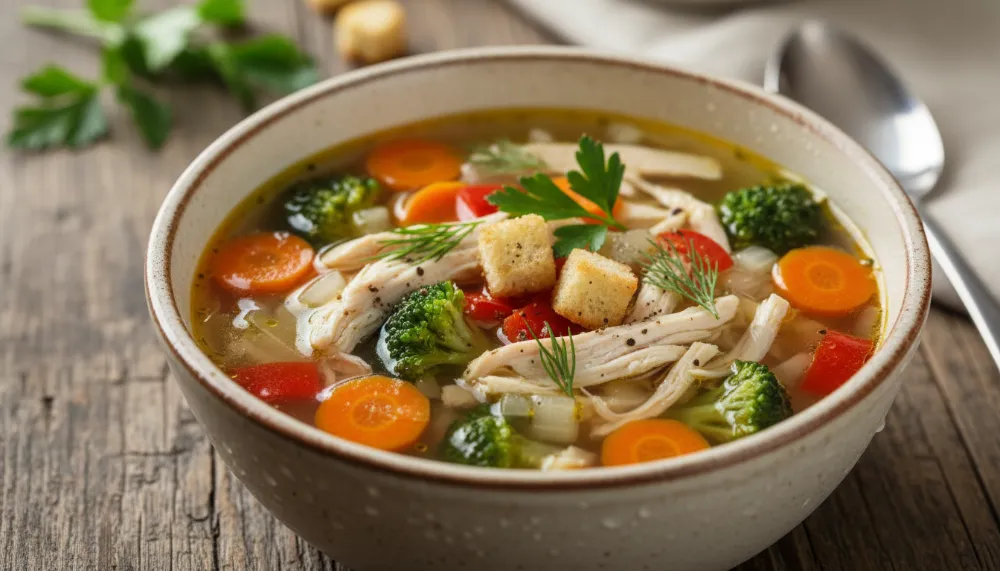
To maximize the benefits of Low-Calorie Chicken Soup with Veggies, it is essential to master the art of storage. This soup is an ideal candidate for meal prepping because its flavors often improve after 24 hours in the refrigerator, as the aromatics have more time to infuse the broth. When storing, allow the soup to cool to room temperature before transferring it to airtight glass containers. It will remain fresh in the refrigerator for up to four days.
For long-term storage, Low-Calorie Chicken Soup with Veggies freezes exceptionally well. If you plan to freeze your soup, consider slightly undercooking the vegetables, such as the carrots and celery, so they maintain their texture upon reheating. Use freezer-safe bags or containers, leaving about an inch of headspace for expansion. To reheat, thaw the soup in the refrigerator overnight and then warm it on the stove over low heat to preserve the integrity of the chicken fibers. Avoid using a microwave for large batches, as it can result in uneven heating and localized overcooking.
Common Mistakes to Avoid
Even a simple dish like Low-Calorie Chicken Soup with Veggies can be ruined by a few common errors. First, avoid overcooking the chicken breast. Once the internal temperature reaches 165 degrees Fahrenheit, it should be removed and shredded immediately. Boiling chicken for hours will lead to a rubbery, dry texture. Second, do not over-salt the broth early in the process. As the soup simmers and water evaporates, the salt concentration increases, which can lead to an overly salty final product. Always season with salt at the very end.
Another common mistake is adding delicate vegetables too early. Ingredients like baby spinach, kale, or fresh herbs should only be added in the final minutes of cooking. This ensures they retain their vibrant color and nutritional value. Finally, ensure your mirepoix, the onion, carrot, and celery, is cut into uniform pieces. This might seem like a minor detail, but it is the difference between a bowl where every bite is perfectly cooked and one where some vegetables are mushy while others are still crunchy.