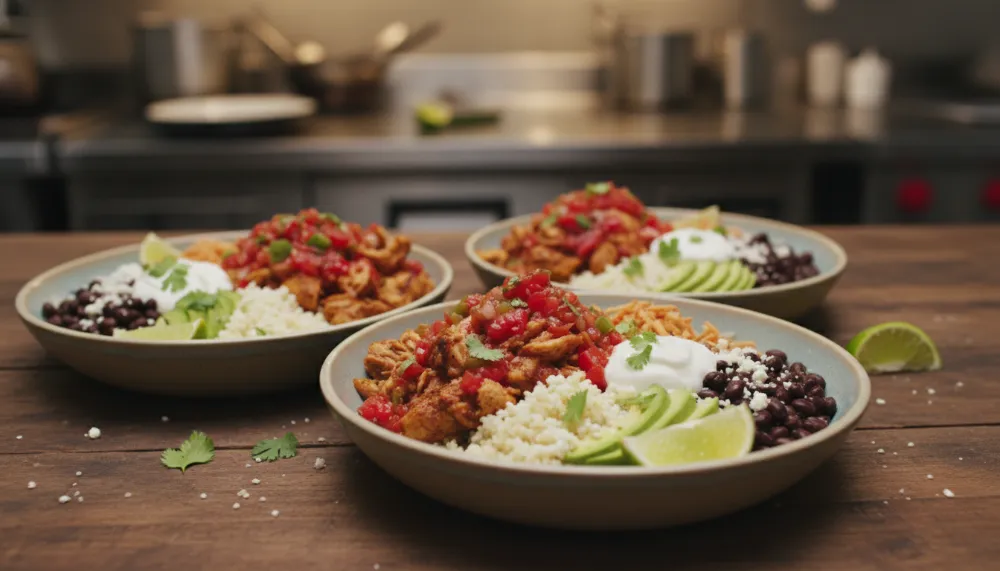

Experience the perfect harmony of protein and spice with these Low-Calorie Salsa Chicken Bowls, designed to fuel your body without sacrificing flavor. This vibrant meal prep staple brings together ancient Mesoamerican ingredients and modern nutritional efficiency in every single bite.
Low-Calorie Salsa Chicken Bowls
INGREDIENTS
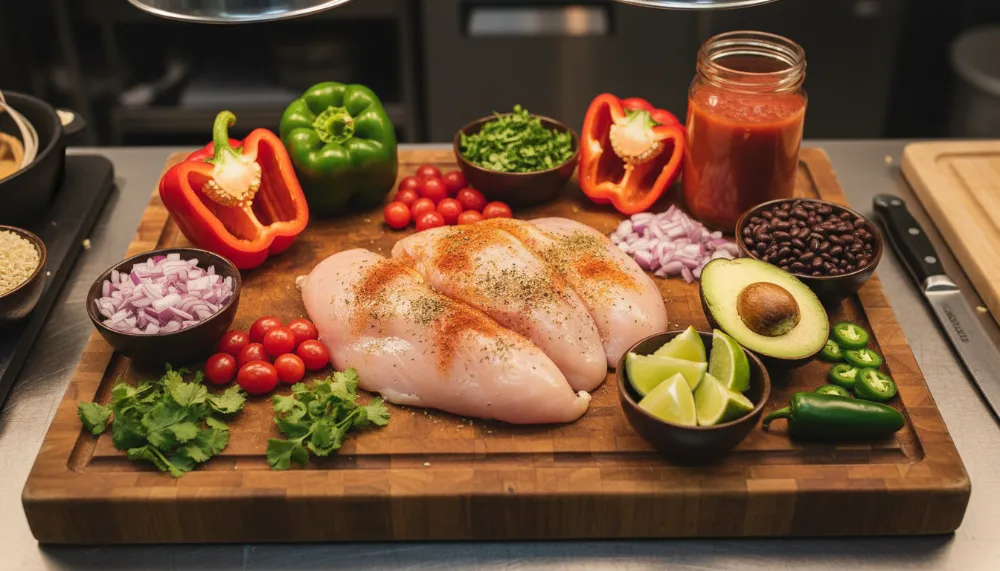
- 1.5 lbs Chicken Breast (Lean)
- 16 oz Chunky Tomato Salsa (No sugar added)
- 1 cup Black Beans (Rinsed)
- 1 cup Sweet Corn (Frozen or fresh)
- 2 cups Cauliflower Rice
- 1 tsp Cumin & Smoked Paprika
- Toppings: Avocado, Cilantro, Lime
INSTRUCTIONS
- Season chicken with cumin and paprika.
- Place chicken and salsa in a pot or slow cooker.
- Simmer until tender, then shred with two forks.
- Steam cauliflower rice and prepare beans/corn.
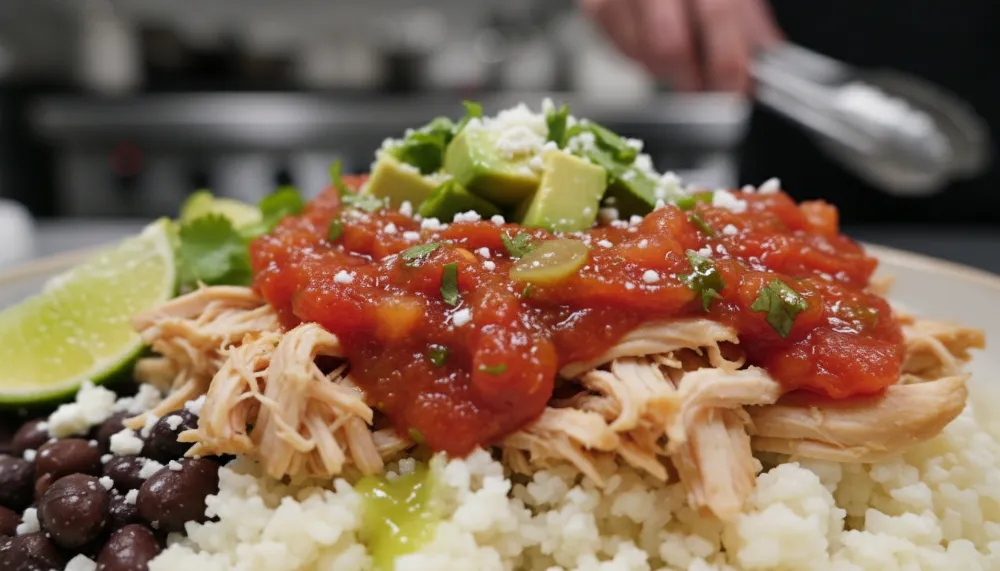
- Assemble bowls with base, protein, and toppings.
The Historical Odyssey of the Salsa Chicken Bowl
While the modern Low-Calorie Salsa Chicken Bowls might feel like a product of contemporary fitness culture, its components tell a story that spans millennia. To understand this dish, we must first look at the sauce that gives it its name. The term “salsa” is the Spanish word for sauce, but the culinary invention belongs to the indigenous civilizations of Mesoamerica. The Aztecs, Mayans, and Incas were the first to domesticate the tomato, combining it with chili peppers and ground squash seeds to create complex, vibrant condiments. By the time Spanish colonizers arrived in the 16th century, these sauces were already a staple of the local diet, documented in early dictionaries as essential to the regional cuisine.
The transformation of these ancient sauces into the specific “Salsa Chicken” method we recognize today occurred much later, during the late 20th-century appliance boom. As the slow cooker became a fixture in Western kitchens, home cooks sought out recipes that maximized flavor with minimal ingredients. The “two-ingredient chicken” (chicken breasts and a jar of salsa) became a viral sensation around 2012, fueled by early social media platforms like Pinterest. It was marketed as a miracle for busy families, offering a healthy, high-protein base that required almost zero prep time.
Finally, the transition from a plate of shredded meat to the “bowl” format solidified in the 2010s. Influenced by the “Buddha Bowl” movement and the rise of fast-casual healthy dining, the bowl allowed for a customizable, visually appealing, and nutrient-dense meal. This evolution represents a perfect marriage of ancient agricultural wisdom and 21st-century convenience.
Deep Dive into the Nutritional Architecture
When crafting Low-Calorie Salsa Chicken Bowls, understanding the nutritional density is paramount for those pursuing fitness goals. This dish is a powerhouse of macronutrients, specifically designed to provide high satiety through lean protein and complex carbohydrates. By utilizing chicken breast, we keep the fat content low while maximizing the protein-to-calorie ratio, which is essential for muscle recovery and metabolic health.
A standard serving typically ranges between 325 and 450 calories, depending on your choice of base. By swapping traditional white rice for cauliflower rice, you can reduce the caloric load by nearly 150 calories per bowl while adding a massive dose of Vitamin C and Vitamin K. The inclusion of black beans and corn provides a synergistic amino acid profile and a significant hit of dietary fiber, which aids in digestion and blood sugar regulation. These bowls are not just about what you remove (calories), but what you add (nutrients).
Professional Flavor Variations: Elevating the Standard
To reach a gourmet level of cooking, one must understand how to layer flavors without relying on high-calorie additives like butter or heavy oils. Here are five chef-inspired variations for your Low-Calorie Salsa Chicken Bowls that adhere to strict dietary guidelines.
1. The “Verde & Smoke” Profile
For a sophisticated twist, replace the traditional red salsa with a tomatillo-based Salsa Verde. The natural acidity of the tomatillos cuts through the protein perfectly. To add depth without a grill, incorporate one teaspoon of liquid smoke and a tablespoon of honey into the cooking liquid. If a recipe calls for white wine to deglaze the pan, use a high-quality chicken broth mixed with a splash of apple cider vinegar instead. This provides the necessary acid and umami without any alcohol content.
2. The Tropical Heat Variation
Contrast is the key to professional cooking. Use a mango or pineapple-infused salsa to bring a natural sweetness that balances the heat of the chilies. Marinate your chicken in lime juice and smoked paprika for at least thirty minutes before cooking. To add a crunchy element that replaces the texture of traditional pork toppings, use toasted pumpkin seeds (pepitas). They provide healthy fats and a satisfying snap that completes the dish.
3. The Zesty Greek-Fusion
Who says salsa chicken must stay strictly Mexican-inspired? Use a tomato-heavy salsa enhanced with dried oregano and double the minced garlic. Serve this over a bed of cauliflower rice seasoned with lemon zest and fresh parsley. Instead of sour cream, top your bowl with a dollop of plain Greek yogurt mixed with black pepper and lemon juice. It provides a creamy finish with triple the protein and half the fat.
4. The Macho Beef Alternative
If you prefer red meat, you can easily adapt this recipe. Use lean ground beef (90/10) or thinly sliced flank steak. Season the beef with a dry rub of cumin, ancho chili powder, and onion powder. When searing the beef, deglaze the pan with beef broth and a teaspoon of balsamic vinegar. This technique, used by professional chefs instead of red wine, creates a deep, rich sauce that clings to the meat.
5. Vegetarian “Hearty Grain” Option
For a plant-based version, combine black beans with fire-roasted corn as your primary protein source. To elevate this, roast sweet potato cubes seasoned with chili powder in an air fryer until the edges are caramelized. Fold these into the salsa mixture. The natural sugars in the potato provide a gourmet sweetness that pairs beautifully with the spicy salsa, making the dish feel substantial and luxurious.
Essential Tools for Culinary Success
To achieve the textures and consistency required for the best Low-Calorie Salsa Chicken Bowls, high-quality kitchen equipment is a necessity. Here are my professional recommendations for your kitchen arsenal:
- Ninja BN751 Professional Plus DUO Blender: https://amzn.to/3LCDyNR (Why Perfect: The 1000W motor is ideal for blending your own custom salsas or creating smooth Greek yogurt-based sauces.)
- Cosori 9-in-1 TurboBlaze Air Fryer 6 Qt: https://amzn.to/4hRWmVq (Why Perfect: This is the best way to roast cauliflower rice or sweet potatoes to get that crisp texture without excess oil.)
- Cuisinart 8 Cup Food Processor: https://amzn.to/47Nhbg8 (Why Perfect: Essential for fast meal prep, allowing you to slice peppers and onions or shred cooked chicken in seconds.)
The Art of Meal Prep and Storage
The true genius of Low-Calorie Salsa Chicken Bowls lies in their longevity. This is a dish that arguably tastes better on day three, as the spices have more time to penetrate the chicken fibers. However, storage is where most home cooks fail, leading to soggy vegetables or dry meat.
To maintain the integrity of your meal prep, keep your “wet” ingredients (shredded salsa chicken) separate from your “crunchy” ingredients (fresh cabbage or radish). When reheating, use a damp paper towel over your bowl to create a steam-effect, keeping the chicken moist. For long-term organization, I recommend these professional-grade storage solutions:
- Rubbermaid Brilliance Glass Storage Set of 9: https://amzn.to/4oD0YkY (Why Perfect: These are leak-proof and stackable, making your fridge look organized while keeping ingredients fresh.)
- FoodSaver Vacuum Sealer Machine: https://amzn.to/4qWgVnS (Why Perfect: If you are making a massive batch of salsa chicken, vacuum sealing portions for the freezer prevents freezer burn and keeps the flavor locked in for months.)
Chef’s Tips for the Perfect Bowl
Always season in layers. Don’t just season the chicken, season your cauliflower rice with lime and cilantro, and season your beans with a pinch of salt and cumin. This “layering” is what separates a bland diet meal from a professional-grade bowl. Additionally, always finish your bowl with something fresh, whether it is a squeeze of lime juice or a handful of fresh cilantro. That hit of raw acid and herb brightens the cooked flavors and makes the dish pop.