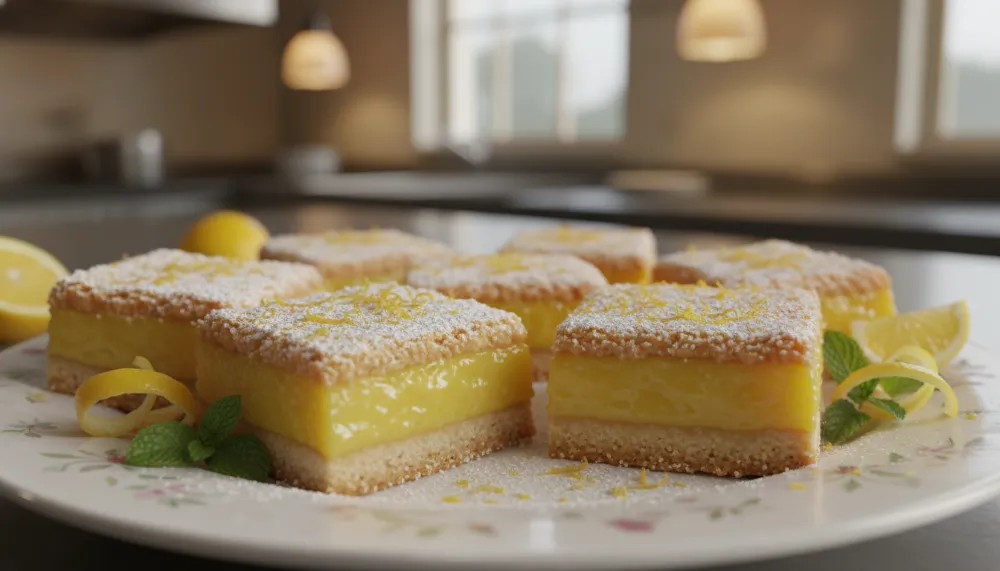

Welcome the bright, refreshing flavors of the season with these Classic Lemon Bars with Shortbread Crust, the ultimate spring dessert. With a buttery base and a tangy citrus filling, every bite is a burst of sunshine guaranteed to brighten your day.
Classic Lemon Bars
Ingredients
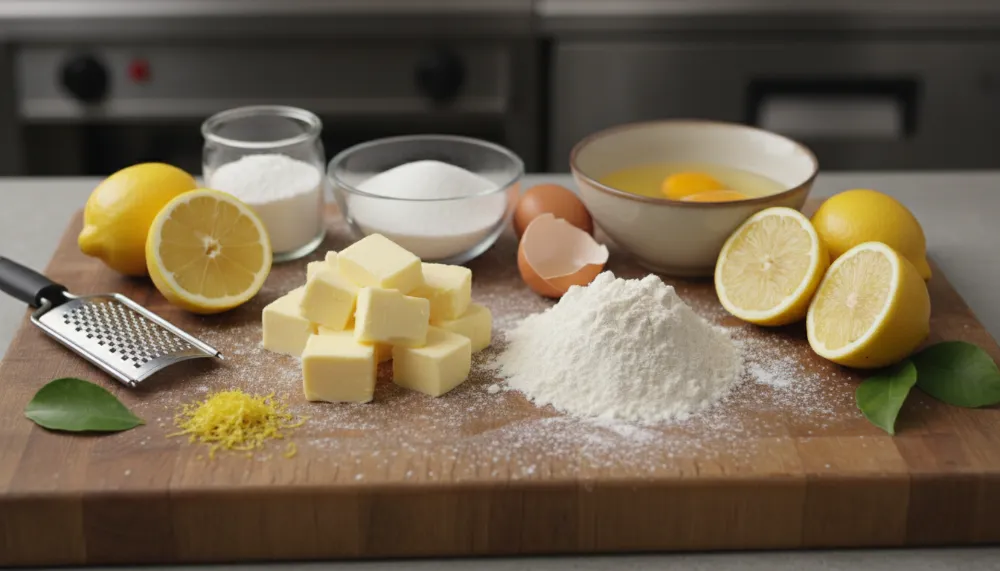
- 1 1 cup unsalted butter, softened
- 2 1/2 cup granulated sugar (for the crust)
- 3 2 cups all-purpose flour
- 4 4 large eggs, room temperature
- 5 1 1/2 cups granulated sugar (for the filling)
- 6 1/4 cup all-purpose flour (for the filling)
- 7 2/3 cup fresh lemon juice
- 8 Powdered sugar, for generous dusting
Instructions
- 1 Preheat your oven to 350°F (175°C) and line a 9×13 inch baking dish with parchment paper, leaving a slight overhang for easy removal later.
- 2 In a large mixing bowl, blend the softened butter, one-half cup of granulated sugar, and two cups of flour until the mixture resembles a coarse, crumbly dough.
- 3 Press the shortbread dough firmly and evenly into the bottom of your prepared baking dish.
- 4 Bake the crust in the preheated oven for 15 to 20 minutes, or until the edges are lightly golden brown, then carefully remove it from the oven.
- 5 While the crust is baking, prepare the filling by whisking together the eggs, one and one-half cups of sugar, one-quarter cup of flour, and the fresh lemon juice until completely smooth.
- 6 Carefully pour the liquid lemon filling over the warm, baked shortbread crust.
- 7 Return the baking dish to the oven and bake for an additional 20 to 25 minutes, or until the lemon filling is perfectly set and no longer jiggles in the center.
- 8 Allow the dessert to cool completely at room temperature, then transfer to the refrigerator to chill before dusting generously with powdered sugar and slicing into even squares.
The Quintessential Spring Dessert Experience
When the winter frost finally thaws and the flowers begin to bloom, there is no better way to celebrate the changing of the seasons than with a vibrant, citrus-forward treat. Classic Lemon Bars with a Shortbread Crust are the undisputed kings of spring baking. Their bright yellow hue mirrors the returning sunshine, while their zesty, mouth-watering flavor profile awakens the palate after months of heavy comfort foods. Preparing these delightful squares is a cherished tradition for many home bakers, offering a beautiful balance of rich, crumbly pastry and smooth, tart custard. Whether you are hosting an elegant garden tea party, planning a family picnic in the park, or simply craving a sweet afternoon pick-me-up to enjoy with your coffee, these lemon squares never fail to impress. If you are looking to explore more best spring desserts, mastering this timeless classic is the perfect starting point for your seasonal culinary journey.
A Fascinating Look at Lemon Bar History
The modern lemon bar is a relatively recent addition to the culinary world, though its individual components date back centuries. Understanding the evolution of this dessert adds a wonderful layer of appreciation to every bite you take. The first widely recognized recipe for what we now call Lemon Squares was published in the Chicago Daily Tribune on August 27, 1962. It was submitted by Mrs. Eleanore Mickelson for a local recipe contest. Her original version was quite sweet, utilizing a mere three tablespoons of lemon juice, which provided a subtle hint of citrus rather than the bold tartness we expect today. However, it was only a year later, in 1963, that the dessert truly gained nationwide fame when it was included in the famous Betty Crocker Cooky Book. This pivotal publication refined the proportions, increasing the acidity and cementing the lemon bar as a beloved staple of American home baking.
Yet, the dessert is actually a brilliant hybrid of two much older European traditions. The sturdy base of the bar is a shortbread crust, a confection originating in 12th-century Scotland. Originally an austere biscuit bread, it evolved into the sweet, buttery crust we recognize today by the 16th century, primarily popularized by Mary, Queen of Scots. On top of this historic crust sits a variation of lemon curd. Early versions of lemon curd, originally known as lemon cheese, first appeared in 19th-century England. Interestingly, these early curds were initially made by acidulating cream rather than relying on the rich egg and butter emulsion used in modern pastry kitchens. Today, the marriage of Scottish shortbread and English lemon curd creates a dessert that transcends borders and generations.
Essential Kitchen Equipment for Baking Success
Baking is as much a science as it is an art, and having the right tools can make the difference between a good dessert and an extraordinary one. When preparing a delicate pastry dough, temperature control is everything. To quickly pull together the shortbread crust without melting the butter with your warm hands, I highly recommend using the Cuisinart 8 Cup Food Processor. It provides incredibly fast chopping and slicing, making it a meal prep essential and a baker’s best friend for perfectly crumbly pastry dough.
If you plan to experiment with botanical variations, such as a luxurious lavender lemon bar, you will need to pulverize dried culinary lavender into your granulated sugar to release its essential oils. The Ninja BN751 Professional Plus DUO Blender features a formidable 1000W motor, perfect for tahini sauce and harissa paste, and equally incredible for creating superfine, flavor-infused baking sugars in seconds. For those who want to add a nutty crunch to their crust, you can toast almonds or hazelnuts beautifully using the Cosori 9-in-1 TurboBlaze Air Fryer 6 Qt. It roasts chickpeas and vegetables perfectly, and its large family capacity makes it ideal for batch-toasting nuts evenly without the risk of burning them in the oven.
Mastering the Buttery Shortbread Crust
The foundation of any great lemon bar is its crust. A proper shortbread should be tender yet sturdy enough to support the moist custard filling without turning soggy. The secret lies in the ratio of butter to flour and the handling of the dough. You want to use high-quality unsalted butter, softened just enough to blend, but not greasy or melted. Using the creaming method or pulsing it in a food processor ensures the fat coats the flour proteins, preventing gluten formation and keeping the crust delicate. Pressing the dough evenly into the pan is crucial, you want an even thickness so it bakes uniformly. Baking the crust until it is lightly golden brown before adding the wet filling, a process known as blind baking, acts as a barrier. If you skip this step, the liquid lemon mixture will seep into the raw flour, resulting in an unappetizing, gummy bottom. For more techniques on pastry foundations, you can browse our perfect shortbread crust guide.
Crafting the Perfect Tangy Lemon Filling
The bright, sunny topping of a lemon bar is essentially a baked lemon custard. Achieving the ideal texture requires a precise balance of eggs, sugar, flour, and acid. The eggs act as the primary structural binder. As the filling bakes, the egg proteins coagulate, turning the liquid into a sliceable gel. The sugar not only sweetens the tart lemon juice but also tenderizes the custard, ensuring it stays smooth and creamy rather than rubbery. A small amount of flour is added to the filling to provide extra stability, preventing the eggs from curdling due to the high acidity of the citrus. Always use freshly squeezed lemon juice rather than bottled alternatives. Fresh juice contains volatile citrus oils that provide a bright, clean flavor, whereas bottled juice can taste flat and overly acidic. If you love working with fresh citrus, be sure to check out our extensive citrus baking tips to elevate all your seasonal desserts.
Professional Flavor Variations to Elevate Your Baking
While the classic recipe is a masterpiece in its own right, professional chefs often adapt the lemon bar for the spring season by incorporating seasonal botanicals and alternative flavor profiles. Here are a few breathtaking variations to try in your home kitchen:
Botanical Infusions
Lavender Lemon: Infuse your granulated sugar with dried culinary lavender before mixing the filling. This creates a floral, spring-forward aroma that pairs magically with the tart citrus. Simply blend the sugar and a teaspoon of lavender buds until finely ground. Fresh Thyme or Rosemary: Finely minced fresh thyme or rosemary added directly into the shortbread dough provides an earthy, herbaceous contrast to the sweet topping. This sophisticated twist is perfect for adult palates and elegant dinner parties.
Citrus Blends
Meyer Lemon: Substitute standard Eureka lemons with Meyer lemons. Meyer lemons are a cross between a lemon and a mandarin orange, offering a sweeter, less acidic profile with distinct floral notes. Yuzu or Calamansi: For an exotic twist common in high-end pastry kitchens, replace a portion of the lemon juice with yuzu or calamansi juice. This creates a complex, highly aromatic citrus flavor that is absolutely unforgettable.
Crust and Texture Enhancements
Nut-Brown Butter Crust: Toast your butter in a saucepan until it reaches a deep amber color, known as brown butter or beurre noisette, and allow it to cool before creaming it into your crust. Adding ground toasted almonds or hazelnuts creates a rich, nutty depth. Shredded Coconut: Mix unsweetened shredded coconut into the shortbread to create a lemon coconut bar, adding a delightful chew and a tropical spring vibe. Greek Yogurt Swirl: Whisking a small amount of thick, plain Greek yogurt into the lemon curd just before baking creates a creamier texture that is slightly lighter than the traditional custard.
Expert Storage and Freezing Guidelines
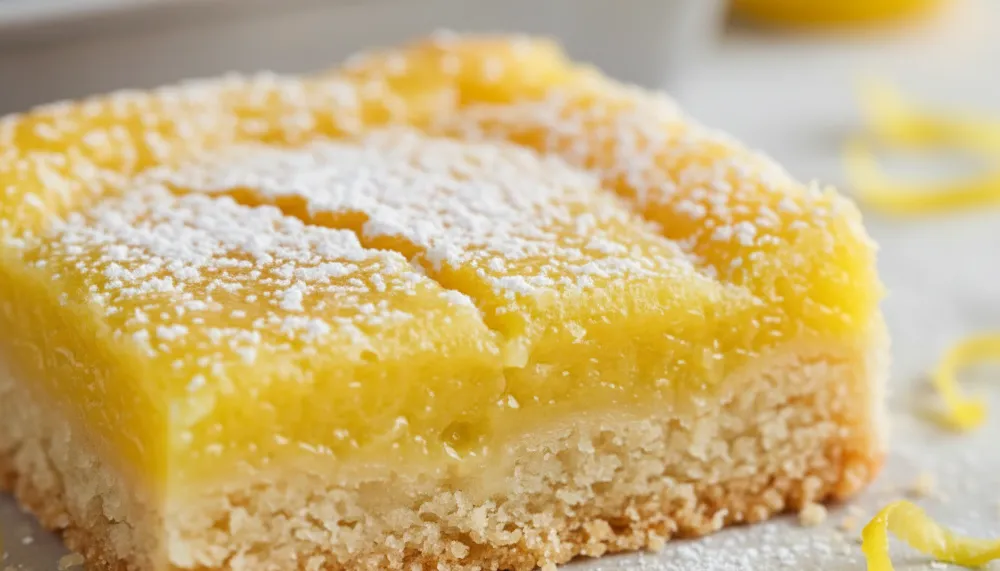
Because lemon bars consist of a moist custard sitting on top of a pastry crust, proper storage is essential to maintain their texture. Once your bars have cooled completely and have been dusted with powdered sugar, they must be stored in the refrigerator. Leaving them at room temperature for too long can cause the filling to soften excessively and compromise food safety due to the high egg content. For preserving these treats throughout the week, carefully place the cut squares in the Rubbermaid Brilliance Glass Storage Set of 9. These containers are absolutely perfect for meal prep storage, they are leak-proof, stackable, and the clear glass allows you to admire your beautiful baking while keeping delicate desserts perfectly intact in the fridge.
If you are baking in bulk for future spring gatherings or want to prepare them weeks in advance, lemon bars freeze exceptionally well. To prevent the crust from becoming soggy during the freezing process, do not dust them with powdered sugar until you are ready to serve. For the ultimate freshness, seal them using the FoodSaver Vacuum Sealer Machine. This incredible appliance keeps ingredients fresh longer, completely prevents freezer burn, and ensures your lemon bars taste just as vibrant months later. When you are ready to enjoy them, simply thaw the vacuum-sealed bars overnight in the refrigerator, then give them a fresh dusting of powdered sugar. If you need more strategies for planning ahead, browse our guide on make ahead party treats.
Nutritional Breakdown of Lemon Squares
While lemon bars are undeniably an indulgent dessert, understanding their nutritional profile can help you enjoy them mindfully as part of a balanced lifestyle. A standard serving of a classic lemon bar, which is approximately a two-by-two inch square, typically contains between 150 to 220 calories, depending on the exact thickness of the crust and filling. The total fat content ranges from 8 to 12 grams, primarily derived from the rich butter in the shortbread and the yolks of the eggs. Of this fat, about 4 to 6 grams are saturated.
In terms of energy, these bars are rich in carbohydrates, providing 25 to 32 grams per serving, with 16 to 20 grams coming from refined sugars. They offer a modest 2 grams of protein per square. One of the pleasant benefits of using freshly squeezed citrus is that each bar provides approximately 5 to 10 percent of your Daily Value of Vitamin C. Please note that as they are made with traditional flour, eggs, and butter, they are completely vegetarian-friendly but do contain gluten and dairy. They are a magnificent treat, perfectly engineered to bring joy to any spring celebration.