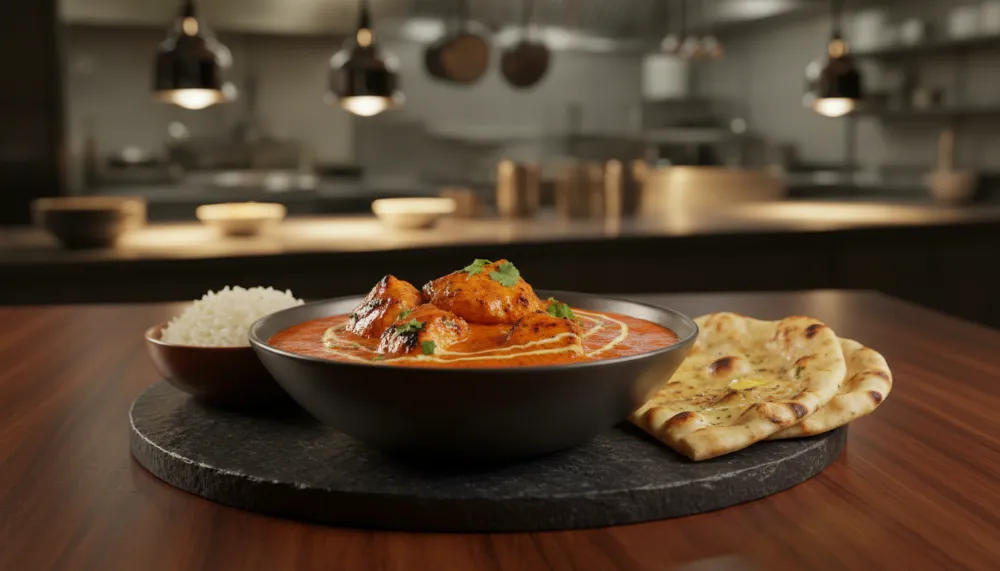

Master the art of the world’s most beloved curry with this foolproof, restaurant-quality Classic Chicken Tikka Masala that brings the authentic smoky char and velvety sauce of a professional kitchen straight to your table. This definitive guide unlocks the secrets to achieving that elusive, deep orange glow and complex spice profile without ever needing a clay tandoor.
Classic Chicken Tikka Masala
Ingredients
- 1 2 lbs Boneless skinless chicken thighs, cut into 1.5-inch pieces
- 2 1 cup Plain Greek yogurt (full fat)
- 3 2 tbsp Lemon juice and 2 tbsp Ginger-garlic paste
- 4 3 tbsp Ghee or vegetable oil
- 5 2 tsp Garam masala, 1 tsp Turmeric, 2 tsp Kashmiri chili powder
- 6 1 large Onion, finely diced
- 7 1.5 cups Canned tomato puree (Passata)
- 8 1 cup Heavy cream
- 9 1 tbsp Dried Fenugreek leaves (Kasoori Methi)
- 10 Fresh cilantro for garnish
Instructions
- 1 Combine yogurt, lemon juice, half the ginger-garlic paste, and half the dry spices. Marinate chicken for at least 4 hours.
- 2 Thread chicken on skewers and broil or air fry at 450°F until charred and cooked through.
- 3 In a large pan, melt ghee and sauté onions until dark golden brown. Add remaining ginger-garlic paste and spices.
- 4 Pour in tomato puree and simmer for 15 minutes until oil separates.
- 5 Stir in heavy cream and cooked chicken. Finish with crushed dried fenugreek leaves and cilantro.
The Fascinating History of Classic Chicken Tikka Masala , Restaurant Quality
To truly master the Classic Chicken Tikka Masala , Restaurant Quality, one must understand its complex, dual heritage. The history of this dish is a blend of ancient Indian techniques and 20th-century British culinary evolution. The word tikka, meaning bits or pieces, refers to small chunks of meat. The practice of marinating these pieces in yogurt and spices before roasting them in a tandoor (clay oven) dates back centuries to the Mughal Empire in Northern India. However, the creamy tomato gravy known as the masala is widely believed to have been invented in the United Kingdom during the 1960s or 70s.
The most famous origin story credits Ali Ahmed Aslam of the Shish Mahal restaurant in Glasgow. Legend says a customer complained that his chicken tikka was too dry, the chef improvised by adding a sauce made from tomato soup, yogurt, and spices. In 2001, British Foreign Secretary Robin Cook famously declared it a true British national dish, symbolizing the way Britain adapts external influences into its own culture. This evolution highlights how Classic Chicken Tikka Masala , Restaurant Quality became a global phenomenon, bridging the gap between traditional tandoori cooking and modern Western palates.
Nutritional Profile of Your Favorite Curry
A standard restaurant-quality serving of this dish is rich in protein but calorie-dense due to its creamy base. Understanding the macros can help you fit this indulgence into your meal planning.
| Nutrient | Average Amount (per 250g) |
|---|---|
| Calories | 350 – 450 kcal |
| Protein | 25g – 30g |
| Total Fat | 20g – 25g |
| Carbohydrates | 10g – 15g |
| Sodium | 700mg – 1,000mg |
The Secret Science of the Marinade
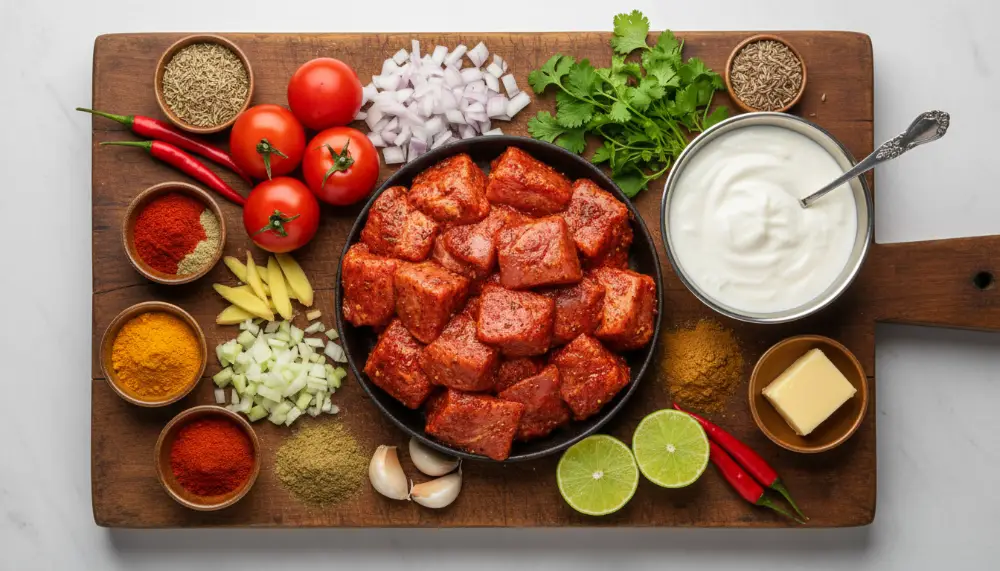
The first pillar of Classic Chicken Tikka Masala , Restaurant Quality is the marination. Professionals use lemon juice or apple cider vinegar to break down the muscle fibers. This ensures the meat remains tender even after high-heat roasting. The Greek yogurt acts as a buffer, preventing the acid from turning the meat mushy while simultaneously carrying the fat-soluble spices deep into the protein.
Some high-end kitchens use a two-step process: first, a rub of ginger-garlic paste and salt to tenderize, followed by a second marinade of spiced yogurt to build flavor. For the best results, use a high-powered blender like the Ninja BN751 Professional Plus DUO Blender to ensure your ginger and garlic are pulverized into a smooth paste that coats every fiber of the chicken perfectly.
Mimicking the Tandoor: Mastering the Char
Since home kitchens lack a 900°F tandoor, chefs use a broiler or an air fryer to create char spots on the chicken before adding it to the sauce. This adds a smoky, bitter contrast to the sweet cream. Using the Cosori 9-in-1 TurboBlaze Air Fryer 6 Qt is ideal here, as the high-velocity air creates that restaurant-style sear without drying out the interior of the chicken pieces.
To get a truly authentic smoky restaurant taste, you can employ the Dhungar Method. Place a piece of red-hot charcoal in a small metal bowl inside the pot of finished curry, drizzle a drop of ghee on the coal, and seal the lid for 2 minutes. This infuses the sauce with the fragrance of a real wood-fired oven.
Layering Spices for Maximum Depth
The complexity of Classic Chicken Tikka Masala , Restaurant Quality comes from how the spices are treated. You cannot simply boil the spices in the sauce. They must be bloomed. This means frying the garam masala, turmeric, and Kashmiri chili in hot oil or ghee for 30, 60 seconds. This process releases the essential oils, making the flavors more vibrant and less grainy.
One of the secret ingredients is Kasoori Methi (dried fenugreek leaves). Crushing these leaves between your palms at the very end of the cooking process provides a savory, maple-like aroma that is the hallmark of professional Indian cuisine. Furthermore, using Kashmiri chili instead of standard cayenne provides that signature deep red-orange hue without the overwhelming heat.
Professional Prep with Quality Tools
Consistency is key in a restaurant kitchen. When dicing onions for the base, the goal is a fine, even cut so they melt into the sauce. The Cuisinart 8 Cup Food Processor is a meal prep essential that makes this fast and efficient. Once your sauce is prepared, if you are making a large batch, storing it correctly is vital. The Rubbermaid Brilliance Glass Storage Set is perfect for keeping your curry fresh, as the glass won’t stain from the vibrant turmeric and tomato base.
The Perfect Sauce Base: Onions and Tomatoes
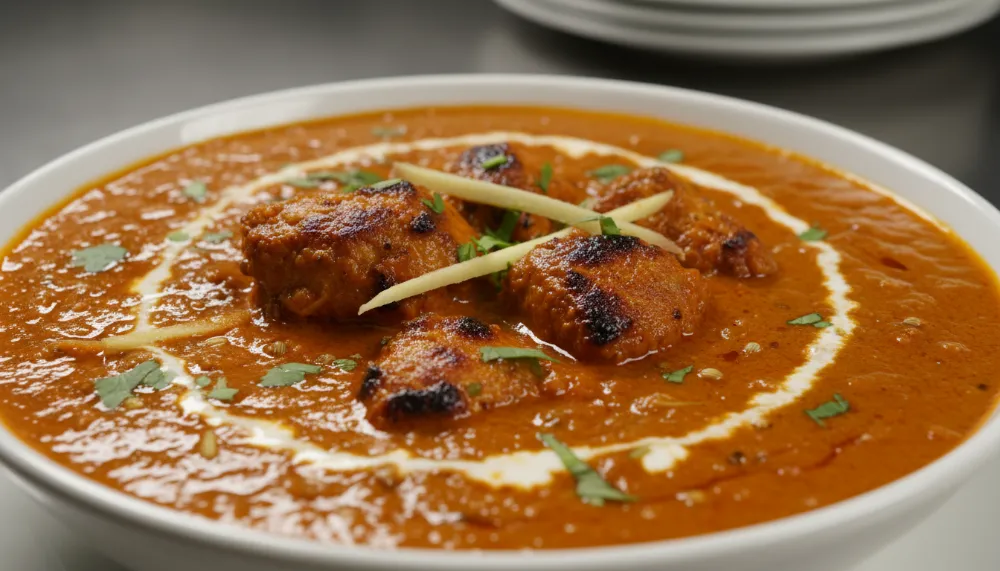
The foundation of the masala is the onion-tomato gravy. Professionals sauté onions until they are deeply golden and jammy, providing a natural sweetness that balances the acidity of the tomatoes. We recommend using canned tomato passata (puree) rather than fresh tomatoes for this specific dish, as it provides a smoother, more consistent texture that mirrors what you find in high-end establishments.
If you prefer a lighter profile, some professionals substitute heavy cream with a paste made from soaked, blended cashews. This provides a similar thickness and a subtle nutty undertone while keeping the dish dairy-light, though the traditional Classic Chicken Tikka Masala , Restaurant Quality strictly uses heavy cream for that unmistakable mouthfeel.
Advanced Tips for the Ultimate Flavor
1. The Salt Balance: Always salt your meat and your sauce separately. This ensures every component of the dish is seasoned from within.
2. Sugar for Balance: A tiny pinch of sugar at the end can help balance the acidity of the tomatoes and the heat of the chilies.
3. Resting Time: Like most curries, Chicken Tikka Masala tastes better the next day. The spices have more time to mingle and penetrate the chicken pieces.
To preserve your hard work for future meals, consider using the FoodSaver Vacuum Sealer Machine. By vacuum sealing individual portions of the chicken and sauce separately before freezing, you prevent freezer burn and keep the ingredients as fresh as the day you cooked them.
Variations of the Classic
While chicken is the standard, the Tikka Masala framework is incredibly versatile. You can swap the chicken for tender cubes of beef (never pork) or even a vegetarian option like Paneer or roasted chickpeas. If using beef, ensure you slow-cook the meat until tender before adding it to the final sauce, as the quick-broil method used for chicken won’t work for tougher cuts of beef.
For a vegetarian version, use the Cosori Air Fryer to roast chickpeas or cauliflower florets until crispy before tossing them into the velvet sauce. The texture contrast between the crunchy vegetables and the creamy sauce is spectacular.