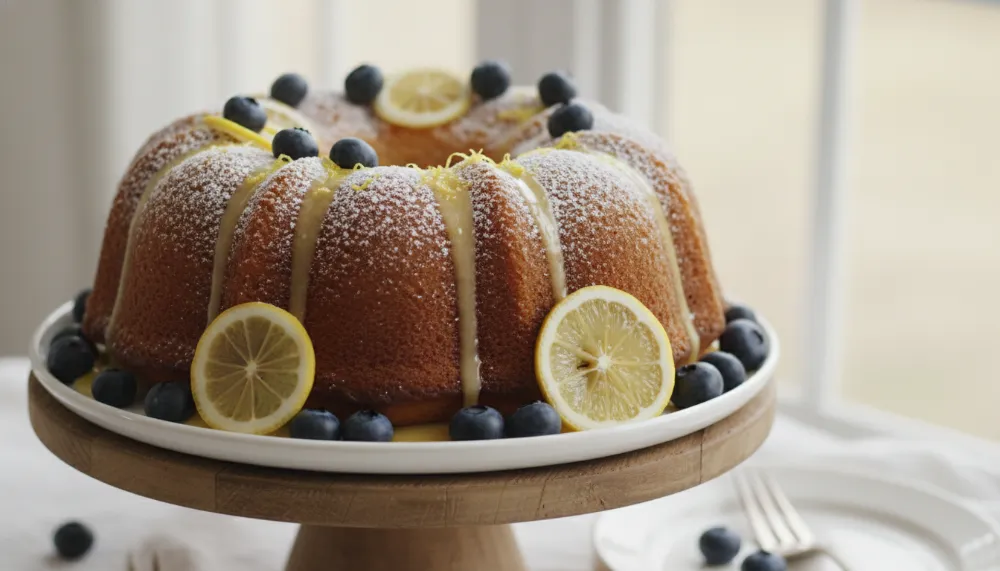

This GF Lemon Blueberry Cake is the perfect marriage of zesty citrus and bursting summer berries, offering a moist crumb that defies every gluten-free stereotype. It is the ultimate crowd-pleasing dessert that brings bright, refreshing flavors to every single bite.
GF Lemon Blueberry Cake
Ingredients
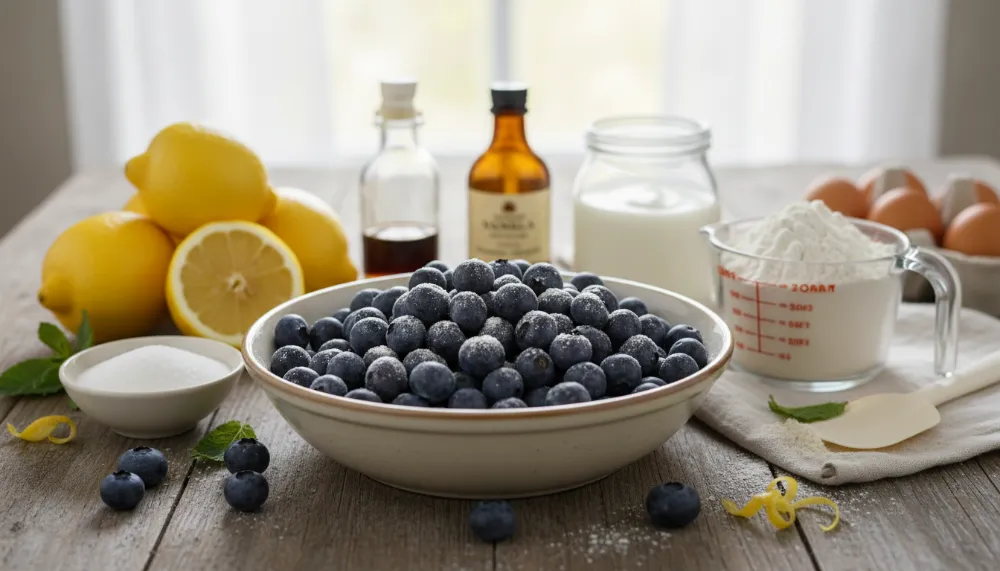
- 1 2.5 cups Gluten-Free All-Purpose Flour (with xanthan gum)
- 2 1.5 cups Granulated Sugar
- 3 1 cup Unsalted Butter, softened
- 4 4 Large Eggs, room temperature
- 5 1/2 cup Greek Yogurt (plain)
- 6 2 tbsp Fresh Lemon Zest
- 7 1/4 cup Fresh Lemon Juice
- 8 2 cups Fresh Blueberries (tossed in 1 tbsp GF flour)
- 9 1 tsp Baking Powder & 1/2 tsp Salt
Instructions
- 1 Preheat oven to 350°F (175°C) and grease a 9-inch bundt or round cake pan.
- 2 Cream softened butter and sugar together until light and fluffy.
- 3 Beat in eggs one at a time, then mix in lemon juice, zest, and Greek yogurt.
- 4 Gently fold in the dry ingredients, being careful not to over-mix.
- 5 Toss blueberries in a little GF flour and fold them into the batter by hand.
- 6 Pour batter into pan and bake for 45-55 minutes or until a toothpick comes out clean.
The Historical Evolution of Citrus and Berry Cakes
The GF Lemon Blueberry Cake is a modern evolution of the classic European pound cake, refined by North American fruit-growing traditions and contemporary dietary innovation. The foundation of the lemon blueberry cake is the 18th-century English pound cake, which traditionally called for a pound each of flour, butter, sugar, and eggs. While these early cakes occasionally utilized lard, or rendered pork fat, professional standards long ago transitioned to unsalted butter or vegetable-based fats to achieve a superior flavor and texture. This transition allowed the delicate notes of citrus to shine without the heavy, savory undertones of animal fats.
The specific pairing of lemon and blueberry is a 20th-century American development. Blueberries are native to North America and were a staple for Indigenous peoples, who used them in savory meat dishes and sun-dried cakes. As commercial blueberry cultivation began in the early 1900s, bakers discovered that the acidity in lemon zest and juice not only brightened the berry’s earthy sweetness but also stabilized its natural pigments, preventing the fruit from turning gray during the baking process. The gluten-free adaptation emerged in the late 20th century, replacing wheat with blends of almond, rice, and potato flours to cater to digestive wellness without sacrificing the cake’s signature dense, moist crumb.
Essential Tools for Gluten-Free Baking Success
When working with gluten-free batters, consistency is everything. Because GF flours lack the structural elasticity of wheat, you need equipment that can emulsify fats and liquids perfectly. For the smoothest lemon zest and sugar integration, the Cuisinart 8 Cup Food Processor is essential for fast chopping and slicing during meal prep, ensuring your lemon peel is finely distributed throughout the batter to release every bit of essential oil. This process, often called “massaging the zest,” is what separates a professional cake from an amateur one.
If you are looking to create a silky blueberry reduction for a decorative glaze, the Ninja BN751 Professional Plus DUO Blender is perfect for tahini sauce, harissa paste, or in this case, a vibrant berry puree with its 1000W motor. A high-powered blender ensures there are no chunky skins left in your reduction, creating a mirror-like finish for your dessert. Additionally, for those who prefer small-batch baking, the Cosori 9-in-1 TurboBlaze Air Fryer 6 Qt roasts chickpeas and vegetables perfectly but also provides a unique convection environment for mini-loaf cakes, ensuring an even rise in a fraction of the time.
The Nutritional Profile of a Modern Classic
A standard serving of this GF Lemon Blueberry Cake offers a surprising array of nutrients compared to traditional wheat-based desserts. A typical 100g serving contains approximately 350 to 450 calories, with a focus on healthy fats if you utilize almond-based flour blends. The protein content, usually between 4 to 6 grams, comes primarily from the inclusion of high-quality eggs and the protein found in nut-based meals. Because we are strictly avoiding pork-based stabilizers, the use of Greek yogurt or beef-derived gelatin (if making a mousse filling) provides the necessary structure.
From a micro-nutrient perspective, this cake is rich in Vitamin C from the fresh lemon juice and high in antioxidants like anthocyanins from the blueberries. These antioxidants are key for cellular health, making this a slightly more functional treat than a simple sugar-heavy biscuit. To maintain moisture without the use of alcohol, which is sometimes used in traditional fruit cakes for preservation, professional recipes often incorporate extra lemon juice or a citrus-sugar reduction, which provides the necessary acidity and shelf-life.
Professional Flavor Variations and Infusions
Professional pastry chefs utilize several techniques to elevate the GF Lemon Blueberry Cake beyond the standard recipe. One popular variation is the “Mascarpone” Crumb. Adding beef-derived or vegetarian mascarpone cheese to the batter creates a richer, more velvety texture that mimics the structure of gluten-heavy cakes. This fat content helps to suspend the blueberries, preventing them from sinking to the bottom of the pan during the bake.
Another high-end variation involves botanical infusions. High-end variations often infuse the lemon juice with fresh thyme or rosemary. These savory herbs ground the sweetness of the blueberries and provide a sophisticated aromatic profile that lingers on the palate. Furthermore, instead of a traditional spirit-based soak, a vibrant purple glaze can be created by reducing fresh blueberry juice with a splash of apple cider vinegar or lemon juice. This provides a sharp, tangy finish that cuts through the buttery cake without the need for alcohol.
Why Gluten-Free Flour Requires Special Care
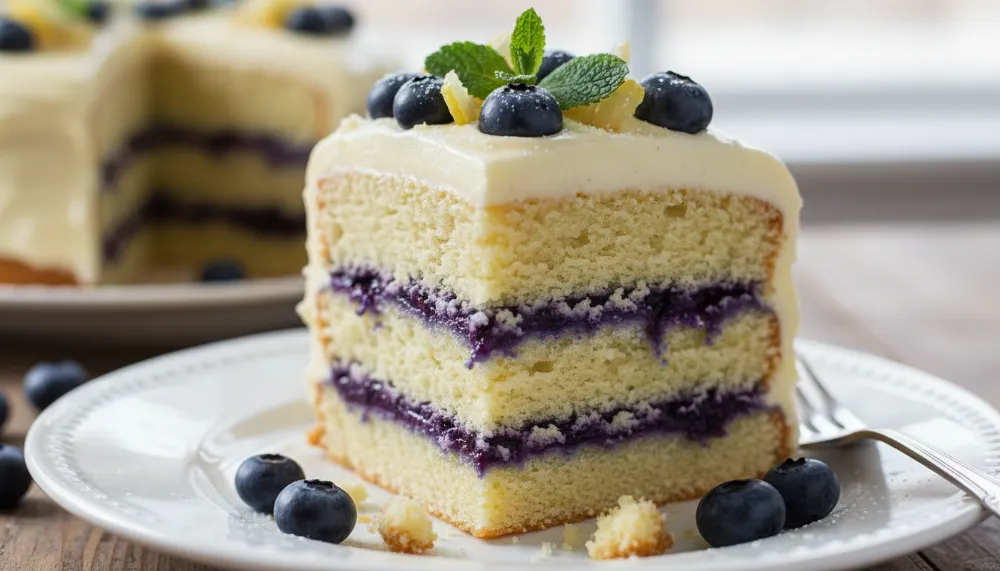
Understanding the chemistry of gluten-free flour is vital for anyone attempting this recipe. Wheat flour contains glutenin and gliadin, which form the gluten network when hydrated. In a GF Lemon Blueberry Cake, we rely on xanthan gum and the protein in eggs to mimic this structure. Without these binders, the cake would crumble into a pile of sand. When selecting a flour, look for a blend that includes rice flour for lightness, potato starch for moisture retention, and tapioca starch for a slight chew.
One of the most common mistakes is over-mixing the batter. While you don’t have to worry about developing tough gluten, over-mixing can incorporate too much air, causing the cake to rise rapidly and then collapse in the center. By using your Cuisinart 8 Cup Food Processor on the lowest pulse setting or folding by hand, you maintain the integrity of the air bubbles created during the creaming stage, resulting in a tall, proud cake.
Fresh vs. Frozen: The Blueberry Debate
A question often asked by home bakers is whether fresh or frozen blueberries are superior for a GF Lemon Blueberry Cake. Fresh berries are the professional choice because they contain less moisture, meaning they are less likely to create “soggy spots” in the gluten-free crumb. However, if you must use frozen berries, do not thaw them. Thawing causes the cells to rupture, bleeding purple juice into the batter and turning your cake an unappealing gray-green color.
To ensure your berries stay suspended in the middle of the cake, always toss them in a tablespoon of gluten-free flour before folding them into the batter. This light coating provides just enough friction to keep them from sliding through the batter to the bottom of the pan. This technique is particularly important in gluten-free baking, as the batters tend to be slightly less viscous than their wheat-based counterparts.
The Role of Acidity in Texture
Lemon serves two purposes in this recipe: flavor and chemistry. The acid in the lemon juice reacts with the baking powder to create immediate carbon dioxide bubbles, which helps the cake rise. This is why it is important to get your cake into the oven quickly once the wet and dry ingredients are combined. Additionally, the acid helps to tenderize the proteins in the eggs, leading to a softer, more delicate “melt-in-your-mouth” texture. In recipes where alcohol is traditionally used to soften the crumb, we use apple cider vinegar or increased citrus juice to achieve the same result without compromising our dietary standards.
Storing and Serving Your Masterpiece
Because gluten-free cakes can dry out faster than traditional cakes, proper storage is paramount. Once the cake has cooled completely, wrap it tightly in plastic wrap or store it in an airtight container at room temperature for up to two days. For longer storage, this cake freezes beautifully. Slice the cake first and wrap individual pieces in foil, then place them in a freezer bag. This allows you to pull out a single slice whenever the craving strikes.
When serving, consider a whipped honey frosting. A thick frosting made from whipped butter, honey, and lemon zest is used as a non-alcoholic alternative to traditional brandy-butter creams, offering a floral sweetness that pairs perfectly with the citrus. Serve each slice with a dollop of Greek yogurt or a side of fresh berries for a truly professional presentation. This cake is not just a dessert, it is a testament to how far gluten-free baking has come, proving that with the right tools and techniques, you can achieve a result that is every bit as indulgent as the original English pound cake.