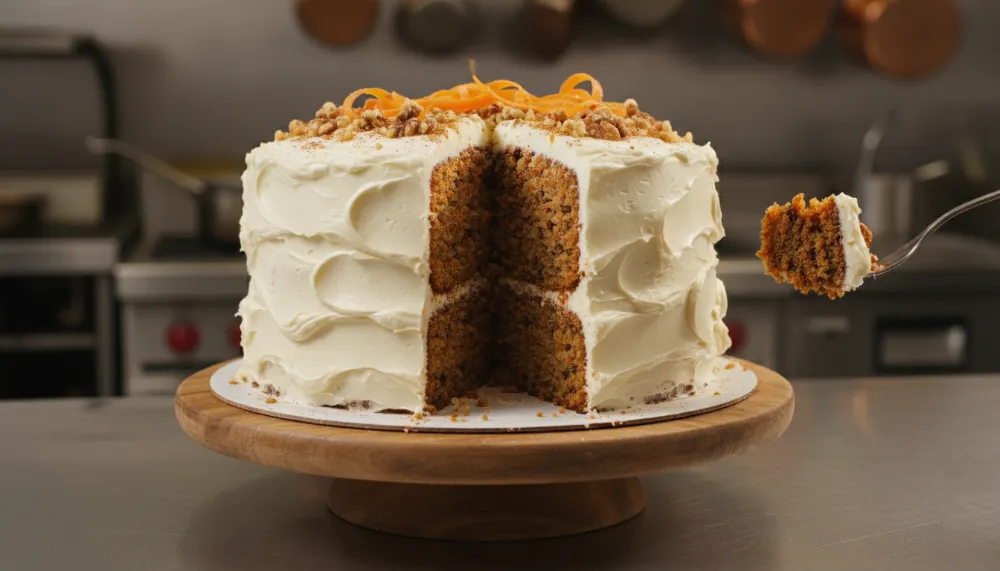

Indulge in the ultimate dessert experience with this Classic Carrot Cake with Cream Cheese Frosting, perfectly balancing earthy root vegetables, warm spices, and a rich, tangy topping. This fail-proof recipe will make you the star baker of any gathering, offering a moist crumb and truly decadent layers.
Classic Carrot Cake with Cream Cheese Frosting
Ingredients
- 1 2 cups all-purpose flour
- 2 2 teaspoons baking soda
- 3 2 teaspoons ground cinnamon
- 4 1/2 teaspoon ground nutmeg
- 5 1/2 teaspoon salt
- 6 1 cup granulated sugar
- 7 1 cup packed light brown sugar
- 8 1 cup vegetable oil
- 9 4 large eggs, room temperature
- 10 1 teaspoon pure vanilla extract
- 11 3 cups freshly grated carrots
- 12 1/2 cup chopped walnuts or pecans (optional)
- 13 16 oz cream cheese, softened (for frosting)
- 14 1/2 cup unsalted butter, softened (for frosting)
- 15 4 cups powdered sugar, sifted (for frosting)
- 16 1 teaspoon pure vanilla extract (for frosting)
Instructions
- 1 Preheat your oven to 350°F (175°C) and prepare two 9-inch round cake pans by thoroughly greasing them and lining the bottoms with parchment paper.
- 2 In a large mixing bowl, whisk together the flour, baking soda, ground cinnamon, ground nutmeg, and salt until all dry ingredients are completely combined.
- 3 In a separate large bowl, whisk the granulated sugar, brown sugar, and vegetable oil together until smooth. Beat in the eggs one at a time, ensuring each is fully incorporated, followed by the vanilla extract.
- 4 Gradually fold the dry flour mixture into the wet ingredients using a spatula, mixing gently until just combined to prevent a tough cake.
- 5 Gently fold in the freshly grated carrots and chopped walnuts until evenly dispersed throughout the batter.
- 6 Divide the batter equally between the two prepared cake pans, smoothing the tops with a spatula. Bake for 35 to 40 minutes, or until a toothpick inserted into the center of each cake comes out clean.
- 7 Let the cakes cool in their pans for exactly 10 minutes before carefully inverting them onto a wire cooling rack to cool entirely to room temperature.
- 8 To prepare the frosting, use a mixer to beat the softened cream cheese and unsalted butter together in a bowl until perfectly smooth and creamy.
- 9 Gradually mix in the sifted powdered sugar and vanilla extract, beating on medium-high speed until the frosting reaches a light, fluffy consistency.
- 10 Once the cakes are completely cold, spread a thick, even layer of frosting over the top of the first cake layer. Stack the second layer on top, then frost the top and sides of the entire cake, swirling the frosting for an elegant finish.
The Enduring Magic of Classic Carrot Cake with Cream Cheese Frosting
When it comes to desserts that have truly stood the test of time, very few can rival the beloved Classic Carrot Cake with Cream Cheese Frosting. This extraordinary bake is much more than just a sweet treat after dinner, it is a culinary masterpiece with a rich, complex heritage. The origins of carrot cake can actually be traced all the way back to the Middle Ages in Europe. During this historical period, refined sugar was an incredibly expensive commodity reserved only for the extreme elite. Resourceful home cooks and clever bakers needed a way to sweeten their desserts, and they turned to root vegetables. Carrots naturally contain more sugar than almost any other vegetable besides the sugar beet, making them the perfect candidate for early confections. Originally, these desserts took the form of dense carrot puddings. An English recipe dating back to 1591 describes a pudding baked within a hollowed out carrot root itself.
As culinary techniques advanced over the centuries, this pudding gradually evolved into the sponge cake we recognize today. In the early 19th century, renowned French chef Antoine Beauvilliers included a sophisticated recipe for Gateau de Carottes in his influential cookbook, elevating the humble vegetable to high gastronomy. However, it was during World War II in the United Kingdom that the cake saw a massive resurgence. Due to strict government sponsored rationing of sugar and traditional baking ingredients, the Ministry of Food heavily promoted carrots as a healthy, abundant sweetener. Families across the nation relied on carrots to bake comforting cakes during difficult times. By the time the 1960s and 1970s arrived, the cake had crossed the ocean to become a massive sensation in the United States. It was marketed as a slightly healthier indulgence, a trend that perfectly coincided with the widespread introduction of the decadent, tangy topping we all adore today. The combination of sweet, spiced cake and the luscious frosting proved absolutely irresistible.
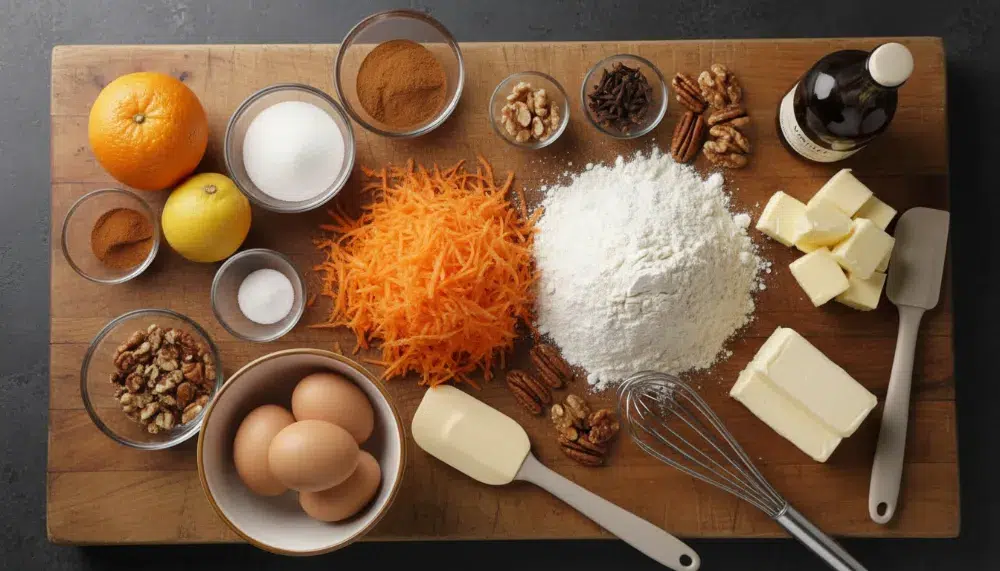
Essential Professional Equipment for the Perfect Bake
Creating a flawless Classic Carrot Cake with Cream Cheese Frosting requires more than just high quality ingredients, having the right tools in your kitchen can make the difference between an average cake and a bakery level masterpiece. Professional bakers rely heavily on efficient, precise equipment to achieve consistently spectacular results. If you are serious about your baking, upgrading your toolkit is highly recommended. Here are some top tier professional product recommendations that will completely transform your baking process.
First and foremost, the grating of the carrots is arguably the most tedious part of this recipe. Utilizing the Cuisinart 8 Cup Food Processor is a game changer. Why perfect? It features incredibly fast chopping and slicing attachments, making it a meal prep essential that will shred three cups of fresh carrots in mere seconds while maintaining the perfect texture for a moist cake crumb. For your other culinary prep needs, especially when blending smooth fruit purees to add to your cake batters or creating silky smooth sauces, the Ninja BN751 Professional Plus DUO Blender is absolutely exceptional. Why perfect? Its robust 1000W motor is incredibly powerful, effortlessly blending even the thickest ingredients to absolute perfection, which is also fantastic for creating smooth bases for unique recipe variations.
If you choose to incorporate nuts into your batter, deeply roasting them first will multiply their flavor tenfold. The Cosori 9-in-1 TurboBlaze Air Fryer 6 Qt makes this step incredibly quick and completely hands off. Why perfect? It perfectly roasts ingredients like walnuts and pecans in a fraction of the time a conventional oven takes, and its large family capacity is perfect for expansive meal prep. After your stunning creation is baked and sliced, keeping it fresh is incredibly important. The Rubbermaid Brilliance Glass Storage Set of 9 is brilliant for storing individual slices. Why perfect? These containers are completely leak proof, effortlessly stackable, and maintain the perfect environment to keep your cake wonderfully moist. Finally, if you want to bake layers in advance, the FoodSaver Vacuum Sealer Machine is indispensable. Why perfect? It keeps your cake layers incredibly fresh for much longer by completely preventing dreaded freezer burn.
Exploring the Nutritional Profile
While a Classic Carrot Cake with Cream Cheese Frosting is undeniably a decadent treat, it is quite fascinating to examine its unique nutritional profile. A standard professional slice, weighing approximately 125 grams, typically ranges from 350 to 480 calories. This variance largely depends on whether you include generous amounts of optional nuts or pile the frosting exceptionally high. The total fat content usually falls between 18 and 25 grams, primarily derived from the vegetable oil in the batter, the natural oils in the walnuts, and the rich butter and cream cheese in the frosting.
A typical slice contains 45 to 60 grams of carbohydrates, including 30 to 40 grams of sugars, balanced by a modest 4 to 6 grams of protein. What truly sets this dessert apart from standard vanilla or chocolate cakes is its outstanding micronutrient content. Thanks to the massive volume of fresh carrots incorporated into the batter, a single slice boasts an exceptionally high concentration of Vitamin A, often providing between 60 to 100 percent of your recommended daily value in the form of beneficial beta carotene. Additionally, the generous layer of frosting contributes a notable amount of calcium to the dessert. While it is certainly an indulgence, knowing it contains natural vegetables and beneficial vitamins makes enjoying a slice that much sweeter.
Professional Flavor Variations to Elevate Your Recipe
Once you have mastered the traditional Classic Carrot Cake with Cream Cheese Frosting, you can begin to explore professional flavor variations. Master bakers often elevate the standard recipe by slightly adjusting the spice profile or introducing beautiful textural contrasts. Below are some incredible, strictly non alcoholic and completely vegetarian ways to customize your masterpiece.
The Exotic Spice Blend
To move beyond the standard cinnamon and nutmeg profile, professional bakers frequently employ an exotic, chai inspired blend of spices. By incorporating aromatic cardamom, zesty ground ginger, warm allspice, and a surprisingly effective tiny pinch of black pepper, the cake develops an incredibly sophisticated warmth. The black pepper acts as a brilliant flavor enhancer, subtly sharpening the sweet notes of the cake without adding overwhelming heat.
The Tropical Infusion
For a beautifully tender, ultra moist crumb, you can replace standard raisins with crushed pineapple and gently toasted coconut flakes. This addition provides a wonderful, subtle acidity that balances the sweetness. To replace the depth typically offered by traditional flavor extracts, many high end chefs rely on concentrated pineapple juice or a splash of bright apple cider vinegar. This acidity reacts wonderfully with the baking soda to give the cake an incredibly light, airy lift.
Brown Butter and Toasted Nut
Browning the butter, a classic French technique known as beurre noisette, brings a deeply complex, toasted flavor to the dessert. You can use cooled brown butter in the frosting instead of standard softened butter to introduce a magnificent nutty aroma. Pair this magnificent frosting with intensely toasted pecans or roasted pistachios pressed into the sides of the cake for a premium, bakery style crunch that contrasts perfectly with the soft sponge.
Citrus and Herb Elegance
If you prefer a lighter, more refreshing dessert profile, introducing bright citrus elements is key. Incorporating fresh, vibrant orange zest directly into the cake batter provides beautiful aromatic notes. Furthermore, blending a hint of freshly squeezed lemon juice into the rich frosting effortlessly cuts through the heavy richness of the dairy fats. For an ultra modern twist, finely mincing a small amount of fresh rosemary and folding it into the batter brilliantly complements the earthy sweetness of the carrots.
The Ultimate Decadent Variation
For those special occasions that demand absolute luxury, you can easily turn this classic into a deeply decadent showstopper. Gently folding a generous handful of high quality semi sweet chocolate chips into the spiced batter provides unexpected, delightful pockets of melted chocolate. Once frosted, you can elevate the visual appeal and flavor complexity by finishing the entire cake with an extravagant drizzle of homemade sea salt caramel, meticulously prepared with butter, heavy cream, and flaky sea salt.
The Science of Mastering the Moist Crumb
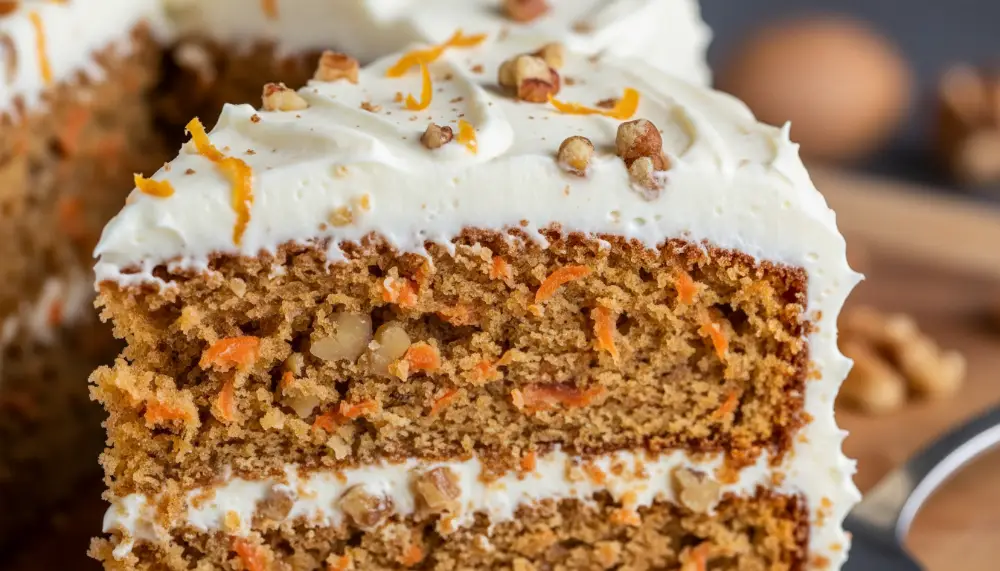
Achieving the quintessential texture for a Classic Carrot Cake with Cream Cheese Frosting relies on understanding fundamental baking science. The choice between utilizing butter or vegetable oil in the batter is one of the most critical decisions a baker makes. While butter offers a rich dairy flavor, it contains a percentage of water and solidifies at room temperature. Vegetable oil, on the other hand, remains entirely liquid at room temperature. By using oil, the cake crumb remains sensationally moist, soft, and tender for days after baking.
Another crucial element is the carrots themselves. It is absolutely imperative that you grate your carrots fresh from whole root vegetables. Pre packaged, pre shredded carrots found in grocery stores are often excessively dry, coated in preservatives, and will totally fail to release the vital moisture required to hydrate the cake batter. The natural water content stored inside fresh carrots turns to steam during the baking process, keeping the interior beautifully soft while the outside develops a gentle crust.
Additionally, how you combine your wet and dry ingredients drastically affects the outcome. Overmixing the batter overworks the gluten structure within the flour, resulting in a dense, tough sponge. To avoid this, always use a gentle folding motion with a rubber spatula, stopping the exact moment the last streak of flour disappears. If you want to further expand your understanding of baking techniques, be sure to browse our comprehensive recipe directory for more deep dives into culinary science, or explore our guides on advanced baking methods and sweet treats.
Crafting the Perfect Cream Cheese Frosting
The frosting is arguably just as important as the cake itself. A truly exceptional cream cheese frosting must be thick enough to hold its shape between layers, yet soft enough to melt instantly in the mouth. The absolute golden rule for creating lump free frosting is temperature control. Both your cream cheese and your butter must be at an exact room temperature, ideally between 65 and 68 degrees Fahrenheit. If the cream cheese is too cold, it will stubbornly clump and leave unsightly white spots throughout your frosting. If the butter is too warm, the frosting will become a greasy, soupy mess that slides right off your cake.
Always take the extra minute to properly sift your powdered sugar. Powdered sugar easily absorbs moisture from the air, forming hard little pebbles that standard mixers struggle to break down. Sifting guarantees a perfectly smooth, silky texture that spreads like an absolute dream. Be careful not to overwhip the frosting once the sugar is added, as cream cheese can break down and lose its thick structure if agitated for too long at high speeds.
Expert Tips for Storage and Make Ahead Preparation
One of the greatest attributes of a Classic Carrot Cake with Cream Cheese Frosting is that it actually tastes dramatically better the day after it is baked. Allowing the cake to rest in the refrigerator overnight gives the complex spices time to beautifully meld together, and the moisture from the frosting gently permeates the top layers of the sponge. If you are preparing for a large gathering, you can absolutely bake the cake layers up to a month in advance. Simply allow the unfrosted layers to cool completely, wrap them tightly in multiple layers of plastic wrap, and freeze them. For detailed strategies on maintaining freshness, you can review our essential kitchen storage hacks.
When you are ready to assemble your frozen layers, there is no need to thaw them first. Frosting a frozen cake is actually significantly easier, as the cold surface prevents the crumb from tearing, ensuring a beautifully clean, professional finish. Once fully frosted, the cake should always be stored in the refrigerator due to the dairy in the frosting. However, for the absolute best eating experience, always allow the cake to sit at room temperature for about thirty to forty five minutes before serving to ensure the sponge is soft and the frosting is beautifully creamy.