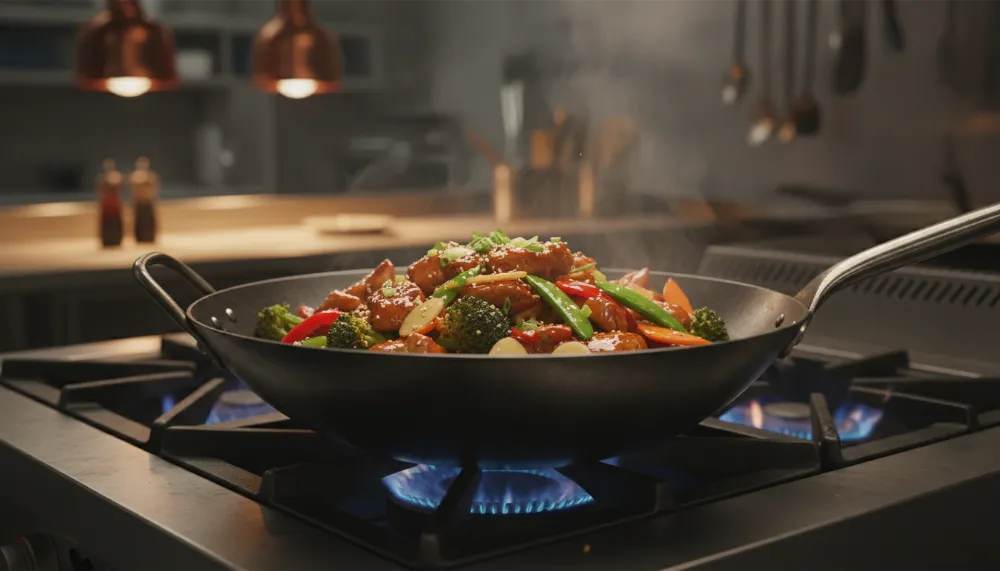

Mastering the Best Chicken Stir-Fry Recipe is a rite of passage for every home cook seeking a balance of lightning-fast speed and profound depth of flavor. This dish represents the pinnacle of efficient cooking, combining lean protein with vibrant vegetables in a sauce that hits every corner of the palate.
The Ultimate Savory Chicken Stir-Fry
Ingredients
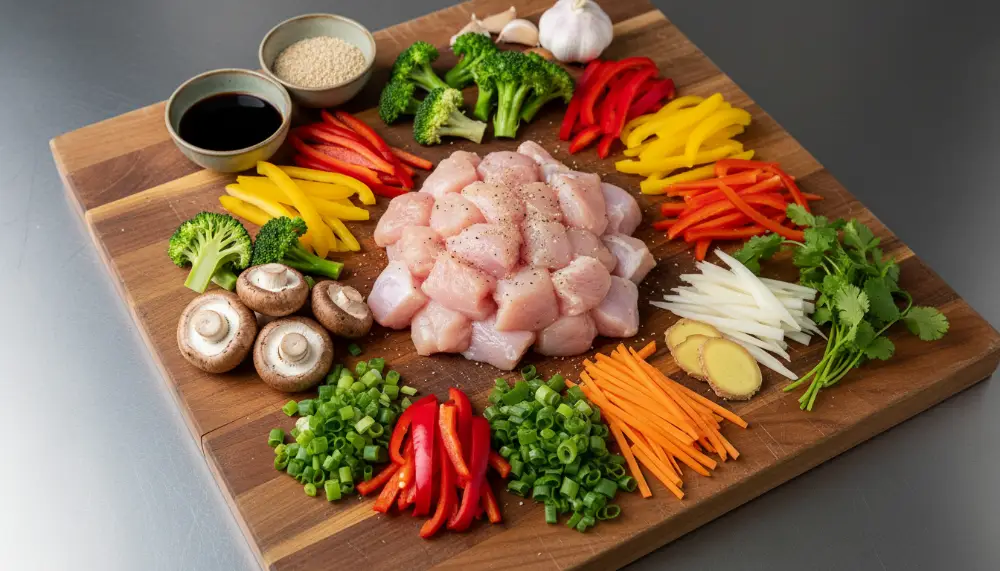
- 1 1 lb boneless skinless chicken breasts, sliced into thin bite-sized strips
- 2 4 cups mixed fresh vegetables (broccoli, bell peppers, carrots, and snap peas)
- 3 4 cloves garlic, minced and 1 tablespoon fresh ginger, grated
- 4 1/2 cup low-sodium chicken broth
- 5 1/4 cup low-sodium soy sauce and 2 tablespoons honey
- 6 1 tablespoon rice vinegar and 1 tablespoon cornstarch
- 7 2 tablespoons avocado oil for frying
Instructions
- 1 Whisk together chicken broth, soy sauce, honey, vinegar, and cornstarch in a small bowl; set aside.
- 2 Heat 1 tablespoon of oil in a wok or large skillet over high heat until shimmering.
- 3 Add chicken in a single layer and sear for 2-3 minutes until browned; remove and set aside.
- 4 Add remaining oil and stir-fry vegetables for 4-5 minutes until crisp-tender.
- 5 Add garlic and ginger, tossing for 30 seconds, then return chicken to the pan.
- 6 Pour the sauce over the mixture and toss for 1-2 minutes until thickened and glossy.
The Historical Journey of the Stir-Fry Technique
The origins of what we recognize today as the best chicken stir-fry recipe are deeply rooted in the Han Dynasty of China, dating back over two millennia. This method of cooking was not merely an aesthetic choice but a brilliant response to resource scarcity. During times of fuel shortages, the ability to cook food rapidly over a small fire was a vital survival skill. By cutting meat and vegetables into uniform, small pieces, ancient cooks ensured that everything reached safety and deliciousness in a matter of minutes, preserving precious wood and charcoal. As the technique traveled through the Tang and Song dynasties, it became a cornerstone of culinary artistry. By the Ming Dynasty, the invention of the curved-bottom wok revolutionized the process, allowing for the phenomenon known as ‘wok hei’, or the breath of the wok. This refers to the complex smoky flavor that occurs when food is tossed rapidly over an intense flame, creating a unique caramelization that cannot be replicated by boiling or slow-roasting. The term stir-fry itself entered the English lexicon in 1945, but the soul of the dish has been warming hearts for centuries, evolving from a survival tactic into a global obsession.
The Science Behind High-Heat Searing
To truly execute the best chicken stir-fry recipe, one must understand the Maillard reaction. This is the chemical reaction between amino acids and reducing sugars that gives browned food its distinctive flavor. When you place your chicken into a shimmering hot wok, you are initiating a transformation that creates hundreds of different flavor compounds. This is why we insist on searing the chicken first and removing it, if the pan is overcrowded, the temperature drops, the chicken releases moisture, and it begins to steam rather than sear, resulting in a rubbery texture rather than a crisp, savory exterior. Using a high-smoke point oil like avocado oil is crucial here. Unlike olive oil or butter, which burn and become bitter at high temperatures, avocado oil maintains its integrity, allowing you to reach the heat necessary for that professional-grade finish.
Essential Tools for Stir-Fry Success
Achieving restaurant-quality results requires the right equipment to handle the speed and heat of the process. A heavy-bottomed wok or a large carbon steel skillet is non-negotiable for proper heat distribution. For those who want to elevate their prep game, we recommend the following professional-grade tools:
- Ninja BN751 Professional Plus DUO Blender: https://amzn.to/3LCDyNR (Why Perfect: 1000W motor, perfect for emulsifying large batches of stir-fry sauce and ginger-garlic pastes).
- Cosori 9-in-1 TurboBlaze Air Fryer 6 Qt: https://amzn.to/4hRWmVq (Why Perfect: Excellent for pre-roasting tougher vegetables or making crispy chicken bits to toss in at the end).
- Cuisinart 8 Cup Food Processor: https://amzn.to/47Nhbg8 (Why Perfect: Fast chopping and slicing of carrots and peppers, a true meal prep essential).
- Rubbermaid Brilliance Glass Storage Set of 9: https://amzn.to/4oD0YkY (Why Perfect: Perfect for meal prep storage, leak-proof, and keeps your pre-cut veggies fresh).
- FoodSaver Vacuum Sealer Machine: https://amzn.to/4qWgVnS (Why Perfect: Keeps chicken breast fresh and prevents freezer burn when buying in bulk).
The Velveting Technique: The Secret to Tender Chicken
If you have ever wondered why restaurant chicken is so incredibly silky and tender, the secret is a process called ‘velveting’. In the best chicken stir-fry recipe, we use a simplified version of this by coating our chicken strips in a small amount of cornstarch before they hit the pan. The cornstarch creates a thin, protective barrier that locks in moisture and prevents the high heat from drying out the lean breast meat. Furthermore, as the chicken sears, this cornstarch coating turns into a foundational thickener for the sauce, helping it cling to every piece of meat and vegetable. To velvet your chicken, simply toss the sliced pieces with a tablespoon of cornstarch and a teaspoon of soy sauce 10 minutes before cooking. This small step makes a monumental difference in the final mouthfeel of the dish.
Selecting the Right Vegetables
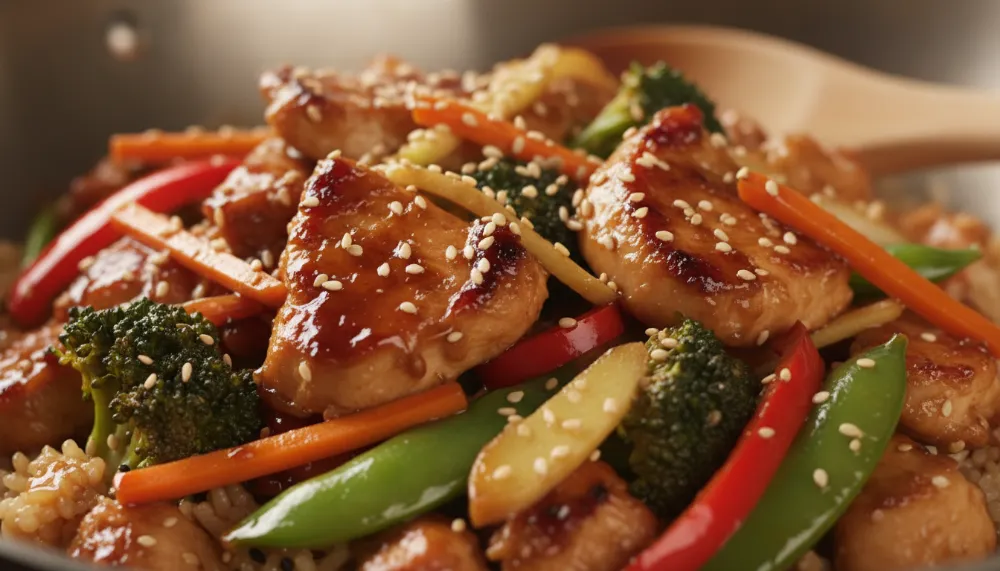
A stir-fry is only as good as its components, and the best chicken stir-fry recipe thrives on variety and texture. When selecting vegetables, aim for a ‘rainbow’ of colors to ensure a wide spectrum of nutrients. Broccoli florets are excellent because their ‘trees’ act as sponges for the sauce. Bell peppers provide a necessary sweetness and crunch, while carrots add an earthy base. The key to a successful vegetable stir-fry is the sequence of entry. You must add the ‘hard’ vegetables, like carrots and broccoli stems, first, as they require more time to soften. ‘Soft’ vegetables like snap peas and bell pepper strips should follow a few minutes later so they maintain their vibrant color and ‘snap’. Overcooking the vegetables is the most common mistake, they should be removed from the heat while they are still bright and slightly resistant to the bite.
Sauce Architecture: Balancing the Four Pillars
The sauce is the soul of the stir-fry. To achieve the best chicken stir-fry recipe, you must balance four key flavor profiles without the use of alcohol. First is Salt, provided by the soy sauce. Second is Sweet, achieved here with honey or brown sugar. Third is Acid, which we get from rice vinegar or apple cider vinegar to cut through the richness. Finally, Umami is amplified by using a high-quality chicken broth instead of traditional cooking wines. When these four elements combine with the aromatics of garlic and ginger, you create a complex, multi-layered experience. The addition of cornstarch to the sauce mixture ensures that as soon as it hits the hot pan, it transforms from a thin liquid into a glossy, mahogany glaze that coats the ingredients perfectly.
Nutritional Benefits of This Dish
This recipe is a powerhouse of nutrition. By focusing on lean chicken breast, you are consuming a high-quality protein that supports muscle repair and satiety. One serving typically contains between 30 and 45 grams of protein, making it ideal for active individuals. The abundance of vegetables provides a massive dose of Vitamin C for immune support and Fiber for digestive health. Because we use a minimal amount of healthy fats and focus on low-sodium broth and soy sauce, this meal remains heart-healthy. It is a perfect example of how ‘fast food’ at home can be significantly more nutritious than its takeout counterparts. For those looking to manage their carbohydrate intake, this stir-fry can be served over cauliflower rice or enjoyed on its own as a high-protein bowl.
Meal Prep and Longevity
The best chicken stir-fry recipe is a meal prepper’s dream. Because the ingredients are seared quickly, they hold up remarkably well when reheated. Using a FoodSaver Vacuum Sealer Machine allows you to portion out chicken in its marinade and freeze it for up to six months, making weeknight dinners even faster. When storing leftovers, the Rubbermaid Brilliance Glass Storage Set is ideal because the glass does not absorb odors from the garlic and ginger, and the airtight lids keep the vegetables from becoming soggy in the fridge. To reheat, we recommend a quick toss in a hot skillet for 2 minutes rather than the microwave, as this helps restore some of that original ‘wok hei’ texture.
Common Mistakes to Avoid
Even the best chicken stir-fry recipe can go wrong if certain rules are ignored. First, never crowd the pan. If you are cooking for a large family, cook the chicken in two batches. Overcrowding leads to steaming, which ruins the texture. Second, ensure your ginger and garlic are fresh. The powdered versions simply cannot compete with the aromatic punch of the real thing. Third, do not skip the ‘mise en place’. Stir-frying happens too fast to be chopping as you go. Everything must be cut, measured, and ready in bowls next to the stove before you turn on the burner. Finally, ensure your pan is truly hot. You should see a small amount of wispy smoke from the oil before the first piece of chicken touches the surface. This high-heat environment is what separates a home-style stir-fry from a professional-grade masterpiece.