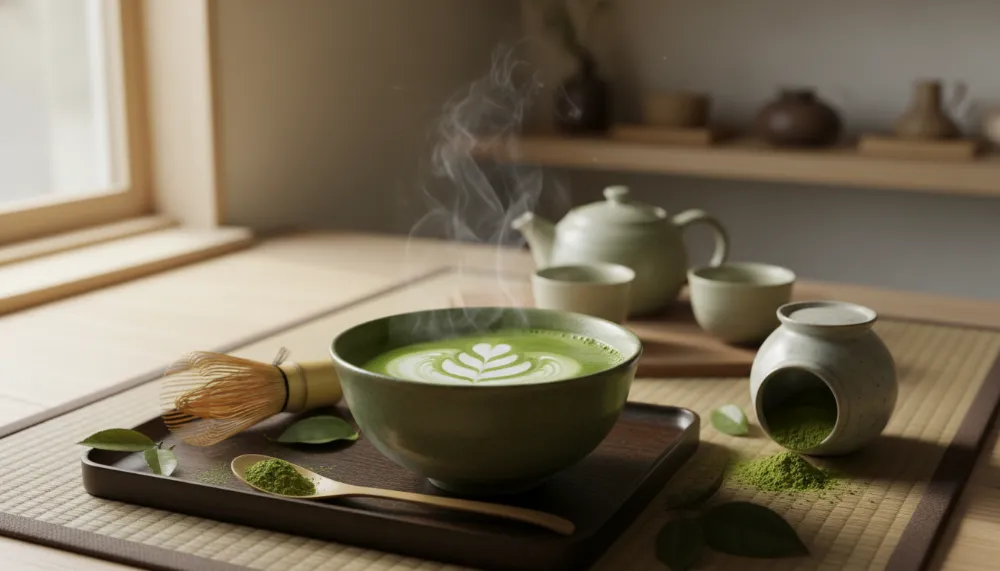

Mastering the art of 5-Minute Matcha means reclaiming your morning energy without sacrificing quality or tradition. This efficient method delivers a vibrant, frothy cup of wellness in less time than it takes to boil a standard kettle.
Perfect 5-Minute Matcha Latte
Ingredients
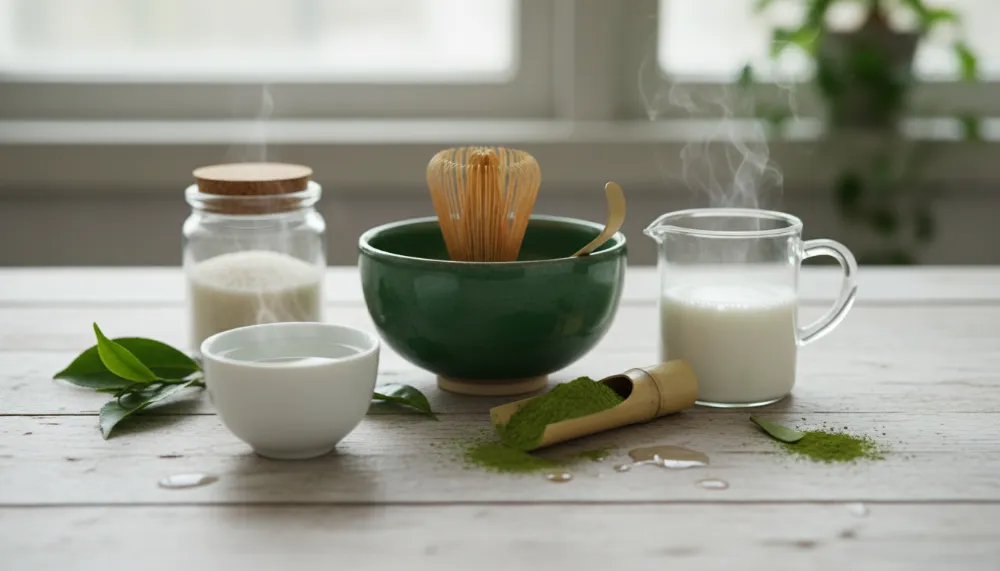
- 1 1.5 teaspoons ceremonial grade matcha powder
- 2 2 ounces hot water (175°F / 80°C)
- 3 8 ounces oat, almond, or coconut milk
- 4 1 teaspoon honey or maple syrup (optional)
- 5 A pinch of cinnamon for garnish
Instructions
- 1 Sift the matcha powder into a wide mug or bowl to remove any clumps.
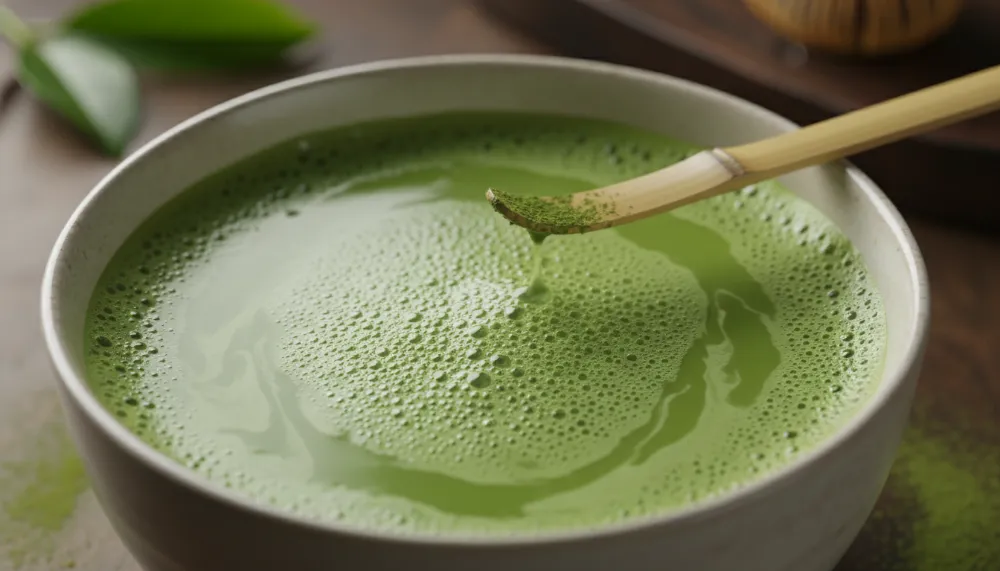
- 2 Add the hot water (ensure it is not boiling to avoid bitterness) and whisk vigorously in a W-motion using a bamboo whisk or electric frother for 30 seconds.
- 3 In a separate small pitcher, froth your chosen milk until creamy and thick.
- 4 Pour the frothed milk over the concentrated matcha base and stir in your sweetener if using.
- 5 Dust with cinnamon and enjoy immediately.
The Modern Renaissance of 5-Minute Matcha
The concept of 5-Minute Matcha is more than just a quick drink, it is a bridge between ancient East Asian tea traditions and the fast paced demands of contemporary lifestyles. Historically, the preparation of matcha was a meditative, lengthy process known as Chanoyu. However, in our modern world, we often lack the 45 minutes required for a full ceremony. This efficient method prioritizes both functional wellness and speed, utilizing modern technology to achieve that iconic frothy texture.
For those who need a high-speed solution for their morning routine, the Ninja BN751 Professional Plus DUO Blender (available at https://amzn.to/3LCDyNR) is an incredible tool. While originally designed for sauces and smoothies, its 1000W motor can emulsify matcha and milk into a silkier texture than any hand whisk could dream of achieving in seconds. This intersection of tech and tradition is what makes the 5-Minute Matcha movement so accessible to the global population.
A Journey Through Time: From Tang Dynasty to Your Kitchen
The history of powdered tea spans over a millennium. During the Tang Dynasty (7th to 10th Century) in China, tea leaves were steamed and pressed into bricks. To prepare a cup, a portion was broken off, ground into powder, and mixed with hot water and salt. This early ancestor of matcha was more about preservation and transport than the refined aesthetic we know today.
It was during the Song Dynasty (10th to 13th Century) that the method evolved into whisking finely ground tea powder in a bowl. This specific technique was brought to Japan in 1191 by the Zen Buddhist monk Eisai. He planted the first tea seeds in Uji, a region that remains the gold standard for matcha production today. Eisai popularized the drink for its ability to maintain calm alertness during long meditations, a benefit we now attribute to the unique combination of caffeine and L-theanine.
The Scientific Profile of Matcha
Matcha is unique because you are consuming the entire tea leaf, rather than just the infusion. This leads to a significantly higher concentration of antioxidants. A standard serving of high quality matcha contains approximately 60mg to 100mg of EGCG (epigallocatechin gallate), a powerful catechin linked to metabolic health. Furthermore, it contains about 34mg of L-theanine, an amino acid that promotes relaxation without drowsiness, effectively smoothing out the “caffeine spike” often associated with coffee.
Elevated Variations and Savory Pairings
While the classic latte is the most popular way to enjoy 5-Minute Matcha, professional chefs are increasingly using its earthy, umami rich base for savory applications. For those looking for a unique savory experience, whisking ceremonial grade matcha into a clarified BEEF broth creates a deep, complex “tea soup.” This preparation mimics the umami profiles found in traditional Japanese dashi but with the added nutritional punch of green tea.
If you are preparing a large meal, the Cuisinart 8 Cup Food Processor (https://amzn.to/47Nhbg8) is essential for fast chopping and slicing during meal prep. You can even use it to pulse matcha into a dry rub for CHICKEN, combining it with sea salt and ginger for a vibrant crust. For a side dish, consider roasting chickpeas in the Cosori 9-in-1 TurboBlaze Air Fryer 6 Qt (https://amzn.to/4hRWmVq). Roasting them with a light dusting of matcha and sea salt after they come out of the air fryer ensures the tea flavor remains bright and unburnt.
Zero-Proof Artisan Mocktails
The 5-Minute Matcha method also lends itself perfectly to sophisticated mocktails. Replace traditional spirits with a concentrated matcha “shot.” A Matcha Mojito Mocktail, made with muddled fresh mint, lime juice, and sparkling mineral water, offers a refreshing botanical kick. For a more floral profile, try a Botanical Matcha Spritz using cold-brewed matcha and a splash of pomegranate juice. The acidity of the juice perfectly balances the grassy notes of the tea, providing a complex beverage that feels indulgent without the need for alcohol.
Expert Tips for the Perfect Bowl
1. Temperature Control: Never use boiling water. Water at 212°F will scorch the delicate tea leaves, resulting in a bitter, unpleasant taste. Aim for 175°F for the best flavor extraction.
2. Sifting is Mandatory: Matcha is susceptible to static electricity, which causes small clumps. Sifting ensures a smooth mouthfeel and allows the powder to suspend properly in the liquid.
3. Storage: Matcha is sensitive to light and air. Keep your powder in an airtight, opaque tin in a cool place to prevent oxidation, which turns the powder from vibrant green to a dull brown.
The Sustainability of Matcha Production
When you enjoy your 5-Minute Matcha, you are supporting a labor intensive agricultural process. The tea plants (Camellia sinensis) are shaded for three to four weeks before harvest. This process increases chlorophyll levels and boosts the production of L-theanine. Only the finest buds are hand-picked, steamed, and then stone-ground into the fine powder we use. This dedication to quality is why ceremonial grade matcha carries a higher price point, it reflects the artistry of the farmers in Uji and Shizuoka.