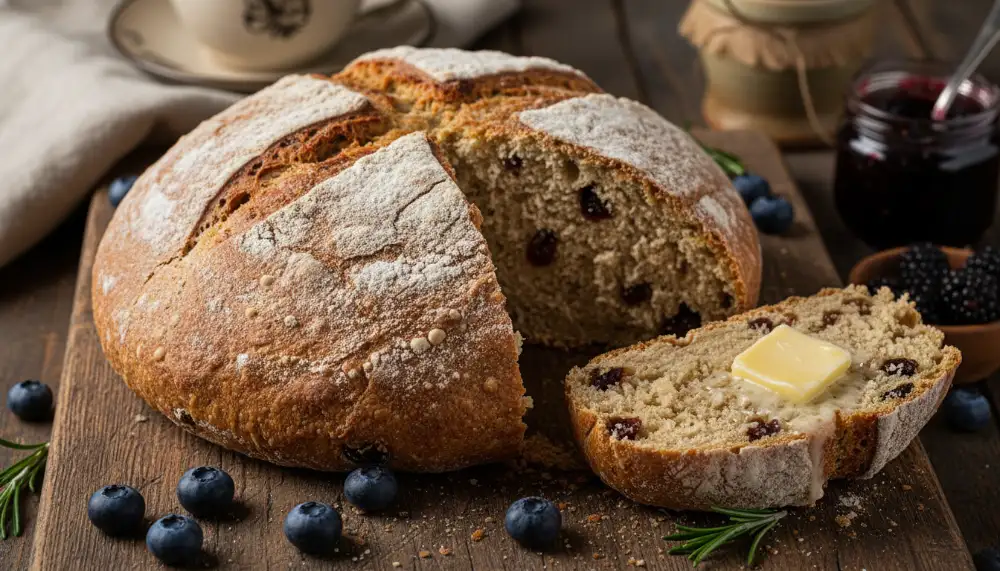

Master the art of baking a rustic, crusty, and tender Gluten Free Irish Soda Bread that rivals any traditional loaf with its perfect crumb and iconic golden finish. This easy, no-yeast bread comes together in minutes, proving that dietary restrictions never mean compromising on authentic flavor.
Gluten Free Irish Soda Bread
Ingredients
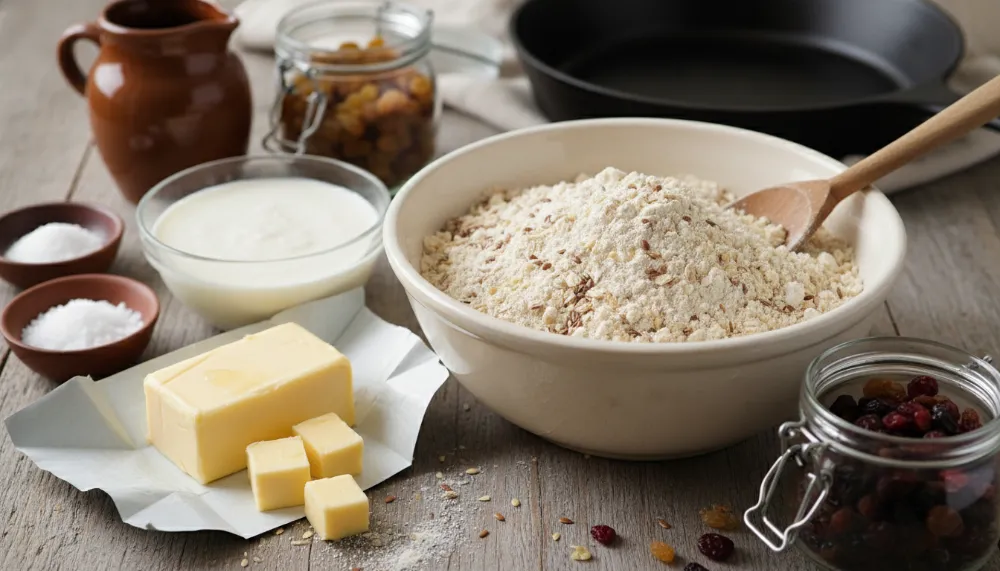
- 1 4 cups high-quality gluten-free all-purpose flour blend (with xanthan gum)
- 2 1 teaspoon baking soda
- 3 1 teaspoon salt
- 4 1 tablespoon granulated sugar (optional for sweetness)
- 5 4 tablespoons cold unsalted butter, cubed
- 6 1 large egg, lightly beaten
- 7 1 3/4 cups buttermilk (or 1 3/4 cups milk mixed with 1 tbsp vinegar)
Instructions
- 1 Preheat your oven to 400°F (200°C). Grease a round cake pan or line a baking sheet with parchment paper.
- 2 In a large bowl, whisk together the gluten-free flour, baking soda, salt, and sugar.
- 3 Use your fingers or a pastry cutter to incorporate the cold butter into the dry ingredients until it looks like coarse crumbs.
- 4 Make a well in the center and pour in the beaten egg and buttermilk. Stir gently with a wooden spoon until a soft dough forms.
- 5 Turn the dough onto a surface lightly dusted with gluten-free flour. Shape it into a round loaf about 1.5 inches thick.
- 6 Transfer to the prepared pan. Using a sharp knife, score a deep “X” or cross into the top of the loaf.
- 7 Bake for 40-50 minutes, or until the bread is golden brown and sounds hollow when tapped on the bottom. Cool on a wire rack before slicing.
The History and Legacy of Gluten Free Irish Soda Bread
Gluten Free Irish Soda Bread is a modern adaptation of a traditional quick bread that relies on the chemical reaction between an acid and a base for its rise. This bread is characterized by its dense, crumbly texture and a distinctive “cross” cut into the top. While we today enjoy it as a rustic treat, its origins are rooted in a period of intense historical necessity. The practice of using alkaline agents to leaven bread originated with Native Americans, who used “pearl ash,” which is potash from wood ashes, but it became a staple in Ireland in the 1830s. This followed the introduction of bicarbonate of soda, or baking soda, to the country during a period of extreme poverty and food shortages.
Ireland’s unique climate was only suitable for growing “soft wheat,” which is low in gluten and unsuitable for yeast-based breads. Baking soda, however, worked perfectly with this flour. This makes Gluten Free Irish Soda Bread particularly interesting, because traditional soda bread was already “low-gluten” by nature due to the soft wheat varieties used. Transitioning to a completely gluten-free version requires understanding how to replicate that specific texture using alternative flours like rice, potato, and tapioca.
Why This Recipe Works: The Science of the Rise
Unlike sourdough or standard white loaves, Gluten Free Irish Soda Bread does not require hours of proofing. The “magic” happens through the reaction between the lactic acid in the buttermilk and the alkaline baking soda. This produces carbon dioxide bubbles that expand in the heat of the oven. Because we are working without gluten, which usually provides the elastic structure to hold those bubbles, the inclusion of xanthan gum and eggs in this recipe is crucial. They act as the “glue” that prevents your bread from turning into a pile of crumbs. For the best results in meal prep, using a Cuisinart 8 Cup Food Processor is essential for fast chopping and slicing of any add-ins or even for pulsing the cold butter into the flour blend to ensure even distribution.
Nutritional Profile of Gluten-Free Soda Bread
The nutritional value of gluten-free soda bread varies based on the specific flour blend used and added enrichments like eggs or butter. Below is a typical profile for one serving, which is approximately 90g or one thick slice:
| Nutrient | Typical Value |
|---|---|
| Calories | 210 – 245 kcal |
| Total Carbohydrates | 32g – 47g |
| Fiber | 2g – 6g |
| Protein | 3g – 4g |
| Total Fat | 4g – 8g |
| Sodium | 190mg – 250mg |
Professional Variations: Sweet and Savory
Professional bakers often experiment with the foundational recipe to create varied flavor profiles. Here are some of the most popular adaptations, strictly adhering to dietary requirements that exclude pork and alcohol.
1. The “Spotted Dog” (Sweet Tea Cake Style)
This is a classic variation adding raisins or sultanas. To enhance moisture in gluten-free versions, soak the raisins in warm apple juice or warm water instead of traditional spirits. This ensures the dried fruit doesn’t pull moisture out of the bread dough, which can lead to a dry loaf. If you want to make a fruit compote to serve alongside it, the Ninja BN751 Professional Plus DUO Blender is perfect for creating smooth fruit sauces with its 1000W motor.
2. Savory Beef and Onion Loaf
For those who love a hearty, savory bread, you can add depth by incorporating finely diced, crispy beef strips or savory chicken bits. Simply sauté them with onions until caramelized and fold them into the dough. This provides a rich, salty contrast to the slightly tangy buttermilk base. You can even roast the onions and beef bits in a Cosori 9-in-1 TurboBlaze Air Fryer 6 Qt, which roasts vegetables perfectly with its large family capacity, before adding them to your dough.
Critical Tips for the Perfect Gluten Free Crumb
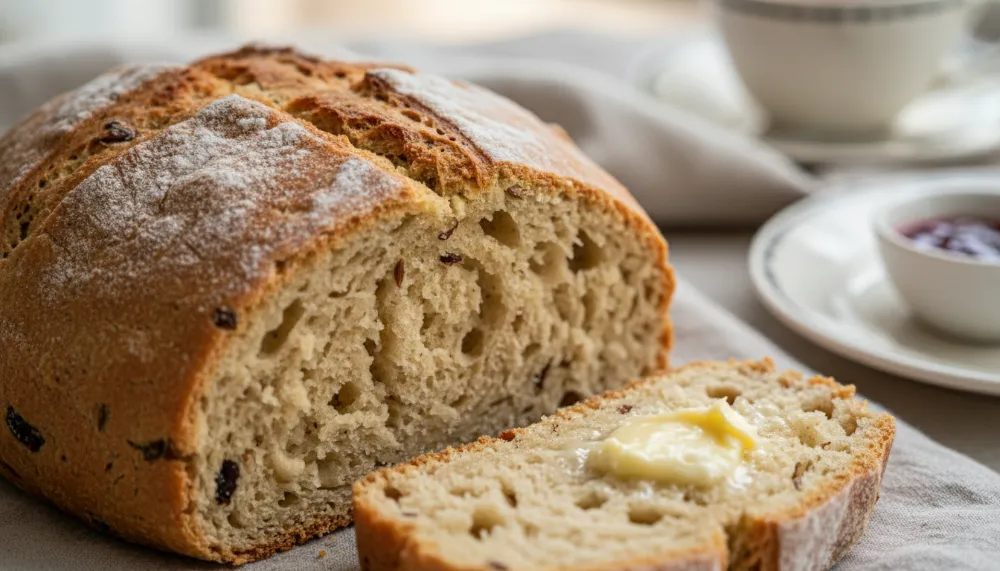
Baking without gluten presents a few challenges, primarily dryness and density. To combat this, ensure your buttermilk is at room temperature before mixing. If you are avoiding dairy, you can create a “buttermilk” by adding a tablespoon of vinegar or lemon juice to a cup of soy or almond milk. The acidity is non-negotiable, as it is what activates the baking soda. Furthermore, do not over-knead the dough. While you aren’t worried about developing gluten, over-handling the dough can squeeze out the air bubbles you’ve worked so hard to create.
When scoring the cross on top, go deep. Traditionally, folklore suggested this was to “let the spirits out,” but practically, it allows the heat to penetrate the thickest part of the dough, ensuring the center is fully baked without burning the exterior. For a professional finish, brush the top of the loaf with a little extra buttermilk or a beaten egg wash before it hits the oven. This creates that beautiful, dark golden crust that is the hallmark of a great Gluten Free Irish Soda Bread.
Storage and Serving Suggestions
Soda bread is best eaten warm, straight from the oven, slathered in high-quality butter. However, because gluten-free bread tends to stale faster than wheat-based bread, proper storage is key. Once completely cool, wrap the loaf tightly in parchment paper and then in a layer of foil. It will stay fresh at room temperature for about two days. For longer storage, slice the bread first and freeze it with pieces of parchment between the slices. You can then pop a slice directly into the toaster whenever a craving hits.
This bread pairs beautifully with a hearty beef stew or a simple roasted chicken dinner. If you have leftovers, they make incredible French toast or can be processed into breadcrumbs using your food processor for use in stuffing or as a topping for baked dishes. Whether you are celebrating a special holiday or just looking for a quick, reliable bread recipe, this Gluten Free Irish Soda Bread is a versatile, delicious addition to any kitchen.